


LISBON 9th International Conference on Architectural & Environmental Engineering (LAEE-27) scheduled on Aug. 16-18, 2027 Lisbon (Portugal)
LAEE-27
- URL: https://earcee.eares.org/conference/381
- Event Date: 2027-08-16 ~ 2027-08-18
- Submission Date: 2027-08-02
- Organizer: EARCEE
Architecture Environmental & Geological Engineering
Call for papers/Topics
Topics of interest for submission include any topics related to:
Building Physics & Indoor Environment
Thermodynamics & Heat Transfer: Thermal mass, conduction, radiation, and insulation strategies to minimize energy consumption.
Building Envelope & Enclosure Design: Moisture control, vapor barriers, air sealing, and high-performance glazing systems.
Indoor Air Quality (IAQ): Volatile Organic Compound (VOC) mitigation, air filtration systems, and particulate management.
Acoustics & Sound Control: Architectural acoustics, noise isolation, reverberation time, and vibration damping.
Daylighting & Visual Comfort: Solar geometry, glare control, light shelves, and integration with artificial lighting.
Sustainable Infrastructure & Renewable Integration
Building Integrated Photovoltaics (BIPV): Solar panel integration into facades, roofs, and windows.
Passive Design Strategies: Solar orientation, natural ventilation, thermal chimneys, and earth coupling.
District Heating & Cooling: Thermal energy distribution networks, central energy plants, and waste heat recovery.
Net-Zero & Positive Energy Buildings: Energy balance modeling, operational carbon reduction, and grid interaction.
Geothermal & Ground-Source Systems: Deep and shallow ground-source heat pumps, ground loops, and thermal storage.
Water Resources & Ecological Engineering
Stormwater Management & Sponge Cities: Permeable pavements, retention basins, and urban runoff mitigation.
Greywater & Blackwater Systems: On-site wastewater treatment, water recycling, and low-flow fixture networks.
Green Infrastructure: Vegetated roofs, living walls, bioswales, and urban heat island mitigation.
Rainwater Harvesting: Collection, filtration, storage, and non-potable redistribution systems.
Urban Hydrology: River restoration, floodplain management, and eco-friendly drainage networks.
Structural Engineering & Materials Science
Sustainable Materials: Mass timber, low-carbon concrete, bamboo, and recycled structural materials.
Life Cycle Assessment (LCA) & Embodied Carbon: Environmental product declarations (EPDs), carbon accounting, and material circularity.
Structural Load & Environmental Forces: Seismic resilience, wind engineering, snow loading, and climate adaptation.
Adaptive Reuse & Retrofitting: Structural strengthening, energy retrofits, and building preservation.
Waste Minimization & Deconstruction: Modular construction, design for disassembly, and construction waste recycling.
Urban Environmental Planning & Systems
Microclimate Modeling: Urban wind corridors, thermal comfort indices, and solar access rights.
Smart Building Automation: Internet of Things (IoT) sensors, predictive HVAC controls, and smart grids.
Circular Economy in Built Environment: Resource recovery, material passports, and closed-loop systems.
Environmental Impact Assessment (EIA): Regulatory compliance, biodiversity assessment, and site contamination remediation.
Climate Resilient Design: Sea-level rise defense, extreme weather hardening, and passive survivability
Event Promotion
Journal Promotion
|
| Acta Koreana (Acta Koreana) |
|
| Acta Via Serica (AVS) |
|
| Advances in Concrete Construction (Advances in Concrete Construction ) |

|
| Advances in Nano Research (Advances in Nano Research) |

|
| Computers and Concrete (Computers and Concrete) |
|
| Coupled Systems Mechanics (Coupled Systems Mechanics) |
|
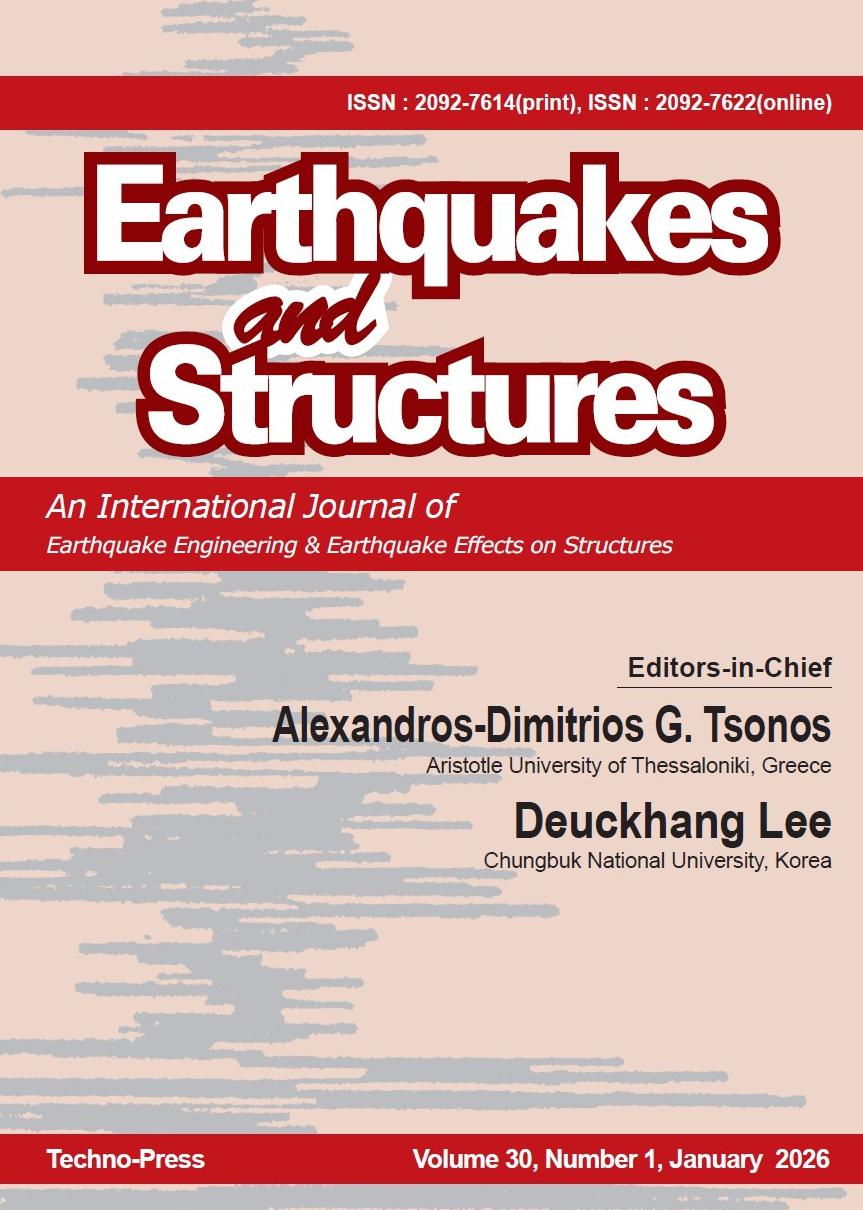
| Earthquakes and Structures, An International Journal (Earthquakes and Structures) |
|
| Geomechanics and Engineering (Geomechanics and Engineering) |
|
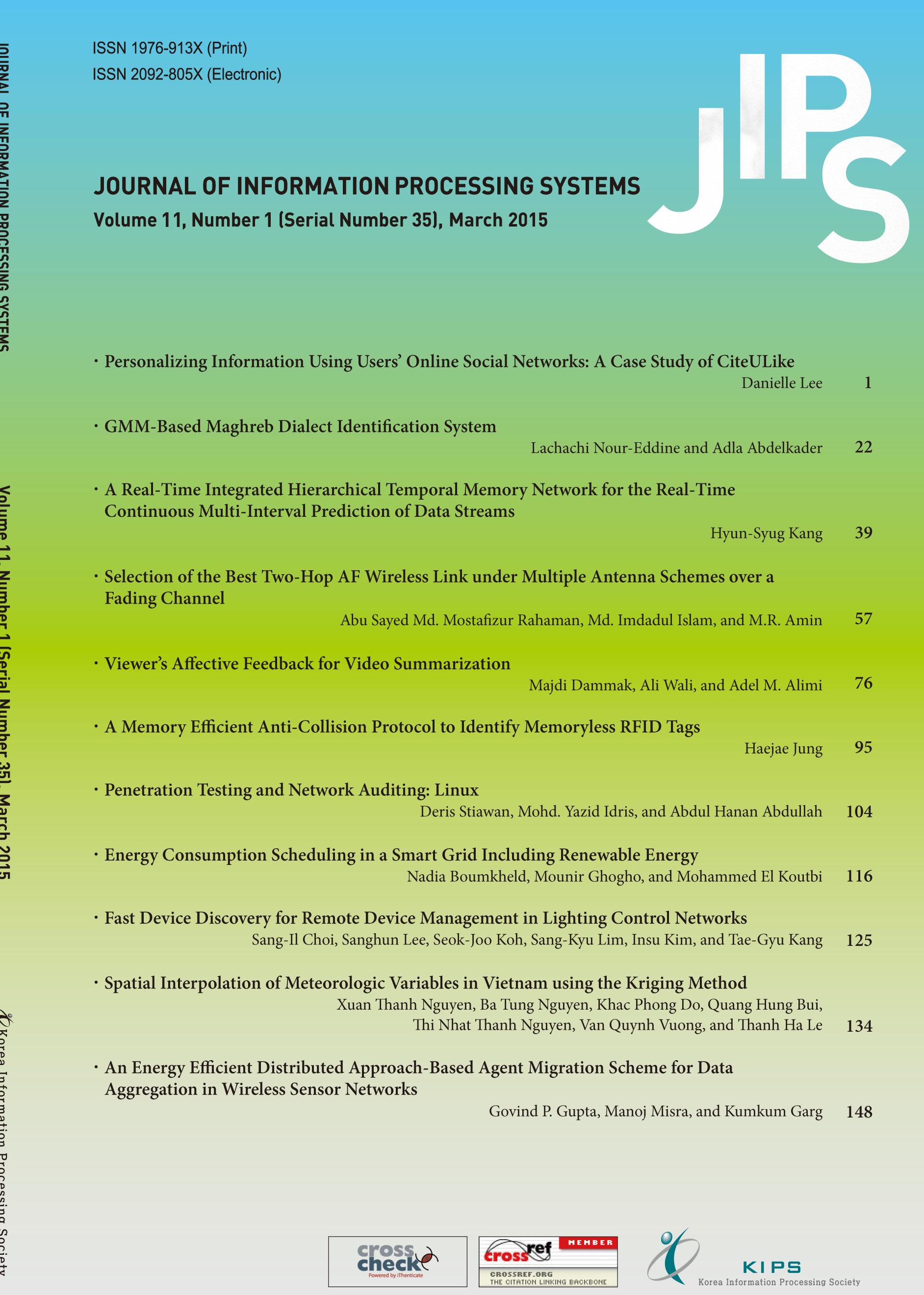
| Journal of Information Processing Systems (JIPS) |

|
| Journal of Internet Computing and Services (KSII - JICS) |

|
| Membrane and Water Treatment (MWT) |
|
| Smart Structures and Systems (Smart Structures and Systems) |
|
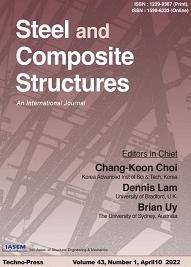
| Steel and Composite Structures, An International Journal (Steel and Composite Structures) |
|
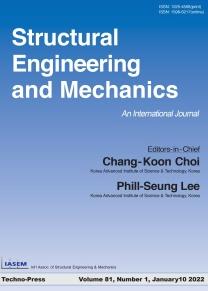
| Structural Engineering and Mechanics, An International Journal (Structural Engineering and Mechanics) |
|
| Wind and Structures, An International Journal (Wind and Structures) |




MANUSCRIPTLINK © 2015 -
