


LISBON 11th World Conference on “Green Chemical Engineering, Bioscience, Energy & Environmental Sustainability" (GCEBE2-27) Feb. 3-5, 2027 Lisbon (Portugal)
GCEBE2-27
- URL: https://www.earbm.org/conference/349
- Event Date: 2027-02-03 ~ 2027-02-05
- Submission Date: 2027-01-20
- Organizer: EARBM
Analytical Chemistry Biochemistry Chemical & Material Sciences (General) Chemical Kinetics & Catalysis
Call for papers/Topics
Topics of interest for submission include any topics related to:
1. Green Chemical Engineering
These topics focus on the design of chemical products and processes that reduce or eliminate the use and generation of hazardous substances.
The 12 Principles of Green Chemistry: Waste prevention, atom economy, less hazardous chemical syntheses, designing safer chemicals, safer solvents and auxiliaries, design for energy efficiency, use of renewable feedstocks, reduce derivatives, catalysis, design for degradation, real-time analysis for pollution prevention, and inherently safer chemistry for accident prevention.
Green Solvents and Reaction Media: Supercritical fluids (e.g., CO2, water), ionic liquids, deep eutectic solvents (DES), bio-based solvents (e.g., ethyl lactate), and solvent-free reactions.
Process Intensification: Microreactors and spinning disk reactors, modular chemical manufacturing, microwave- and ultrasound-assisted synthesis, and reactive distillation.
Catalysis and Biocatalysis: Heterogeneous and homogeneous green catalysis, biomimetic catalysts, and enzyme immobilization techniques.
2. Bioscience & Bioprocess Engineering
This domain leverages biological systems, organisms, or derivatives to develop products and processes for sustainable industries.
Metabolic Engineering & Synthetic Biology: Genetic modification of microbes for chemical production, CRISPR applications in metabolic pathways, and cell-free protein synthesis.
Bioreactor Design & Fermentation Technology: Batch, fed-batch, and continuous bioreactors; scale-up challenges in bioprocessing; gas fermentation (e.g., syngas, CO2 utilization); and downstream processing and purification of biomolecules.
Industrial Biotechnology (White Biotech): Bio-based production of polymers, organic acids, and fine chemicals; and enzymatic degradation of industrial waste.
Agricultural and Food Bioscience: Sustainable crop engineering for climate resilience, cellular agriculture (lab-grown meat), and valorization of agricultural residues.
3. Energy & Environmental Sustainability
This pillars addresses the transition away from fossil fuels and the mitigation of human impacts on ecosystems.
Renewable Energy Systems: Solar photovoltaics and advanced materials, wind energy engineering, next-generation geothermal and tidal power, and grid integration and smart energy storage.
Carbon Capture, Utilization, and Storage (CCUS): Post-combustion and pre-combustion carbon capture, direct air capture (DAC), geological carbon sequestration, and mineralization.
Water-Energy-Food Nexus: Sustainable desalination technologies, wastewater treatment and resource recovery, and precision agriculture and water conservation.
Pollution Control and Remediation: Bioremediation and phytoremediation of contaminated soils/water, advanced oxidation processes (AOPs), and air pollution control technologies.
4. Interrelated & Convergence Topics
The most impactful innovations occur where Green Chemical Engineering, Bioscience, and Sustainability overlap.
Biorefineries and Waste Valorization:
Lignocellulosic Biorefineries: Fractionation of biomass into cellulose, hemicellulose, and lignin.
Waste-to-Energy & Waste-to-Chemicals: Anaerobic digestion for biogas, pyrolysis, and gasification of municipal solid waste.
The Bioeconomy & Circular Economy:
Bio-based Plastics and Materials: Synthesis and biodegradation of PLA, PHA, and starch-based plastics.
Closed-Loop Supply Chains: Design for recycling (DfR) in chemical manufacturing and industrial symbiosis (where one industry's waste becomes another's feedstock).
Sustainable Aviation Fuels (SAF) & Advanced Biofuels:
First to Fourth-Generation Biofuels: Biodiesel, bioethanol, cellulosic ethanol, and algae-based fuels.
Electro-fuels (e-fuels): Combining captured CO2 with green hydrogen via biochemical or thermochemical pathways.
The Hydrogen Economy:
Green Hydrogen Production: Water electrolysis powered by renewable energy.
Biohydrogen: Dark fermentation and photo-fermentation by microorganisms.
Hydrogen Storage and Transport: Ammonia as a hydrogen carrier, liquid organic hydrogen carriers (LOHCs), and fuel cell optimization.
Electrochemical and Photochemical Engineering:
Electrocatalytic CO2 Reduction: Converting carbon dioxide into fuels (methanol, ethylene) using renewable electricity.
Artificial Photosynthesis: Hybrid biological-synthetic systems that mimic plants to produce chemical energy from sunlight.
Systems Sustainability Assessment:
Life Cycle Assessment (LCA): Quantifying environmental impacts from cradle to grave.
Techno-Economic Analysis (TEA): Evaluating the financial viability of green and bioscience technologies.
Exergy Analysis: Assessing thermodynamic efficiency and energy quality degradation in green processes.
Journal Promotion

|
| Acta Koreana (Acta Koreana) |

|
| Acta Via Serica (AVS) |
|
| Advances in Concrete Construction (Advances in Concrete Construction ) |

|
| Advances in Nano Research (Advances in Nano Research) |

|
| Computers and Concrete (Computers and Concrete) |
|
| Coupled Systems Mechanics (Coupled Systems Mechanics) |

|
| Earthquakes and Structures, An International Journal (Earthquakes and Structures) |
|
| Geomechanics and Engineering (Geomechanics and Engineering) |
|
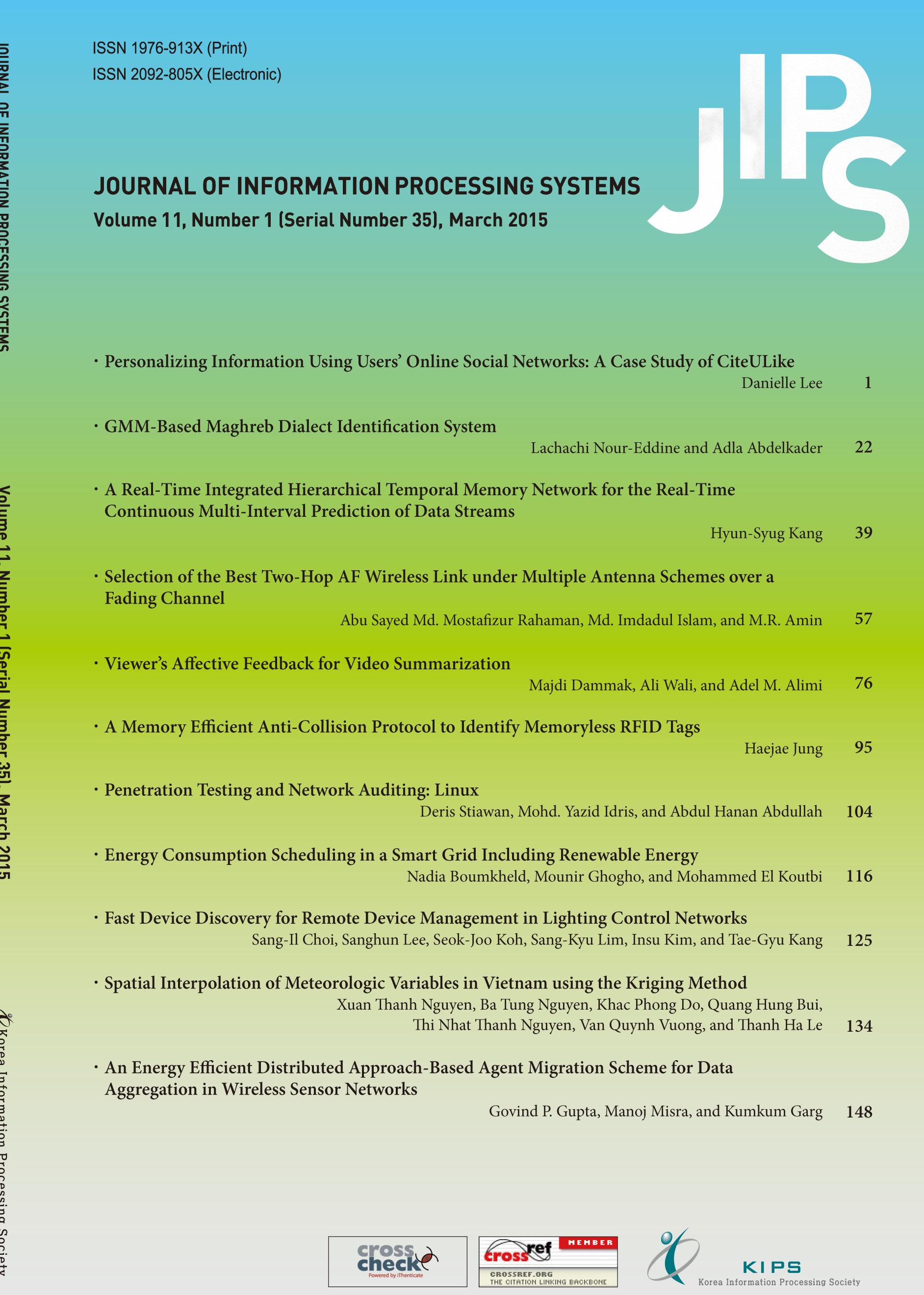
| Journal of Information Processing Systems (JIPS) |

|
| Journal of Internet Computing and Services (KSII - JICS) |
|
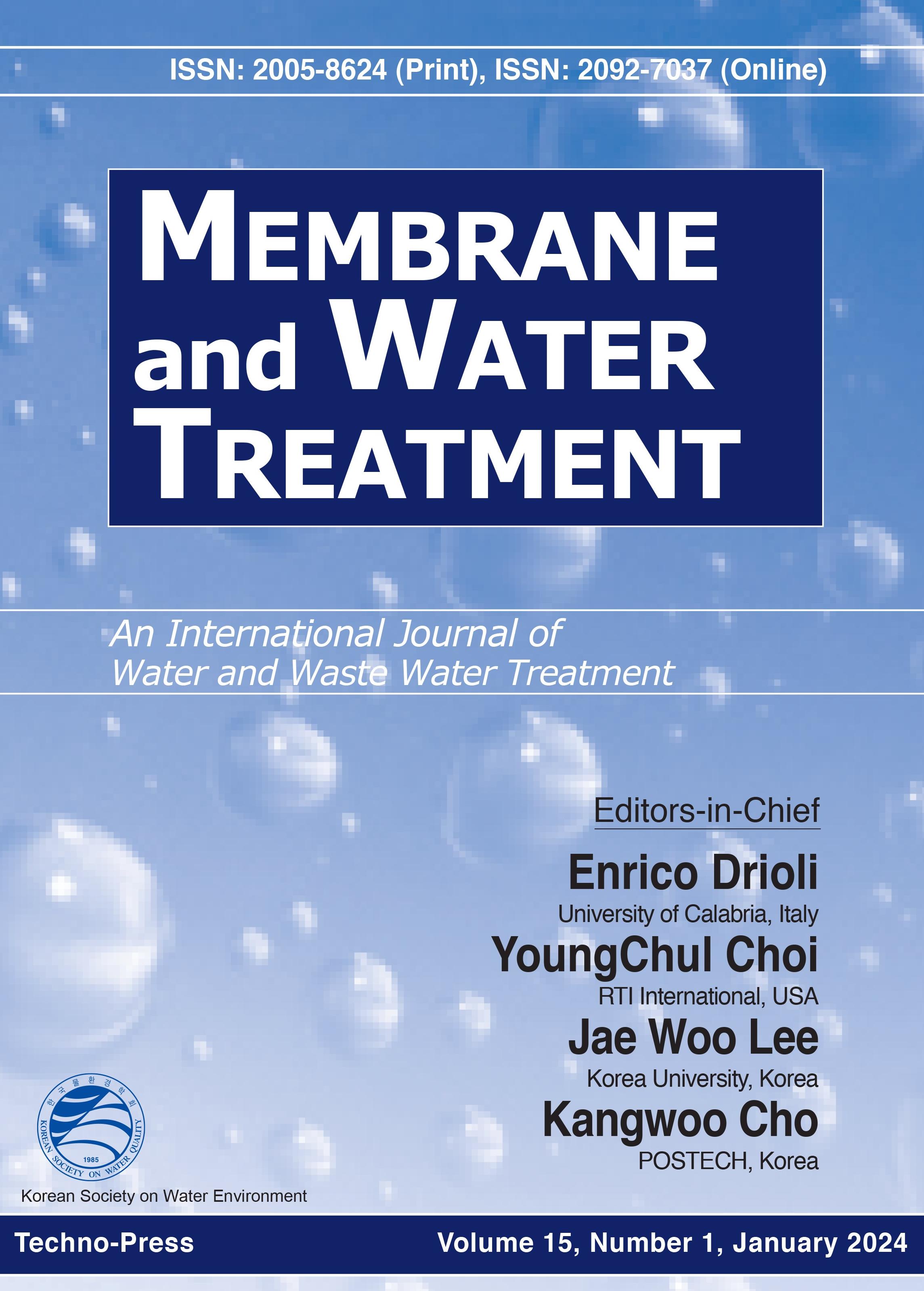
| Membrane and Water Treatment (MWT) |

|
| Smart Structures and Systems (Smart Structures and Systems) |
|
| Steel and Composite Structures, An International Journal (Steel and Composite Structures) |
|
| Structural Engineering and Mechanics, An International Journal (Structural Engineering and Mechanics) |

|
| Wind and Structures, An International Journal (Wind and Structures) |




MANUSCRIPTLINK © 2015 -
