

35th HELSINKI World Congress on Mining, Material and Metallurgical Engineering (WCM3E-26) scheduled on April 27-29, 2026 Helsinki (Finland)
WCM3E-26
- URL: https://earcee.eares.org/conference/317
- Event Date: 2026-04-27 ~ 2026-04-29
- Submission Date: 2026-04-01
- Organizer: EARCEE
- Location: Helsinki, Finland
Chemical & Material Sciences (General) Composite Materials Data Mining & Analysis Metallurgy Mining & Mineral Resources
Call for papers/Topics
Topics of interest for submission include any topics related to:
Mining Engineering
This discipline focuses on the safe, efficient, and responsible extraction of minerals and resources from the Earth.
Mineral Exploration and Evaluation:
Geology and Mineralogy: Understanding rock types, ore bodies, and mineral deposits.
Geostatistics: Applying statistical methods to estimate mineral reserves.
Exploration Techniques: Using geophysical (seismic, magnetic) and geochemical methods.
Mine Design and Planning:
Surface Mining Methods: Open-pit, strip mining, and quarrying.
* **Underground Mining Methods:** Room and pillar, cut-and-fill, longwall, and block caving.
* **Mine Ventilation and Airflow Control:** Ensuring safe air quality and temperature.
* **Rock Mechanics and Ground Control:** Analyzing rock stress and designing stable slopes and tunnels.
Mining Operations:
Drilling and Blasting: Methods for breaking up rock.
Excavation and Loading: Equipment like shovels, loaders, and draglines.
Haulage and Transportation: Trucks, conveyors, and rail systems.
Mine Safety and Health: Hazard identification, risk assessment, and regulations.
Sustainability and Environment:
Mine Waste Management: Handling and disposal of tailings and waste rock.
Mine Reclamation and Closure: Restoring the land after mining operations cease.
Acid Mine Drainage (AMD) Mitigation: Preventing and treating acidic water discharge.
Extractive (Chemical) Metallurgy and Mineral Processing
This area deals with recovering valuable minerals from the ore and refining them into a pure metal or usable material.
Mineral Processing (Mineral Dressing)
Comminution: Crushing, grinding, and milling to reduce particle size.
Classification and Screening: Separating particles by size.
Separation Techniques:
Flotation: Chemically separating valuable minerals from waste (gangue).
Gravity Separation: Using density differences (e.g., jigs, tables).
Magnetic and Electrostatic Separation: Using electrical or magnetic properties.
Dewatering: Thickening, filtering, and drying to remove water.
Extractive Metallurgy
Pyrometallurgy: Processes involving high temperatures.
Roasting and Calcination: Heating to cause chemical change.
Smelting: Melting the concentrate to separate metal from slag (waste).
Hydrometallurgy: Processes involving aqueous (water-based) solutions.
Leaching: Dissolving the metal out of the ore using chemical solutions (e.g., cyanide or acid).
Solvent Extraction and Ion Exchange: Purifying the dissolved metal solution.
Precipitation and Electrowinning: Recovering the metal from the solution.
Electrometallurgy: Processes using electrical energy, typically for refining.
Electrorefining: Using electrolysis to produce high-purity metals.
Electrowinning: Recovering metals from leach solutions.
Metallurgical Thermodynamics and Kinetics: The study of energy and rate of chemical reactions in metal production.
Physical and Mechanical Metallurgy & Materials Engineering
This domain focuses on the structure, properties, manufacturing, and performance of materials, particularly metals and alloys.
Materials Structure and Characterization:
Crystallography: Study of crystal structures (BCC, FCC, HCP).
Microstructure Analysis: Using techniques like Scanning Electron Microscopy (SEM) and X-ray Diffraction (XRD).
Phase Transformations: Changes in a material's structure with temperature or pressure (e.g., in steel).
Mechanical Properties:
Stress, Strain, and Elasticity: Analyzing material response to force.
Hardness, Toughness, and Ductility: Key mechanical measures.
Fracture and Fatigue: Understanding how materials fail under static or cyclic loading.
Creep: Deformation under constant stress at high temperatures.
Material Processing and Manufacturing:
Casting: Pouring molten metal into a mold (e.g., sand casting, die casting).
Metalworking/Forming: Shaping solid metal (e.g., forging, rolling, extrusion).
Heat Treatment: Controlled heating and cooling to change mechanical properties (e.g., annealing, quenching, tempering).
Welding and Joining: Techniques to permanently connect materials.
Powder Metallurgy: Manufacturing parts from fine metal powders.
Additive Manufacturing (3D Printing): Building parts layer by layer, often with metal alloys.
Advanced Materials and Applications:
Alloy Development: Designing new combinations of elements for specific properties (e.g., high-strength steel, aerospace aluminum alloys).
Ceramics and Glasses: Non-metallic inorganic materials.
Polymers and Composites: Materials combining two or more distinct phases (e.g., carbon fiber reinforced plastics).
Biomaterials: Materials used in medical applications.
Electronic and Magnetic Materials: Semiconductors, superconductors, etc.
Materials Degradation:
Corrosion Engineering: Preventing the deterioration of materials due to reaction with their environment (e.g., rust).
Cross-Cutting Topics
These topics span across all three main areas and address modern challenges.
Sustainability and Recycling:
Urban Mining: Recovering metals from electronic waste (e-waste).
Life Cycle Assessment (LCA): Evaluating the environmental impact from resource extraction to disposal.
Automation and Digitalization:
Industry 4.0 in Mining: Implementing sensors, data analytics, and Artificial Intelligence (AI) for optimization.
Autonomous Mining Systems: Remotely or automatically operated equipment.
Critical and Strategic Minerals:
Focus on Rare Earth Elements (REEs), lithium, and cobalt, essential for clean energy and high-tech applications.
Event Promotion

|
|
The 13th International Conference on Quantum Dots (QD 2026) |
| 2026-05-17 ~ 2026-05-22 |
|
|
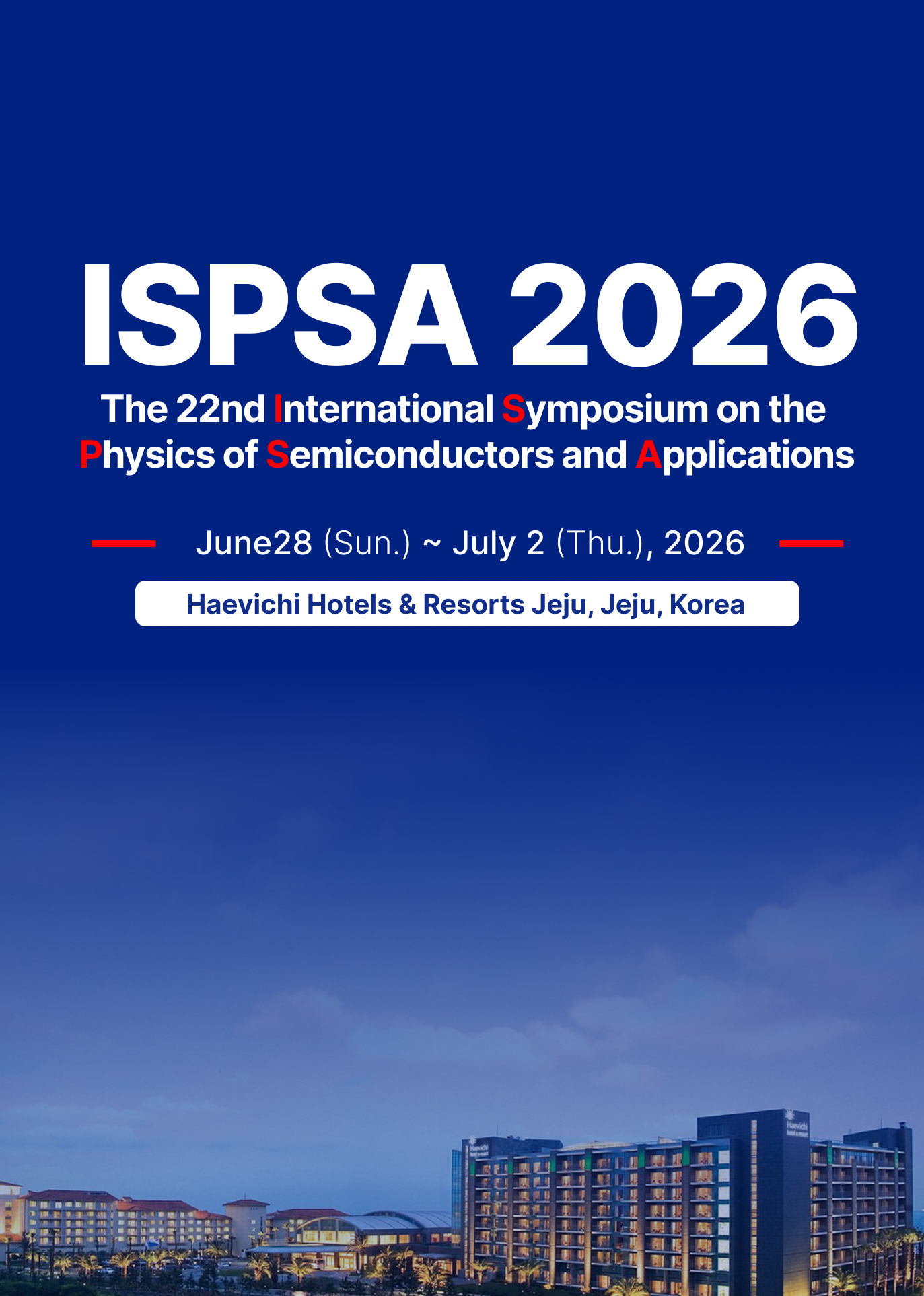
The 22nd International Symposium on the Physics of Semiconductors and Applications (ISPSA 2026) |
| 2026-06-28 ~ 2026-07-02 |

|
|
The 15th Asia-Pacific Conference on Transportation and the Environment (APTE 2026) |
| 2026-07-08 ~ 2026-07-10 |
|
|
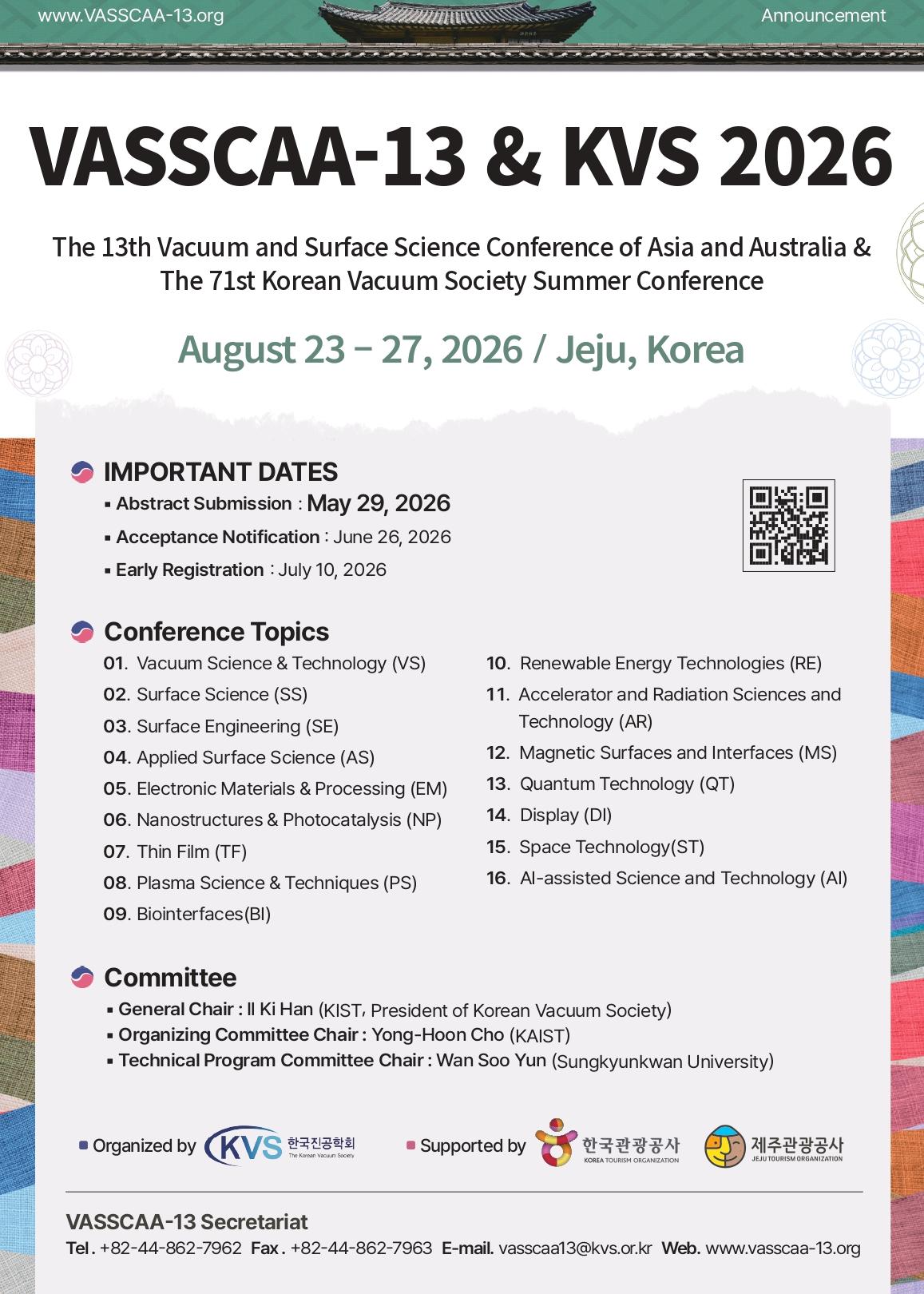
VASSCAA-13 & The 71st KVS Summer Annual Conference (VASSCAA 13) |
| 2026-08-23 ~ 2026-08-27 |
|
|
ACEM26 / Structures26 (ACEM26) |
| 2026-08-24 ~ 2026-08-25 |
Journal Promotion
|
| Acta Koreana (Acta Koreana) |
|
| Acta Via Serica (AVS) |
|
| Advances in Concrete Construction (Advances in Concrete Construction ) |

|
| Advances in Nano Research (Advances in Nano Research) |
|
| Computers and Concrete (Computers and Concrete) |
|
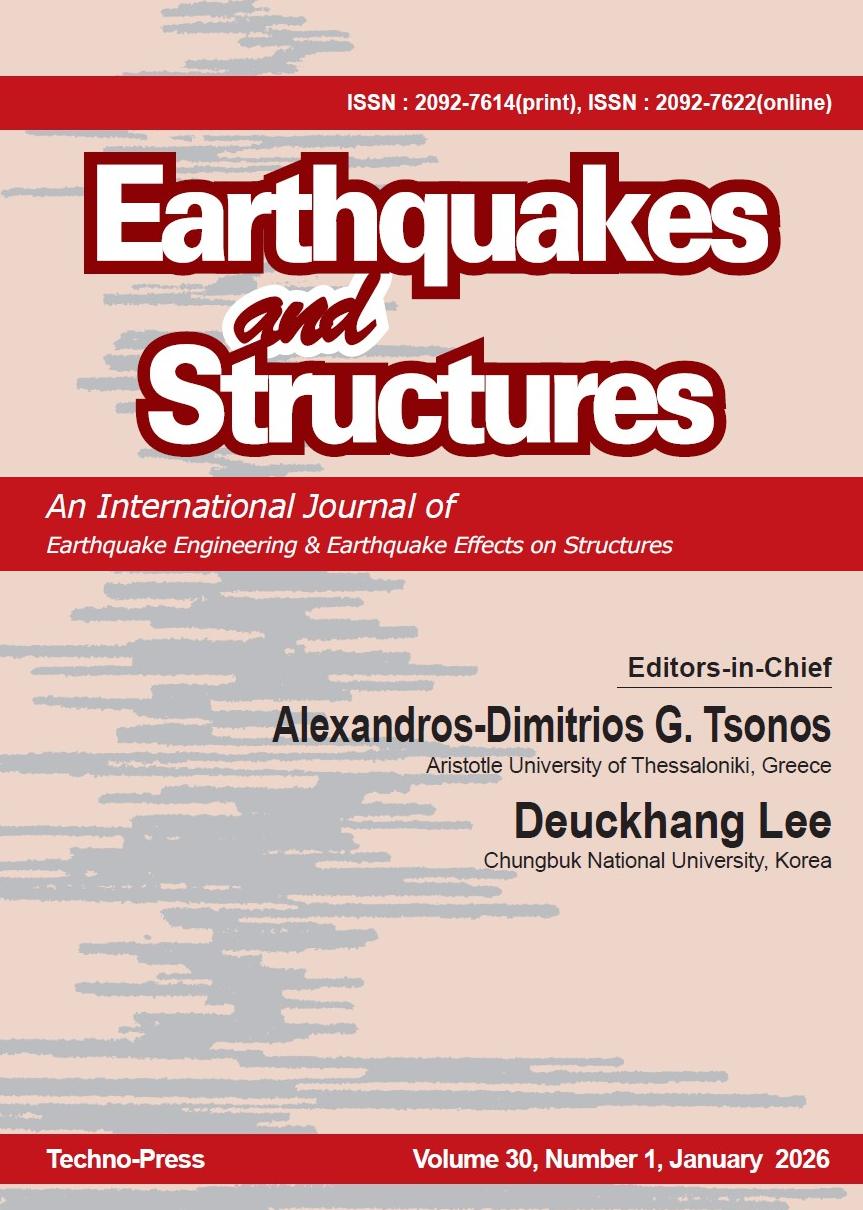
| Earthquakes and Structures, An International Journal (Earthquakes and Structures) |
|
| Geomechanics and Engineering (Geomechanics and Engineering) |
|
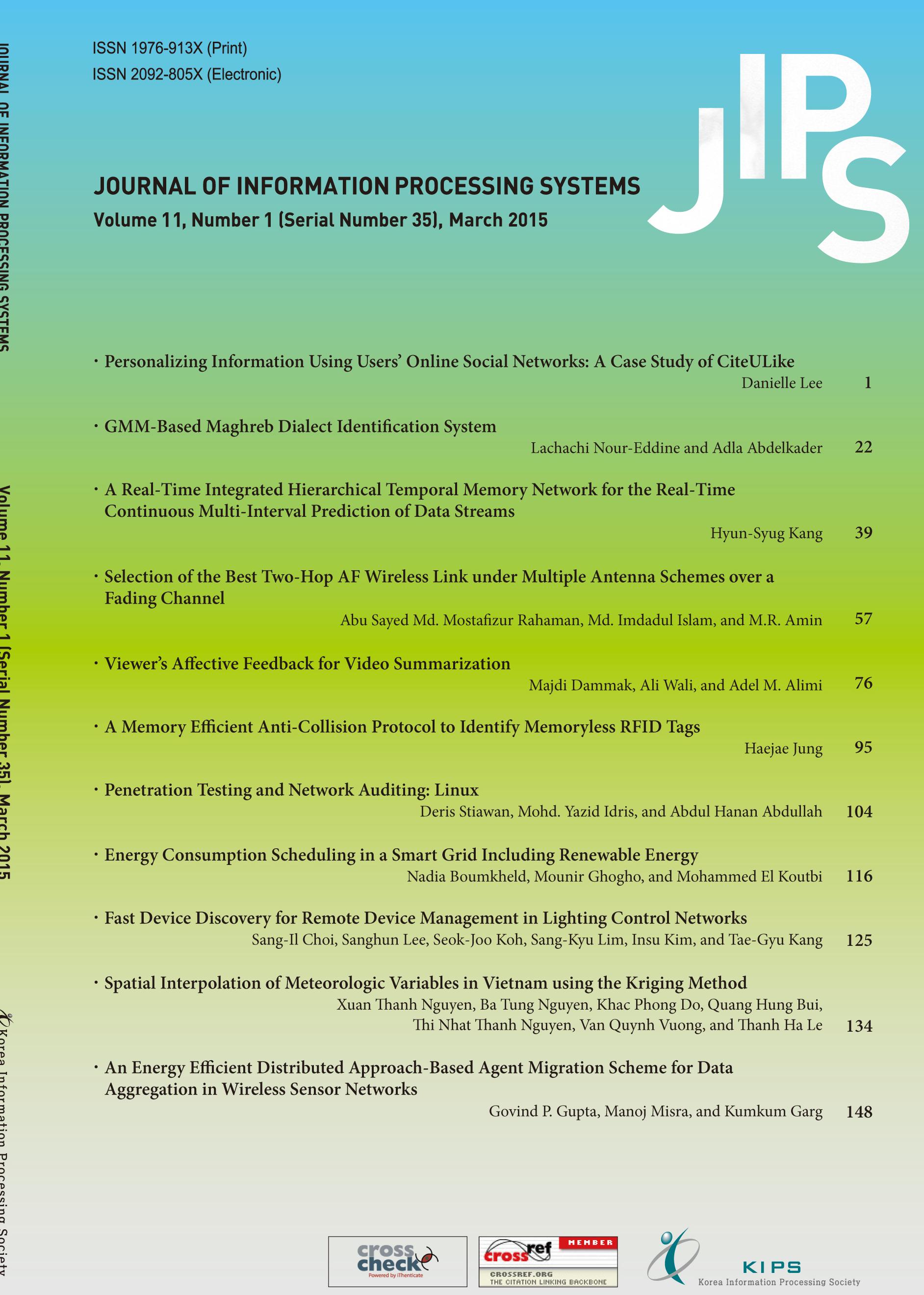
| Journal of Information Processing Systems (JIPS) |

|
| Journal of Internet Computing and Services (KSII - JICS) |
|
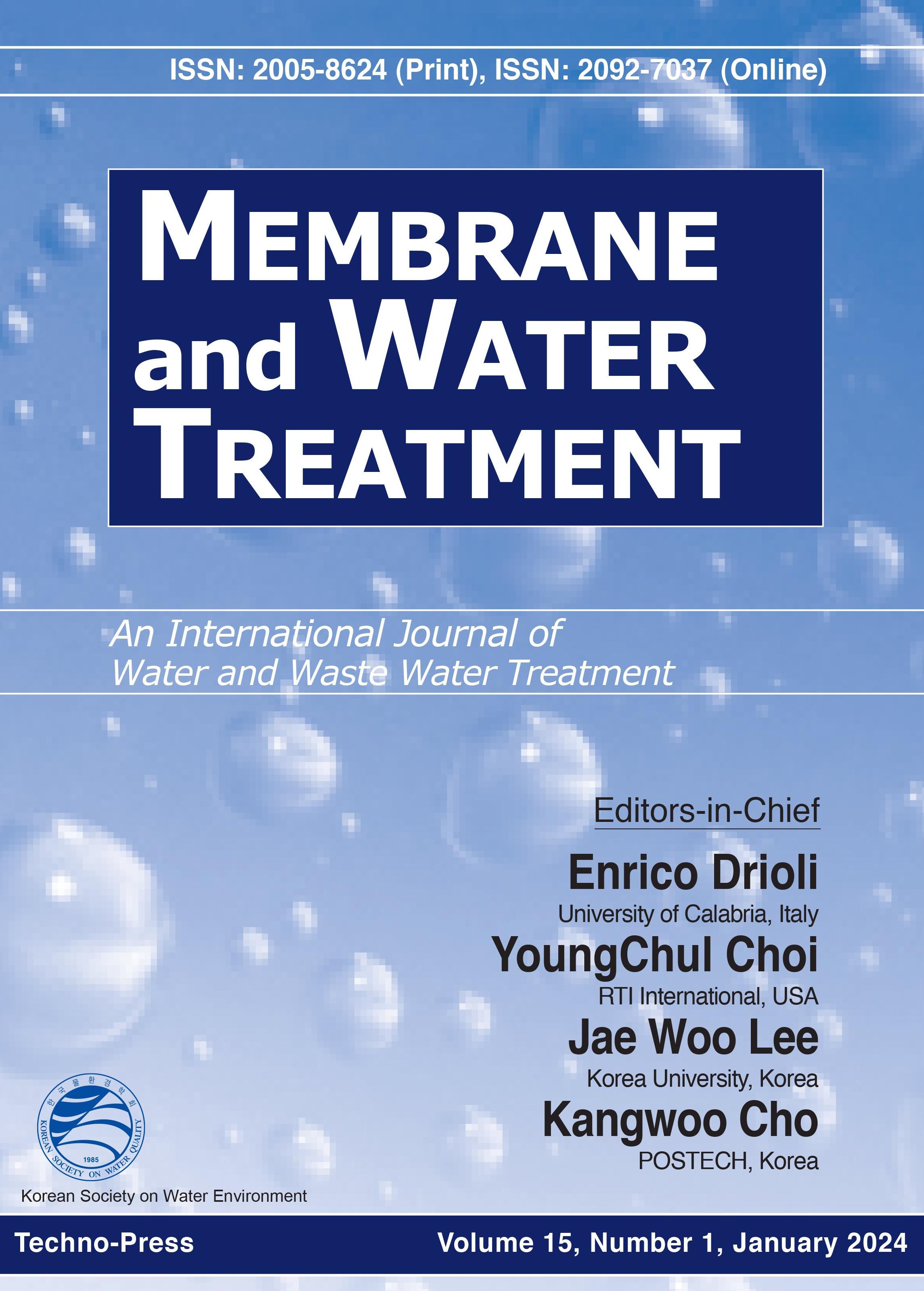
| Membrane and Water Treatment (MWT) |
|
| Smart Structures and Systems (Smart Structures and Systems) |
|
| Steel and Composite Structures, An International Journal (Steel and Composite Structures) |
|
| Structural Engineering and Mechanics, An International Journal (Structural Engineering and Mechanics) |
|
| Wind and Structures, An International Journal (Wind and Structures) |




MANUSCRIPTLINK © 2015 -
