


53rd BARCELONA International Congress on Research in Biology, Microbiology and Medical Sciences (RBMMS-26) July 15-17, 2026 Barcelona (Spain)
RBMMS-26
- URL: https://ffabs.org/conference/349
- Event Date: 2026-07-15 ~ 2026-07-17
- Submission Date: 2026-07-01
- Organizer: FFABS
- Location: Barcelona, Spain
Bioinformatics & Computational Biology Molecular Biology Cell Biology
Call for papers/Topics
Topics of interest for submission include any topics related to:
1. Biology: The Foundation of Life
Biology provides the macro and micro-scale understanding of living organisms and their environments.
Genetics & Heredity: * Molecular Genetics (DNA replication, transcription, translation).
Mendelian Genetics and population dynamics.
Epigenetics and gene regulation.
Cell Biology (Cytology):
Organelle function and cellular respiration.
Cell cycle, mitosis, and meiosis.
Cell signaling and membrane transport.
Evolutionary Biology:
Natural selection and adaptation.
Phylogenetics and the tree of life.
Ecology & Environmental Biology:
Ecosystem dynamics and biodiversity.
Conservation biology.
2. Microbiology: The Invisible World
Microbiology zooms in on microscopic organisms, many of which are the primary drivers of health and disease.
Bacteriology:
Bacterial morphology, reproduction, and metabolism.
Antibiotic resistance mechanisms.
Virology:
Viral structure, replication cycles, and pathogenesis.
Emerging zoonotic viruses.
Mycology & Parasitology:
Fungal infections (Mycoses).
Protozoa and helminths (parasitic worms).
Microbial Genetics:
Horizontal gene transfer (conjugation, transformation, transduction).
CRISPR-Cas systems in bacteria.
3. Medical Sciences: The Applied Science of Health
This field applies the principles of biology and microbiology to human health, diagnosis, and treatment.
Anatomy & Physiology:
Systemic anatomy (Skeletal, Muscular, Nervous, etc.).
Homeostatic mechanisms.
Pathology:
Cellular injury and necrosis.
Inflammation and wound healing.
Oncology (the study of cancer).
Pharmacology & Toxicology:
Pharmacokinetics (how the body affects the drug).
Pharmacodynamics (how the drug affects the body).
Immunology:
Innate vs. Adaptive immunity.
Autoimmune diseases and vaccine development.
4. Interrelated Cross-Disciplines
The most modern advancements happen where these three fields overlap.
Molecular Medicine: Using genetics (Biology) and microbiology to create targeted therapies for diseases.
Clinical Microbiology: The bridge between microbiology and medical practice, focusing on identifying pathogens in patient samples.
Biotechnology: Using microbial systems (Microbiology) to produce insulin, growth hormones, or biofuels (Biology/Medicine).
Epidemiology: The study of how diseases (Microbiology/Medicine) spread through populations (Biology/Ecology).
Bioinformatics: Using computational tools to analyze biological data, such as sequencing a pathogen's genome during a pandemic.
Event Promotion
|
|
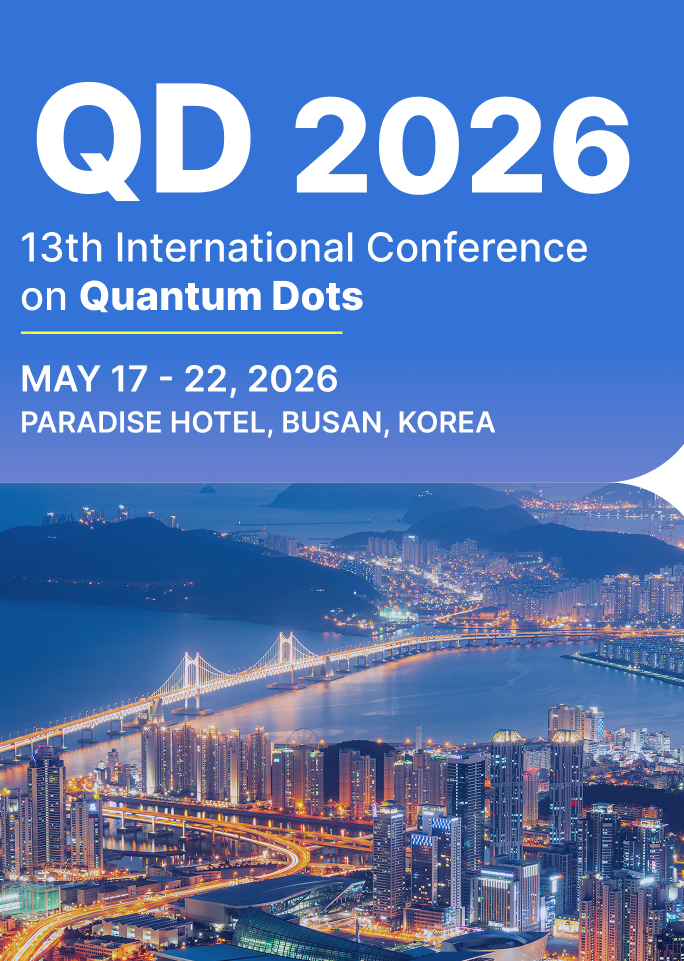
The 13th International Conference on Quantum Dots (QD 2026) |
| 2026-05-17 ~ 2026-05-22 |
|
|
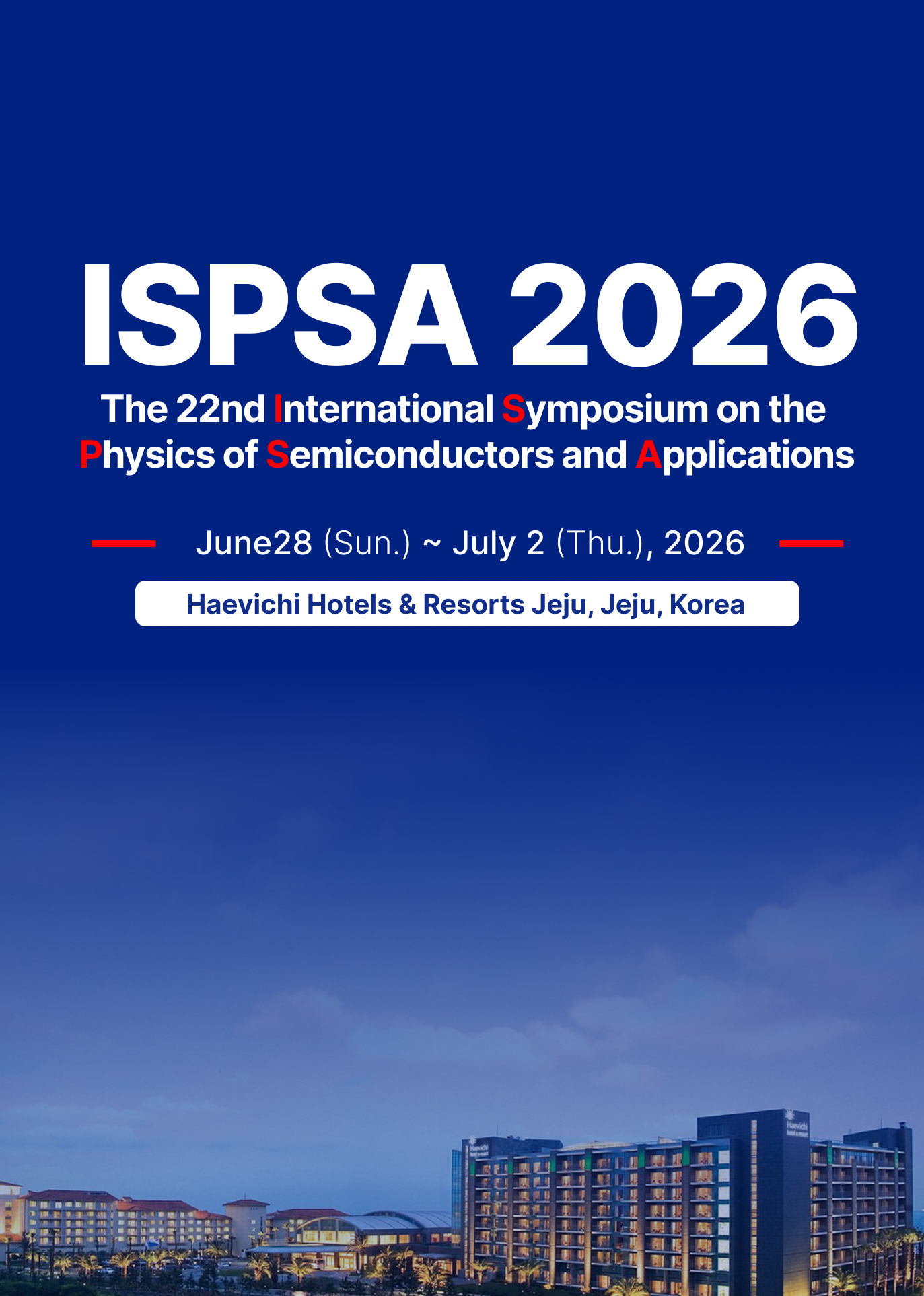
The 22nd International Symposium on the Physics of Semiconductors and Applications (ISPSA 2026) |
| 2026-06-28 ~ 2026-07-02 |

|
|
The 15th Asia-Pacific Conference on Transportation and the Environment (APTE 2026) |
| 2026-07-08 ~ 2026-07-10 |
Journal Promotion

|
| Acta Koreana (Acta Koreana) |
|
| Acta Via Serica (AVS) |

|
| Earthquakes and Structures, An International Journal (Earthquakes and Structures) |
|
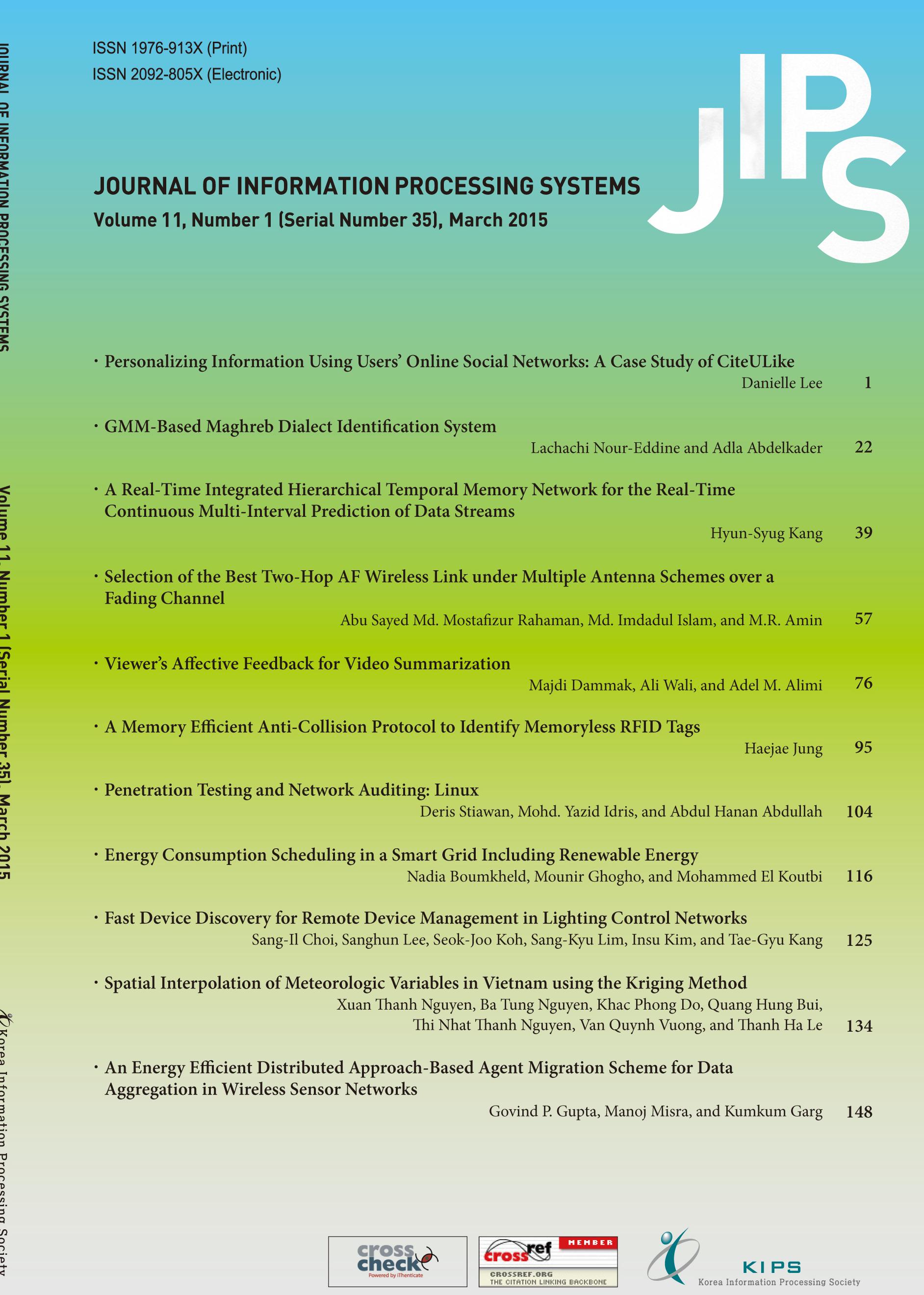
| Journal of Information Processing Systems (JIPS) |

|
| Journal of Internet Computing and Services (KSII - JICS) |
|
| Membrane and Water Treatment (MWT) |

|
| Smart Structures and Systems (Smart Structures and Systems) |



MANUSCRIPTLINK © 2015 -
