


52nd PARIS World Congress on “Biology and Medical Sciences” (WCBMS-26) scheduled on July 20-22, 2026 Paris (France)
WCBMS-26
- URL: https://cbmsr.org/conference/391
- Event Date: 2026-07-20 ~ 2026-07-22
- Submission Date: 2026-07-01
- Organizer: CBMSR
- Location: Paris, France
Biotechnology Biomedical Technology
Topics
All Abstracts, Reviews, short articles, Full articles, Posters are welcomed related with any of the following research fields:
1. Biological Sciences
These topics focus on the basic principles of life that apply to all living organisms.
Molecular Biology & Genetics
DNA replication, transcription, and translation.
Genomics and Proteomics.
Epigenetics and Gene Regulation.
Mendelian and Population Genetics.
Cell Biology (Cytology)
Organelle function and structure.
Cell signaling and communication.
Cell cycle, mitosis, and meiosis.
Metabolic pathways (Glycolysis, Krebs Cycle).
Biochemistry
Enzymology and kinetics.
Structure of macromolecules (Lipids, Proteins, Carbohydrates, Nucleic Acids).
Bioenergetics.
2. Organismal and Evolutionary Biology
These areas look at how organisms function as whole units and how they change over time.
Evolutionary Biology
Natural selection and adaptation.
Phylogenetics and the Tree of Life.
Speciation and macroevolution.
Microbiology
Bacteriology (Study of bacteria).
Virology (Study of viruses).
Mycology (Study of fungi) and Parasitology.
Physiology and Anatomy
Comparative anatomy.
Homeostasis and feedback loops.
Organ systems (Skeletal, Muscular, Circulatory, etc.).
3. Medical Sciences (Clinical and Human-Centric)
This branch applies biological knowledge specifically to human health, diagnosis, and treatment.
Pathology and Pathophysiology
Mechanisms of disease.
Histology (Microscopic tissue analysis).
Inflammation and wound healing.
Pharmacology and Toxicology
Pharmacokinetics (How the body affects the drug).
Pharmacodynamics (How the drug affects the body).
Drug development and clinical trials.
Immunology
Innate vs. Adaptive immunity.
Autoimmune disorders.
Vaccinology and immunotherapy.
Neuroscience
Neuroanatomy and neurochemistry.
Cognitive and behavioral neuroscience.
Neurodegenerative diseases (Alzheimer’s, Parkinson’s).
4. Interrelated and Applied Fields
These disciplines bridge the gap between pure biology and practical medical application.
Biomedical Engineering
Prosthetics and tissue engineering.
Medical imaging technology (MRI, CT scans).
Bioinformatics and Computational Biology
Big data analysis in healthcare.
Modeling biological systems.
Epidemiology and Public Health
Infectious disease tracking.
Biostatistics.
Environmental health and social medicine.
Biotechnology
CRISPR and gene editing.
Stem cell research and regenerative medicine.
Synthetic biology.
Event Promotion
|
|
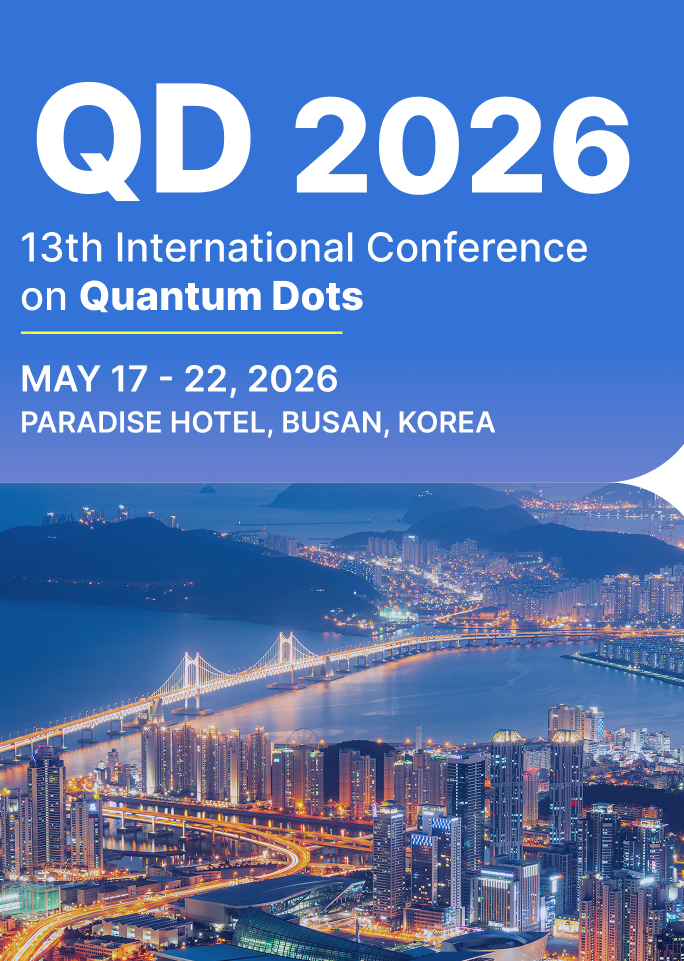
The 13th International Conference on Quantum Dots (QD 2026) |
| 2026-05-17 ~ 2026-05-22 |
|
|
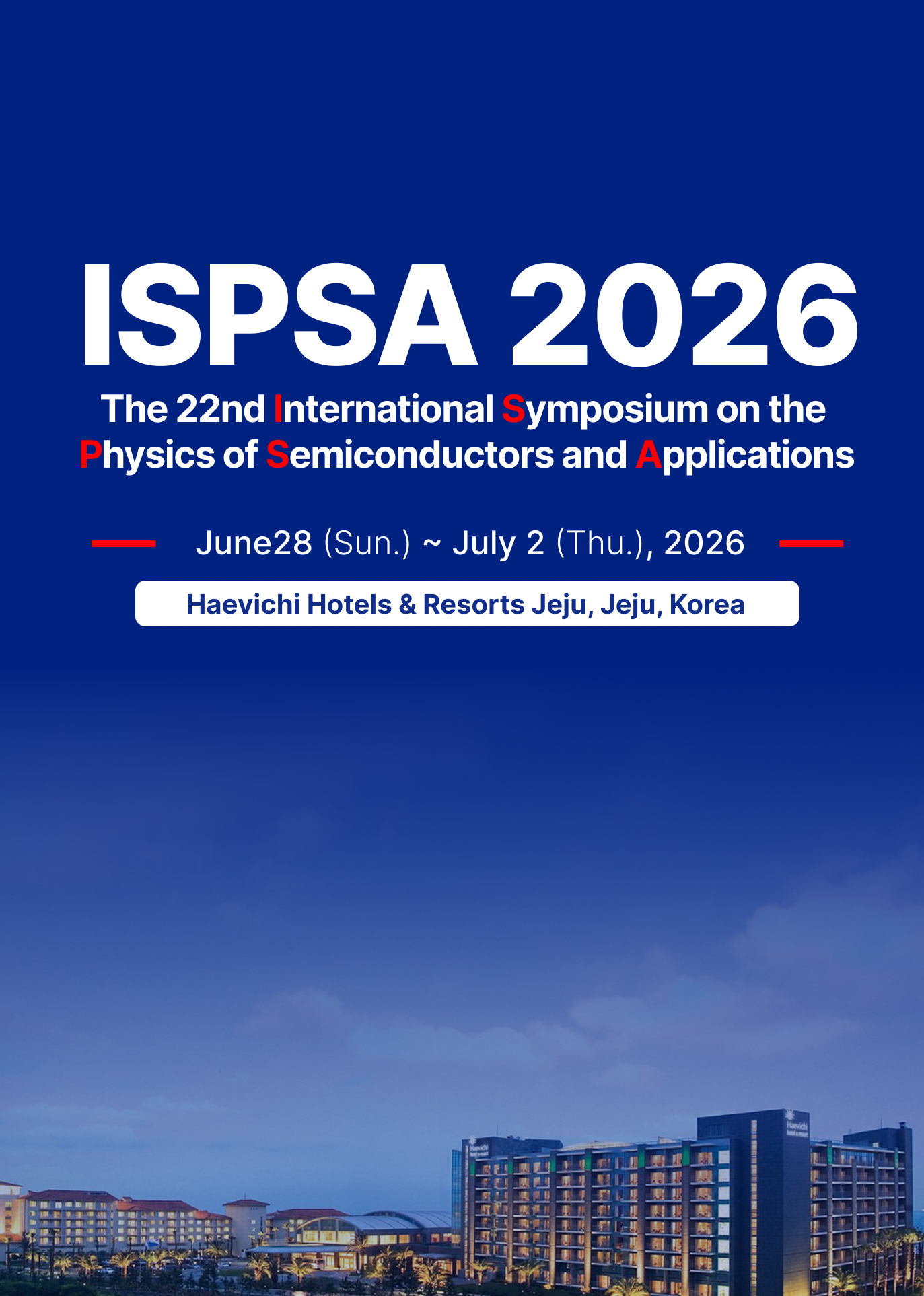
The 22nd International Symposium on the Physics of Semiconductors and Applications (ISPSA 2026) |
| 2026-06-28 ~ 2026-07-02 |

|
|
The 15th Asia-Pacific Conference on Transportation and the Environment (APTE 2026) |
| 2026-07-08 ~ 2026-07-10 |

|
|
ACEM26 / Structures26 (ACEM26) |
| 2026-08-24 ~ 2026-08-25 |
Journal Promotion

|
| Acta Koreana (Acta Koreana) |
|
| Acta Via Serica (AVS) |
|
| Computers and Concrete (Computers and Concrete) |

|
| Earthquakes and Structures, An International Journal (Earthquakes and Structures) |

|
| Geomechanics and Engineering (Geomechanics and Engineering) |
|
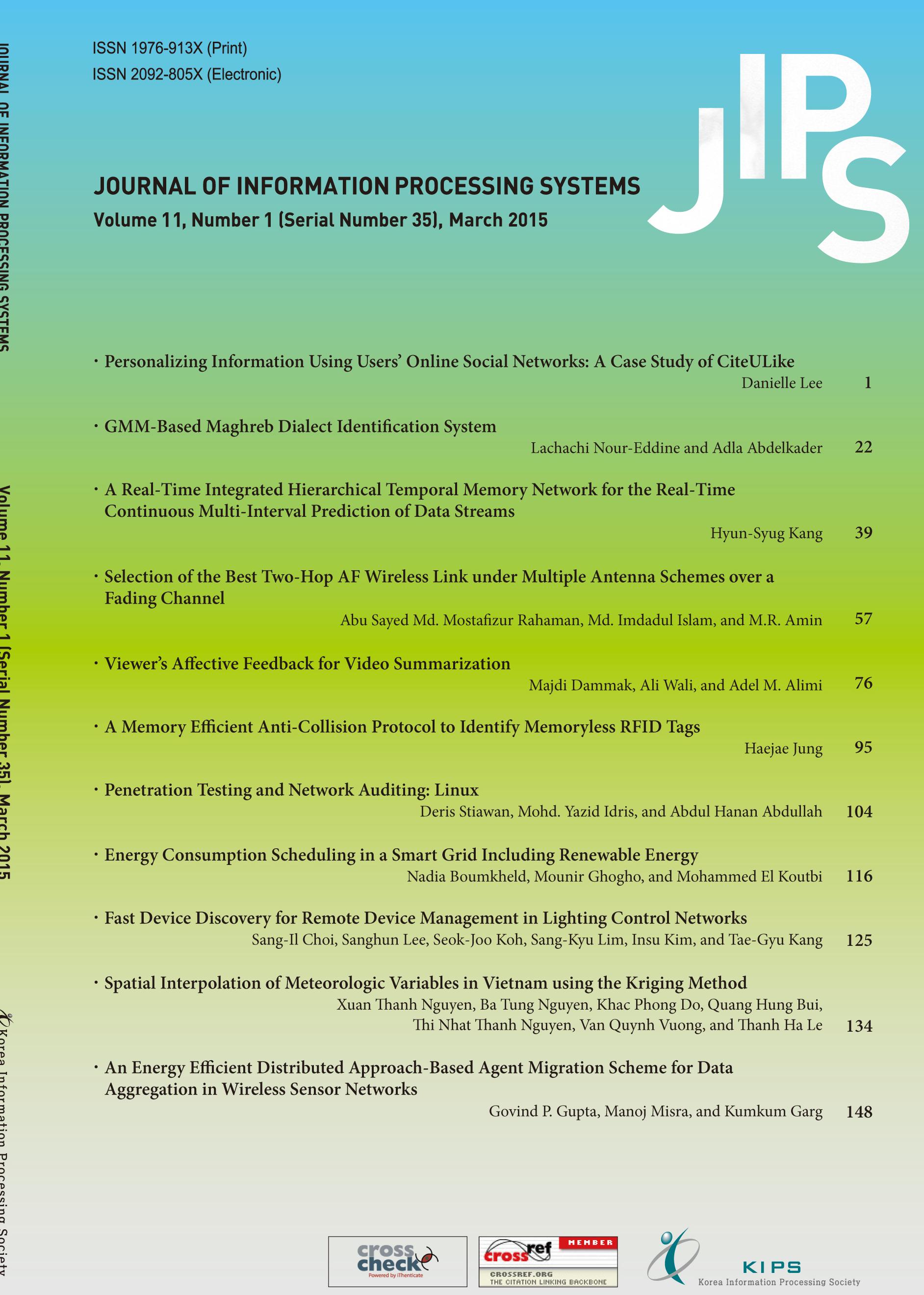
| Journal of Information Processing Systems (JIPS) |

|
| Journal of Internet Computing and Services (KSII - JICS) |
|
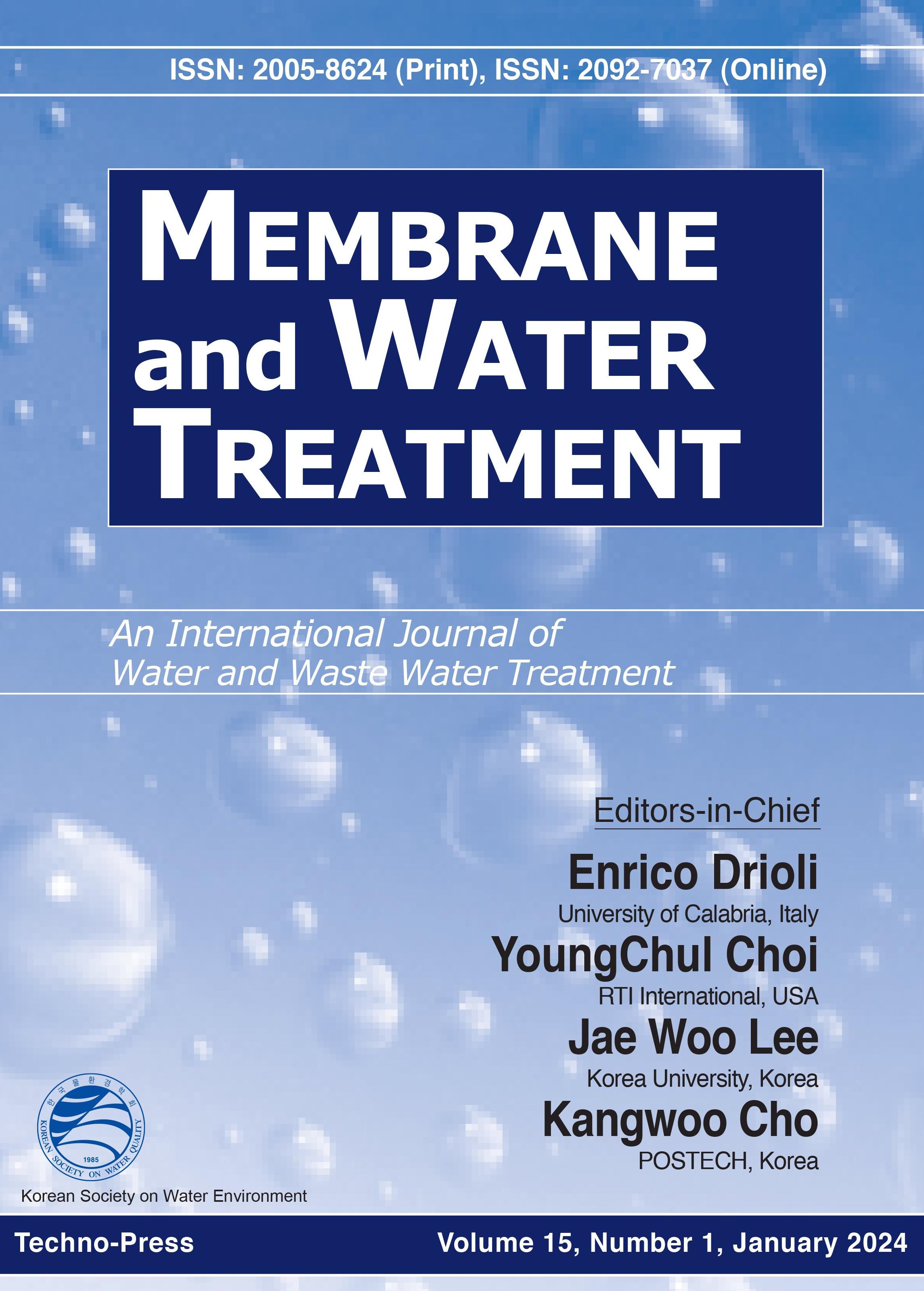
| Membrane and Water Treatment (MWT) |

|
| Smart Structures and Systems (Smart Structures and Systems) |

|
| Steel and Composite Structures, An International Journal (Steel and Composite Structures) |

|
| Structural Engineering and Mechanics, An International Journal (Structural Engineering and Mechanics) |

|
| Wind and Structures, An International Journal (Wind and Structures) |



MANUSCRIPTLINK © 2015 -
