

ROME 7th World Conference on “Chemical Engineering, Bioscience & Environmental Sustainability" (RCEBES-27) scheduled on June 23-25, 2027 Rome (Italy)
RCEBES-27
- URL: https://www.earbm.org/conference/372
- Event Date: 2027-06-23 ~ 2027-06-25
- Submission Date: 2027-06-01
- Organizer: EARBM
Chemical & Material Sciences (General)
Topics
All Abstracts, Reviews, short articles, Full articles, Posters are welcomed related with any of the following research fields:
1. Advanced Bioprocess Engineering & Industrial Biotechnology
Focuses on converting biological material into high-value products using engineered biological agents and scale-up chemical engineering principles.
Upstream Processing & Strain Engineering
Metabolic engineering and synthetic biology
Directed evolution and gene editing (CRISPR-Cas) for high-yield strains
Feedstock selection and non-food biomass preparation
Bioreactor Design & Transport Phenomena
Mixing, mass transfer, and oxygenation dynamics in large-scale vessels
Continuous, batch, and fed-batch fermentation architectures
Heat integration and energy efficiency in bioprocesses
Downstream Processing & Separation Operations
Cell disruption, centrifugation, and microfiltration techniques
High-throughput chromatography and membrane separations
Bio-based crystallization and drying technologies
2. Circular Economy & Sustainable Resource Recovery
Interconnects chemical separation techniques, micro-biology, and life-cycle analysis to close material loops and reduce waste streams.
Biomass Valorization & Biorefineries
Lignocellulosic biomass fractionation and enzymatic hydrolysis
Synthesis of bio-based monomers, polymers, and platform chemicals
Conversion of agricultural and food waste into value-added biochemicals
Resource Extraction from Waste Streams
Biological and chemical nutrient recovery (nitrogen and phosphorus)
Urban mining and biohydrometallurgy for critical metals/rare earth elements
Microalgae-based wastewater treatment integrated with bio-fertilizer production
Carbon Capture, Utilization, and Storage (CCUS)
Chemical solvent absorption and solid sorbent adsorption of carbon dioxide
Biological carbon fixation via microalgae, cyanobacteria, and autotrophs
Electro- and photo-catalytic reduction of carbon dioxide into synthetic fuels
3. Green Chemical Engineering & Process Intensification
Examines how chemical processes can be redesigned at the molecular and system levels to be inherently safer, less resource-intensive, and non-polluting.
Sustainable Catalysis & Reaction Engineering
Enzyme immobilization and biocatalytic process development
Earth-abundant metal catalysts for green synthesis
Photocatalysis and electrocatalysis driven by renewable electricity
Alternative Solvents & Green Chemistry
Ionic liquids, deep eutectic solvents, and supercritical fluids
Solvent-free reaction routes and mechanochemistry
Biodegradable surfactant design and emulsification chemistry
Process Intensification Technologies
Microfluidic reactors and continuous-flow chemical synthesis
Membrane reactors and reactive distillation
Microwave-, ultrasound-, and plasma-assisted chemical processes
4. Environmental Biotechnology & Ecosystem Remediation
Applies biological agents and biochemical mechanisms to clean, restore, and monitor degraded environments.
Bioremediation & Phytoremediation
Microbial degradation of persistent organic pollutants (PFAS, microplastics, pesticides)
Heavy metal bioaccumulation and phytostabilization
Microbial fuel cells and bio-electrochemical remediation systems
Advanced Water & Wastewater Treatment
Anaerobic membrane bioreactors (AnMBR) for energy-positive wastewater processing
Advanced oxidation processes (AOPs) paired with biological polishing
Biofilm dynamics, quorum sensing, and bio-fouling mitigation
Soil Health & Environmental Microbiomes
Bio-fertilizers, bio-pesticides, and plant-microbe interaction modeling
Carbon sequestration dynamics in soils and coastal wetlands
Biosensors for real-time environmental pollutant monitoring
5. Life-Cycle Assessment, Systems Integration & Renewable Energy
Connects engineering outputs with broader ecosystem health, energy systems, and sustainability metrics.
Systems Ecology & Environmental Metrics
Life Cycle Assessment (LCA) and Techno-Economic Analysis (TEA) for novel bioprocesses
Cradle-to-cradle product design and supply chain sustainability modeling
Planetary boundaries and chemical impact assessments
Bioenergy & Sustainable Fuel Systems
Bio-hydrogen production via dark fermentation and photo-fermentation
Advanced biofuels (cellulosic ethanol, synthetic aviation fuels, biodiesel)
Biogas purification, upgrading, and biomethane network integration
Ecotoxicology & Risk Assessment
Environmental fate, transport, and bioaccumulation of engineered nanomaterials
Ecotoxicological impacts of synthetic biology products and GMOs
Predictive toxicology models for new chemical development
Journal Promotion

|
| Acta Koreana (Acta Koreana) |

|
| Acta Via Serica (AVS) |
|
| Advances in Concrete Construction (Advances in Concrete Construction ) |

|
| Advances in Nano Research (Advances in Nano Research) |
|
| Computers and Concrete (Computers and Concrete) |
|
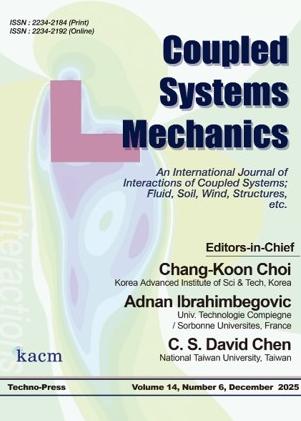
| Coupled Systems Mechanics (Coupled Systems Mechanics) |

|
| Earthquakes and Structures, An International Journal (Earthquakes and Structures) |
|
| Geomechanics and Engineering (Geomechanics and Engineering) |
|
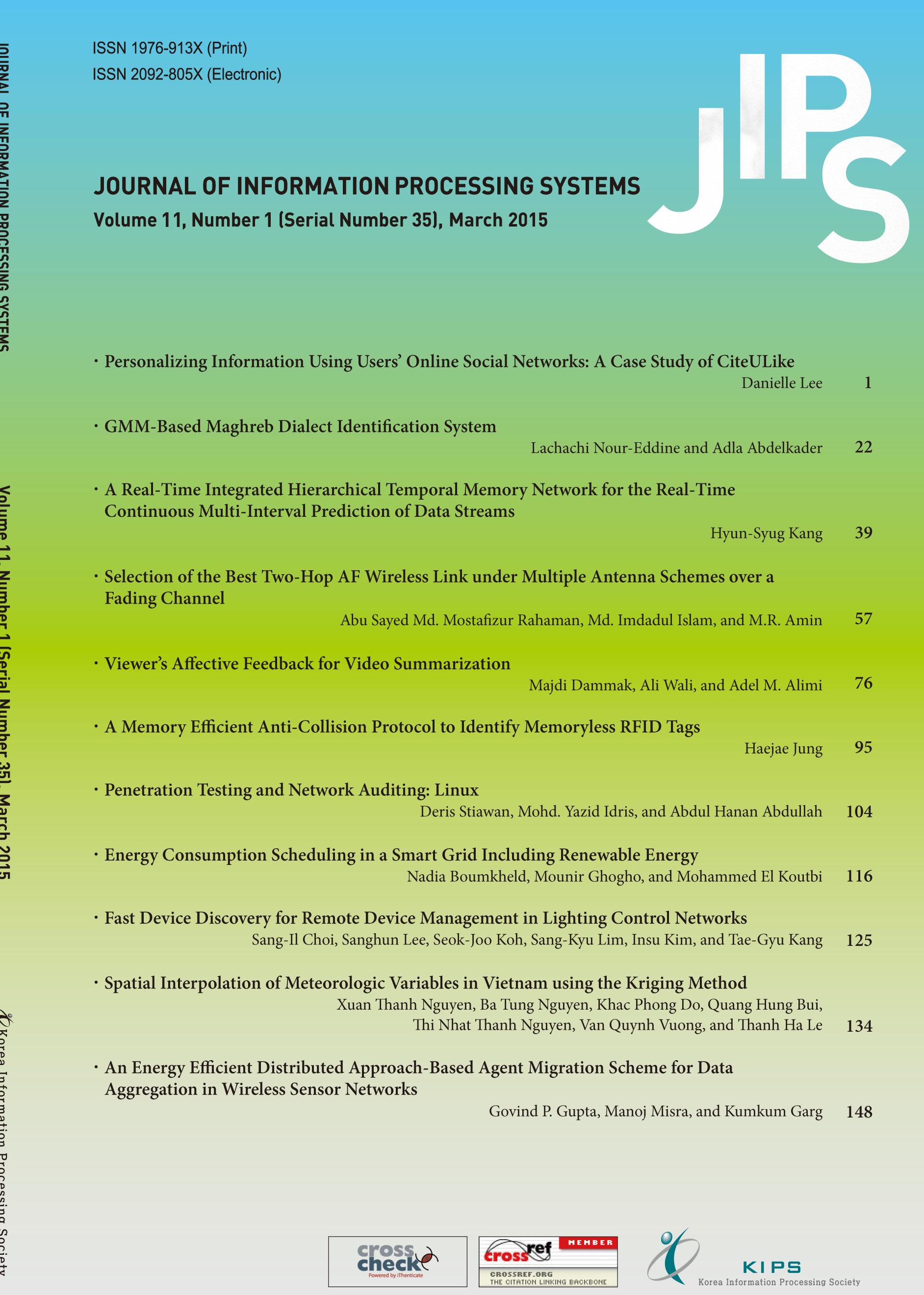
| Journal of Information Processing Systems (JIPS) |

|
| Journal of Internet Computing and Services (KSII - JICS) |
|
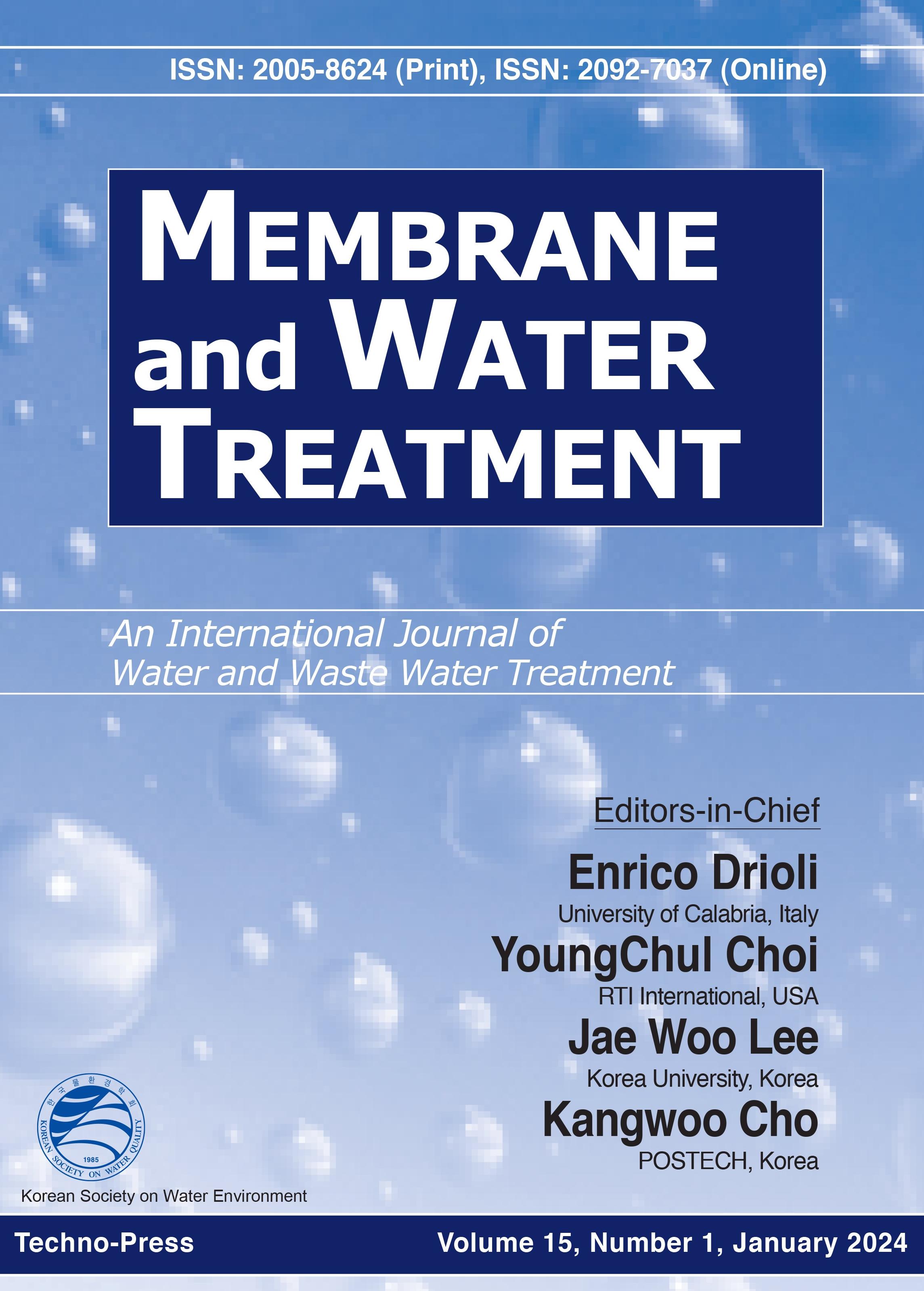
| Membrane and Water Treatment (MWT) |
|
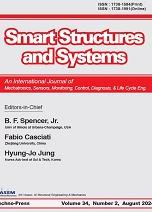
| Smart Structures and Systems (Smart Structures and Systems) |
|
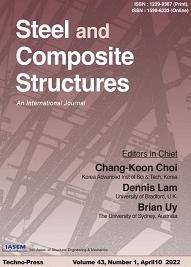
| Steel and Composite Structures, An International Journal (Steel and Composite Structures) |
|
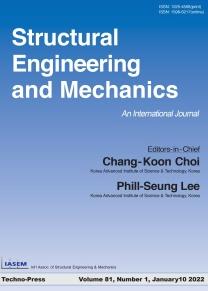
| Structural Engineering and Mechanics, An International Journal (Structural Engineering and Mechanics) |

|
| Wind and Structures, An International Journal (Wind and Structures) |




MANUSCRIPTLINK © 2015 -
