


44th PRAGUE International Conference on Advances in Engineering Systems (PAES-26) July 27-29, 2026 Prague (Czech Republic)
PAES-26
- URL: https://iceeat.heaig.org/conference/377
- Event Date: 2026-07-27 ~ 2026-07-29
- Submission Date: 2026-07-01
- Organizer: ICEEAT
- Location: Prague, Czech Republic
Materials Engineering Engineering & Computer Science (General) Materials Engineering
Call for papers/Topics
Full Articles/ Reviews/ Shorts Papers/ Abstracts are welcomed in the following research fields:
1. Digital & Intelligent Systems
The primary driver of modern engineering is the shift from "writing code" to "expressing intent," where AI autonomously optimizes designs.
Generative Engineering & AI-Driven Design
Automated code compliance and structural stress testing.
Natural language CAD modeling (text-to-3D).
Topology optimization for material reduction.
Digital Twins & Virtual Simulation
Real-time "mirroring" of physical assets for predictive maintenance.
GPU-accelerated 3D navigation and modeling.
Cloud 3.0: Hybrid and sovereign cloud architectures for AI scalability.
Cyber-Physical Security
Zero-Trust security models for smart grids and autonomous fleets.
AI-powered threat detection for industrial control systems.
Post-quantum cryptography to secure engineering data.
2. Infrastructure & Civil Engineering (Smart Cities)
Civil engineering has evolved to focus on "living" structures that can sense, adapt, and repair themselves.
Advanced Sustainable Materials
Self-healing concrete (using embedded bacteria or healing agents).
Self-healing asphalt with conductive fibers.
Carbon-negative building materials and bio-concrete.
Smart Infrastructure
Civil Information Modeling (CIM) for horizontal infrastructure.
Fiber-optic sensors for real-time stress and seismic monitoring in high-rises.
Intelligent water and waste management systems.
Resilient Urban Planning
Modular and 3D-printed construction.
Digital twin-based urban flood and heatwave simulation.
Integration of IoT into public transit and smart grids.
3. Mechanical & Robotics
Mechanical engineering is increasingly defined by mechatronics and autonomy, moving from rigid machines to adaptive systems.
Autonomous Systems & Mobility
Level 4 and 5 autonomous vehicle powertrains and thermal management.
Drone delivery networks and advanced rail systems.
In-road wireless charging for electric vehicles (EVs).
Advanced Robotics
Biohybrid robots (combining living muscle tissue with 3D-printed frames).
Hyper-automation of industrial assembly lines.
Soft robotics for surgical and disaster-relief environments.
Aerospace & Defense
Shape-memory alloys for morphing aircraft wings and landing gear.
UAV (Unmanned Aerial Vehicle) autonomous flight technologies.
Miniaturized satellite technology and lunar base engineering.
4. Energy & Environmental Engineering
The transition to "Green Engineering" is no longer an elective but a core requirement across all disciplines.
Next-Generation Energy Storage
Solid-state batteries (replacing lithium-ion for safer, faster charging).
Energy harvesting (piezoelectric fabrics and surfaces).
Microgrids and localized energy networks.
Sustainable Power Systems
Organic and transparent solar panels.
Hydrogen fuel cell optimization.
Smart grid load forecasting and fault detection using AI.
Environmental Remediation
Advanced water purification using nanomaterials.
Aerogels for oil spill clean-up and high-performance insulation.
Carbon capture and storage (CCS) engineering.
5. Biomedical & Materials Science
Engineering at the micro and nano scale is revolutionizing healthcare and material properties.
Biomedical Engineering
Bio-integrated materials (mimicking skin and muscle).
Electric bandages for accelerated wound healing.
3D bioprinting of tissues and organs.
AI-powered prosthetic limbs (e.g., the "Esper Hand").
Nanotechnology & Metamaterials
Metamaterials for 5G/6G signal enhancement and "invisibility" cloaking.
Nano-scale drug delivery systems.
Phase-change materials for thermal energy storage.
Human-Machine Interaction
Brain-Computer Interfaces (BCIs) for rehabilitation and control.
Extended Reality (XR) for remote surgical and engineering collaboration.
Event Promotion

|
|
The 13th International Conference on Quantum Dots (QD 2026) |
| 2026-05-17 ~ 2026-05-22 |
|
|
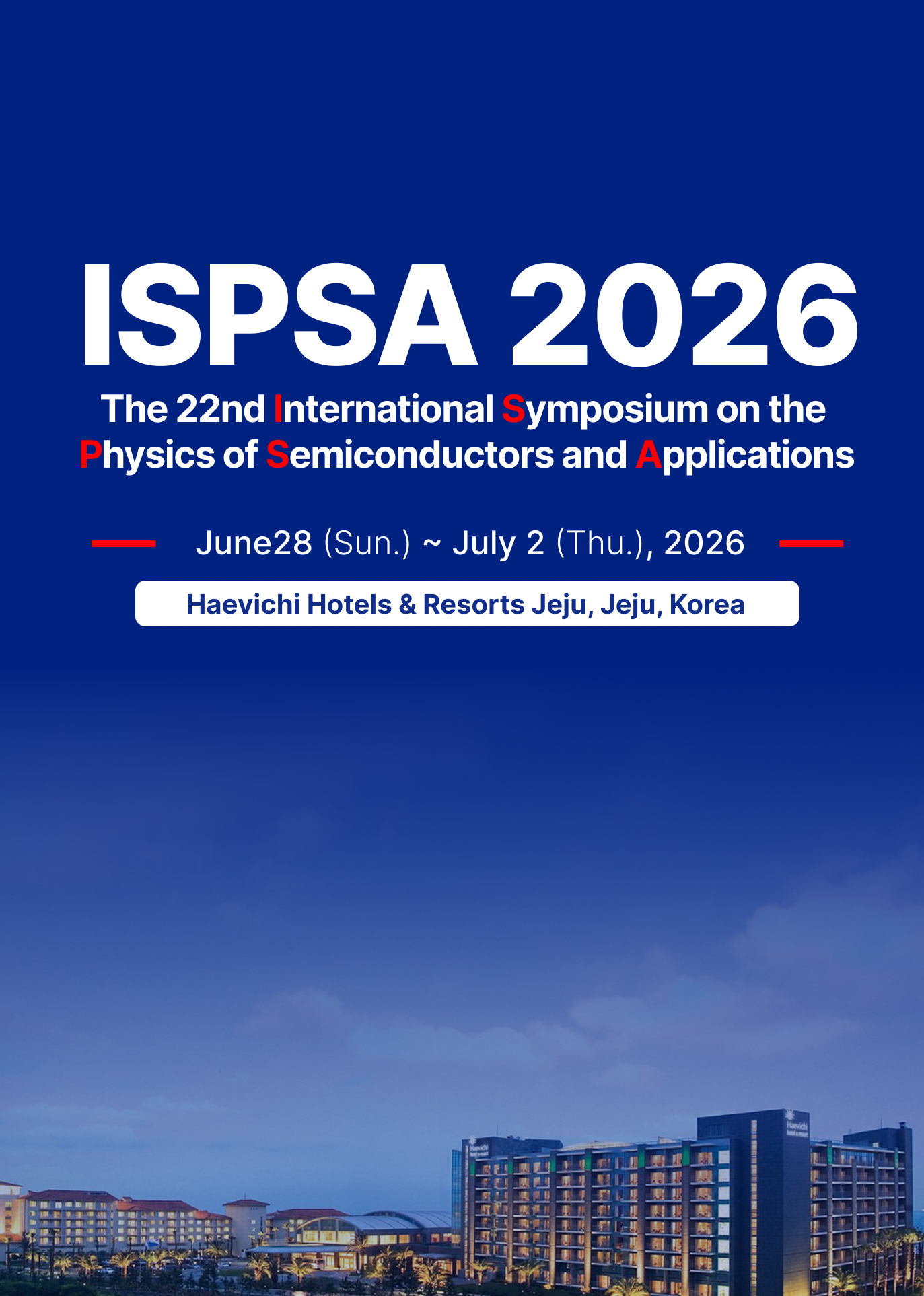
The 22nd International Symposium on the Physics of Semiconductors and Applications (ISPSA 2026) |
| 2026-06-28 ~ 2026-07-02 |

|
|
The 15th Asia-Pacific Conference on Transportation and the Environment (APTE 2026) |
| 2026-07-08 ~ 2026-07-10 |
Journal Promotion

|
| Acta Koreana (Acta Koreana) |

|
| Acta Via Serica (AVS) |

|
| Earthquakes and Structures, An International Journal (Earthquakes and Structures) |
|
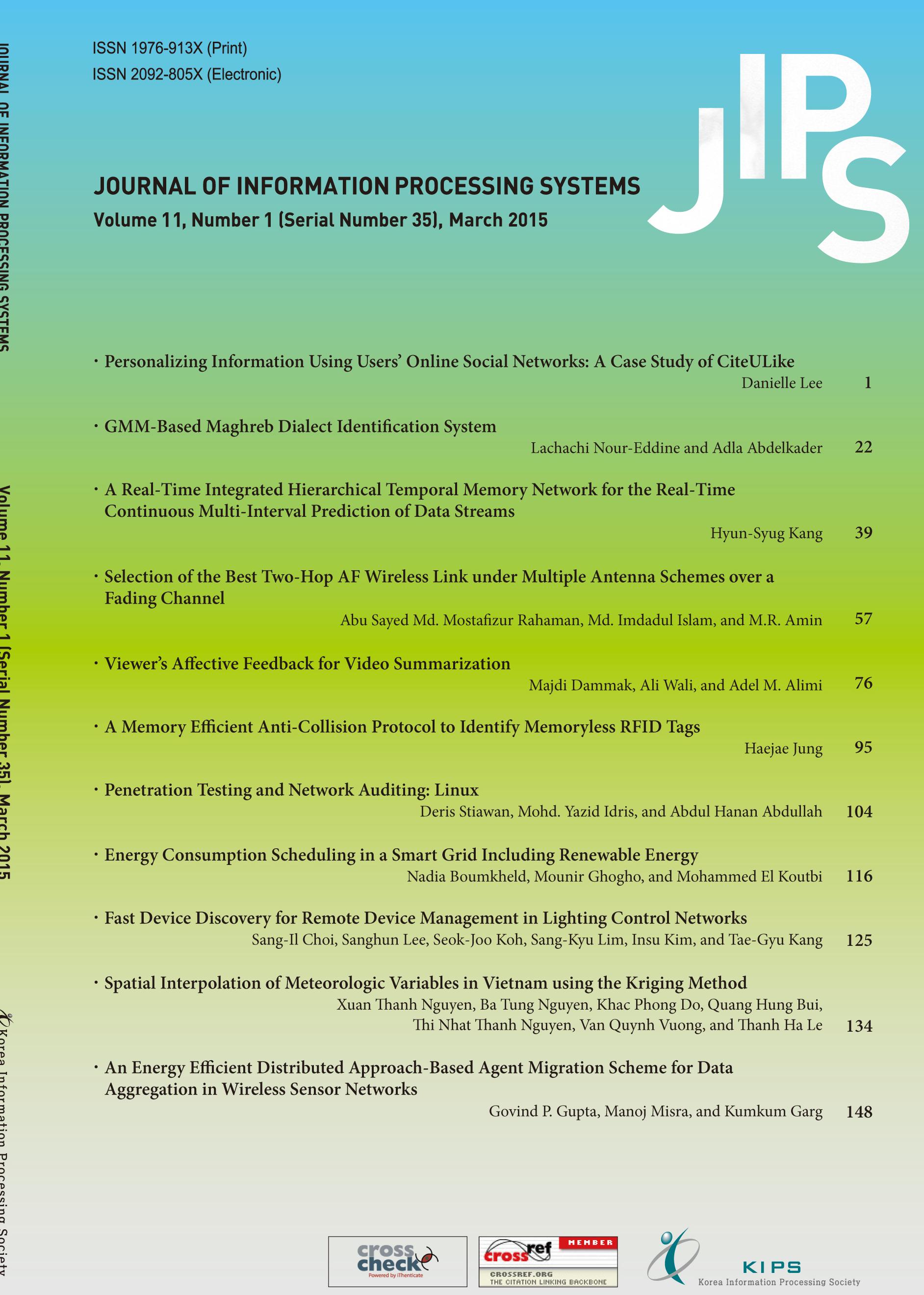
| Journal of Information Processing Systems (JIPS) |

|
| Journal of Internet Computing and Services (KSII - JICS) |

|
| Membrane and Water Treatment (MWT) |

|
| Smart Structures and Systems (Smart Structures and Systems) |




MANUSCRIPTLINK © 2015 -
