


55th AMSTERDAM International Conference on Law & Justice Studies (ICLJS-26)
ICLJS-26
- URL: https://belrg.dirpub.org/conference/468
- Event Date: 2026-07-06 ~ 2026-07-08
- Submission Date: 2026-07-01
- Organizer: BELRG
- Location: Amsterdam, Netherlands
Technology Law Criminology, Criminal Law & Policing Environmental Law & Policy European Law International Law Law Technology Law
Call for papers/Topics
Full Articles/ Reviews/ Shorts Papers/ Abstracts are welcomed in the following research fields:
1. Foundations of Law and Legal Theory
This area focuses on the "why" and "how" of legal systems, exploring the philosophical origins and the structural design of law.
Jurisprudence (Philosophy of Law):
Natural Law vs. Legal Positivism.
Legal Realism and Critical Legal Studies.
Feminist and Race-Based Legal Theory.
Legal History:
Evolution of Common Law and Civil Law systems.
The Western Legal Tradition (Magna Carta to Modern Constitutions).
History of the U.S. Penal Culture.
Social & Political Philosophy:
The Social Contract (Locke, Rousseau, Hobbes).
Concepts of Liberty, Equality, and Social Justice.
Democratic Theory and the Rule of Law.
2. Criminal Justice and Criminology
This branch deals specifically with crime, the behavior of criminals, and the state’s response to illegal acts.
Substantive Criminal Law:
Elements of a Crime ($Actus Reus$ and $Mens Rea$).
Categories of Offenses (Homicide, Property Crimes, Public Order).
Defenses and Mitigation (Self-defense, Insanity, Duress).
Criminology:
Theories of Deviance (Biological, Psychological, and Sociological).
Victimology and Restorative Justice.
White-Collar, Organized, and Cyber Crime.
The Penal System (Corrections):
The Philosophy of Punishment (Retribution vs. Rehabilitation).
Prison Administration and Inmate Rights.
Community Corrections: Probation and Parole.
3. Public Law and Government Institutions
This explores the relationship between the individual and the state, as well as the internal workings of government power.
Constitutional Law:
Separation of Powers and Federalism.
Civil Rights and Liberties (First Amendment, Privacy, Due Process).
Judicial Behavior and the Supreme Court.
Administrative Law:
The Regulatory State and Agency Power.
Public Policy and Legislative Processes.
Government Secrecy and Transparency.
International Law:
Human Rights and Global Justice.
War Crimes, Genocide, and Mass Atrocities.
Law of the Sea and Environmental Treaties.
4. Private Law and Civil Justice
This covers the rules governing disputes between private individuals or organizations.
Torts and Liability:
Negligence and Medical Malpractice.
Product Liability and Strict Liability.
Property and Contract Law:
Real vs. Personal Property.
Interest in Land, Mortgages, and Tenancy Rights.
Formation and Breach of Business Contracts.
Family and Juvenile Law:
Marriage, Divorce, and Child Custody.
Juvenile Delinquency and Youth Justice Systems.
Domestic Violence and Protective Legislation.
5. Law, Society, and Emerging Issues
This area examines how law interacts with modern social dynamics and technological shifts.
Identity and Equality:
Race, Ethnicity, and the Law.
Gender, Sexuality, and LGBTQ+ Legal Issues.
Disability Rights and Aging Policy.
Technology and Law:
Intellectual Property (Copyright, Patents, Trademarks).
Cybersecurity and Digital Privacy.
Artificial Intelligence and Legal Ethics.
Ethics and the Legal Profession:
The Role of the Advocate and Solo Practitioners.
Legal Research, Reasoning, and Literacy.
Alternative Dispute Resolution (Mediation and Arbitration).
Event Promotion

|
|
The 13th International Conference on Quantum Dots (QD 2026) |
| 2026-05-17 ~ 2026-05-22 |
|
|
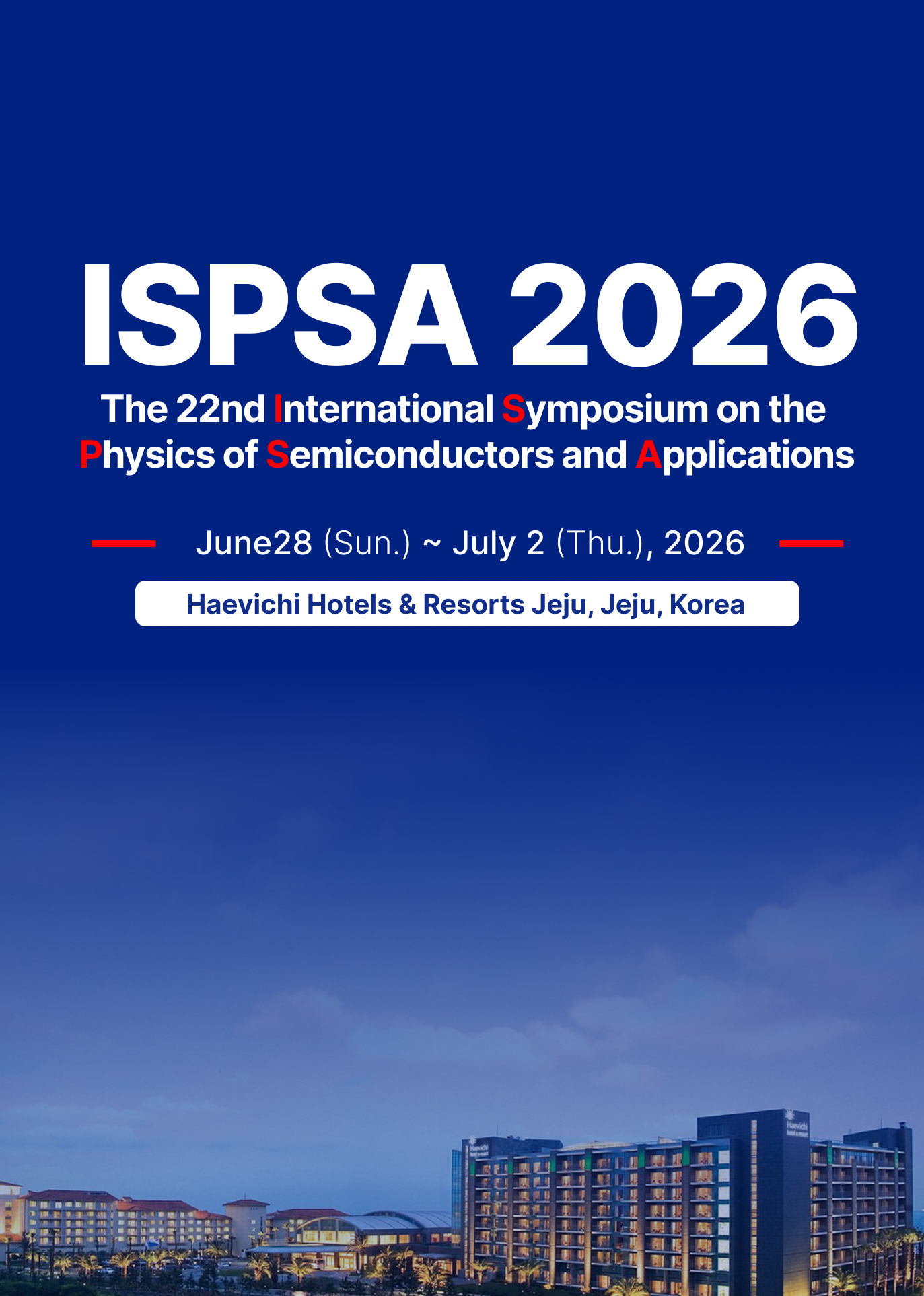
The 22nd International Symposium on the Physics of Semiconductors and Applications (ISPSA 2026) |
| 2026-06-28 ~ 2026-07-02 |

|
|
The 15th Asia-Pacific Conference on Transportation and the Environment (APTE 2026) |
| 2026-07-08 ~ 2026-07-10 |
|
|
ACEM26 / Structures26 (ACEM26) |
| 2026-08-24 ~ 2026-08-25 |
Journal Promotion

|
| Acta Koreana (Acta Koreana) |
|
| Acta Via Serica (AVS) |
|
| Computers and Concrete (Computers and Concrete) |
|
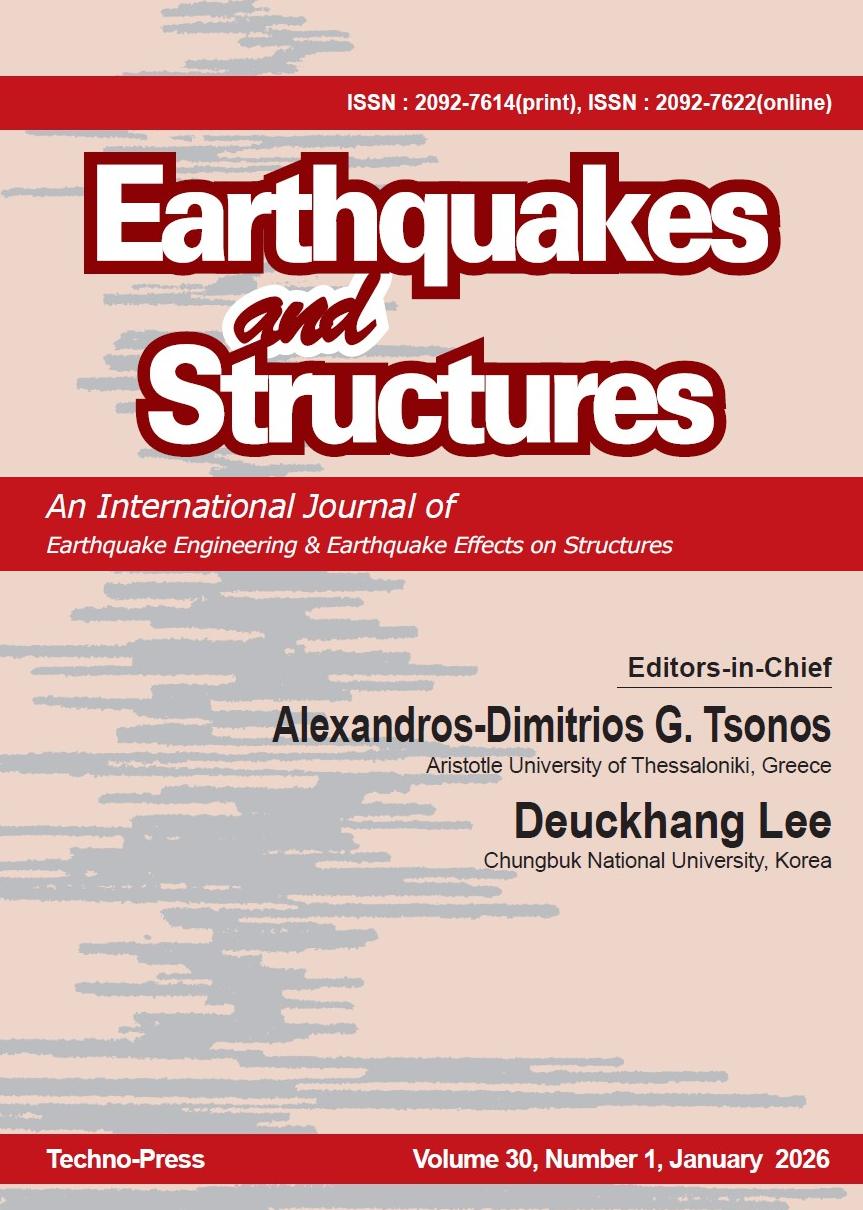
| Earthquakes and Structures, An International Journal (Earthquakes and Structures) |
|
| Geomechanics and Engineering (Geomechanics and Engineering) |
|
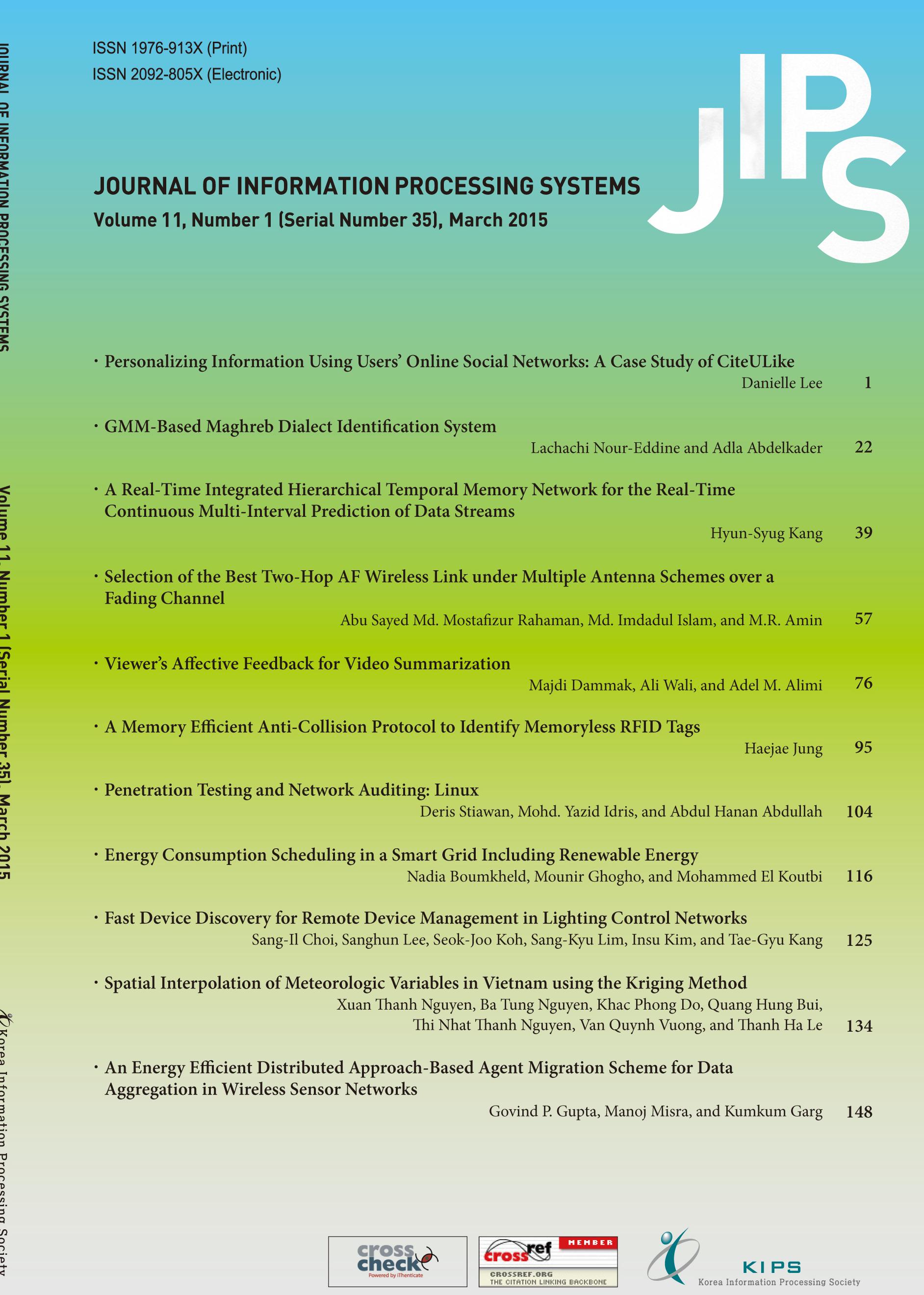
| Journal of Information Processing Systems (JIPS) |

|
| Journal of Internet Computing and Services (KSII - JICS) |

|
| Membrane and Water Treatment (MWT) |

|
| Smart Structures and Systems (Smart Structures and Systems) |
|
| Steel and Composite Structures, An International Journal (Steel and Composite Structures) |
|
| Structural Engineering and Mechanics, An International Journal (Structural Engineering and Mechanics) |

|
| Wind and Structures, An International Journal (Wind and Structures) |




MANUSCRIPTLINK © 2015 -
