

PARIS 8th International Conference on Architectural & Environmental Engineering (PAEE-27) July 19-21, 2027 Paris (France)
PAEE-27
- URL: https://earcee.eares.org/conference/377
- Event Date: 2027-07-19 ~ 2027-07-21
- Submission Date: 2027-07-01
- Organizer: EARCEE
Environmental & Geological Engineering Environmental & Geological Engineering Environmental Sciences Architecture
Call for papers/Topics
Topics of interest for submission include any topics related to:
Architectural Engineering focuses on the structural integrity, mechanical systems, building performance, and physical construction of built spaces.
Structural Systems & Load Bearing
Superstructure vs. substructure mechanics
Reinforced concrete, structural steel, and mass timber framing
Dynamic load resistance: Seismic, wind, and impact forces
Foundation engineering and soil-structure interaction
Building Envelope & Enclosure Technology
Thermal insulation, air barriers, and vapor retarders
High-performance glazing and facade systems
Roof assemblies, waterproofing, and moisture control
Thermal bridging mitigation and condensation prevention
Mechanical, Electrical, and Plumbing (MEP) Systems
Heating, ventilation, and air conditioning (HVAC) sizing and distribution
Power distribution, emergency backup, and smart electrical grids
Potable water distribution, graywater recycling, and blackwater piping
Fire protection, sprinkler networks, and life safety systems
Architectural Lighting & Acoustics
Daylighting integration and artificial light distribution
Acoustic isolation, room reverberation, and sound absorption
Architectural glare control and visual comfort metrics
Noise attenuation in mechanical and structural pathways
Environmental Engineering addresses the protection, management, and restoration of natural ecosystems, natural resources, and public health.
Water Resources & Wastewater Engineering
Surface water hydrology, runoff management, and flood control
Drinking water purification and municipal distribution
Industrial and municipal wastewater treatment processes
Aquifer recharge and groundwater contamination remediation
Air Quality & Atmospheric Science
Indoor air quality monitoring, filtration, and contaminant transport
Industrial emission controls and scrubbing technologies
Ambient air pollution dispersion modeling
Greenhouse gas quantification and atmospheric chemistry
Solid & Hazardous Waste Management
Municipal solid waste collection, sorting, and landfill engineering
Hazardous waste neutralization, storage, and disposal protocols
Contaminated site assessment and soil bioremediation
Resource recovery, composting, and waste-to-energy conversion
Ecological Risk Assessment & Environmental Protection
Environmental impact assessment (EIA) frameworks
Ecotoxicology, pollutant transport, and bioaccumulation
Wetland restoration and conservation biology
Environmental compliance, regulatory frameworks, and public health metrics
Interrelated Disciplines merge both fields to create built environments that minimize ecological impacts and adapt to climate challenges.
Sustainable Building Design & Circular Construction
Embodied carbon quantification and life-cycle assessment (LCA)
Green building certification systems (LEED, BREEAM, WELL)
Adaptive reuse, deconstruction, and material recovery
Sustainable material selection and bio-based construction materials
Net-Zero Energy & Climate Resilient Buildings
Passive solar design and natural ventilation strategies
On-site renewable energy generation (photovoltaics, geothermal heat pumps)
Climate adaptation strategies: Flood-proofing, wildfire resistance, and storm defense
Microgrid integration and energy storage technology
Urban Eco-Hydrology & Sustainable Drainage
Low-impact development (LID) and green infrastructure
Permeable pavements and urban rain gardens
Green roofs and living walls for urban stormwater retention
Urban flood mitigation and watershed-scale drainage design
Indoor Environmental Quality (IEQ) & Healthy Buildings
Advanced ventilation for pollutant removal and pathogen control
Biophilic design and natural light integration
Non-toxic interior material selection and VOC mitigation
Thermal comfort optimization and human health metrics in enclosed spaces
Urban Microclimate & Environmental Physics
Urban Heat Island (UHI) effect mitigation
Microclimate wind modeling and pedestrian comfort
Solar access rights and urban envelope zoning
Heat mitigation via urban vegetation and high-albedo materials
Event Promotion
Journal Promotion

|
| Acta Koreana (Acta Koreana) |
|
| Acta Via Serica (AVS) |
|
| Advances in Concrete Construction (Advances in Concrete Construction ) |

|
| Advances in Nano Research (Advances in Nano Research) |
|
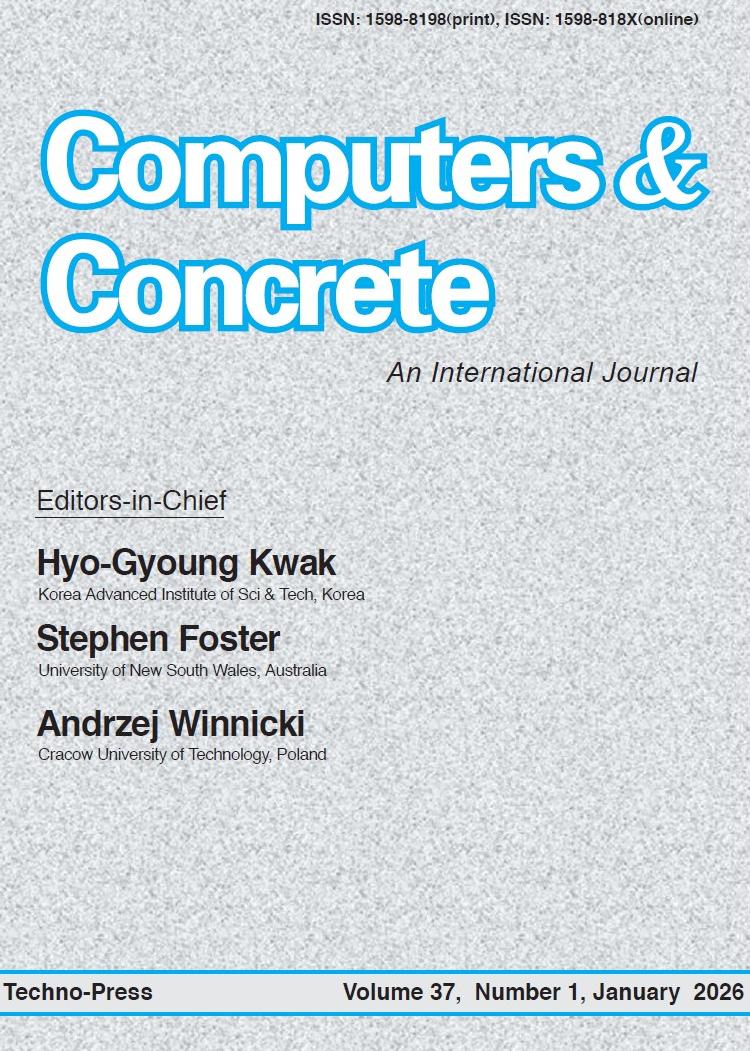
| Computers and Concrete (Computers and Concrete) |
|
| Coupled Systems Mechanics (Coupled Systems Mechanics) |
|
| Earthquakes and Structures, An International Journal (Earthquakes and Structures) |
|
| Geomechanics and Engineering (Geomechanics and Engineering) |
|
| Journal of Information Processing Systems (JIPS) |

|
| Journal of Internet Computing and Services (KSII - JICS) |
|
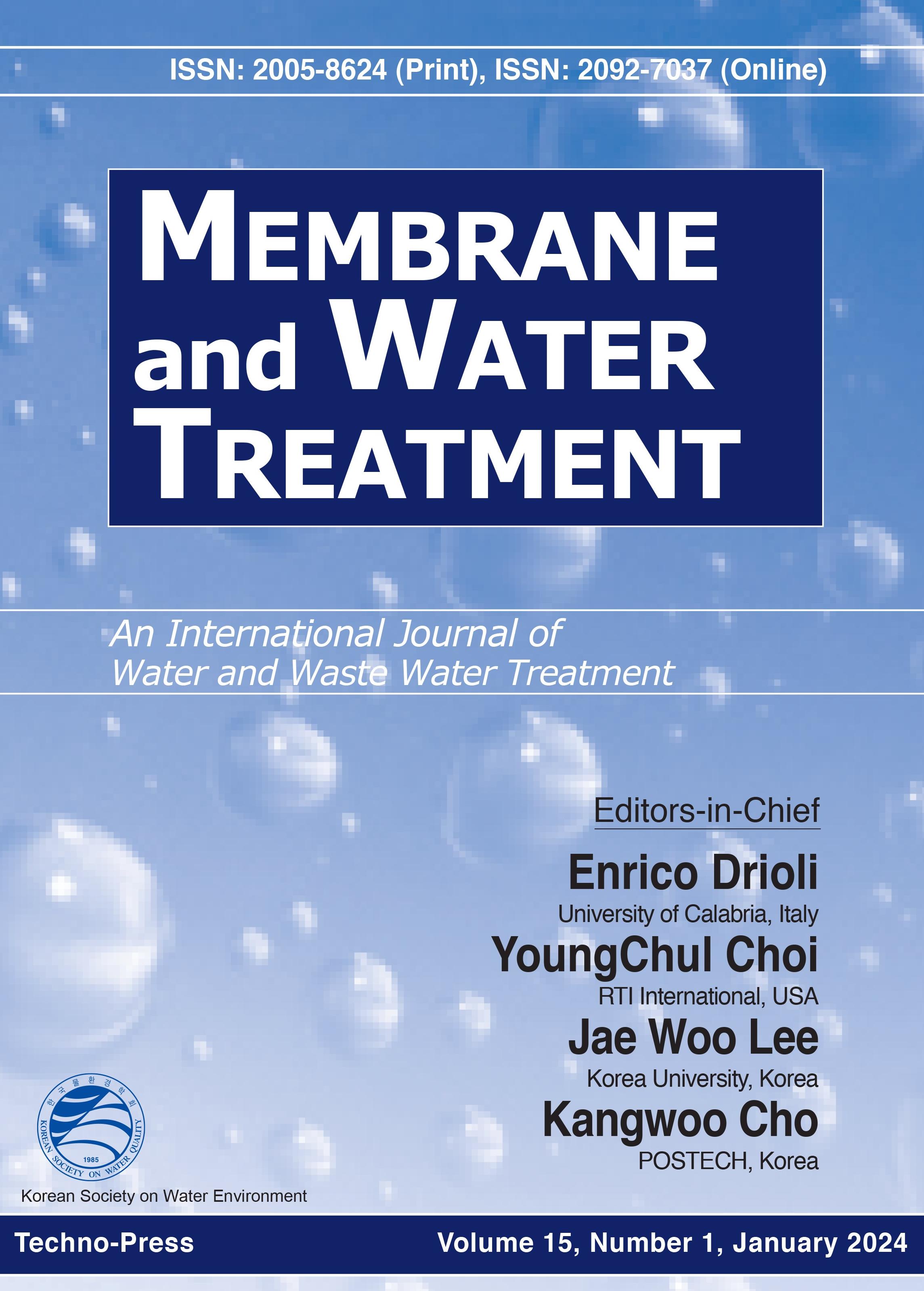
| Membrane and Water Treatment (MWT) |

|
| Smart Structures and Systems (Smart Structures and Systems) |
|
| Steel and Composite Structures, An International Journal (Steel and Composite Structures) |
|
| Structural Engineering and Mechanics, An International Journal (Structural Engineering and Mechanics) |
|
| Wind and Structures, An International Journal (Wind and Structures) |




MANUSCRIPTLINK © 2015 -
