

LISBON 4th International Conference on Chemical, Biological & Environmental Engineering (CBE2-27) scheduled on Sept. 22-24, 2027 Lisbon (Portugal)
CBE2-27
- URL: https://ureng.urst.org/conference/212
- Event Date: 2026-09-22 ~ 2026-09-24
- Submission Date: 2027-09-01
- Organizer: URENG
Chemical & Material Sciences (General) Developmental Biology & Embryology Evolutionary Biology Microbiology Molecular Biology
Call for papers/Topics
All Abstracts, Reviews, short articles, Full articles, Posters are welcomed related with any of the following research fields:
Chemical Engineering Foundations
Thermodynamics & Phase Equilibria
Laws of thermodynamics applied to open and closed processing systems
Vapor-liquid, liquid-liquid, and solid-liquid phase equilibria
Chemical reaction equilibrium and Gibbs free energy minimization
Equations of state and real-gas behavior modeling
Transport Phenomena
Fluid mechanics, boundary layer theory, and rheology
Conductive, convective, and radiative heat transfer
Molecular diffusion and mass transfer across phase boundaries
Simultaneous heat and mass transport in multi-phase flows
Chemical Reaction Engineering
Homogeneous and heterogeneous kinetics
Ideal reactor design (CSTR, Plug Flow, Batch)
Catalytic mechanisms, catalyst deactivation, and surface chemistry
Non-isothermal reactor operation and thermal runaways
Separation Processes
Distillation, absorption, stripping, and extraction
Crystallization, adsorption, and chromatography
Membrane separations (reverse osmosis, ultrafiltration, gas separation)
Process Control & Systems Engineering
Dynamic process modeling and feedback control loops
Instrumentation, sensors, and signal processing
Process synthesis, flowsheeting, and integration
Safety analysis, hazard evaluation, and risk reduction
Biological Engineering & Biotechnology
Biochemical Engineering
Bioreactor design, scale-up, and mixing dynamics
Fermentation technology and cell culture operations
Downstream bio-processing, cell disruption, and purification
Enzyme kinetics, immobilization, and biocatalysis
Biomolecular Engineering & Synthetic Biology
Metabolic pathway engineering and gene editing
Recombinant DNA technology and expression systems
Protein engineering, folding, and post-translational modifications
Synthetic microbial consortia and metabolic flux analysis
Biomedical & Tissue Engineering
Biomaterials synthesis, biocompatibility, and degradation
Tissue scaffold fabrication and cell-matrix interactions
Controlled drug delivery systems and nanomedicine
Biomechanics and cellular mechanotransduction
Bioprocess Optimization & Analytics
PAT (Process Analytical Technology) in biomanufacturing
Bio-therapeutics production (monoclonal antibodies, mRNA vaccines)
Single-use bioreactor technology
Microbial growth kinetics and stoichiometry
Environmental Engineering & Sustainability
Water & Wastewater Treatment
Physical and chemical water purification processes
Biological wastewater treatment (activated sludge, anaerobic digestion)
Advanced oxidation processes and emerging contaminant removal
Desalination technologies and brine management
Air Quality & Emission Control
Particulate control mechanisms (cyclones, electrostatic precipitators, filters)
Gaseous pollutant abatement (VOCs, NOx, SOx removal)
Industrial gas scrubbing and catalytic converters
Atmospheric chemistry and dispersion modeling
Waste Management & Circular Economy
Solid waste treatment, recycling, and resource recovery
Hazardous waste management and remediation
Upcycling of industrial byproducts and plastic recycling
Biomass conversion and bioenergy production
Environmental Remediation
In-situ and ex-situ soil remediation strategies
Bioremediation, phytoremediation, and bio-augmentation
Groundwater transport and contaminant plume management
Heavy metal immobilization and active extraction
Interrelated & Cross-Disciplinary Areas
Sustainable Energy Systems
Fuel cells, hydrogen production, and water splitting
Biofuels generation (lignocellulosic ethanol, biodiesel, aviation fuels)
Battery chemistry, thermal management, and recycling
Carbon capture, utilization, and storage (CCUS)
Green Chemistry & Sustainable Engineering
Design for degradation and atom economy
Solvent selection, ionic liquids, and supercritical fluids
Renewable feedstock utilization and bio-based materials
Life Cycle Assessment (LCA) and techno-economic analysis (TEA)
Microfluidics & Lab-on-a-Chip Systems
Microscale fluid behavior and transport phenomena
Organ-on-a-chip platforms for toxicity testing
Single-cell analysis and rapid diagnostic devices
Droplet microfluidics for high-throughput screening
Environmental Biotechnology
Microbes for environmental monitoring and biosensors
Waste-to-energy systems using bio-electrochemical platforms
Bioremediation of persistent organic pollutants (POPs)
Algae cultivation for carbon capture and bioproducts
Biomaterials & Nanotechnology
Nanostructured materials for catalyst supports and membranes
Bionanotechnology for environmental detection
Surface functionalization for targeted drug delivery
Toxicological impacts of engineered nanomaterials on ecosystems
Journal Promotion
|
| Acta Koreana (Acta Koreana) |
|
| Acta Via Serica (AVS) |
|
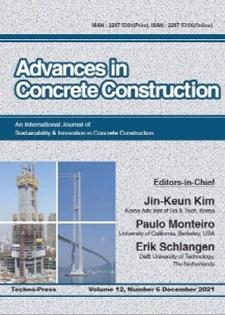
| Advances in Concrete Construction (Advances in Concrete Construction ) |

|
| Advances in Nano Research (Advances in Nano Research) |

|
| Computers and Concrete (Computers and Concrete) |

|
| Coupled Systems Mechanics (Coupled Systems Mechanics) |

|
| Earthquakes and Structures, An International Journal (Earthquakes and Structures) |

|
| Geomechanics and Engineering (Geomechanics and Engineering) |
|
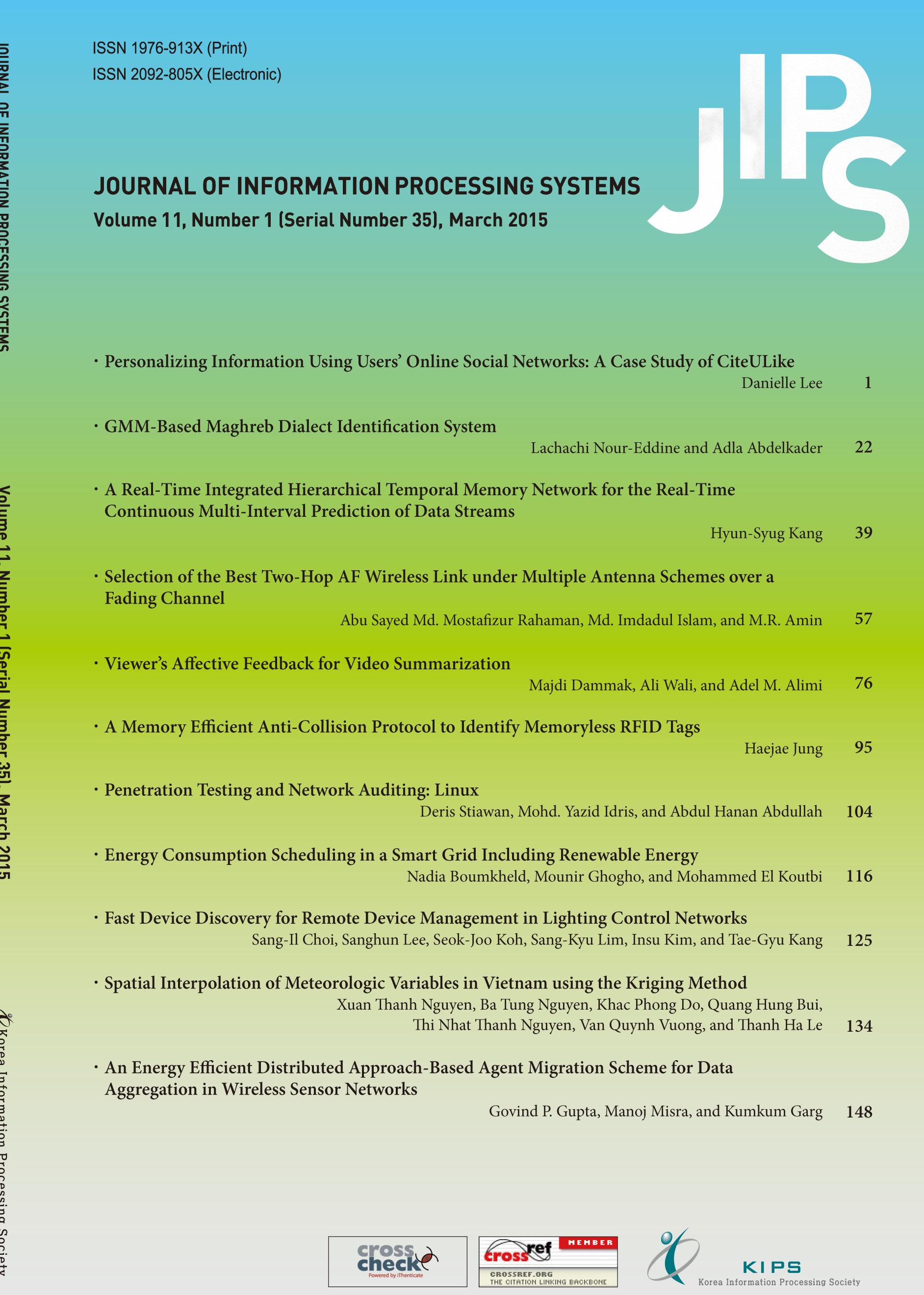
| Journal of Information Processing Systems (JIPS) |

|
| Journal of Internet Computing and Services (KSII - JICS) |
|
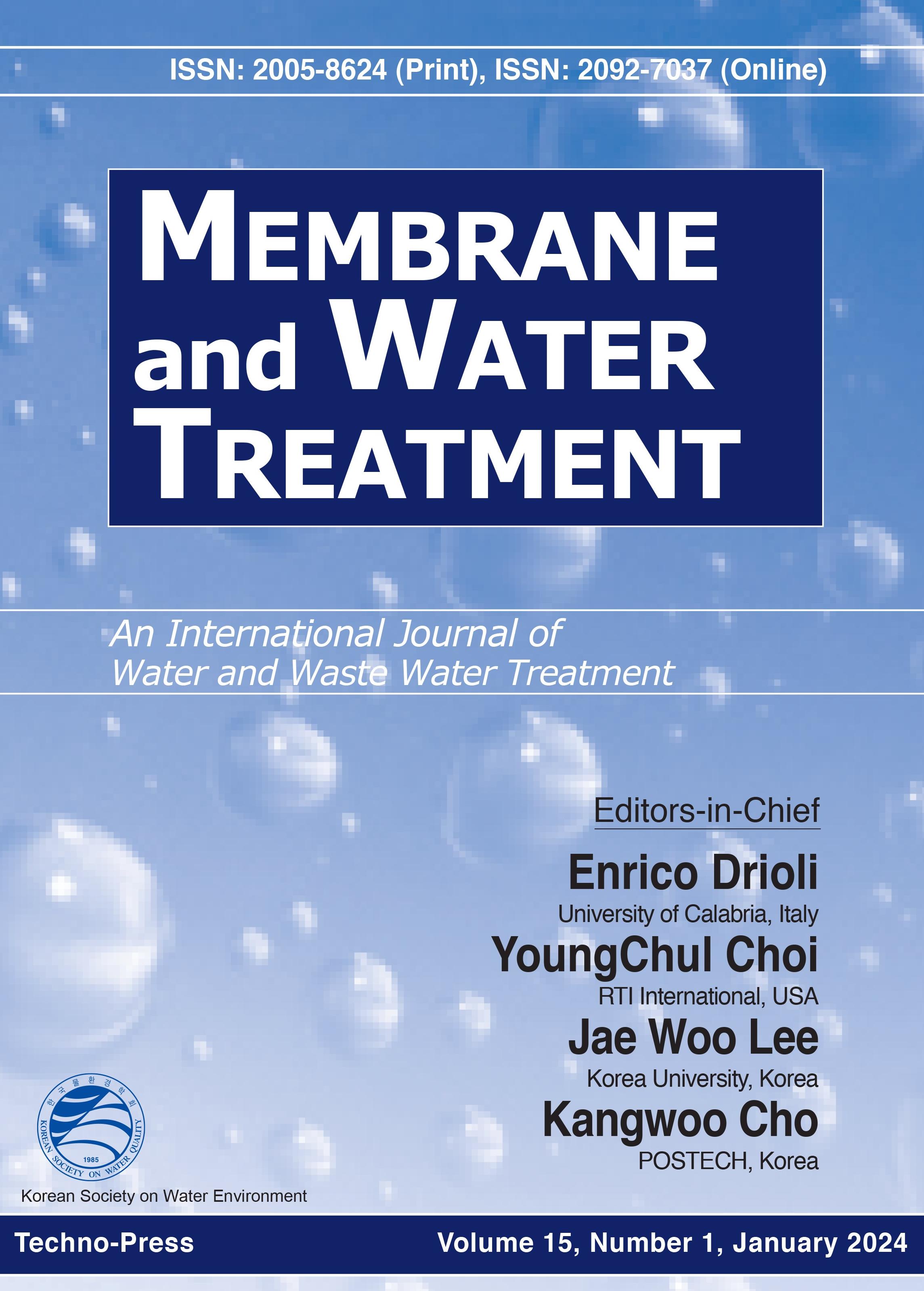
| Membrane and Water Treatment (MWT) |

|
| Smart Structures and Systems (Smart Structures and Systems) |

|
| Steel and Composite Structures, An International Journal (Steel and Composite Structures) |

|
| Structural Engineering and Mechanics, An International Journal (Structural Engineering and Mechanics) |

|
| Wind and Structures, An International Journal (Wind and Structures) |




MANUSCRIPTLINK © 2015 -
