


BANGKOK 13th International Conference on Chemical, Agricultural, Biological & Environmental Engineering (BCBEE-27) March 22-24, 2027 Bangkok (Thailand)
BCBEE-27
- URL: https://earbm.org/conference/358
- Event Date: 2027-03-22 ~ 2027-03-24
- Submission Date: 2027-03-01
- Organizer: EARBM
Chemical & Material Sciences (General) Chemical Kinetics & Catalysis Environmental & Geological Engineering Environmental & Geological Engineering Environmental Sciences Environmental & Occupational Medicine
Topics
Topics of interest for submission include any topics related to:
1. Independent Core Disciplines
These represent the foundational pillars of each distinct engineering field before they cross-pollinate with the others.
Chemical Engineering (Industrial Transformation of Matter)
Transport Phenomena: Fluid mechanics, heat transfer, and mass transfer dynamics.
Thermodynamics: Phase equilibria, chemical reaction equilibria, and energy conservation.
Chemical Reaction Engineering: Kinetics, reactor design (batch, CSTR, plug flow), and catalysis.
Process Dynamics and Control: Process instrumentation, feedback loops, and automation.
Agricultural Engineering (Mechanization & Production)
Power and Machinery: Tractor design, precision farming hardware, and harvesting equipment.
Structures and Environment: Livestock housing design, greenhouse climate control, and structural integrity of farm facilities.
Post-Harvest Technology: Crop drying, storage structures (silos), and primary processing machinery.
Soil and Water Mechanics: Terracing, drainage systems, and irrigation hydraulics.
Biological Engineering (Life Science Applications)
Cellular and Molecular Engineering: Genetic modification, metabolic pathway engineering, and synthetic biology.
Biomaterials: Design of biocompatible materials, tissue scaffolds, and prosthetics.
Biomechanics: Kinematics of human/animal movement, prostheses stress analysis, and fluid dynamics of blood.
Enzyme Engineering: Immobilized enzyme systems, protein design, and biocatalysis kinetics.
Environmental Engineering (Protection & Remediation)
Water and Wastewater Treatment: Municipal water purification, sewage treatment plant design, and desalination.
Air Pollution Control: Industrial emission scrubbing, particulate capture, and catalytic converters.
Solid and Hazardous Waste Management: Landfill engineering, toxic waste neutralization, and recycling systems.
Hydrology and Water Resources: Stormwater management, groundwater modeling, and flood control structures.
2. Interrelated Cross-Disciplinary Fields
These subtopics exist at the intersection of two or more of the primary engineering disciplines.
Chemical + Biological (The Bioprocess Nexus)
Biochemical / Bioprocess Engineering: Scaling up cellular reactions for industrial production (fermenter design, upstream processing).
Downstream Processing: Separation and purification of biological products (chromatography, centrifugation, ultrafiltration).
Pharmaceutical Engineering: Mass-manufacturing medicines, vaccines, and biologics using chemical synthesis and bioreactors.
Agricultural + Environmental (The Eco-Agrarian Nexus)
Sustainable Agriculture: Designing low-impact farming setups, cover-crop engineering, and agroforestry systems.
Non-Point Source Pollution Control: Managing agricultural runoff containing pesticides and fertilizers to protect local watersheds.
Soil Remediation and Conservation: Engineering methods to prevent soil erosion and restore depleted agricultural lands.
Chemical + Environmental (The Green Industry Nexus)
Green Chemical Engineering: Designing chemical processes that reduce or eliminate the use and generation of hazardous substances.
Industrial Waste Treatment: Neutralizing specialized chemical waste streams before discharge into municipal systems.
Carbon Capture and Storage (CCS): Engineering chemical solvents and scrubbers to capture CO2 from factory flues and store it geologically.
Agricultural + Biological (The Bio-Farming Nexus)
Agricultural Biotechnology: Engineering genetically modified crops for pest resistance, drought tolerance, and increased nutritional value.
Aquacultural Engineering: Designing closed-loop systems for farming fish, shrimp, and aquatic plants.
Biosensors in Agriculture: Creating biological markers to detect crop diseases or soil nutrient deficiencies in real-time.
3. Advanced Multi-Disciplinary Subtopics
These complex fields merge three or all four of the disciplines to solve global, systemic challenges.
Biorefinery and Biofuels Engineering: Utilizing chemical and biological processes to turn agricultural biomass (like corn stover or algae) into sustainable fuels and bio-plastics, reducing reliance on fossil fuels (environmental).
Phytoremediation Systems: Utilizing specific plants (biological/agricultural) to absorb heavy metals and contaminants from polluted soils and water tables (environmental), often aided by chemical chelating agents to accelerate absorption.
Circular Bioeconomy Systems: Designing zero-waste industrial agricultural loops where waste from crop production is chemically or biologically converted into biogas, compost, or animal feed, resulting in net-zero environmental impact.
Precision Environmental Management: Using agricultural machinery equipped with biosensors and chemical analytical tools to map field health, ensuring fertilizers are only used where needed to prevent environmental runoff.
Journal Promotion

|
| Acta Koreana (Acta Koreana) |

|
| Acta Via Serica (AVS) |
|
| Advances in Concrete Construction (Advances in Concrete Construction ) |

|
| Advances in Nano Research (Advances in Nano Research) |

|
| Computers and Concrete (Computers and Concrete) |
|
| Coupled Systems Mechanics (Coupled Systems Mechanics) |

|
| Earthquakes and Structures, An International Journal (Earthquakes and Structures) |
|
| Geomechanics and Engineering (Geomechanics and Engineering) |

|
| Journal of Information Processing Systems (JIPS) |

|
| Journal of Internet Computing and Services (KSII - JICS) |
|
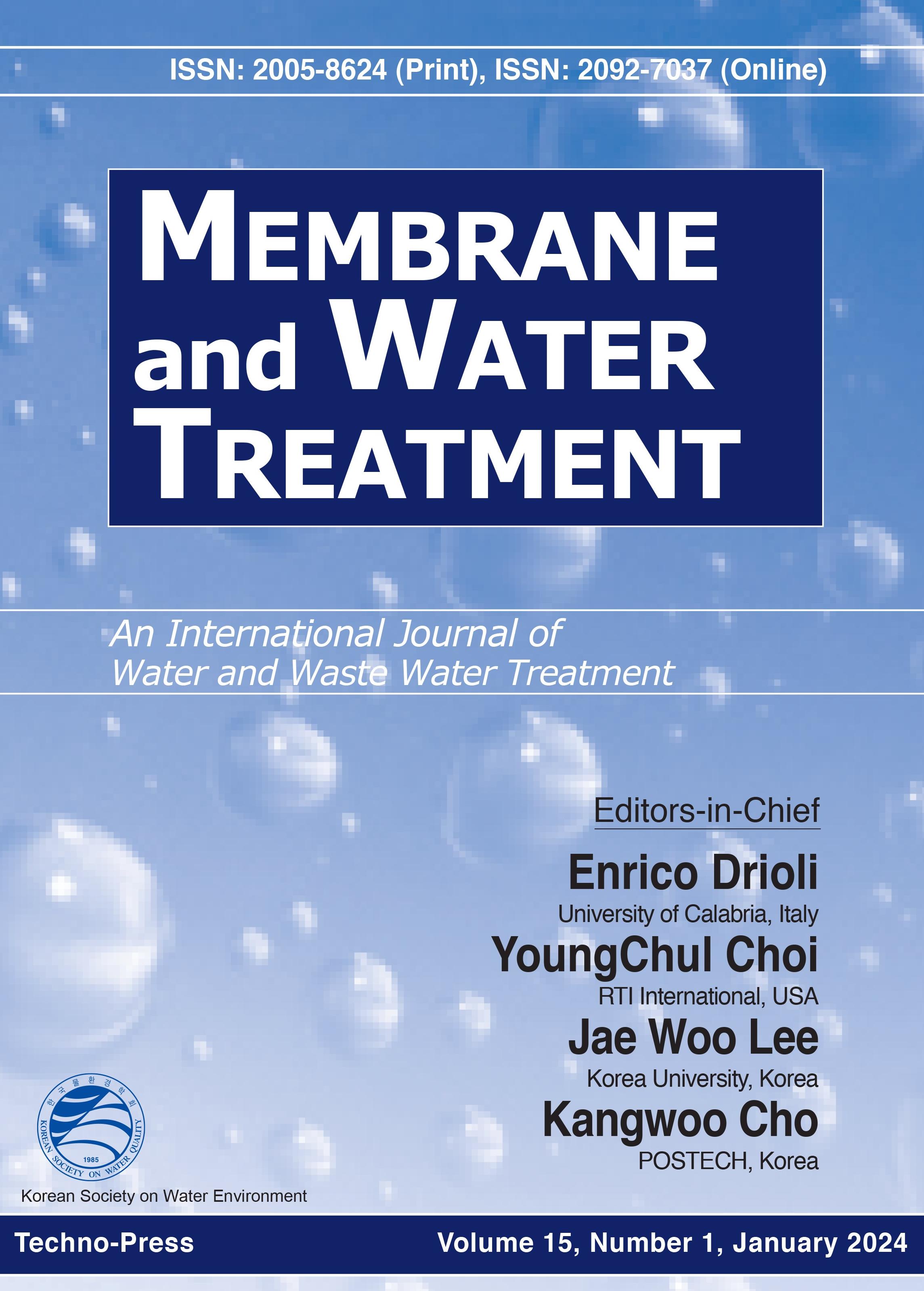
| Membrane and Water Treatment (MWT) |

|
| Smart Structures and Systems (Smart Structures and Systems) |
|
| Steel and Composite Structures, An International Journal (Steel and Composite Structures) |
|
| Structural Engineering and Mechanics, An International Journal (Structural Engineering and Mechanics) |

|
| Wind and Structures, An International Journal (Wind and Structures) |




MANUSCRIPTLINK © 2015 -
