

50th LISBON International Congress on Business and Management Studies (ICBMS-26) scheduled on March 11-13, 2026 Lisbon (Portugal)
ICBMS-26
- URL: https://belrg.dirpub.org/conference/446
- Event Date: 2026-03-11 ~ 2026-03-13
- Submission Date: 2026-02-19
- Organizer: BELRG
- Location: Lisbon, Portugal
International Business Strategic Management Emergency Management Pain & Pain Management Disaster Management
Core Functional Specializations
These topics focus on the traditional, essential functions within a business.
1. Strategic Management & Leadership
Corporate Strategy: Analyzing organizational purpose, competitive advantage, and long-term positioning.
Strategic Planning: Evaluating the effectiveness of different strategic planning models (e.g., SWOT, Porter's Five Forces).
Organizational Change Management (OCM): Strategies for implementing major transformations (e.g., restructuring, M&A integration) and overcoming employee resistance.
Crisis Management & Business Continuity: Developing strategies for organizational resilience against economic, political, or natural disasters.
Leadership Styles: Investigating the impact of various styles (e.g., Transformational, Transactional, Servant, Ethical) on team performance and employee well-being.
Corporate Governance: The relationship between boards of directors, executive teams, and shareholders, focusing on transparency and accountability.
2. Human Resource Management (HRM) & Organizational Behavior (OB)
Talent Acquisition and Retention: The effectiveness of recruitment technologies (like AI), onboarding programs, and strategies for reducing employee turnover.
The Future of Work: The impact of remote, hybrid, and flexible work models on productivity, culture, and work-life balance.
Diversity, Equity, and Inclusion (DEI): The business case for diversity, managing cultural differences in multinational teams, and eliminating bias in HR processes.
Employee Motivation and Engagement: The role of performance appraisal systems, compensation, and non-monetary incentives in driving performance.
Organizational Culture: Assessing the link between corporate culture and innovation, ethical behavior, or financial performance.
Workplace Wellness and Mental Health: The impact of HR-driven mental health initiatives on employee productivity and absenteeism.
3. Marketing & Consumer Behavior
Digital Marketing Strategy: The effectiveness of platforms like social media, search engine optimization (SEO), and pay-per-click (PPC) campaigns.
Consumer Psychology: Analyzing how emotions, online reviews, and cognitive biases influence purchasing decisions.
Brand Management: Strategies for building, maintaining, and repairing brand reputation and loyalty in the digital age.
Marketing Analytics: Using Big Data and AI to segment markets, predict consumer trends, and personalize marketing messages.
Experiential Marketing: The role of immersive technologies (AR/VR) and brand experiences in customer engagement.
Ethical Marketing: Investigating issues like greenwashing, data privacy, and the ethics of targeted advertising.
4. Accounting & Finance
Financial Reporting & Disclosure: Trends in International Financial Reporting Standards (IFRS) and the challenges of complex financial instruments.
Corporate Finance: Topics like capital structure, dividend policy, and the valuation of Mergers and Acquisitions (M&A).
Financial Risk Management: Hedging strategies, credit risk assessment, and the impact of economic crises on financial markets.
FinTech and Digital Finance: The disruptive influence of Blockchain, Cryptocurrencies, and Decentralized Finance (DeFi) on traditional banking.
Forensic Accounting & Fraud Detection: Techniques for identifying and preventing financial misconduct and white-collar crime.
5. Operations & Supply Chain Management (SCM)
Supply Chain Resilience and Risk: Strategies for managing global supply chain disruptions (e.g., political instability, pandemics).
Logistics and Warehousing: Optimization through automation, Green Logistics, and last-mile delivery strategies.
Inventory Management: Evaluating the efficacy of systems like Just-In-Time (JIT), Material Requirements Planning (MRP), and the use of AI for demand forecasting.
Quality Management: The application of methodologies like Six Sigma and Lean Management to improve operational efficiency.
Service Operations: Managing capacity, waiting lines, and quality in service-based industries (e.g., healthcare, tourism).
Cross-Cutting & Emerging Topics
These topics often overlap multiple functional areas and represent the frontier of modern business research.
6. Technology, Data, & Digital Transformation
Digital Transformation (DX): Assessing the impact of digital technologies on business models, organizational structures, and competitive strategy.
Artificial Intelligence (AI) in Business: The implementation and ethical implications of Generative AI in decision-making, customer service, and strategic workforce planning.
E-commerce & Mobile Commerce: The evolution of online retailing, the impact of mobile apps, and the challenges of cybersecurity in digital transactions.
Business Analytics & Big Data: The use of data mining, machine learning, and business intelligence tools to drive data-informed decision-making.
7. Sustainability, Ethics, & Corporate Social Responsibility (CSR)
Environmental, Social, and Governance (ESG): The impact of ESG compliance and disclosure on financial performance, investor confidence, and corporate reputation.
Sustainable Business Models: The shift from linear to Circular Economy models and the management of environmental footprint.
Business Ethics: Investigating ethical dilemmas, the role of ethical leadership, and strategies for promoting transparency and integrity.
Social Entrepreneurship: The creation and management of ventures that prioritize social or environmental impact alongside financial returns.
8. International Business & Globalization
Global Market Entry Strategies: Evaluating the success factors of different approaches (e.g., exports, joint ventures, foreign direct investment).
Cross-Cultural Management: The challenges and best practices for leading and motivating diverse, geographically dispersed teams.
International Trade Policy: The impact of tariffs, trade agreements, and political instability on multinational corporations (MNCs).
Global Supply Chain Decoupling: Assessing the economic consequences and strategic responses to shifts in globalization.
9. Entrepreneurship & Innovation Management
Venture Creation: Factors influencing the success and failure of start-ups, including funding, business model design, and risk management.
Corporate Entrepreneurship (Intrapreneurship): Fostering innovation within large, established organizations.
Financing New Ventures: The role of Venture Capital (VC), Angel Investors, and crowdfunding in the entrepreneurial ecosystem.
Disruptive Innovation: Analyzing how new technologies or business models challenge and reshape established markets.
Event Promotion
|
|
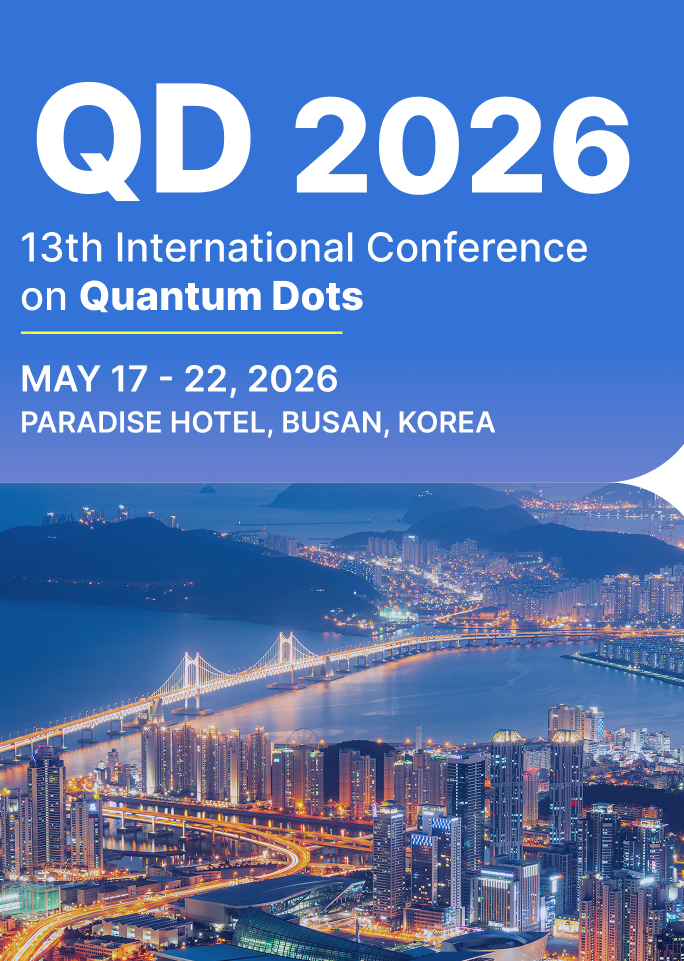
The 13th International Conference on Quantum Dots (QD 2026) |
| 2026-05-17 ~ 2026-05-22 |

|
|
The 22nd International Symposium on the Physics of Semiconductors and Applications (ISPSA 2026) |
| 2026-06-28 ~ 2026-07-02 |

|
|
The 15th Asia-Pacific Conference on Transportation and the Environment (APTE 2026) |
| 2026-07-08 ~ 2026-07-10 |






MANUSCRIPTLINK © 2015 -
