


ROME 12th International Conference on “Science, Engineering, Technology & Natural Resources” (RSETNR-27) scheduled on June 23-25, 2027 Rome (Italy)
RSETNR-27
- URL: https://earet.org/conference/371
- Event Date: 2027-06-23 ~ 2027-06-25
- Submission Date: 2027-06-01
- Organizer: EARET
Engineering & Computer Science (General) Materials Engineering Power Engineering Science & Engineering Education
Topics
All Abstracts, Reviews, short articles, Full articles, Posters are welcomed related with any of the following research fields:
Part 1: Independent Core Domains & Subtopics
1. Fundamental & Applied Science
Physical Sciences
Physics: Mechanics, Thermodynamics, Quantum Mechanics, Electromagnetism, Optics, Relativity, Particle Physics, Condensed Matter Physics.
Chemistry: Organic, Inorganic, Physical, Analytical, Biochemistry, Polymer Chemistry, Surface Chemistry.
Earth & Planetary Sciences: Geology, Geophysics, Volcanology, Seismology, Atmospheric Science, Meteorology, Paleontology.
Space Sciences: Astronomy, Astrophysics, Cosmology, Planetary Geology, Astrobiology.
Life & Biological Sciences
Cellular & Molecular Biology: Genetics, Genomics, Epigenetics, Molecular Genetics, Structural Biology, Microbiology.
Organismal Biology: Botany, Zoology, Human Anatomy & Physiology, Immunology, Neuroscience.
Ecology & Evolutionary Science: Evolutionary Biology, Macroecology, Conservation Biology, Behavioral Ecology.
2. Engineering Disciplines
Traditional Core Engineering
Mechanical Engineering: Kinematics, Solid Mechanics, Fluid Dynamics, Heat Transfer, Machine Design, Acoustics.
Civil Engineering: Structural Engineering, Geotechnical Engineering, Transportation Engineering, Hydraulics, Urban Engineering.
Electrical & Electronics Engineering: Power Systems, Control Systems, Signal Processing, Telecommunications, Microelectronics, Circuit Design.
Chemical Engineering: Transport Phenomena, Chemical Reaction Engineering, Process Design, Separation Processes.
Specialized & Interdisciplinary Engineering
Aerospace Engineering: Aerodynamics, Propulsion, Avionics, Orbital Mechanics, Flight Dynamics.
Biomedical Engineering: Biomechanics, Biomaterials, Tissue Engineering, Medical Instrumentation, Rehabilitation Engineering.
Materials Science & Engineering: Metallurgy, Ceramics, Composite Materials, Electronic Materials, Biomaterials.
Nuclear Engineering: Fission Reactor Physics, Nuclear Fusion, Radiation Protection, Isotope Technology, Radioactive Waste Management.
3. Technology Systems & Applied Computing
Computer Science & Software Systems
Theoretical Computer Science: Algorithms, Complexity Theory, Automata, Information Theory.
Software Engineering: Architecture, Distributed Systems, Operating Systems, Database Systems, Cloud Computing.
Cybersecurity & Infrastructure: Cryptography, Network Security, Forensics, System Architecture.
Intelligent Systems & Automation
Artificial Intelligence: Machine Learning, Deep Learning, Natural Language Processing, Computer Vision, Knowledge Representation.
Robotics & Automation: Mechatronics, Robotic Perception, Autonomous Navigation, Human-Robot Interaction, Industrial Controls.
Emerging Technological Paradigms
Quantum Computing: Quantum Algorithms, Quantum Information Theory, Quantum Hardware.
Nanotechnology: Nanoelectronics, Nanomaterials Fabrication, Nanofuidics, Molecular Nanotechnology.
4. Natural Resources & Environmental Systems
Renewable & Non-Renewable Energy Resources
Fossil & Nuclear Energy: Hydrocarbon Exploration, Coal Technology, Uranium Mining, Nuclear Fuel Cycles.
Renewable Energy Sources: Solar Power (Photovoltaic/Thermal), Wind Energy, Hydroelectric Power, Geothermal Energy, Tidal/Wave Energy, Bioenergy.
Terrestrial & Oceanic Resources
Water Resources: Hydrology, Watershed Management, Desalination, Groundwater Depletion, Aquifer Recharge.
Mineral & Mining Resources: Geological Exploration, Extraction Technology, Ore Processing, Mine Reclamation.
Forestry & Land Resources: Timber Harvest Management, Agroforestry, Soil Science, Deforestation Control, Soil Conservation.
Environmental & Atmospheric Stewardship
Environmental Quality: Air Quality Management, Solid Waste Management, Ecotoxicology, Water Quality & Wastewater Treatment.
Climate Systems: Carbon Cycle Studies, Climate Modeling, Climate Adaptation, Greenhouse Gas Mitigation.
Part 2: Interrelated & Cross-Disciplinary Domains
These fields exist specifically at the intersection of two or more primary domains, driving modern technological and scientific progress.
Science + Engineering
Nanomedicine: Merging molecular biology, chemical engineering, and materials science to target drug delivery.
Geotechnical & Earthquake Engineering: Applying geophysics and structural engineering to design resilient infrastructure.
Bio-inspired Engineering (Bimimicry): Translating biological structures and mechanisms into mechanical and architectural designs.
Technology + Natural Resources
Precision Agriculture (AgTech): Combining IoT sensors, AI, satellite imaging, and soil science to optimize resource usage in farming.
Smart Grid & Energy Storage Management: Integrating electrical engineering, software systems, and renewable energy to stabilize power grids.
Geographic Information Systems (GIS) & Remote Sensing: Using satellite tech, data science, and geology to monitor natural resource depletion and climate changes.
Science + Technology + Natural Resources
Carbon Capture, Utilization, and Storage (CCUS): Combining chemical science, separation engineering, computational fluid dynamics, and geological injection techniques to isolate atmospheric carbon.
Desalination & Advanced Water Purification: Using membrane chemistry, thermal engineering, and IoT filtration monitoring to generate freshwater from seawater.
Biotechnology & Circular Economy Systems: Integrating synthetic biology, biochemical processing, and environmental management to convert industrial waste streams into usable bioplastics and biofuels.
Journal Promotion

|
| Acta Koreana (Acta Koreana) |
|
| Acta Via Serica (AVS) |
|
| Advances in Concrete Construction (Advances in Concrete Construction ) |

|
| Advances in Nano Research (Advances in Nano Research) |
|
| Computers and Concrete (Computers and Concrete) |
|
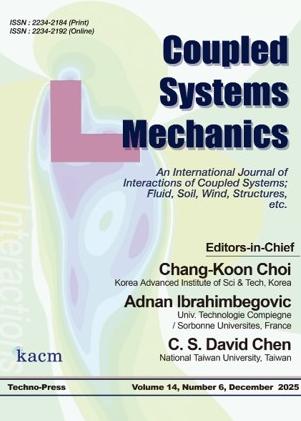
| Coupled Systems Mechanics (Coupled Systems Mechanics) |
|
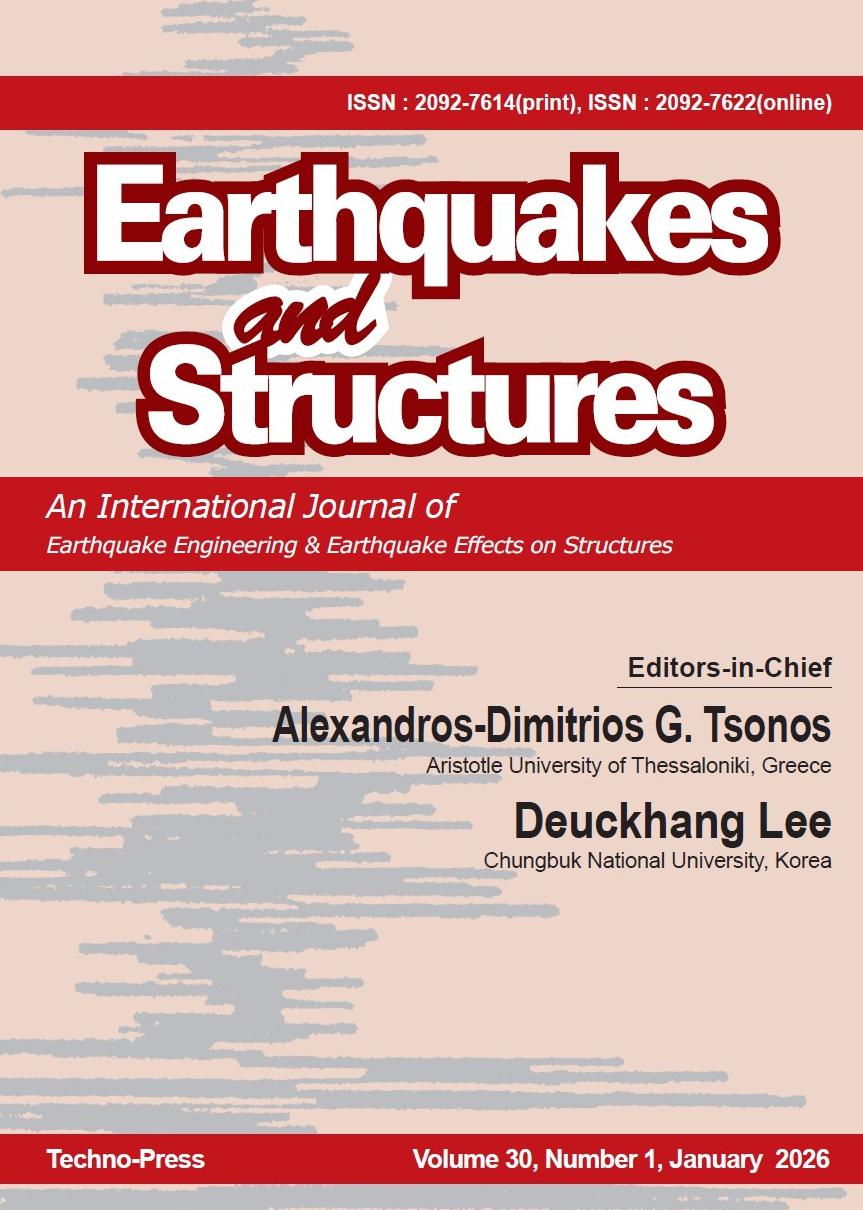
| Earthquakes and Structures, An International Journal (Earthquakes and Structures) |
|
| Geomechanics and Engineering (Geomechanics and Engineering) |
|
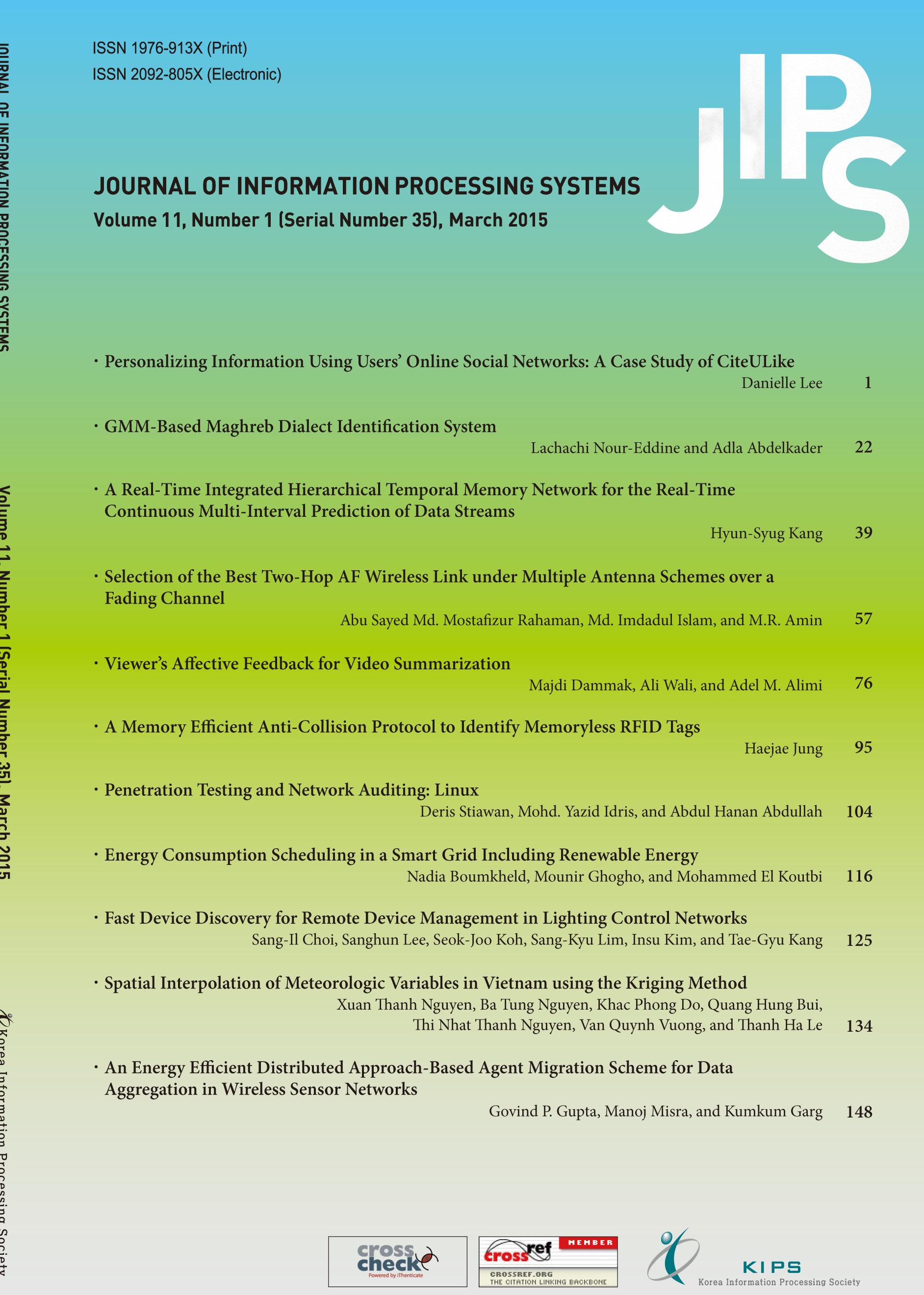
| Journal of Information Processing Systems (JIPS) |

|
| Journal of Internet Computing and Services (KSII - JICS) |
|
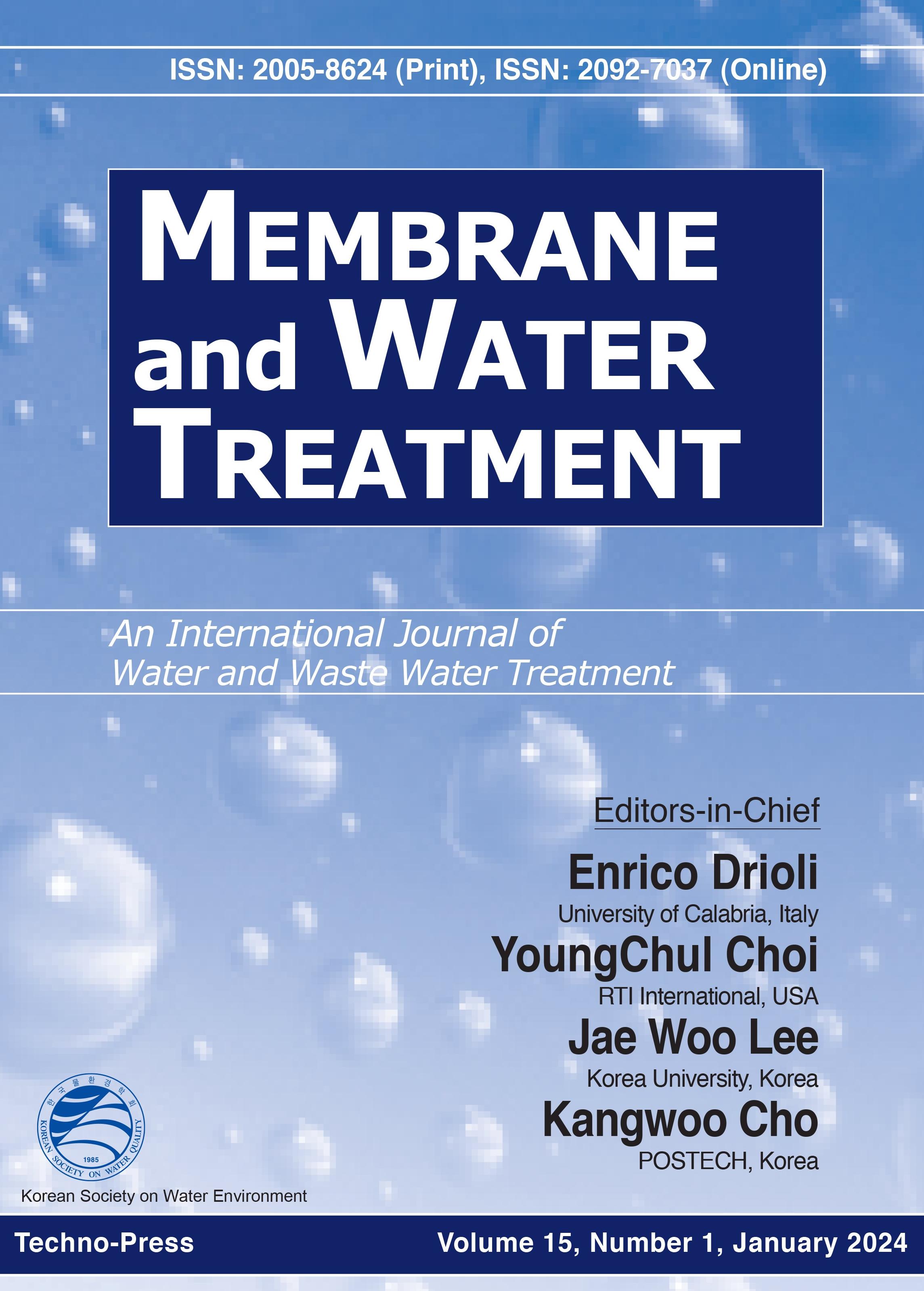
| Membrane and Water Treatment (MWT) |
|
| Smart Structures and Systems (Smart Structures and Systems) |
|
| Steel and Composite Structures, An International Journal (Steel and Composite Structures) |
|
| Structural Engineering and Mechanics, An International Journal (Structural Engineering and Mechanics) |
|
| Wind and Structures, An International Journal (Wind and Structures) |




MANUSCRIPTLINK © 2015 -
