


4th ISTANBUL International Congress on Nursing, Medical & Veterinary Sciences (INMVS-26) Dec. 17-18, 2026 Istanbul (Türkiye)
INMVS-26
- URL: https://eacbee.erpub.org/conference/237
- Event Date: 2026-12-17 ~ 2026-12-18
- Submission Date: 2026-12-01
- Organizer: EACBEE
Medical Informatics Biomedical Technology Health & Medical Sciences (General) Nursing Biomedical Technology
Call for papers/Topics
Topics of Interest for Submission include, but are Not Limited to:
1. Core Foundations of Health Science
These subjects serve as the bedrock for all three disciplines, focusing on the biological and chemical mechanisms of living organisms.
Anatomy and Physiology: Comparative study of skeletal, muscular, nervous, and cardiovascular systems across species.
Pathophysiology: The study of disordered physiological processes associated with disease or injury.
Biochemistry and Genetics: Molecular biology, metabolic pathways, and hereditary traits in humans and animals.
Microbiology and Immunology: Study of bacteria, viruses, fungi, and the immune response (vaccinology, autoimmune disorders).
Pharmacology and Toxicology: Drug mechanisms, pharmacokinetics, and the impact of toxins on biological systems.
2. Nursing and Clinical Practice
This area focuses on patient care, advocacy, and the practical application of medical knowledge.
Fundamental Nursing Skills: Wound care, vital signs monitoring, and patient hygiene.
Specialized Nursing:
Critical Care and Emergency Nursing: High-intensity monitoring and life-saving interventions.
Perioperative Nursing: Care before, during, and after surgical procedures.
Geriatric and Pediatric Nursing: Specialized care for the elderly and developing children.
Nursing Leadership and Management: Healthcare administration, ethics, and staff coordination.
Mental Health and Psychiatric Nursing: Therapeutic communication and management of psychological disorders.
3. Medical Sciences (Human-Centric)
These topics cover the diagnosis, treatment, and prevention of diseases in humans.
Internal Medicine: Cardiology, Gastroenterology, Pulmonology, and Endocrinology.
Surgery and Specialty Disciplines:
Orthopedics: Musculoskeletal system health.
Neurology: Disorders of the brain and nervous system.
Oncology: Study and treatment of tumors and cancer.
Diagnostic Sciences: Radiology, Medical Imaging (MRI, CT, Ultrasound), and Clinical Pathology.
Public Health and Epidemiology: Disease tracking, biostatistics, and community health initiatives.
4. Veterinary Sciences
This field focuses on the health and management of domestic, exotic, and livestock animals.
Small Animal Medicine: Clinical care for dogs, cats, and common household pets.
Large Animal and Equine Medicine: Healthcare for horses, cattle, and swine.
Exotic and Wildlife Medicine: Conservation medicine and care for non-traditional species.
Veterinary Surgery: Orthopedic and soft-tissue surgery tailored to different anatomical structures.
Animal Nutrition and Husbandry: Dietary requirements and the management of animal living conditions.
5. Interrelated and "One Health" Topics
These topics represent the overlap where nursing, medicine, and veterinary sciences collaborate to solve global challenges.
Zoonotic Diseases: The study of infections that spread between animals and humans (e.g., Rabies, Avian Flu, COVID-19).
Antimicrobial Resistance (AMR): The shared challenge of bacteria evolving against antibiotics used in both human and animal medicine.
Epidemiology and Biosecurity: Managing disease outbreaks within populations and implementing quarantine protocols.
Bioethics and Medical Law: Ethical considerations regarding life, death, animal testing, and patient rights.
Global Health and Food Safety: Ensuring the safety of the animal-derived food supply and monitoring environmental contaminants.
Comparative Medicine: Using animal models to understand human diseases and developing treatments that benefit both humans and animals.
Journal Promotion
|
| Acta Koreana (Acta Koreana) |
|
| Acta Via Serica (AVS) |
|
| Advances in Concrete Construction (Advances in Concrete Construction ) |
|
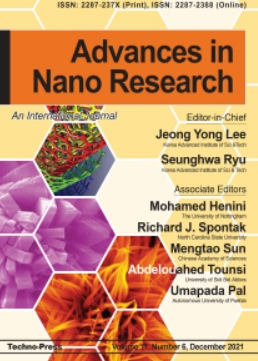
| Advances in Nano Research (Advances in Nano Research) |

|
| Computers and Concrete (Computers and Concrete) |
|
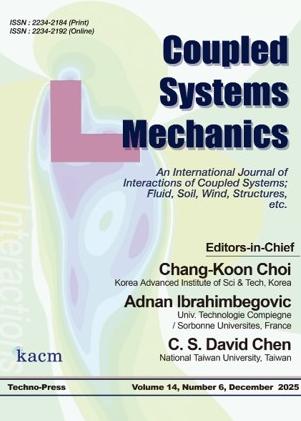
| Coupled Systems Mechanics (Coupled Systems Mechanics) |

|
| Earthquakes and Structures, An International Journal (Earthquakes and Structures) |
|
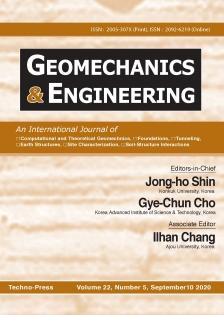
| Geomechanics and Engineering (Geomechanics and Engineering) |
|
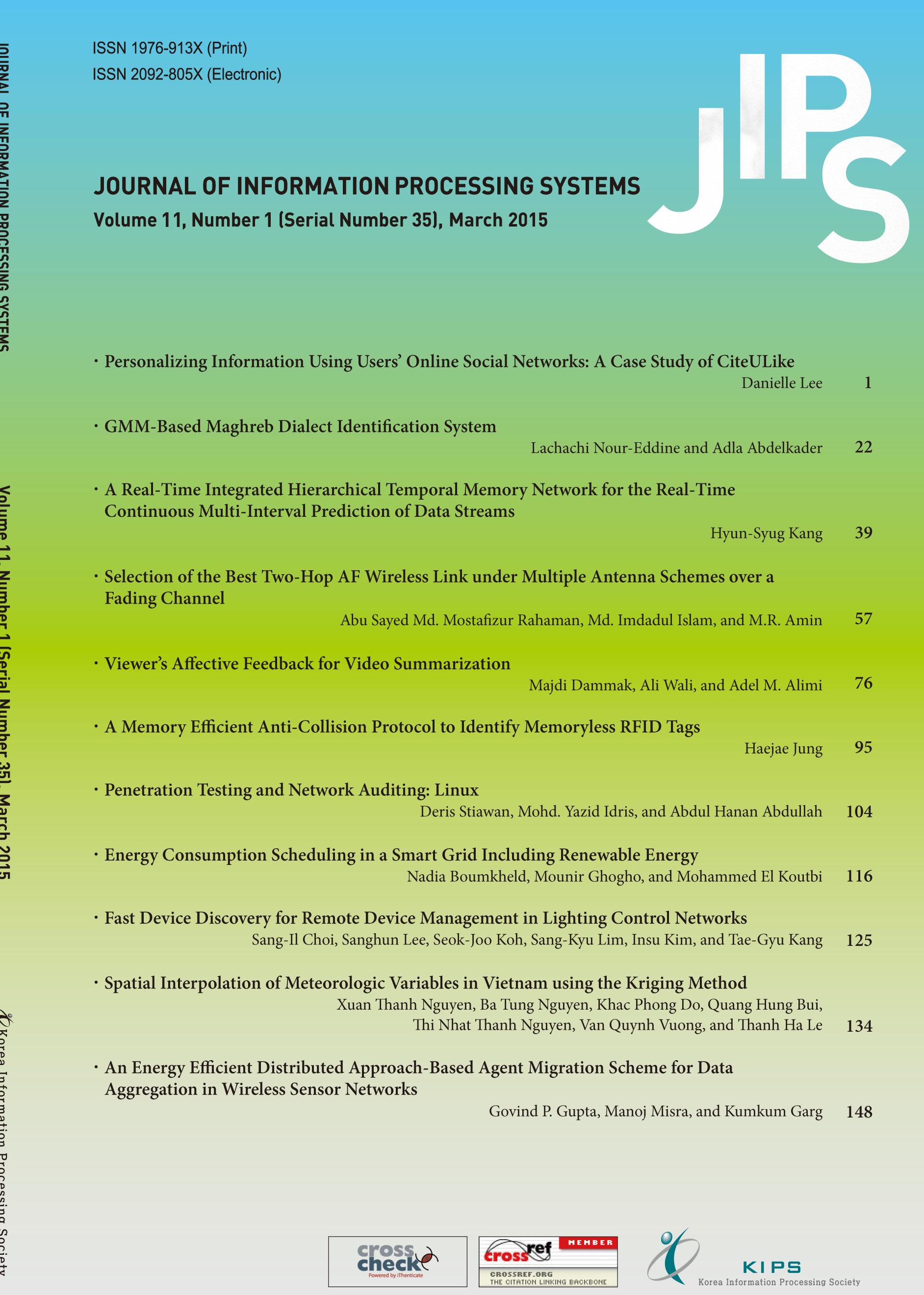
| Journal of Information Processing Systems (JIPS) |

|
| Journal of Internet Computing and Services (KSII - JICS) |
|
| Membrane and Water Treatment (MWT) |
|
| Smart Structures and Systems (Smart Structures and Systems) |
|
| Steel and Composite Structures, An International Journal (Steel and Composite Structures) |
|
| Structural Engineering and Mechanics, An International Journal (Structural Engineering and Mechanics) |
|
| Wind and Structures, An International Journal (Wind and Structures) |




MANUSCRIPTLINK © 2015 -
