

56th PRAGUE World Congress on Cultural, Social & Economic Sustainability (PCSES-26)
PCSES-26
- URL: https://belrg.dirpub.org/conference/472
- Event Date: 2026-07-27 ~ 2026-07-29
- Submission Date: 2026-07-01
- Organizer: BELRG
- Location: Prague, Czech Republic
Business, Economics & Management (General) Ethnic & Cultural Studies Culture
Call for papers/Topics
Full Articles/ Reviews/ Shorts Papers/ Abstracts are welcomed in the following research fields:
1. Cultural Sustainability
Cultural sustainability focuses on maintaining cultural beliefs, practices, and heritage, ensuring that the "human" element of society thrives alongside development.
Heritage Preservation
Protection of tangible heritage (monuments, artifacts, architecture).
Safeguarding intangible heritage (oral traditions, performing arts, rituals).
Digital archiving of endangered languages and customs.
Cultural Diversity and Identity
Promoting multiculturalism and intercultural dialogue.
Protecting indigenous rights and traditional knowledge systems.
Resisting cultural homogenization caused by globalization.
Creative Economy and Arts
Support for local artisans and traditional craftsmanship.
Integrating arts and humanities into public education.
Sustainable tourism that respects local customs.
2. Social Sustainability
Social sustainability aims to create equitable, diverse, and democratic communities that provide a high quality of life for all citizens.
Equity and Social Justice
Gender equality and empowerment.
Reducing income inequality and wealth gaps.
Universal access to human rights and legal protections.
Human Well-being
Universal healthcare access and mental health support.
Quality education and lifelong learning opportunities.
Food security and nutritional sovereignty.
Community Resilience
Urban planning: Walkable cities, public spaces, and affordable housing.
Social cohesion and the reduction of crime/violence.
Civic engagement and participatory decision-making.
3. Economic Sustainability
Economic sustainability refers to practices that support long-term economic growth without negatively impacting the social or environmental components of the community.
Sustainable Business Models
The Circular Economy: Moving from "take-make-waste" to "reduce-reuse-recycle."
Corporate Social Responsibility (CSR) and ESG (Environmental, Social, and Governance) reporting.
Triple Bottom Line accounting (People, Planet, Profit).
Labor and Employment
Fair wages and "living wage" standards.
Ethical supply chains and the eradication of child/forced labor.
Job creation in the "green" and "silver" (elderly care) economies.
Financial Innovation
Impact investing and microfinance for underserved communities.
Green bonds and sustainable infrastructure funding.
Transitioning from GDP to alternative metrics like the Genuine Progress Indicator (GPI) or Gross National Happiness (GNH).
Event Promotion
|
|
The 13th International Conference on Quantum Dots (QD 2026) |
| 2026-05-17 ~ 2026-05-22 |
|
|
The 22nd International Symposium on the Physics of Semiconductors and Applications (ISPSA 2026) |
| 2026-06-28 ~ 2026-07-02 |

|
|
The 15th Asia-Pacific Conference on Transportation and the Environment (APTE 2026) |
| 2026-07-08 ~ 2026-07-10 |
|
|
ACEM26 / Structures26 (ACEM26) |
| 2026-08-24 ~ 2026-08-25 |
Journal Promotion
|
| Acta Koreana (Acta Koreana) |
|
| Acta Via Serica (AVS) |

|
| Advances in Nano Research (Advances in Nano Research) |
|
| Computers and Concrete (Computers and Concrete) |
|
| Earthquakes and Structures, An International Journal (Earthquakes and Structures) |
|
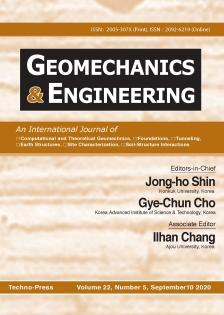
| Geomechanics and Engineering (Geomechanics and Engineering) |
|
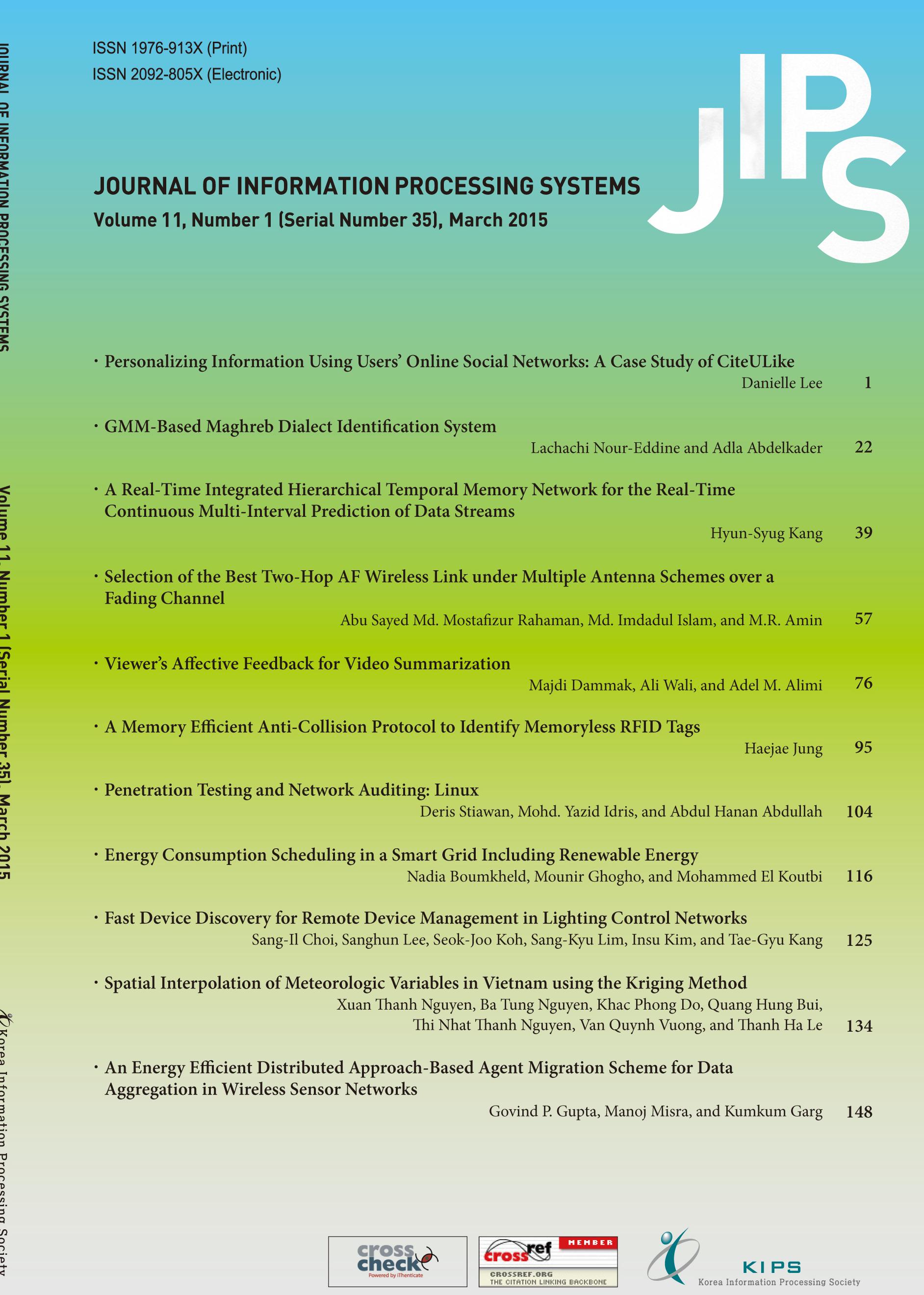
| Journal of Information Processing Systems (JIPS) |

|
| Journal of Internet Computing and Services (KSII - JICS) |

|
| Membrane and Water Treatment (MWT) |
|
| Smart Structures and Systems (Smart Structures and Systems) |
|
| Steel and Composite Structures, An International Journal (Steel and Composite Structures) |
|
| Structural Engineering and Mechanics, An International Journal (Structural Engineering and Mechanics) |
|
| Wind and Structures, An International Journal (Wind and Structures) |




MANUSCRIPTLINK © 2015 -
