

BANGKOK 13th International Conference on Transportation, Civil & Architectural Engineering (BTCAE-27) March 22-24, 2027 Bangkok (Thailand)
BTCAE-27
- URL: https://earcee.eares.org/conference/359
- Event Date: 2027-03-22 ~ 2027-03-24
- Submission Date: 2027-03-01
- Organizer: EARCEE
Architecture Transportation Civil Engineering
Topics
Topics of interest for submission include any topics related to:
1. Independent Core Disciplines
These represent the foundational pillars of each distinct field before they intersect with one another.
Transportation Engineering (Mobility & Systems)
Traffic Engineering: Traffic flow theory, signal timing, capacity analysis, and intersection design.
Transportation Planning: Travel demand forecasting, urban mobility modeling, and transit network design.
Pavement Engineering: Flexible and rigid pavement design, asphalt technology, and pavement life-cycle management.
Intelligent Transportation Systems (ITS): Autonomous vehicle integration, real-time traffic monitoring, and smart tolling systems.
Civil Engineering (Infrastructure & Environment)
Geotechnical Engineering: Soil mechanics, foundation design, slope stability, and retaining structures.
Water Resources Engineering: Hydrology, hydraulics, open-channel flow, stormwater management, and dam engineering.
Structural Engineering (Heavy Infrastructure): Design of bridges, tunnels, dams, and industrial structures using concrete and steel.
Environmental Engineering: Water treatment, waste management, pollution control, and environmental impact assessments.
Architectural Engineering (Building Systems & Aesthetics)
Building Enclosure Performance: Building envelope design, moisture control, insulation, and facade engineering.
Mechanical, Electrical, and Plumbing (MEP) Systems: HVAC design, vertical transportation (elevators/escalators), building acoustics, and architectural lighting.
Sustainable Building Design: Net-zero energy buildings, daylighting analysis, and green building certification systems (like LEED or BREEAM).
Structural Engineering (Buildings): High-rise structural design, timber engineering, and spatial frames meant specifically for occupied spaces.
2. Interrelated Cross-Disciplinary Fields
These subtopics exist at the intersections where two or all three of these primary fields overlap and rely on one another.
Transportation + Civil Engineering (The Infrastructure Nexus)
Geometric Design of Highways: Designing the alignment, curves, and gradients of roads based on both traffic speed (transportation) and earthwork/topography (civil).
Bridge and Tunnel Engineering: Structural design of massive transport links that must withstand structural loads (civil) while optimizing traffic capacity and lane configurations (transportation).
Airport and Railway Infrastructure: Designing runways, taxiways, and rail tracks, balancing structural durability with strict transit operational rules.
Architectural + Civil Engineering (The Building & Site Nexus)
Substructure and Foundation Interaction: Designing how a building's unique architectural shape and weight (architectural) interact with the soil conditions and deep foundations (civil).
Urban Drainage and Site Development: Managing stormwater runoff and grading around a new building complex so it integrates safely with municipal water systems.
Seismic and Wind Engineering for High-Rises: Engineering buildings to resist lateral forces from earthquakes and wind storms, balancing occupant comfort with structural integrity.
Transportation + Architectural Engineering (The Transit Hub Nexus)
Transit-Oriented Development (TOD): Designing urban areas where high-density commercial/residential buildings connect seamlessly with mass transit stations.
Intermodal Terminal Design: The architectural and functional layout of airports, train stations, and subway hubs to optimize passenger movement, signage, and aesthetics while handling complex logistics.
Parking Structure Engineering: Designing multi-story parking facilities that require architectural ventilation/lighting alongside structural and traffic flow planning.
3. Advanced Multi-Disciplinary Subtopics
These complex fields completely merge all three disciplines to address modern, large-scale urban challenges.
Smart Cities and Micro-Mobility Infrastructure: Designing urban spaces where buildings communicate with autonomous vehicles, requiring integrated streetscapes, smart grid buildings, and digital transit planning.
Building Information Modeling (BIM) and GIS Integration: Using 3D digital modeling platforms to design building systems (architectural) that link directly to broader geographic information systems for city utility and transit planning (civil/transportation).
Infrastructure Resilience and Climate Adaptation: Retrofitting buildings, transit networks, and coastal civil protections to withstand extreme weather events and rising sea levels.
Sustainable Urban Megaprojects: Large-scale city expansions that require the simultaneous design of skyscrapers, subway lines, water treatment facilities, and public spaces.
Journal Promotion

|
| Acta Koreana (Acta Koreana) |
|
| Acta Via Serica (AVS) |
|
| Advances in Concrete Construction (Advances in Concrete Construction ) |

|
| Advances in Nano Research (Advances in Nano Research) |
|
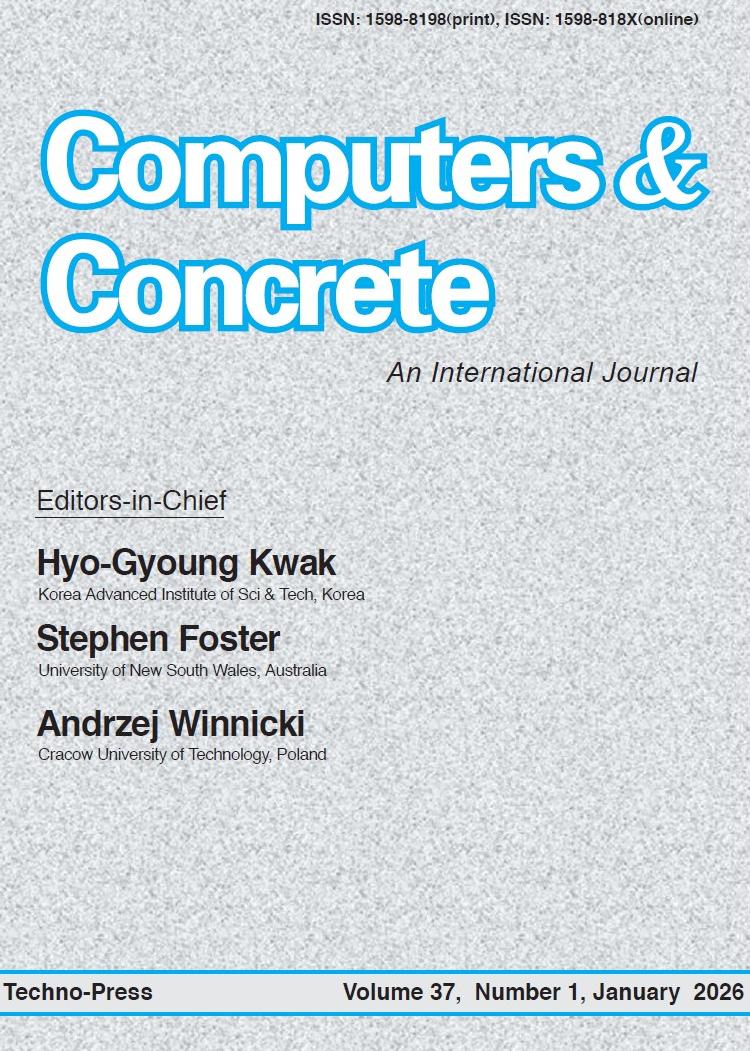
| Computers and Concrete (Computers and Concrete) |
|
| Coupled Systems Mechanics (Coupled Systems Mechanics) |
|
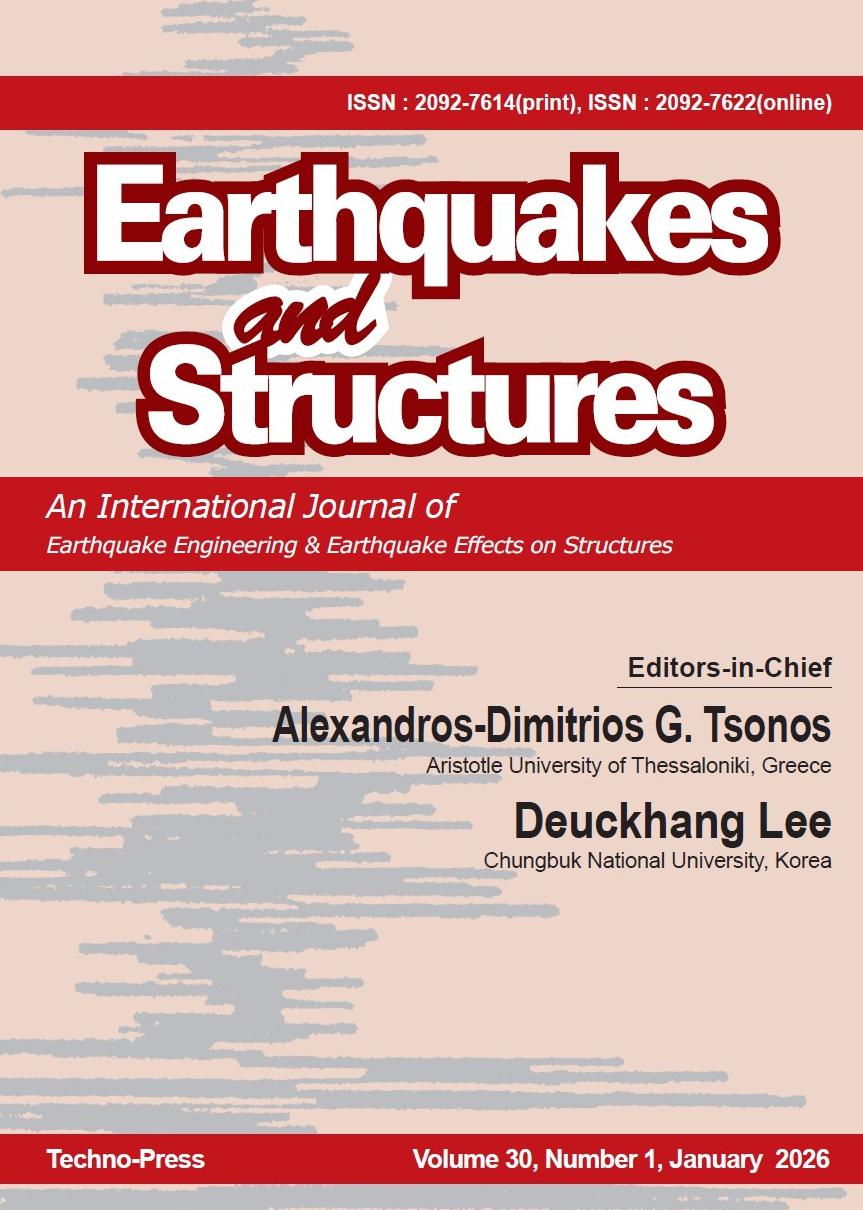
| Earthquakes and Structures, An International Journal (Earthquakes and Structures) |
|
| Geomechanics and Engineering (Geomechanics and Engineering) |
|
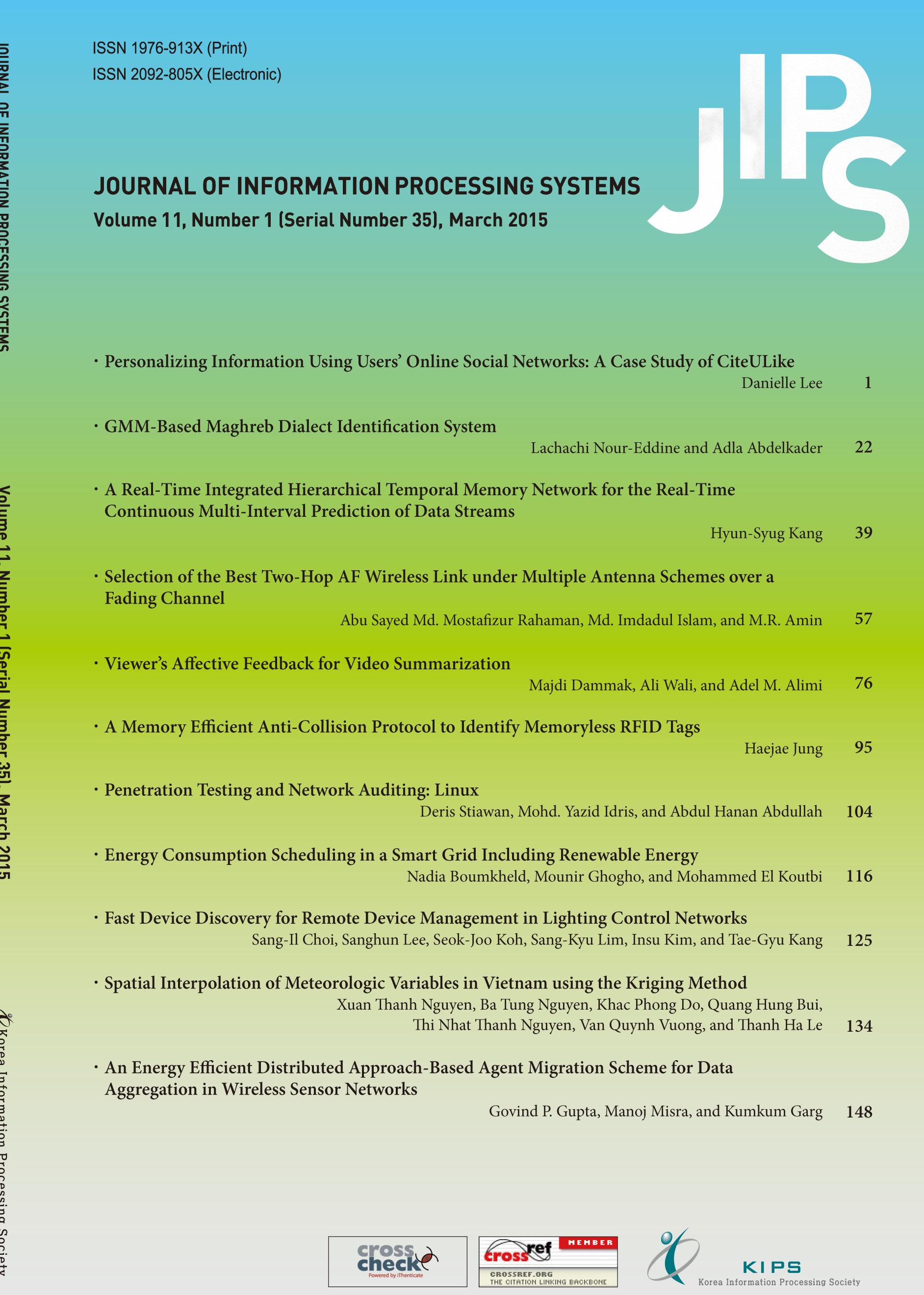
| Journal of Information Processing Systems (JIPS) |

|
| Journal of Internet Computing and Services (KSII - JICS) |

|
| Membrane and Water Treatment (MWT) |
|
| Smart Structures and Systems (Smart Structures and Systems) |
|
| Steel and Composite Structures, An International Journal (Steel and Composite Structures) |
|
| Structural Engineering and Mechanics, An International Journal (Structural Engineering and Mechanics) |
|
| Wind and Structures, An International Journal (Wind and Structures) |




MANUSCRIPTLINK © 2015 -
