


LISBON 53rd International Congress on Food, Agricultural & Environmental Sciences Research (FAESR-27) Feb. 3-5, 2027 Lisbon (Portugal)
FAESR-27
- URL: https://ffabs.org/conference/364
- Event Date: 2027-02-03 ~ 2027-02-05
- Submission Date: 2026-12-15
- Organizer: FFABS
Environmental & Geological Engineering Food Science & Technology Environmental & Geological Engineering Environmental Sciences Environmental & Occupational Medicine
Call for papers/Topics
Topics of interest for submission include any topics related to:
Core Independent Disciplines
1. Agricultural Sciences
This domain focuses on the primary production of plants, animals, and resources necessary for human survival.
Crop Science & Agronomy: Plant genetics, breeding, crop physiology, and weed/pest management.
Animal Science: Livestock production, animal nutrition, breeding/genetics, and veterinary health.
Soil Science & Edaphology: Soil chemistry, soil physics, soil microbiology, and fertility management.
Agricultural Engineering: Farm machinery, automated harvesting, irrigation systems, and structures.
Horticulture: The science of cultivating fruits, vegetables, flowers, and ornamental plants.
2. Food Science & Technology
This domain takes over post-harvest, focusing on how raw agricultural materials are transformed, preserved, and consumed.
Food Chemistry & Biochemistry: Chemical composition of food, enzymatic reactions, and nutrient stability.
Food Microbiology & Safety: Beneficial fermentation, food spoilage organisms, and foodborne pathogen control.
Food Processing & Engineering: Thermal processing, freezing, dehydration, and innovative packaging technologies.
Sensory Science: The study of how human senses perceive taste, texture, aroma, and appearance.
Nutritional Sciences: Human metabolism, dietetics, public health nutrition, and functional foods.
3. Environmental Sciences
This domain focuses on the broader natural world, studying ecosystems, earth systems, and human impacts on the planet.
Ecology & Conservation Biology: Biodiversity, ecosystem dynamics, and habitat restoration.
Environmental Chemistry & Toxicology: Pollutant behavior in nature and the impact of chemicals on organisms.
Hydrology & Water Resources: Watershed management, groundwater dynamics, and water quality.
Atmospheric Sciences & Climate: Greenhouse gas dynamics, air pollution, and climate modeling.
Waste Management: Solid waste treatment, recycling systems, and landfill science.
Interrelated and Interdisciplinary Subtopics
The most critical global challenges lie at the intersections of these three major fields.
Agroecology & Sustainable Agriculture
Intersection of Agriculture and Environment
Regenerative Agriculture: Practices aimed at restoring soil health, biodiversity, and carbon capture.
Integrated Pest Management (IPM): Combining biological, cultural, and chemical tools to minimize environmental damage.
Precision Agriculture: Using GPS, drones, and IoT sensors to optimize water and fertilizer use, reducing chemical runoff.
Permaculture & Agroforestry: Designing agricultural systems that mimic natural ecosystems.
Food Security, Supply Chains, and Economics
Intersection of Food, Agriculture, and Socio-environmental Policy
Food Loss & Waste Reduction: Technologies and logistics designed to minimize food waste from the farm to the consumer.
Agricultural Economics: Market dynamics, global trade policies, and subsidies affecting food distribution.
Life Cycle Assessment (LCA): Quantifying the total environmental footprint (carbon, water, land) of a food product from "cradle to grave."
Urban and Vertical Agriculture: Growing food in controlled environments inside cities to reduce transportation emissions.
Biotechnology and Bioengineering
The technical driver connecting all three domains
Genetic Engineering & CRISPR: Developing crops that are drought-resistant, pest-resistant, or biofortified with nutrients.
Biofuels & Bioenergy: Converting agricultural waste, algae, or dedicated energy crops into ethanol, biodiesel, and biogas.
Bioremediation: Using specialized microorganisms or plants to clean up agricultural runoff (like pesticides and fertilizers) from soil and water.
Climate Change Adaptation & Mitigation
The ultimate convergence of Food, Agriculture, and Environment
Carbon Sequestration: Managing agricultural soils and forestry to pull carbon dioxide out of the atmosphere.
Methane Mitigation: Altering livestock diets and manure management to reduce potent greenhouse gas emissions.
Climate-Smart Agriculture: Developing farming systems resilient to extreme weather, shifting growing seasons, and emerging pests.
Event Promotion
Journal Promotion

|
| Acta Koreana (Acta Koreana) |
|
| Acta Via Serica (AVS) |

|
| Advances in Concrete Construction (Advances in Concrete Construction ) |

|
| Advances in Nano Research (Advances in Nano Research) |

|
| Computers and Concrete (Computers and Concrete) |
|
| Coupled Systems Mechanics (Coupled Systems Mechanics) |

|
| Earthquakes and Structures, An International Journal (Earthquakes and Structures) |

|
| Geomechanics and Engineering (Geomechanics and Engineering) |
|
| Journal of Information Processing Systems (JIPS) |

|
| Journal of Internet Computing and Services (KSII - JICS) |
|
| Membrane and Water Treatment (MWT) |
|
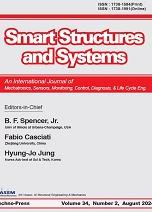
| Smart Structures and Systems (Smart Structures and Systems) |
|
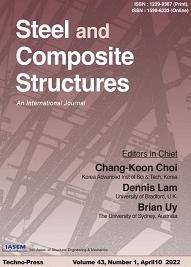
| Steel and Composite Structures, An International Journal (Steel and Composite Structures) |
|
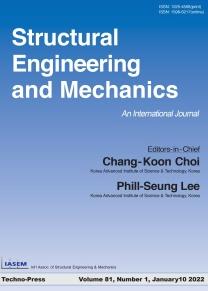
| Structural Engineering and Mechanics, An International Journal (Structural Engineering and Mechanics) |
|
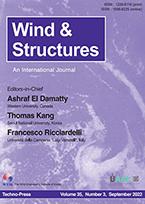
| Wind and Structures, An International Journal (Wind and Structures) |




MANUSCRIPTLINK © 2015 -
