


65th PRAGUE International Conference on Biological & Biomedical Sciences (PBBS-26)
PBBS-26
- URL: https://drabl.org/conference/470
- Event Date: 2026-07-27 ~ 2026-07-29
- Submission Date: 2026-07-01
- Organizer: DRABL
- Location: Prague, Czech Republic
Bioinformatics & Computational Biology Molecular Biology Cell Biology Developmental Biology & Embryology Evolutionary Biology Microbiology Biodiversity & Conservation Biology Bioinformatics & Computational Biology
Call for papers/Topics
Full Articles/ Reviews/ Shorts Papers/ Abstracts are welcomed in the following research fields:
1. Molecular & Cellular Foundations
This area focuses on the "building blocks" of life and the chemical processes that keep organisms running.
Biochemistry: Enzymology, Metabolism (Glycolysis, Krebs Cycle), Protein Folding, Bioenergetics.
Cell Biology: Organelle Function, Cell Signaling, Membrane Transport, Cell Cycle/Mitosis, Autophagy.
Molecular Biology: DNA Replication, Transcription & Translation, RNA Interference, Gene Editing (CRISPR).
Structural Biology: X-ray Crystallography, Cryo-electron Microscopy, Protein-Ligand Interactions.
2. Genetics & Evolutionary Biology
This covers how traits are passed down and how life changes over vast periods of time.
Classical Genetics: Mendelian Inheritance, Linkage mapping, Pedigree analysis.
Genomics & Epigenetics: Whole-genome Sequencing, DNA Methylation, Histone Modification.
Evolutionary Biology: Natural Selection, Speciation, Phylogenetics, Population Genetics.
Developmental Biology: Embryogenesis, Stem Cell Differentiation, Organogenesis, Regeneration.
3. Human Biology & Physiology
The primary focus of pre-medical and biomedical studies, looking at how the body functions as a system.
Anatomy: Gross Anatomy, Histology (Tissue study), Neuroanatomy.
Systemic Physiology: Cardiovascular, Respiratory, Renal, Endocrine, and Digestive systems.
Neuroscience: Neurophysiology, Cognitive Neuroscience, Synaptic Plasticity, Neurodegenerative Diseases.
Immunology: Innate vs. Adaptive Immunity, Vaccine Development, Autoimmunity, Immunotherapy.
4. Microbiology & Infectious Disease
The study of microscopic organisms and their impact—both positive and negative—on larger hosts.
Bacteriology: Bacterial Pathogenesis, Antibiotic Resistance, Microbiome studies.
Virology: Viral Replication, Epidemiology, Zoonotic Diseases (e.g., COVID-19, Influenza).
Mycology & Parasitology: Fungal Infections, Protozoology, Helminthology (Worms).
Pathology: Mechanisms of Disease, Histopathology, Oncology (Cancer Biology).
5. Pharmacology & Toxicology
The study of how external substances interact with biological systems.
Pharmacodynamics: How drugs affect the body (receptors and signaling).
Pharmacokinetics: How the body affects drugs (Absorption, Distribution, Metabolism, Excretion).
Toxicology: Environmental Toxins, Forensic Toxicology, Dose-Response Relationships.
Drug Discovery: Rational Drug Design, Clinical Trials, Pharmacogenomics.
6. Environmental & Organismal Biology
These topics shift focus away from human medicine and toward the broader natural world.
Ecology: Community Dynamics, Conservation Biology, Ecosystem Services, Climate Change Impact.
Botany (Plant Sciences): Photosynthesis, Plant Physiology, Ethnobotany, Agriculture/GMOs.
Zoology: Animal Behavior (Ethology), Marine Biology, Comparative Anatomy.
Astrobiology: The study of the origins of life and the potential for life on other planets.
7. Quantitative & Applied Sciences
The "toolset" of modern biology, involving data, engineering, and technology.
Bioinformatics: Sequence Alignment, Computational Modeling, Big Data in Biology.
Biostatistics: Experimental Design, Population Modeling, Clinical Data Analysis.
Biotechnology: Synthetic Biology, Bioprocess Engineering, Recombinant DNA Technology.
Bioengineering: Prosthetics, Tissue Engineering, Medical Imaging Technology.
Event Promotion
|
|
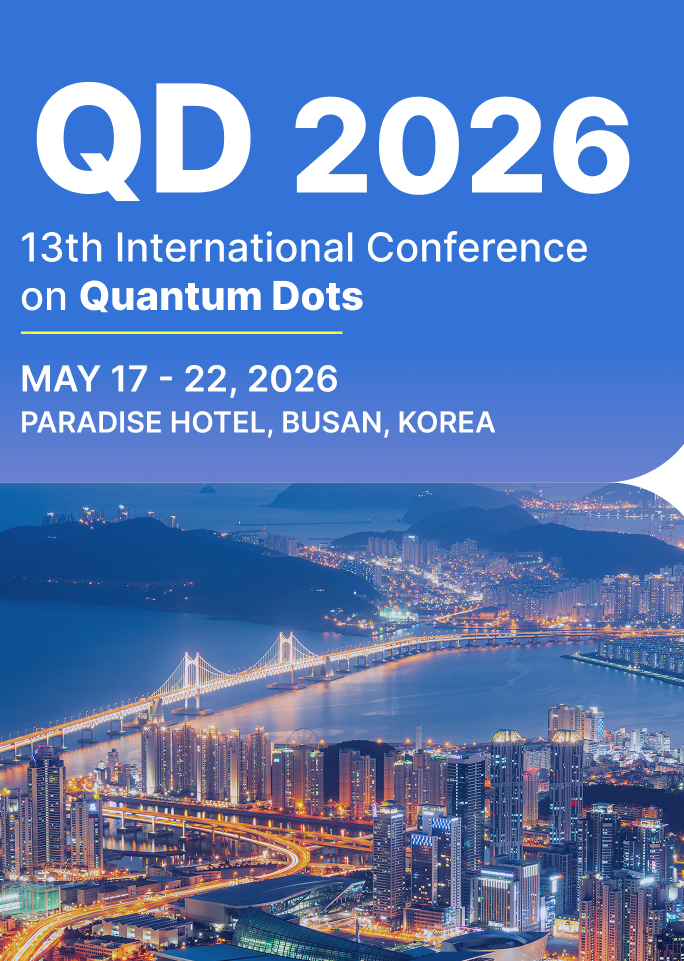
The 13th International Conference on Quantum Dots (QD 2026) |
| 2026-05-17 ~ 2026-05-22 |
|
|
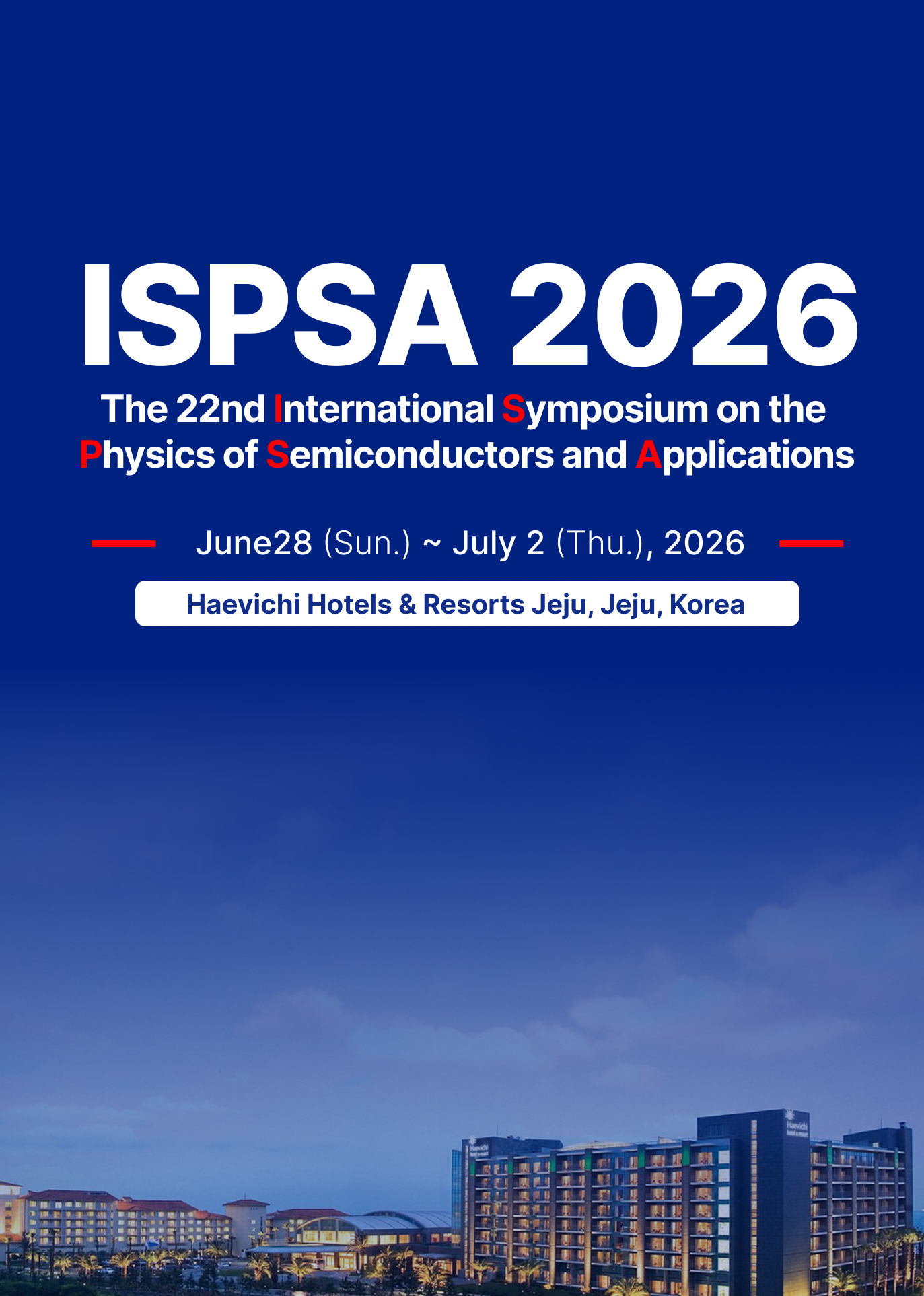
The 22nd International Symposium on the Physics of Semiconductors and Applications (ISPSA 2026) |
| 2026-06-28 ~ 2026-07-02 |

|
|
The 15th Asia-Pacific Conference on Transportation and the Environment (APTE 2026) |
| 2026-07-08 ~ 2026-07-10 |
Journal Promotion

|
| Acta Koreana (Acta Koreana) |
|
| Acta Via Serica (AVS) |

|
| Earthquakes and Structures, An International Journal (Earthquakes and Structures) |
|
| Journal of Information Processing Systems (JIPS) |

|
| Journal of Internet Computing and Services (KSII - JICS) |
|
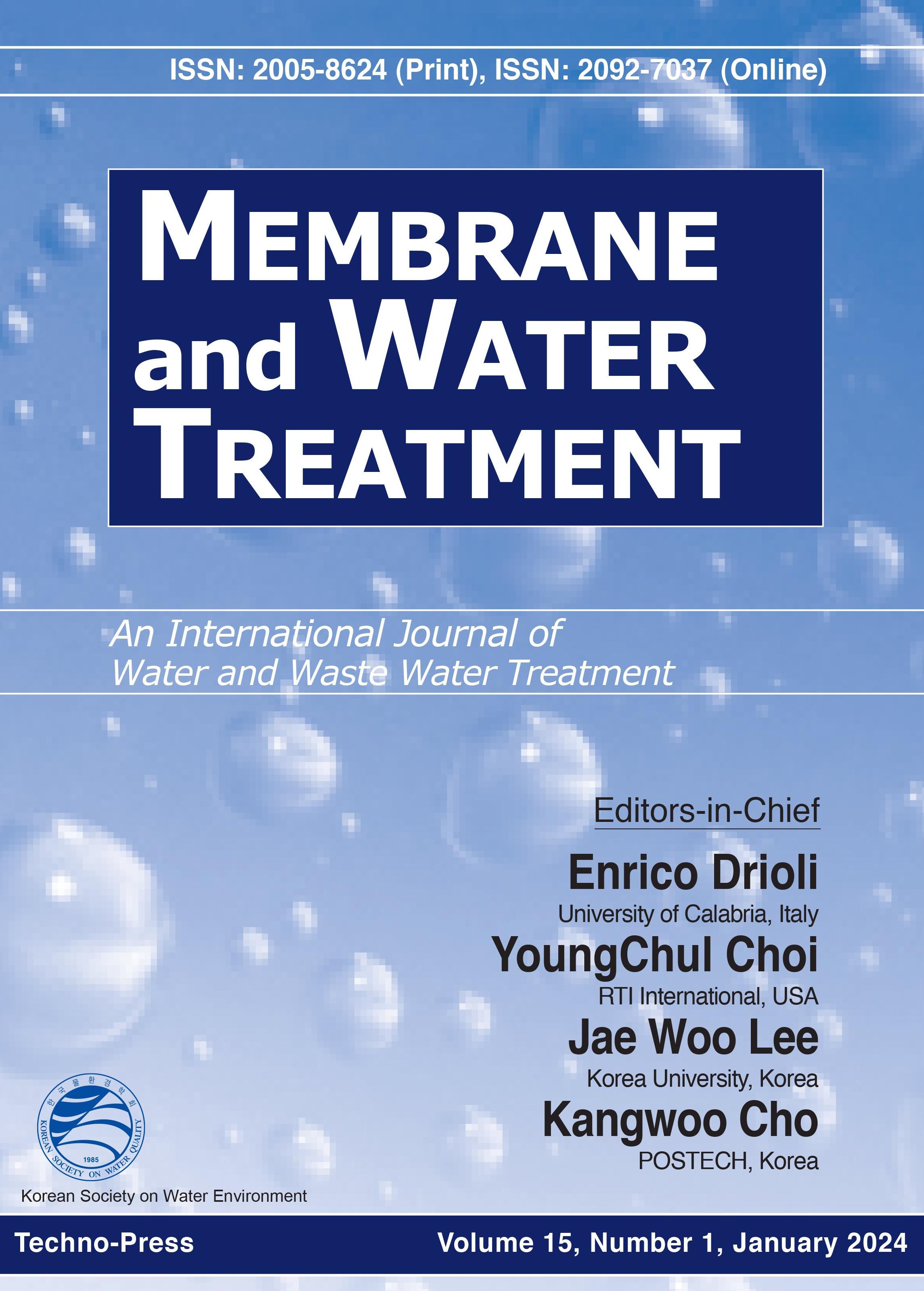
| Membrane and Water Treatment (MWT) |

|
| Smart Structures and Systems (Smart Structures and Systems) |




MANUSCRIPTLINK © 2015 -
