

15th LISBON International Congress on Advances in Mining, Material & Metallurgical Engineering (AMMME-17) March 11-13, 2026 Lisbon (Portugal)
AMMME-26
- URL: https://eamae.erpub.org/conference/175
- Event Date: 2026-03-11 ~ 2026-03-13
- Submission Date: 2026-02-18
- Organizer: EAMAE
- Location: Lisbon, Portugal
Materials Engineering Chemical & Material Sciences (General) Composite Materials Data Mining & Analysis Materials Engineering Metallurgy Mining & Mineral Resources
Mining Engineering Advancements
These topics focus on the digital transformation, automation, and sustainable practices in resource extraction.
Digital Mining and Automation:
Autonomous Equipment: Autonomous haul trucks, drills, and robotic systems for excavation and inspection.
Remote Operations and Digital Twins: Remote control centers and virtual, real-time replicas of mine sites for simulation and optimization.
Artificial Intelligence (AI) and Machine Learning (ML): Predictive maintenance, real-time process optimization, and AI-driven ore body modeling.
Advanced Exploration and Geotechnology:
Advanced Sensing: Hyperspectral imaging, drone-based (UAV) surveys, and LIDAR for precise mineral identification and mapping.
Rock Mechanics and Ground Control: AI-driven prediction of rock stress and new ground reinforcement materials for deep and ultra-deep mining.
Sustainable and Green Mining:
Renewable Energy Integration: Powering mine sites with solar, wind, and hydrogen fuel cell technology.
Water Management: Advanced recycling, treatment technologies, and closed-loop systems.
Mine Waste Management: Dry tailings disposal, re-use of waste, and comprehensive land reclamation techniques.
Eco-friendly Extraction: Bioleaching (using microorganisms to extract metals) as a cleaner alternative to chemical processes.
Safety and Workforce Technology:
Automated Safety Networks: Real-time hazard detection, gas control, and automated emergency response systems.
Wearable Technology: Smart helmets and vests for real-time tracking of location, vital signs, and environmental monitoring (e.g., hazardous gases).
Materials Engineering Research
This area focuses on the design, synthesis, characterization, and application of materials with superior properties.
Advanced Materials Development:
Nanostructured Materials: Nanomaterials, quantum dots, nanowires, and nanofabrication techniques.
High-Performance Alloys: High-temperature superalloys (Ni- and Co-based), lightweight alloys (Al, Mg, Ti-based), and high/medium entropy alloys.
Composite Materials: Fiber composites, polymer-ceramic composites, and natural fiber polymer composites for applications like aerospace and ballistics.
Functional Materials: Electronic (ferroelectrics, piezoelectrics), Magnetic, Optical, and Superconducting materials.
Materials for Energy and Environment:
Energy Storage/Conversion: Materials for solid oxide and PEM fuel cells, photovoltaics, and advanced polymer electrolytes for lithium-ion batteries.
Hydrogen Technology: Materials for hydrogen storage and handling.
Biomaterials:
Ceramic and polymer composites for orthopedic and dental implants, and drug delivery systems.
Computational Materials Science:
Materials Theory: First-principles calculations and constitutive modeling of material behavior.
Modeling and Simulation: Multi-scale modeling of materials, molecular dynamics, and predictive modeling for material performance.
Metallurgical Engineering Innovations
Topics here center on the efficient extraction, processing, and shaping of metals and alloys, often with a focus on sustainability and advanced manufacturing.
Process and Extractive Metallurgy:
Advanced Extractive Techniques: Optimization of hydrometallurgy, pyrometallurgy, electrometallurgy, and bio metallurgy.
Mineral Processing: AI-driven ore sorting, flotation optimization, and dry processing techniques to reduce water use.
Sustainable Metal Production: Innovations in mini blast furnaces, carbon footprint reduction, and technologies for sustainable steelmaking (Industry 4.0).
Physical and Mechanical Metallurgy:
Alloy Design: Development of new alloys with enhanced strength, durability, and corrosion resistance.
Advanced Manufacturing: Additive Manufacturing (3D Printing) of metal parts and prototypes.
Deformation Processing: Severe plastic deformation (e.g., ECAP, ARB) to control microstructure and enhance properties.
Mechanical Behavior: Studies on creep, fatigue, fracture mechanics, and high-temperature deformation of materials.
Advanced Processing and Joining:
Modern Welding Technologies: Laser welding, friction stir welding, and ultrasonic welding for difficult-to-join metals.
Corrosion and Surface Engineering: Development of corrosion-resistant alloys, thermal barrier coatings, and diffusion-controlled thin-film coatings.
Recycling and Circular Economy:
Metals Recycling: Efficient and sustainable processes for recovering valuable metals, including urban mining (recycling electronic waste).
Event Promotion

|
|
The 13th International Conference on Quantum Dots (QD 2026) |
| 2026-05-17 ~ 2026-05-22 |
|
|
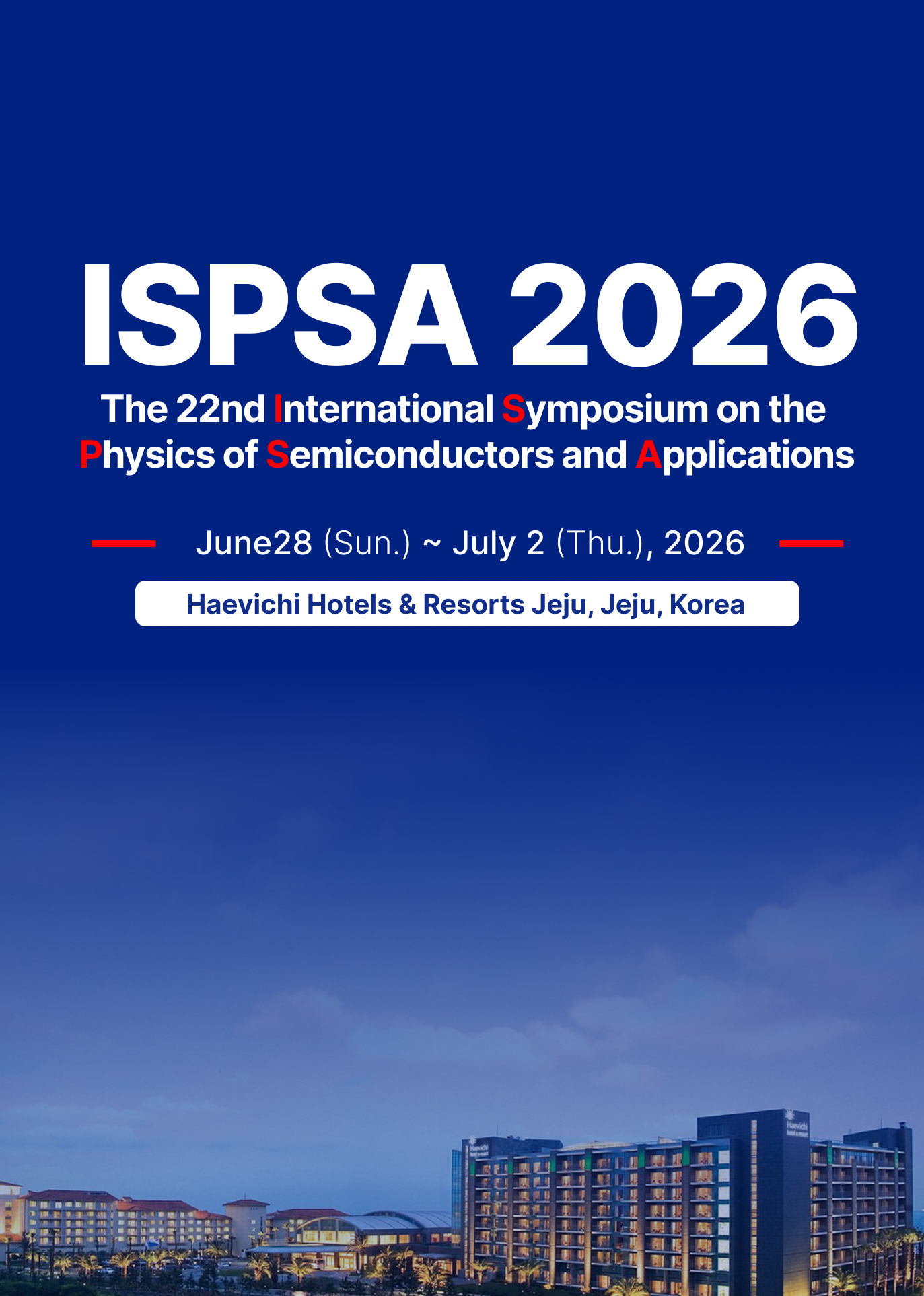
The 22nd International Symposium on the Physics of Semiconductors and Applications (ISPSA 2026) |
| 2026-06-28 ~ 2026-07-02 |

|
|
The 15th Asia-Pacific Conference on Transportation and the Environment (APTE 2026) |
| 2026-07-08 ~ 2026-07-10 |
Journal Promotion

|
| Acta Koreana (Acta Koreana) |

|
| Acta Via Serica (AVS) |
|
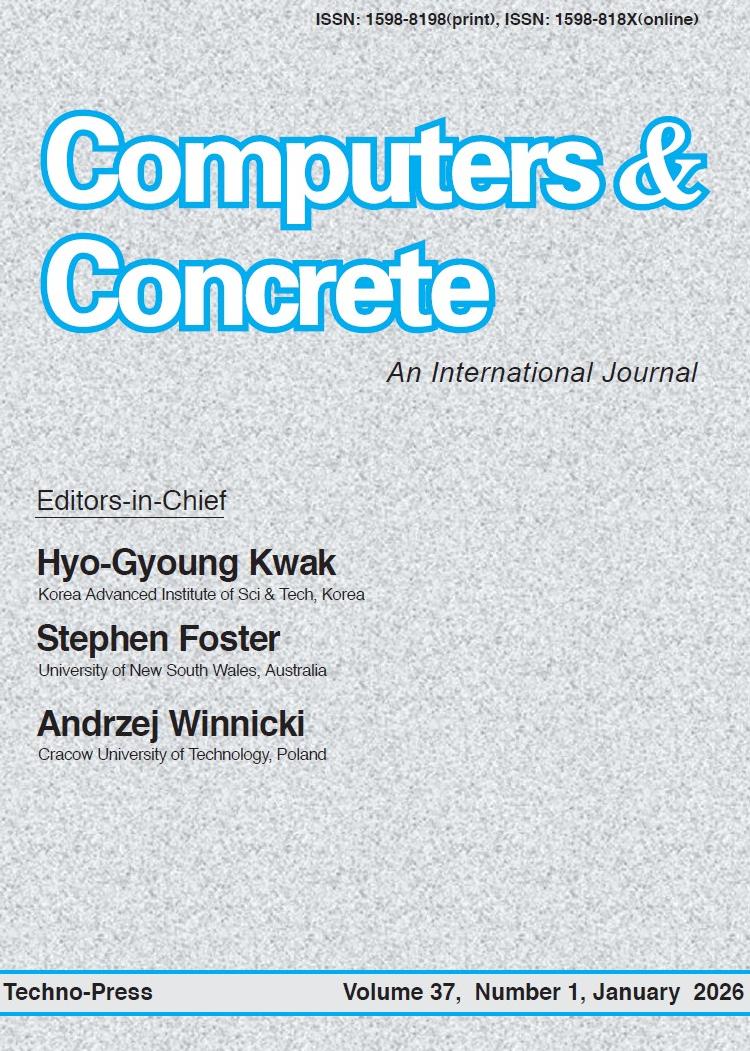
| Computers and Concrete (Computers and Concrete) |
|
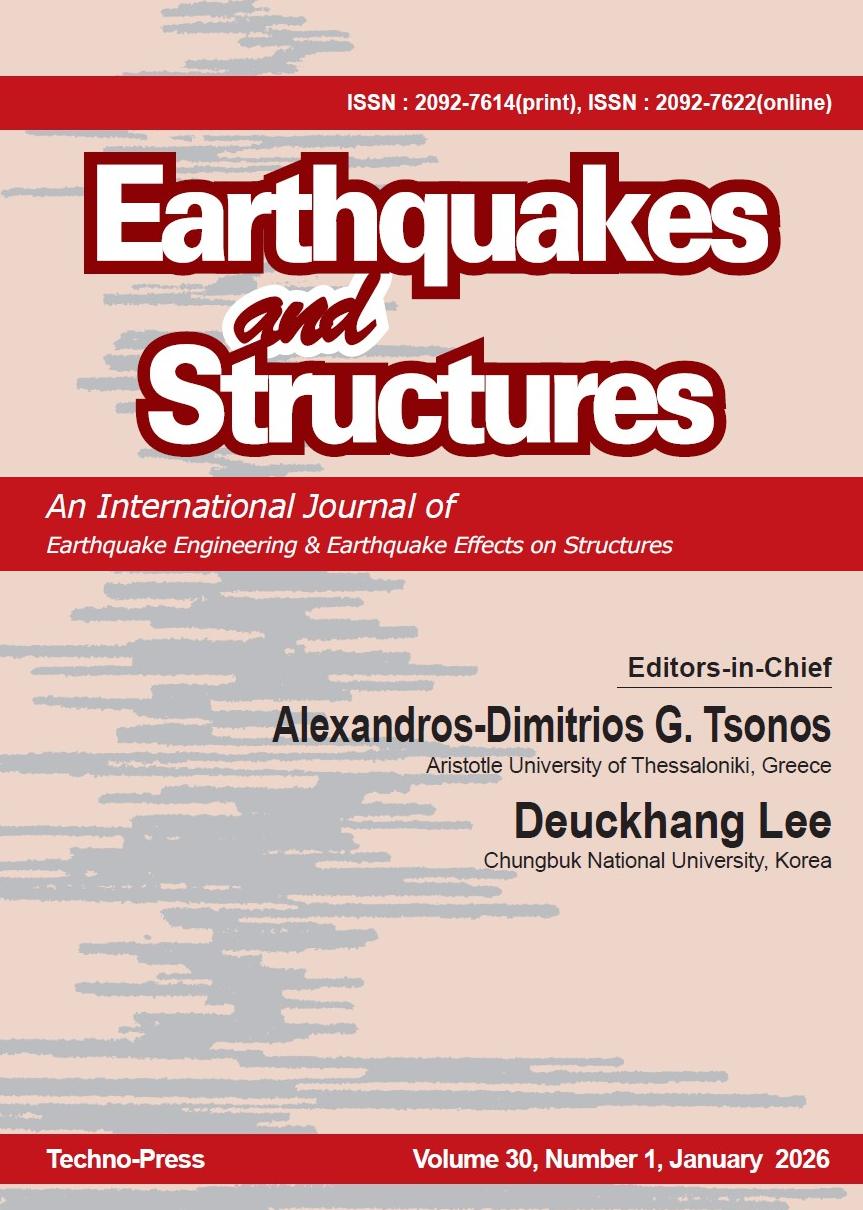
| Earthquakes and Structures, An International Journal (Earthquakes and Structures) |
|
| Geomechanics and Engineering (Geomechanics and Engineering) |
|
| Journal of Information Processing Systems (JIPS) |

|
| Journal of Internet Computing and Services (KSII - JICS) |
|
| Membrane and Water Treatment (MWT) |

|
| Smart Structures and Systems (Smart Structures and Systems) |
|
| Steel and Composite Structures, An International Journal (Steel and Composite Structures) |
|
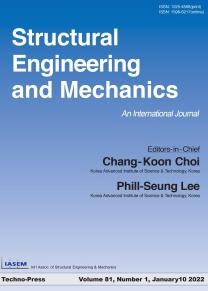
| Structural Engineering and Mechanics, An International Journal (Structural Engineering and Mechanics) |

|
| Wind and Structures, An International Journal (Wind and Structures) |




MANUSCRIPTLINK © 2015 -
