


VIETNAM 7th International Congress on Research in Chemical, Biological & Environmental Engineering: RCBE2-27
RCBE2-27
- URL: https://drabl.org/conference/494
- Event Date: 2027-03-15 ~ 2027-03-17
- Submission Date: 2027-03-01
- Organizer: DRABL
Molecular Modeling Biochemistry Chemical & Material Sciences (General) Chemical Kinetics & Catalysis Environmental & Geological Engineering
Call for papers/Topics
Full Articles/ Reviews/ Shorts Papers/ Abstracts are welcomed in the following research fields:
1. Core Independent Foundations
These are the fundamental engineering and scientific pillars. While they inform all three branches, they exist as distinct academic and practical bodies of knowledge.
Thermodynamics and Kinetics
Classical and statistical thermodynamics
Phase equilibria and chemical reaction equilibria
Homogeneous and heterogeneous reaction kinetics
Catalysis and reactor design
Transport Phenomena
Fluid mechanics (momentum transfer, rheology, and multiphase flow)
Heat transfer (conduction, convection, and radiation in industrial systems)
Mass transfer (diffusion, convective mass transport, and boundary layer theory)
Microbiology and Biochemistry
Cell structure, function, and metabolic pathways
Enzyme kinetics and inhibition
Genetics and molecular biology foundations
Environmental Chemistry and Ecology
Aquatic, atmospheric, and terrestrial chemistry
Ecosystem dynamics, biodiversity, and nutrient cycling (Carbon, Nitrogen, Phosphorus cycles)
Ecotoxicology and pollutant behavior
2. Chemical Engineering
This domain focuses on transforming raw materials into valuable products through chemical and physical processes.
Separation Processes
Distillation, absorption, and stripping
Liquid-liquid extraction and leaching
Membrane separations (reverse osmosis, ultrafiltration)
Adsorption and ion exchange
Process Systems Engineering
Process design, synthesis, and intensification
Process dynamics, optimization, and control systems
Plant safety, hazard analysis (HAZOP), and risk assessment
Materials and Polymer Engineering
Polymerization kinetics and processing
Nanomaterials and biomaterials synthesis
Corrosion, degradation, and materials selection
3. Biological and Bioprocess Engineering
This domain applies engineering principles to living systems, organisms, and biological molecules.
Bioreactor Engineering
Design and scale-up of fermenters and bioreactors (stirred-tank, airlift, fluidized bed)
Batch, fed-batch, and continuous cultivation strategies
Aeration, agitation, and mass transfer limitations in biological fluids
Downstream Processing (Bioseparations)
Cell disruption and centrifugation
Chromatographic separations (affinity, ion-exchange, size-exclusion)
Lyophilization and formulation of biologics
Biomolecular and Genetic Engineering
Recombinant DNA technology and metabolic engineering
Synthetic biology and pathway design
Tissue engineering and cellular therapies
4. Environmental Engineering
This domain focuses on protecting human health and minimizing the human footprint on the biosphere.
Water and Wastewater Treatment
Physical-chemical treatment processes (coagulation, sedimentation, filtration, disinfection)
Biological wastewater treatment (activated sludge, anaerobic digestion, biofilm reactors)
Advanced oxidation processes and desalination
Air Pollution Control and Air Quality
Particulate matter control (cyclones, electrostatic precipitators, fabric filters)
Gaseous pollutant control (scrubbers, absorption, catalytic converters)
Atmospheric dispersion modeling
Solid and Hazardous Waste Management
Landfill design and leachate management
Hazardous waste stabilization and incineration
Nuclear waste disposal and containment
5. Highly Interrelated & Interdisciplinary Domains
These topics sit directly at the intersections of Chemical, Biological, and Environmental Engineering, merging them into modern sustainable practices.
Bioremediation and Phytoremediation (Biological + Environmental)
Using microbes or plants to degrade environmental contaminants (oil spills, heavy metals, plastics)
In-situ versus ex-situ bio-treatment of soil and groundwater
Sustainable and Green Chemical Engineering (Chemical + Environmental)
Life Cycle Assessment (LCA) and carbon footprinting
Atom economy, benign solvent selection, and waste minimization at the source
Renewable energy storage (batteries, fuel cells, hydrogen economy)
The Circular Bioeconomy (Chemical + Biological + Environmental)
Biorefineries: Converting biomass and agricultural waste into biofuels, bioplastics, and platform chemicals
Carbon capture, utilization, and storage (CCUS) via chemical and biological routes (e.g., algal carbon sequestration)
Waste-to-energy technologies (gasification, pyrolysis, hydrothermal liquefaction)
Biosensors and Environmental Diagnostics (Biological + Chemical + Environmental)
Development of metabolic and enzymatic sensors for real-time pollutant tracking
Microfluidics and "lab-on-a-chip" devices for field testing water and soil safety
Journal Promotion

|
| Acta Koreana (Acta Koreana) |

|
| Acta Via Serica (AVS) |
|
| Advances in Concrete Construction (Advances in Concrete Construction ) |

|
| Advances in Nano Research (Advances in Nano Research) |

|
| Computers and Concrete (Computers and Concrete) |
|
| Coupled Systems Mechanics (Coupled Systems Mechanics) |

|
| Earthquakes and Structures, An International Journal (Earthquakes and Structures) |
|
| Geomechanics and Engineering (Geomechanics and Engineering) |

|
| Journal of Information Processing Systems (JIPS) |

|
| Journal of Internet Computing and Services (KSII - JICS) |
|
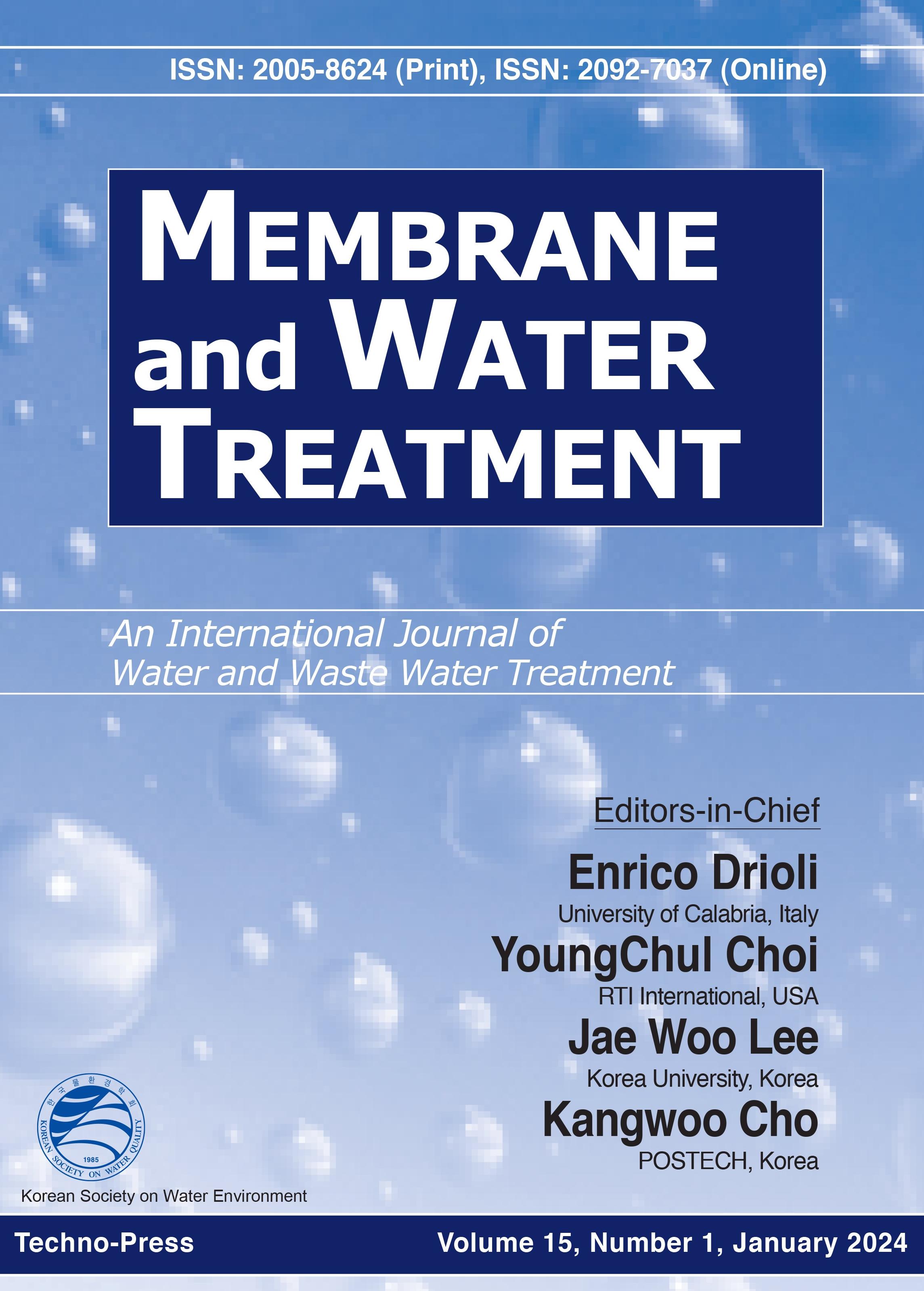
| Membrane and Water Treatment (MWT) |

|
| Smart Structures and Systems (Smart Structures and Systems) |
|
| Steel and Composite Structures, An International Journal (Steel and Composite Structures) |
|
| Structural Engineering and Mechanics, An International Journal (Structural Engineering and Mechanics) |

|
| Wind and Structures, An International Journal (Wind and Structures) |




MANUSCRIPTLINK © 2015 -
