


PHUKET 6th International Congress on Chemical, Biological & Environmental Engineering Research (CBEER-27) scheduled on March 18-20, 2027 Phuket (Thailand)
CBEER-27
- URL: https://urebe.urst.org/conference/219
- Event Date: 2027-03-18 ~ 2027-03-20
- Submission Date: 2027-03-01
- Organizer: https://urebe.urst.org/conference/219
Chemical & Material Sciences (General) Cell Biology
Call for papers/Topics
All Abstracts, Reviews, short articles, Full articles, Posters are welcomed related with any of the following research fields:
Bioprocess & Biochemical Engineering
Cell Culture Engineering: Mammalian, microbial, and plant cell culture systems for therapeutic protein production and cell therapies.
Bioreactor Design & Scale-Up: Mixing dynamics, mass transfer, gas exchange, and bioreactor hydrodynamics in batch, fed-batch, and continuous configurations.
Downstream Processing: Separation, purification, and recovery of biological products via chromatography, membrane filtration, centrifugation, and crystallization.
Metabolic Engineering & Synthetic Biology: Genetic pathway modification, cellular factory optimization, microbial strain development, and CRISPR-based gene editing applications.
Enzyme & Fermentation Technology: Biocatalysis, enzyme immobilization, kinetics, medium optimization, and industrial fermentation processes.
Advanced Materials & Nanotechnology
Nanomaterials Synthesis & Functionalization: Design of nanoparticles, quantum dots, metal-organic frameworks (MOFs), and carbon nanotubes for targeted applications.
Biomaterials & Tissue Engineering: Scaffolds, hydrogels, biocompatible polymers, drug delivery matrices, and tissue regeneration interfaces.
Soft Matter & Complex Fluids: Polymers, colloids, emulsions, surfactants, rheology, and self-assembling biological macromolecules.
Catalytic & Functional Materials: Catalyst synthesis, high-surface-area substrates, porous media, and smart coating materials.
Environmental Engineering & Sustainability
Water & Wastewater Treatment: Advanced oxidation processes (AOPs), biological nutrient removal, biological wastewater treatment, and micro-pollutant remediation.
Membrane Technology: Reverse osmosis, nanofiltration, ultrafiltration, forward osmosis, and membrane distillation for water purification and desalination.
Air Quality & Pollution Control: Aerosol dynamics, particulate matter collection, volatile organic compound (VOC) abatement, and industrial stack gas scrubbers.
Contaminant Fate & Transport: Soil and groundwater remediation, biological degradation of recalcitrant chemicals, heavy metal mobility, and microplastics analysis.
Solid Waste Management & Circular Economy: Waste-to-energy pathways, plastic recycling technologies, biological waste valorization, and life cycle assessment (LCA).
Energy & Decarbonization Technologies
Renewable Energy & Biofuels: Algal bioenergy, lignocellulosic ethanol, biogas generation, and metabolic pathways for advanced biojet fuels.
Carbon Capture, Utilization, and Storage (CCUS): Amine scrubbing, direct air capture, mineral carbonation, and catalytic CO2 conversion into green chemicals.
Electrochemical Systems: Fuel cells, water electrolyzers for green hydrogen, battery chemistry, and bio-electrochemical systems like microbial fuel cells.
Hydrogen Economy Infrastructure: Biological hydrogen production, catalytic reforming, and chemical energy storage carrier systems.
Chemical Reaction Engineering & Catalysis
Heterogeneous & Homogeneous Catalysis: Surface reactions, active site design, reaction mechanisms, and kinetics optimization.
Photocatalysis & Electrocatalysis: Solar fuels, photo-degradation of pollutants, nitrogen reduction, and electrochemical synthesis.
Reactor Modeling & Dynamics: Multiphase reactors, fluidization, microreactors, continuous flow synthesis, and packed bed hydrodynamics.
Transport Phenomena & Thermodynamics
Fluid Mechanics: Complex fluid dynamics, microfluidics, non-Newtonian flows, and multiphase flow dynamics.
Heat & Mass Transfer: Phase change dynamics, conductive/convective heat exchange, molecular diffusion, and mass transfer in porous media.
Molecular Thermodynamics: Phase equilibria, statistical mechanics, molecular simulations, and thermodynamic modeling of complex bio-chemical mixtures.
Systems Engineering, Computational Modeling & Sensing
Process Systems Engineering: Process design, integration, optimization, synthesis, and plant dynamics.
Computational Fluid Dynamics (CFD) & Molecular Dynamics: Multiscale modeling from atomistic simulations to large-scale process equipment dynamics.
Biosensors & Environmental Diagnostics: Microfluidic diagnostic chips, electrochemical biosensors, molecular probes, and real-time environmental monitoring.
Process Control & Machine Learning: Industrial automation, digital twins, predictive control, and data-driven process optimization
Journal Promotion

|
| Acta Koreana (Acta Koreana) |

|
| Acta Via Serica (AVS) |
|
| Advances in Concrete Construction (Advances in Concrete Construction ) |

|
| Advances in Nano Research (Advances in Nano Research) |

|
| Computers and Concrete (Computers and Concrete) |

|
| Coupled Systems Mechanics (Coupled Systems Mechanics) |

|
| Earthquakes and Structures, An International Journal (Earthquakes and Structures) |

|
| Geomechanics and Engineering (Geomechanics and Engineering) |

|
| Journal of Information Processing Systems (JIPS) |

|
| Journal of Internet Computing and Services (KSII - JICS) |
|
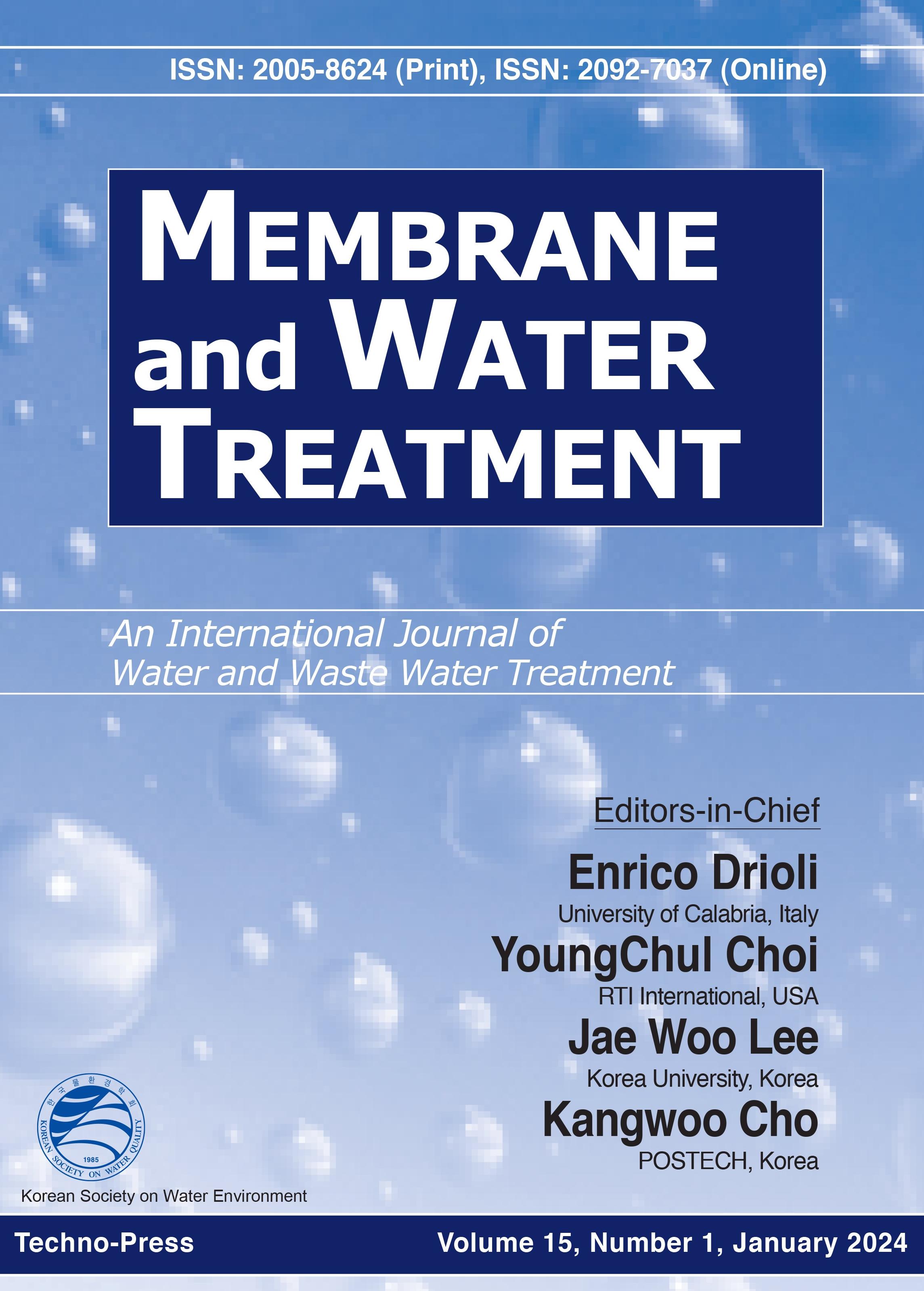
| Membrane and Water Treatment (MWT) |

|
| Smart Structures and Systems (Smart Structures and Systems) |

|
| Steel and Composite Structures, An International Journal (Steel and Composite Structures) |

|
| Structural Engineering and Mechanics, An International Journal (Structural Engineering and Mechanics) |

|
| Wind and Structures, An International Journal (Wind and Structures) |




MANUSCRIPTLINK © 2015 -
