


ISTANBUL 12th International Conference on “Chemical, Bioscience, Biotechnology & Environmental Engineering” (CB2E2-27) scheduled on March 11-13, 2027 Istanbul (Türkiye)
CB2E2-27
- URL: https://earbm.org/conference/353
- Event Date: 2027-03-11 ~ 2027-03-13
- Submission Date: 2027-02-02
- Organizer: EARBM
Medicinal Chemistry Organic Chemistry Chemical & Material Sciences (General) Chemical Kinetics & Catalysis Medicinal Chemistry
Topics
Topics of interest for submission include any topics related to:
1. Core Chemical Engineering
These topics form the classical bedrock of chemical engineering, focusing on transforming raw materials into valuable products on a large scale.
Transport Phenomena
Fluid Mechanics (Newtonian and non-Newtonian flow)
Heat Transfer (Conduction, convection, radiation, and heat exchangers)
Mass Transfer (Diffusion, interfacial mass transfer)
Thermodynamics
Phase Equilibria (Vapor-Liquid, Liquid-Liquid equilibria)
Chemical Reaction Equilibria
Equations of State
Chemical Reaction Engineering (CRE)
Kinetics of homogeneous and heterogeneous reactions
Reactor Design (Batch, CSTR, Plug Flow, Packed Bed)
Catalysis and catalyst deactivation
Separation Processes
Distillation (Fractional, azeotropic, extractive)
Absorption and Stripping
Liquid-Liquid Extraction and Leaching
Adsorption and Ion Exchange
Process Dynamics, Control & Safety
Feedback and feedforward control loops
Process instrumentation
HAZOP (Hazard and Operability) analysis and inherently safer design
2. Bioscience & Biochemistry
This area provides the fundamental biological understanding required to scale up biological systems. It transitions from pure science into engineering applications.
Molecular Biology & Genetics
DNA replication, transcription, and translation
Gene regulation and expression
Recombinant DNA technology
Biochemistry & Enzyme Catalysis
Structure and function of biomolecules (proteins, lipids, carbohydrates, nucleic acids)
Enzyme kinetics (Michaelis-Menten kinetics, inhibition)
Metabolic pathways (Glycolysis, Krebs cycle, oxidative phosphorylation)
Microbiology & Cell Biology
Microbial growth kinetics and nutrition
Structure of prokaryotic and eukaryotic cells
Virology and immunology fundamentals
3. Biotechnology Engineering
This field directly marries Chemical Engineering principles (like reactor design and separation) with Bioscience.
Bioprocess Engineering & Bioreactor Design
Design of fermenters and bioreactors (stirred tank, airlift, photobioreactors)
Sterilization kinetics (air and media)
Scale-up criteria for biological reactors
Aeration and agitation in biosystems (oxygen transfer rate, $K_L a$)
Downstream Processing (Bioseparations)
Cell disruption techniques (mechanical and chemical)
Solid-liquid separation (centrifugation, filtration, flocculation)
Advanced purification (chromatography, ultrafiltration, electrophoresis)
Lyophilization (freeze-drying) and crystallization
Genetic & Metabolic Engineering
CRISPR and gene editing tools
Synthetic biology and metabolic flux analysis
Expression vectors and host strain development (E. coli, yeast, mammalian cells)
Biomedical & Tissue Engineering
Biomaterials compatibility
Stem cell engineering and organ-on-a-chip
Drug delivery systems (nanoparticles, liposomes)
4. Environmental Engineering
Environmental engineering applies chemical and biological processes to clean up waste, protect public health, and ensure sustainable industrial practices.
Water and Wastewater Treatment
Physical/Chemical treatment (coagulation, sedimentation, filtration, chlorination)
Biological wastewater treatment (Activated sludge process, trickling filters, anaerobic digesters)
Advanced oxidation processes (AOPs) and membrane bioreactors (MBRs)
Air Pollution Control
Particulate emission control (cyclones, electrostatic precipitators, fabric filters)
Gaseous emission control (scrubbers, absorption towers, catalytic converters for NOx/SOx)
Greenhouse gas capture and sequestration (carbon capture)
Solid and Hazardous Waste Management
Landfill engineering and leachate management
Incineration and waste-to-energy technologies
Nuclear and toxic waste stabilization
Sustainability & Environmental Impact Assessment (EIA)
Life Cycle Assessment (LCA) methodologies
Circular economy and industrial ecology
Environmental auditing and regulations
5. Major Interrelated Subtopics
These specific subtopics do not belong to just one discipline; they exist precisely at the intersection of all four.
Bioremediation & Phytoremediation (Bioscience + Environmental + Biotech)
Using genetically engineered microbes or plants to degrade environmental contaminants (e.g., oil spills, heavy metals).
Biofuels & Bioenergy (Chemical + Biotech + Environmental)
Production of ethanol, biodiesel, biogas, and bio-hydrogen from biomass.
Thermochemical conversion (pyrolysis, gasification) vs. biochemical conversion (anaerobic digestion, fermentation).
Green Chemistry & Sustainable Chemical Processes (Chemical + Environmental)
Designing atom-economical, non-toxic chemical routes.
Replacing organic solvents with supercritical fluids (CO2) or ionic liquids.
Bioplastics & Biomaterials (Chemical + Biotech)
Synthesis of biodegradable polymers (like PLA or PHAs) using microbial fermentation and chemical polymerization.
Biosensors & Bioenvironmental Monitoring (Bioscience + Biotech + Environmental)
Developing biological analytical devices (using enzymes or antibodies) to detect trace pollutants, pathogens, or toxins in real time.
Journal Promotion

|
| Acta Koreana (Acta Koreana) |

|
| Acta Via Serica (AVS) |
|
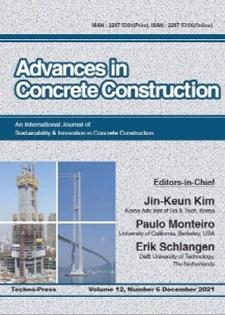
| Advances in Concrete Construction (Advances in Concrete Construction ) |

|
| Advances in Nano Research (Advances in Nano Research) |

|
| Computers and Concrete (Computers and Concrete) |

|
| Coupled Systems Mechanics (Coupled Systems Mechanics) |

|
| Earthquakes and Structures, An International Journal (Earthquakes and Structures) |
|
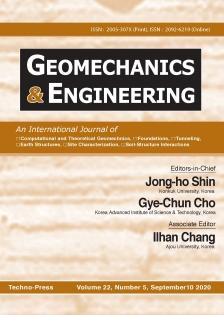
| Geomechanics and Engineering (Geomechanics and Engineering) |

|
| Journal of Information Processing Systems (JIPS) |

|
| Journal of Internet Computing and Services (KSII - JICS) |
|
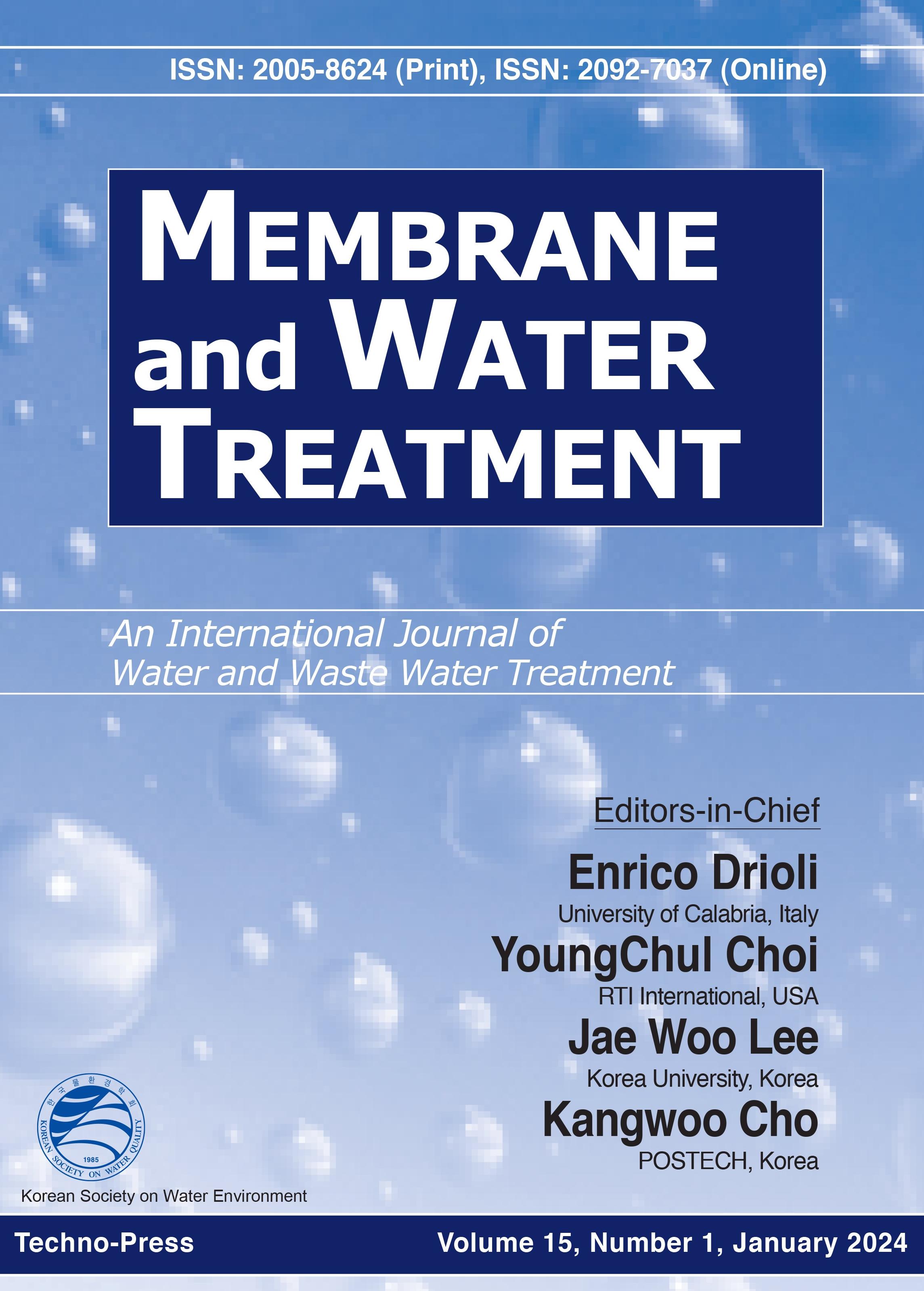
| Membrane and Water Treatment (MWT) |

|
| Smart Structures and Systems (Smart Structures and Systems) |
|
| Steel and Composite Structures, An International Journal (Steel and Composite Structures) |
|
| Structural Engineering and Mechanics, An International Journal (Structural Engineering and Mechanics) |

|
| Wind and Structures, An International Journal (Wind and Structures) |




MANUSCRIPTLINK © 2015 -
