


Prague 6th International Conference on Research in “Science, Engineering & Technology” (BRSET-27) scheduled on Aug. 25-27, 2027 Prague (Czech Republic)
BRSET-27
- URL: https://iaaes.org/conference/435
- Event Date: 2027-08-25 ~ 2027-08-27
- Submission Date: 2027-08-02
- Organizer: IAAES
Materials Engineering Engineering & Computer Science (General) Materials Engineering Power Engineering
Topics
All Abstracts, Reviews, short articles, Full articles, Posters are welcomed related with any of the following research fields:
Physical Sciences
Physics: Mechanics, thermodynamics, electromagnetism, optics, quantum mechanics, relativity, astrophysics, nuclear physics.
Chemistry: Organic chemistry, inorganic chemistry, physical chemistry, analytical chemistry, biochemistry, polymer chemistry.
Earth & Space Sciences: Geology, meteorology, oceanography, astronomy, planetary science, paleontology, geophysics.
Life Sciences (Biology)
Cellular & Molecular: Genetics, molecular biology, microbiology, cell biology, biochemistry.
Organismal & Systemic: Anatomy, physiology, botany, zoology, neuroscience, immunology.
Ecological & Evolutionary: Ecology, evolutionary biology, conservation biology, marine biology.
Formal Sciences
Mathematics: Algebra, calculus, geometry, topology, number theory.
Applied Mathematics: Statistics, probability theory, game theory, numerical analysis.
Engineering Disciplines The structured application of scientific principles, design frameworks, and mathematics to build materials, machines, systems, and structures.
Traditional Core Engineering
Civil Engineering: Structural engineering, geotechnical engineering, transportation systems, urban planning, hydraulics.
Mechanical Engineering: Thermodynamics, fluid dynamics, robotics, solid mechanics, automotive systems, HVAC design.
Electrical Engineering: Power generation, telecommunications, microelectronics, electromagnetics, control systems.
Chemical Engineering: Process engineering, transport phenomena, reaction kinetics, materials synthesis.
Specialized & Interdisciplinary Engineering
Aerospace Engineering: Aerodynamics, propulsion systems, avionics, orbital mechanics, astronautics.
Biomedical Engineering: Biomaterials, tissue engineering, biomechanics, medical device design, prosthetics.
Environmental Engineering: Waste management, water quality control, pollution mitigation, sustainable design.
Industrial & Systems Engineering: Supply chain management, operations research, human factors engineering, ergonomics.
Materials Engineering: Metallurgy, ceramics, composite materials, nanomaterials.
Technology & Digital Systems The applied methods, digital infrastructures, automated systems, and emerging technologies that operationalize scientific and engineering achievements.
Information & Computer Technology
Computer Science: Algorithms, data structures, software development, database architecture, operating systems.
Artificial Intelligence & Data: Machine learning, deep learning, natural language processing, computer vision, data analytics.
Cybersecurity & Networking: Cryptography, network infrastructure, cloud computing, cybersecurity defense systems.
Hardware & Emerging Technology
Semiconductor & Hardware: Microprocessor architecture, embedded systems, quantum computing hardware, integrated circuits.
Robotics & Automation: Autonomous vehicles, industrial automation, mechatronics, drone engineering.
Biotechnology: Genetic editing (CRISPR), synthetic biology, bioinformatics, pharmaceutical production.
Energy & Clean Technology
Renewables: Solar photovoltaic systems, wind turbine systems, hydroelectricity, geothermal energy.
Energy Storage & Grid: Lithium-ion and solid-state batteries, smart grid infrastructure, hydrogen fuel cells.
Interdisciplinary Overlaps Where core domains converge to generate new fields and hybrid disciplines.
Bioinformatics & Computational Biology: Applying computer science and statistics to analyze complex biological data (genomes, protein structures).
Nanotechnology: Utilizing chemistry, physics, and materials engineering to manipulate matter at the molecular level.
Quantum Information Science: Fusing quantum physics, computer science, and mathematics to build high-speed computation and secure communication systems.
Space Systems Engineering: Combining aerospace engineering, telecommunications, computing, and astrophysics to explore deep space.
Human-Computer Interaction (HCI): Blending software engineering, cognitive science, and design to optimize user interfaces and intelligent systems
Journal Promotion

|
| Acta Koreana (Acta Koreana) |

|
| Acta Via Serica (AVS) |

|
| Advances in Concrete Construction (Advances in Concrete Construction ) |

|
| Advances in Nano Research (Advances in Nano Research) |
|
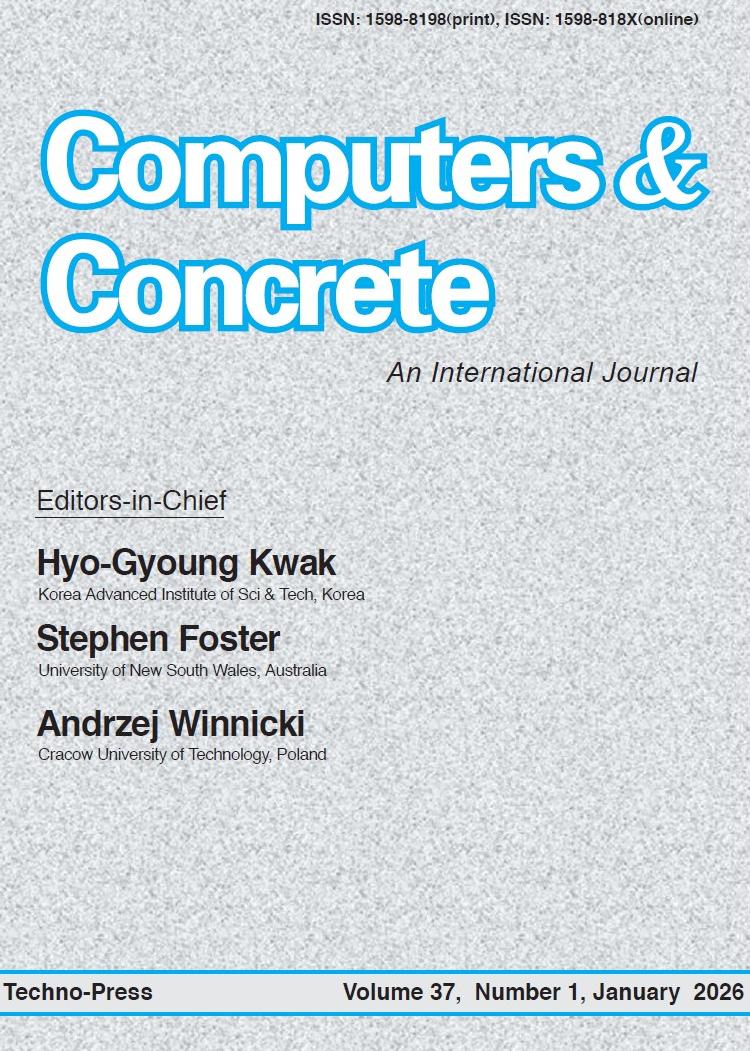
| Computers and Concrete (Computers and Concrete) |

|
| Coupled Systems Mechanics (Coupled Systems Mechanics) |

|
| Earthquakes and Structures, An International Journal (Earthquakes and Structures) |
|
| Geomechanics and Engineering (Geomechanics and Engineering) |

|
| Journal of Information Processing Systems (JIPS) |

|
| Journal of Internet Computing and Services (KSII - JICS) |

|
| Membrane and Water Treatment (MWT) |

|
| Smart Structures and Systems (Smart Structures and Systems) |
|
| Steel and Composite Structures, An International Journal (Steel and Composite Structures) |
|
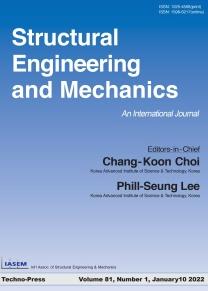
| Structural Engineering and Mechanics, An International Journal (Structural Engineering and Mechanics) |

|
| Wind and Structures, An International Journal (Wind and Structures) |




MANUSCRIPTLINK © 2015 -
