


50th HELSINKI International Conference on Emerging Technologies (HICET-26) scheduled on April 27-29, 2026 Helsinki (Finland)
HICET-26
- URL: https://fenp.org/conference/339
- Event Date: 2026-04-27 ~ 2026-04-29
- Submission Date: 2026-04-01
- Organizer: FENP
- Location: Helsinki, Finland
Development Economics Electrochemistry Nanotechnology Nanotechnology Biomedical Technology
Call for papers/Topics
Topics of interest for submission include any topics related to:
Computing and Digital Intelligence
This category focuses on technologies that enhance processing power, automation, and decision-making.
Artificial Intelligence (AI) and Machine Learning (ML):
Generative AI: Models capable of creating new content (text, images, code, synthetic data).
Agentic AI: Autonomous AI systems that can make decisions and take actions beyond simple query-response.
AI in Cybersecurity: Using AI to predict, prevent, and respond to cyber threats.
AI-Augmented Development (AI in Coding): Tools that help developers write, debug, and optimize code faster.
Natural Language Processing (NLP) and Computer Vision.
Quantum Technologies:
Quantum Computing: Leveraging quantum mechanics for complex, high-speed computations that are impossible for classical computers.
Quantum Cryptography and Post-Quantum Cryptography: Developing secure communication methods to withstand quantum attacks.
Quantum Sensors: Devices that use quantum phenomena for ultra-precise measurements.
Advanced Computing Architectures:
Neuromorphic Computing: Hardware that mimics the neural structure of the human brain for more efficient processing.
Edge Computing: Processing data closer to the source (the "edge" of the network) to reduce latency, crucial for IoT and autonomous systems.
Hybrid Computing: Combining various processing units (CPU, GPU, quantum, etc.) to solve complex problems.
High-Performance Computing (HPC) and Exascale Computing.
Connectivity and Digital Infrastructure
These topics relate to the foundation that enables fast, ubiquitous, and secure digital interaction.
Connectivity Networks:
5G and Beyond (e.g., 6G): Next-generation cellular networks offering ultra-fast speeds and extremely low latency, enabling massive machine-to-machine communication.
Low Earth Orbit (LEO) Satellites: Expanding internet access to remote and underserved areas globally.
Li-Fi: Wireless optical networking technology that uses light for data transmission.
Distributed Ledger and Trust:
Blockchain Beyond Cryptocurrency: Applying the distributed ledger technology for secure supply chain management, digital identity, voting systems, and decentralized applications (dApps).
Web3: Concepts centered around decentralized internet applications and ownership.
Internet of Things (IoT):
The network of physical objects ("things") embedded with sensors, software, and other technologies to connect and exchange data with other devices and systems over the internet.
Smart Cities and Ambient Invisible Intelligence: Using sensor data and AI to manage urban infrastructure and create adaptive, intelligent environments.
Cloud Computing and Infrastructure:
Cloud-Native Infrastructure: Applications designed to run on the cloud for scalability and security.
Serverless Computing and Microservices Architectures.
Robotics, Automation, and Extended Reality
Focusing on the convergence of the digital and physical worlds.
Robotics and Autonomous Systems:
Advanced Robotics: Robots integrated with AI to perform intricate tasks and interact autonomously in various industries (manufacturing, healthcare, service).
Autonomous Vehicles and Delivery Drones: Self-driving systems for transportation and logistics.
Robotic Process Automation (RPA): Software robots automating repetitive, rule-based business processes.
Extended Reality (XR):
Virtual Reality (VR): Fully immersive digital environments (e.g., for training, education, and gaming).
Augmented Reality (AR): Overlaying digital information onto the real world (e.g., AR smart glasses, retail).
Mixed Reality (MR): The merging of real and virtual worlds to produce new environments and visualizations.
Metaverse and Spatial Computing: The shift toward persistent, shared, real-time 3D virtual worlds.
Digital Twins: Virtual replicas of physical assets, processes, or systems used for simulation, performance analysis, and predictive maintenance.
Biotechnology and Sustainable Tech
Innovations driving health, food security, and environmental sustainability.
Biotechnology and Genomics:
Gene Editing (e.g., CRISPR): Precise methods for modifying genetic material to treat diseases, develop new drugs, or improve crops.
Personalized/Precision Medicine: Treatments tailored to an individual's unique genetic profile and lifestyle.
Synthetic Biology: Engineering biological systems to create new functions not found in nature (e.g., to produce materials, chemicals, or drugs).
Engineered Living Therapeutics and Cancer Vaccines.
Sustainable and Green Technologies (Clean Tech):
Green Energy Technologies: Advancements in solar, wind, geothermal, and Advanced Nuclear Technologies (like Small Modular Reactors or SMRs).
Energy Storage Solutions: Improved batteries (e.g., structural battery composites) and large-scale storage (e.g., osmotic power systems).
Green Nitrogen Fixation: Sustainable methods for producing fertilizer.
Carbon Capture and Utilization: Technologies for capturing CO2 from the atmosphere or industrial sources.
Agritech and Food Technology:
Precision Agriculture: Using IoT, AI, and drones to optimize crop yields and resource use.
Cultured Meat (Lab-Grown Meat): Producing animal protein without slaughtering animals.
Advanced Materials and Manufacturing
New frontiers in engineering and production.
Nanotechnology: The manipulation of matter on an atomic and molecular scale, with applications in medicine, materials science, and electronics (e.g., nanozymes, carbon nanotube transistors).
Advanced Manufacturing:
3D Printing (Additive Manufacturing): Revolutionizing prototyping and production across multiple industries, including construction and personalized medicine.
New Materials: Developing materials with novel properties, such as self-healing composites and advanced material science for energy and electronics.
Implantable Microchips and Wearable Health Monitors: Devices for continuous, real-time health monitoring and data collection.
Event Promotion

|
|
The 13th International Conference on Quantum Dots (QD 2026) |
| 2026-05-17 ~ 2026-05-22 |
|
|
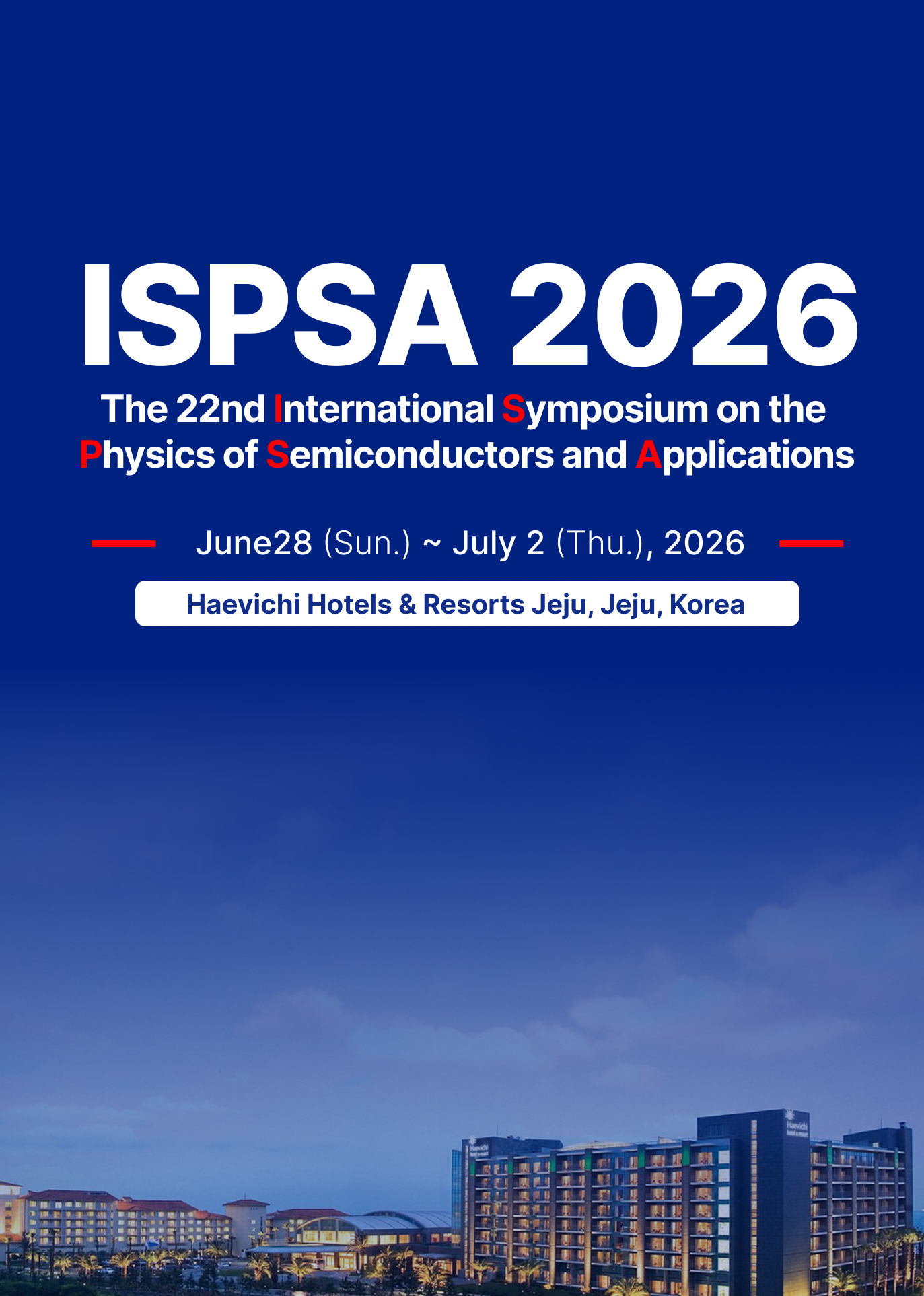
The 22nd International Symposium on the Physics of Semiconductors and Applications (ISPSA 2026) |
| 2026-06-28 ~ 2026-07-02 |
|
|
The 15th Asia-Pacific Conference on Transportation and the Environment (APTE 2026) |
| 2026-07-08 ~ 2026-07-10 |







MANUSCRIPTLINK © 2015 -
