


48th PARIS International Conference on Studies in Education & Technology (PICSET-26)
PICSET-26
- URL: https://iceebm.org/conference/370
- Event Date: 2026-06-24 ~ 2026-06-26
- Submission Date: 2026-06-01
- Organizer: ICEEBM
- Location: Paris, France
Educational Administration Educational Technology
Call for papers/Topics
Full Articles/ Reviews/ Shorts Papers/ Abstracts are welcomed in the following research fields:
1. Artificial Intelligence in Education
Generative AI & LLMs
Automated lesson planning and rubric generation
AI-powered writing assistants and feedback loops
Synthetic media for educational content (Video/Audio)
Adaptive & Personalized Learning
Machine learning algorithms for individual pacing
Predictive analytics to identify at-risk students
AI tutors and 24/7 conversational learning assistants
Assessment & Evaluation
Automated grading for objective and subjective tasks
Plagiarism and AI-detection ethics
Emotion AI for tracking student engagement and stress
2. Immersive Technologies (XR)
Virtual Reality (VR)
Virtual laboratories and safe hazardous simulations
Historical "time travel" and immersive field trips
Soft skills training and empathy-building simulations
Augmented Reality (AR)
Interactive 3D overlays for textbooks (e.g., anatomy, geometry)
Geo-located learning quests and outdoor education
AR-enabled vocational and technical training
Mixed Reality (MR) & Digital Twins
Real-time interaction with digital replicas of physical objects
Collaborative holographic classrooms
3. Instructional Design & Pedagogy
Modern Learning Models
Flipped Classroom: Moving lectures online, activities to class
Blended/Hybrid Learning: Balancing physical and digital presence
HyFlex: Simultaneous in-person and remote participation
Learning Strategies
Gamification: Leaderboards, badges, and narrative-driven quests
Project-Based Learning (PBL) supported by digital tools
Microlearning & Nanolearning: Bite-sized, 2-5 minute content modules
Frameworks & Standards
SAMR Model (Substitution, Augmentation, Modification, Redefinition)
TPACK (Technological Pedagogical Content Knowledge)
Universal Design for Learning (UDL) and accessibility standards
4. Digital Infrastructure & Management
Platform Ecosystems
Learning Management Systems (LMS) and VLEs
Student Information Systems (SIS) & CRM integration
Learning Record Stores (LRS) for tracking xAPI data
Security & Privacy
Cybersecurity for K-12 and Higher Ed
Data ethics and student privacy (GDPR, COPPA compliance)
Blockchain for secure, verifiable academic credentials
5. Digital Equity & Inclusion
Accessibility (A11y)
Assistive technologies: Speech-to-text, braille displays, screen readers
Inclusive UI/UX design for diverse neurological needs
The Digital Divide
Broadband access and "Last Mile" connectivity
Mobile-first learning for low-bandwidth environments
Open Educational Resources (OER) to reduce costs
6. Workforce & Lifelong Learning
Professional Development
Upskilling and reskilling in the age of automation
"Learning in the flow of work" (Slack/Teams integration)
Alternative Credentialing
Stackable micro-credentials and digital badges
Skill-based hiring vs. degree-based hiring
Web3 and decentralized identity for lifelong learners
Event Promotion

|
|
The 13th International Conference on Quantum Dots (QD 2026) |
| 2026-05-17 ~ 2026-05-22 |
|
|
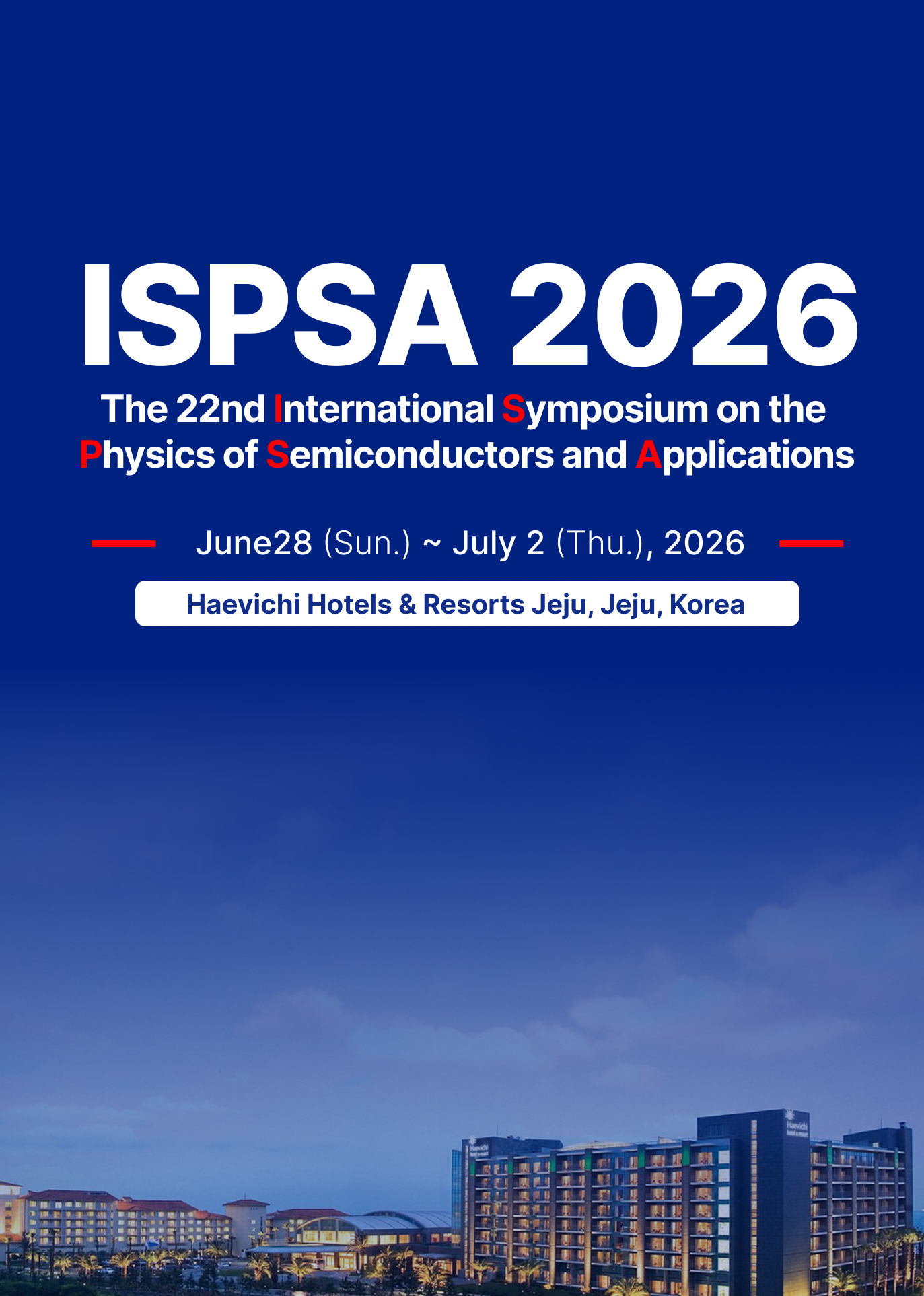
The 22nd International Symposium on the Physics of Semiconductors and Applications (ISPSA 2026) |
| 2026-06-28 ~ 2026-07-02 |

|
|
The 15th Asia-Pacific Conference on Transportation and the Environment (APTE 2026) |
| 2026-07-08 ~ 2026-07-10 |

|
|
ACEM26 / Structures26 (ACEM26) |
| 2026-08-24 ~ 2026-08-25 |
Journal Promotion

|
| Acta Koreana (Acta Koreana) |

|
| Acta Via Serica (AVS) |
|
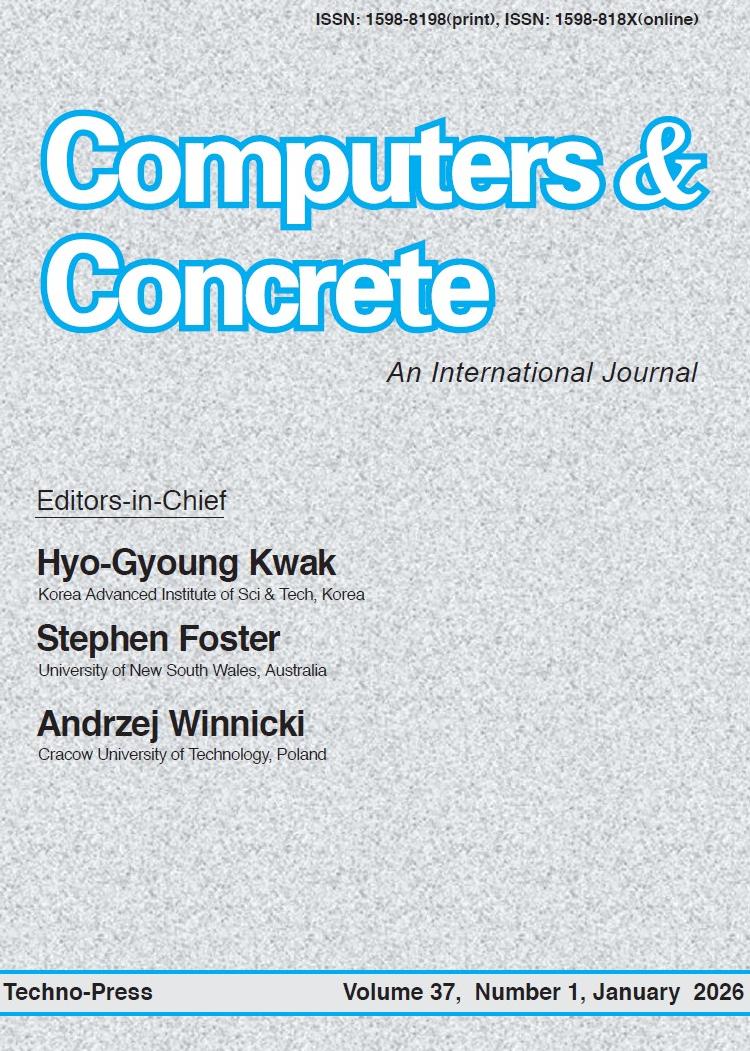
| Computers and Concrete (Computers and Concrete) |

|
| Earthquakes and Structures, An International Journal (Earthquakes and Structures) |

|
| Geomechanics and Engineering (Geomechanics and Engineering) |
|
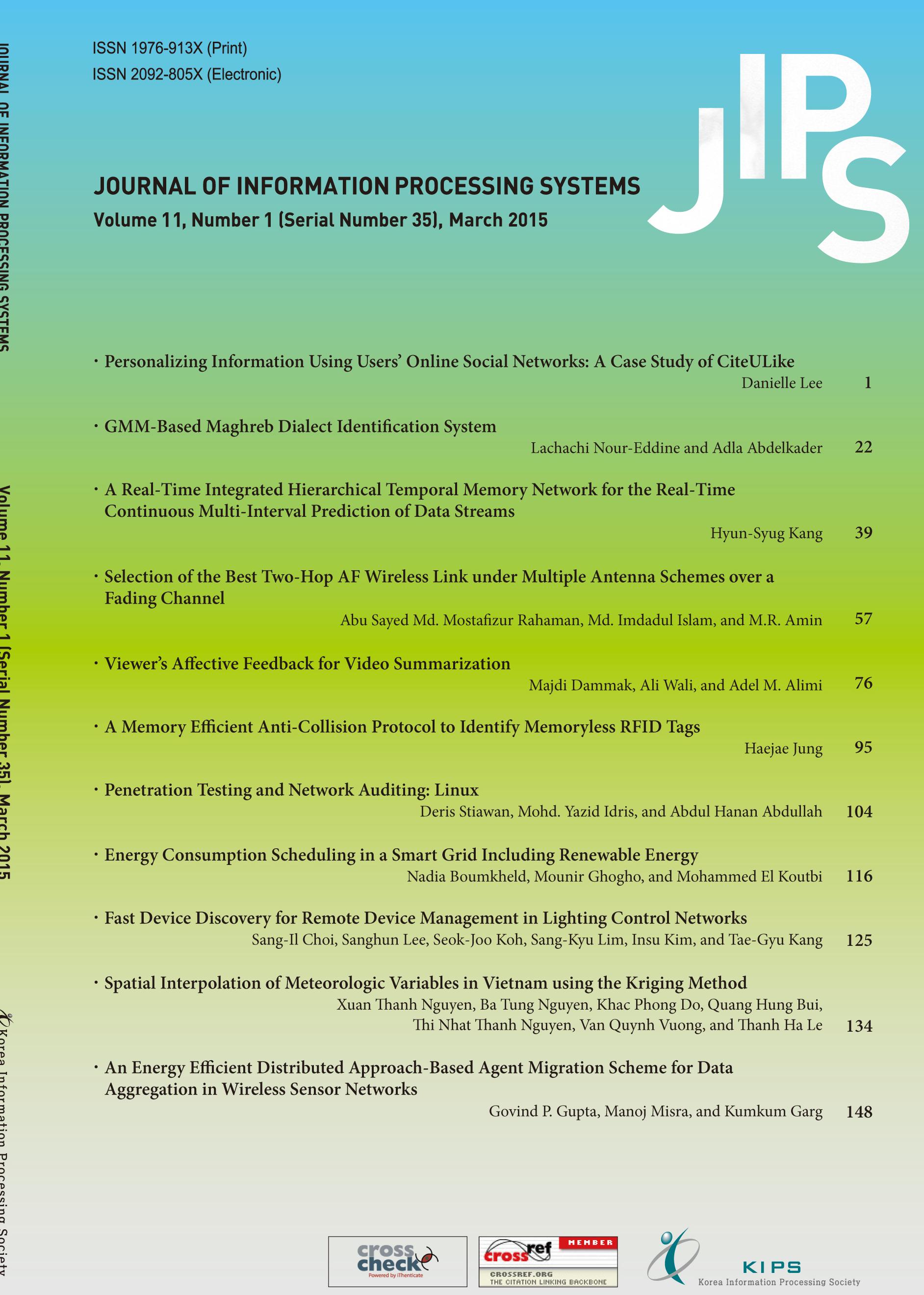
| Journal of Information Processing Systems (JIPS) |

|
| Journal of Internet Computing and Services (KSII - JICS) |

|
| Membrane and Water Treatment (MWT) |

|
| Smart Structures and Systems (Smart Structures and Systems) |

|
| Steel and Composite Structures, An International Journal (Steel and Composite Structures) |

|
| Structural Engineering and Mechanics, An International Journal (Structural Engineering and Mechanics) |

|
| Wind and Structures, An International Journal (Wind and Structures) |




MANUSCRIPTLINK © 2015 -
