

37th PRAGUE World Conference on Arts and Heritage Studies (PAHS-26) July 27-29, 2026 Prague (Czech Republic)
PAHS-26
- URL: https://eaamp.erpub.org/conference/216
- Event Date: 2026-07-27 ~ 2026-07-29
- Submission Date: 2026-07-01
- Organizer: EAAMP
- Location: Prague, Czech Republic
Humanities, Literature & Arts (General) Visual Arts Crafts, Design & Arts
Call for papers/Topics
Topics of Interest for Submission include, but are Not Limited to:
1. Core Foundations of Heritage
This area focuses on the theoretical definitions of what constitutes "heritage" and how it is classified.
Tangible Heritage:
Movable heritage (paintings, coins, manuscripts).
Immovable heritage (monuments, archaeological sites).
Underwater cultural heritage.
Intangible Cultural Heritage (ICH):
Oral traditions and expressions.
Performing arts and festive events.
Traditional craftsmanship and rituals.
Natural Heritage:
Cultural landscapes and physical geological formations.
Biological diversity in a historical context.
2. Art History and Visual Culture
The study of artistic evolution and the social context of creation.
Chronological Periods:
Prehistoric and Ancient Art.
Medieval, Renaissance, and Baroque.
Modernism, Post-Modernism, and Contemporary Art.
Global Perspectives:
Western Art Canon vs. Non-Western Art traditions.
Indigenous art and decolonizing the gallery.
Islamic, Asian, and African art histories.
Theories of Aesthetics:
Formalism, Iconography, and Semiotics.
The psychology of perception in art.
3. Museum and Curatorial Studies
Focuses on the practical and theoretical aspects of displaying and managing collections.
Museology vs. Museography:
History and philosophy of museums.
Practical exhibition design and spatial planning.
Curatorial Practices:
Exhibition themes and narrative building.
Collection management and acquisitions.
The Changing Role of Museums:
Museums as agents of social change.
Digital curation and virtual museums.
4. Conservation and Preservation
The technical and ethical science of protecting physical objects and sites.
Preventive Conservation:
Environmental control (lighting, humidity, temperature).
Integrated Pest Management (IPM).
Restoration Ethics:
Minimal intervention vs. full restoration.
Reversibility in conservation treatments.
Material Science:
Chemistry of pigments, textiles, and building materials.
Degradation processes of organic and inorganic materials.
5. Cultural Policy and Management
The administrative, legal, and economic side of the arts.
Heritage Law and Ethics:
UNESCO World Heritage conventions.
Illicit trafficking of cultural property and restitution/repatriation.
Arts Administration:
Strategic planning for cultural organizations.
Fundraising, grant writing, and philanthropy.
Cultural Economics:
The "Creative Economy" and creative industries.
Cultural tourism and its impact on local communities.
6. Heritage in the Contemporary World
How the past interacts with modern social and political issues.
Memory and Identity:
Collective memory and national identity.
"Difficult heritage" (sites of conflict, slavery, or trauma).
Sustainability:
Climate change impacts on heritage sites.
Sustainable tourism management.
Digital Heritage:
3D scanning and digital archiving of endangered sites.
Artificial Intelligence in art authentication.
Event Promotion

|
|
The 13th International Conference on Quantum Dots (QD 2026) |
| 2026-05-17 ~ 2026-05-22 |
|
|
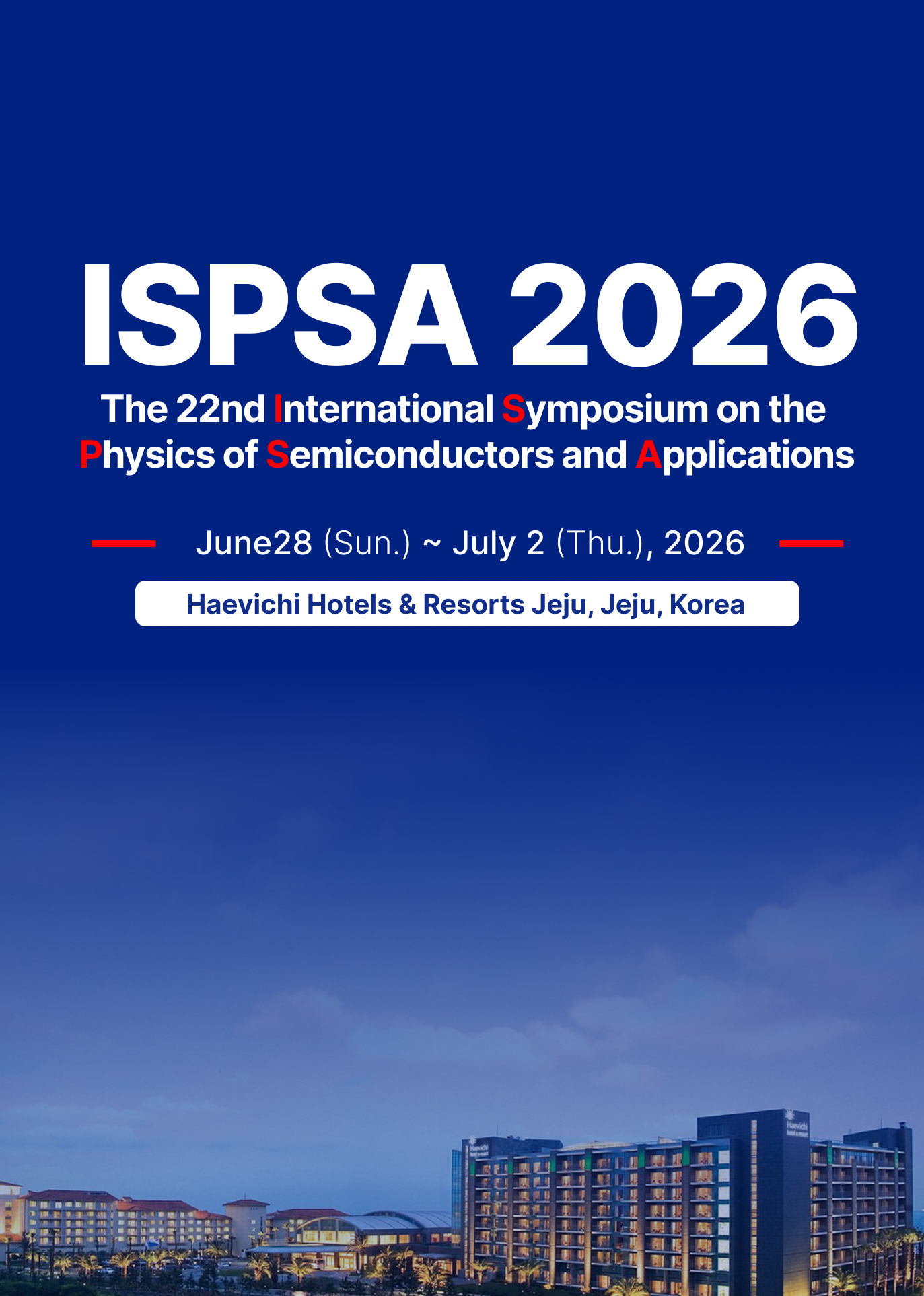
The 22nd International Symposium on the Physics of Semiconductors and Applications (ISPSA 2026) |
| 2026-06-28 ~ 2026-07-02 |

|
|
The 15th Asia-Pacific Conference on Transportation and the Environment (APTE 2026) |
| 2026-07-08 ~ 2026-07-10 |
Journal Promotion

|
| Acta Koreana (Acta Koreana) |
|
| Acta Via Serica (AVS) |
|
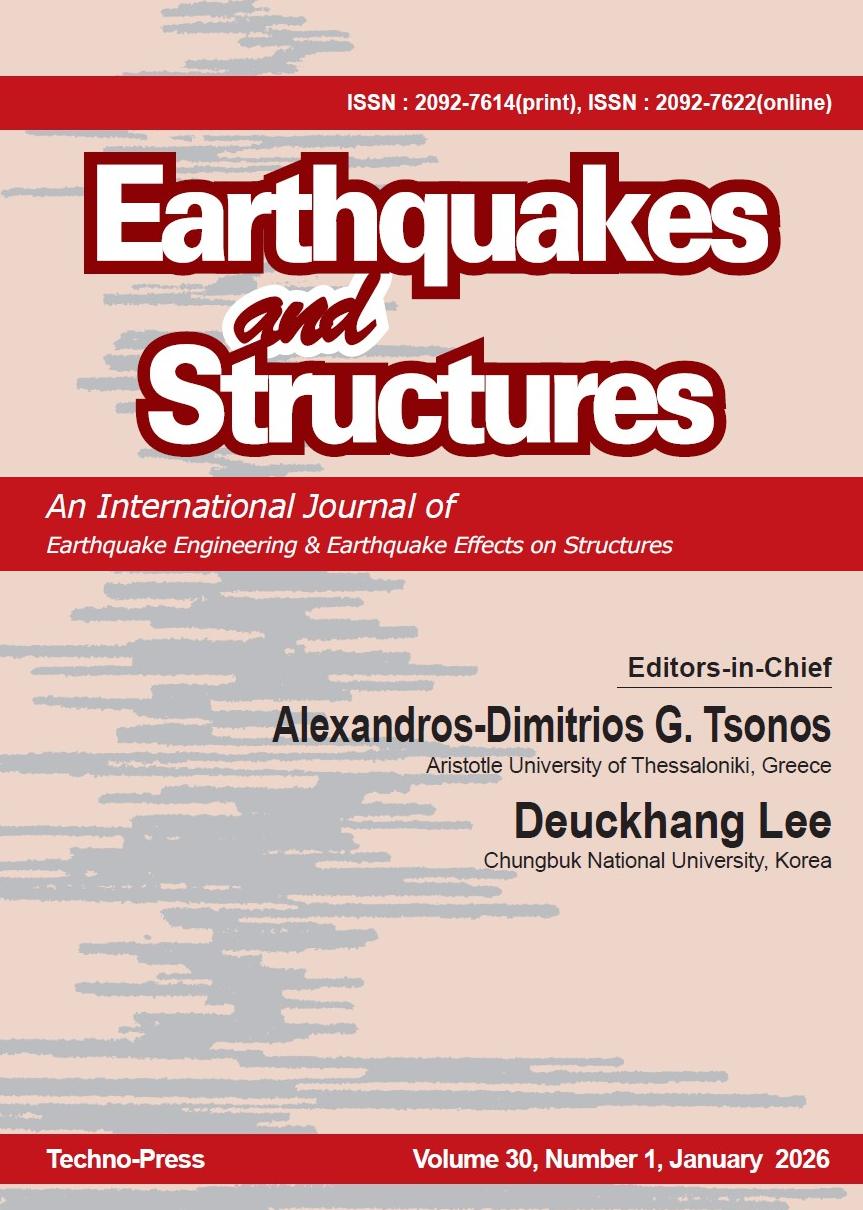
| Earthquakes and Structures, An International Journal (Earthquakes and Structures) |
|
| Journal of Information Processing Systems (JIPS) |

|
| Journal of Internet Computing and Services (KSII - JICS) |
|
| Membrane and Water Treatment (MWT) |
|
| Smart Structures and Systems (Smart Structures and Systems) |




MANUSCRIPTLINK © 2015 -
