


52nd ISTANBUL Global Congress on Research in Agriculture and Soil Sciences (IRASS-26) June 1-3, 2026 Istanbul (Türkiye)
IRASS-26
- URL: https://cecabs.org/conference/364
- Event Date: 2026-06-01 ~ 2026-06-03
- Submission Date: 2026-05-15
- Organizer: CECABS
- Location: Istanbul, Turkey
Call for papers/Topics
Full Articles/ Reviews/ Shorts Papers/ Abstracts are welcomed in the following research fields:
1. Soil Science (Pedology and Edaphology)
Soil science focuses on the formation, classification, and physical/chemical properties of the "living skin" of the Earth.
Soil Genesis and Morphology:
Weathering processes (Physical, Chemical, Biological).
Soil forming factors (Parent material, Climate, Organisms, Topography, Time).
Soil profiling and horizonation (O, A, E, B, C, R layers).
Soil Physics:
Soil texture and structure.
Water retention and hydraulic conductivity.
Soil aeration and temperature regimes.
Soil Chemistry:
Cation Exchange Capacity (CEC) and pH regulation.
Nutrient cycling (Nitrogen, Phosphorus, Potassium).
Soil salinity and sodicity.
Soil Biology:
The Soil Food Web (Bacteria, Fungi, Protozoa).
Mycorrhizal associations.
Decomposition and organic matter transformation.
2. Agronomy and Crop Science
This area deals with the theory and practice of field-crop production and soil management.
Crop Physiology:
Photosynthesis and transpiration.
Plant growth regulators and hormones.
Stress physiology (Drought, Heat, Salinity).
Plant Breeding and Genetics:
Hybridization and selection.
Genetically Modified Organisms (GMOs) and CRISPR technology.
Seed science and technology.
Cropping Systems:
Monoculture vs. Polyculture.
Crop rotation and intercropping.
Cover cropping and green manure.
3. Agricultural Engineering and Technology
The application of engineering principles to boost efficiency and sustainability.
Water Management:
Irrigation systems (Drip, Sprinkler, Surface).
Drainage engineering.
Water-use efficiency (WUE).
Farm Power and Machinery:
Tractors and implements.
Harvesting technology.
Precision Agriculture (GPS, GIS, and Remote Sensing).
Protected Cultivation:
Greenhouse management.
Hydroponics, Aeroponics, and Aquaponics.
4. Plant Protection (Pathology and Entomology)
Ensuring crop health by managing "biotic" stresses.
Plant Pathology:
Fungal, bacterial, and viral diseases.
Epidemiology and disease forecasting.
Agricultural Entomology:
Insect morphology and classification.
Integrated Pest Management (IPM).
Biological control agents.
Weed Science:
Weed biology and competition.
Herbicide classification and resistance.
5. Sustainable Agriculture and Ecology
Focusing on the long-term viability of the environment and food systems.
Agroecology:
Nutrient cycling in agroecosystems.
Biodiversity in farming.
Conservation Agriculture:
No-till/Minimum tillage.
Soil conservation and erosion control.
Organic Farming:
Certification standards.
Natural pest control and composting.
Climate-Smart Agriculture:
Carbon sequestration in soils.
Adaptation strategies for climate change.
6. Agricultural Economics and Extension
The human and financial side of the industry.
Agribusiness Management:
Supply chain and logistics.
Farm accounting and finance.
Agricultural marketing and trade.
Agricultural Extension:
Technology transfer to farmers.
Rural sociology and community development.
Event Promotion

|
|
The 13th International Conference on Quantum Dots (QD 2026) |
| 2026-05-17 ~ 2026-05-22 |
|
|
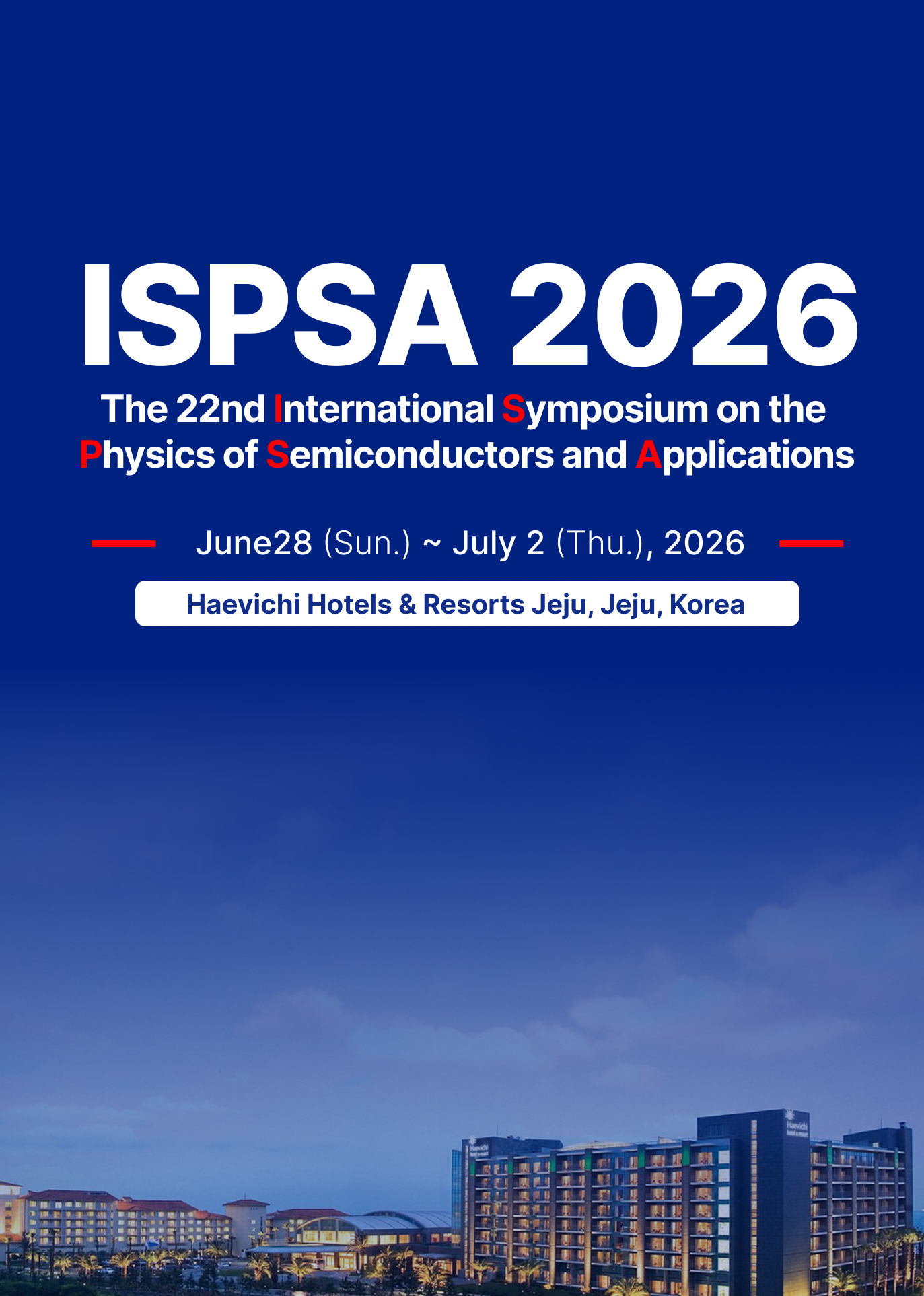
The 22nd International Symposium on the Physics of Semiconductors and Applications (ISPSA 2026) |
| 2026-06-28 ~ 2026-07-02 |

|
|
The 15th Asia-Pacific Conference on Transportation and the Environment (APTE 2026) |
| 2026-07-08 ~ 2026-07-10 |
|
|
ACEM26 / Structures26 (ACEM26) |
| 2026-08-24 ~ 2026-08-25 |
Journal Promotion
|
| Acta Koreana (Acta Koreana) |
|
| Acta Via Serica (AVS) |
|
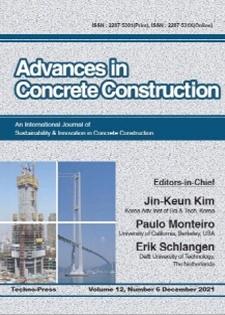
| Advances in Concrete Construction (Advances in Concrete Construction ) |

|
| Advances in Nano Research (Advances in Nano Research) |
|
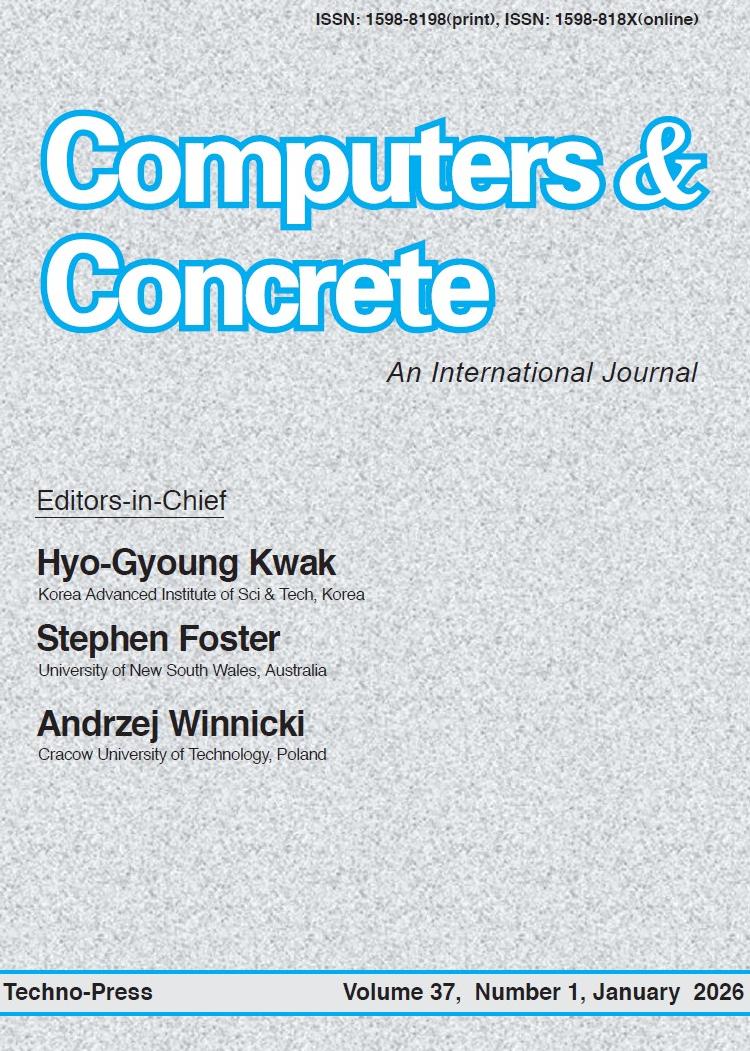
| Computers and Concrete (Computers and Concrete) |
|
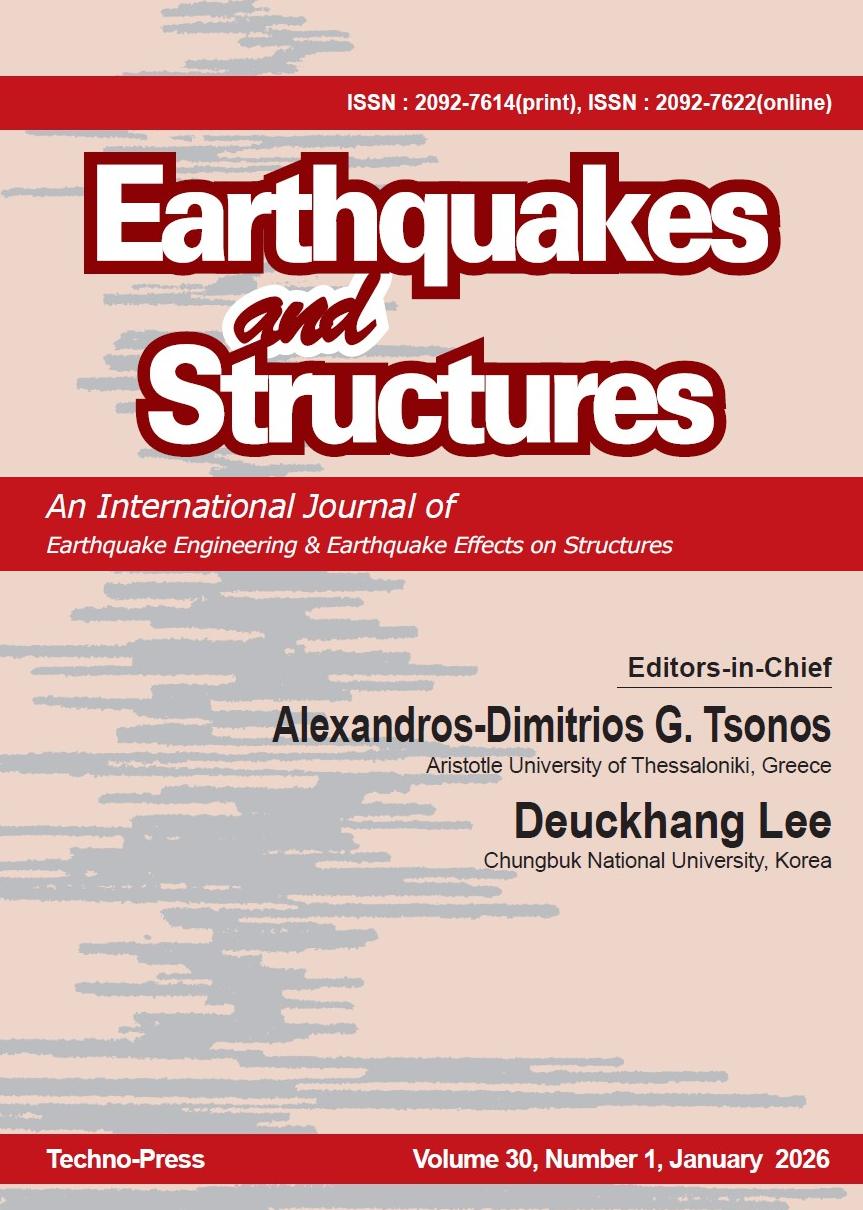
| Earthquakes and Structures, An International Journal (Earthquakes and Structures) |
|
| Geomechanics and Engineering (Geomechanics and Engineering) |
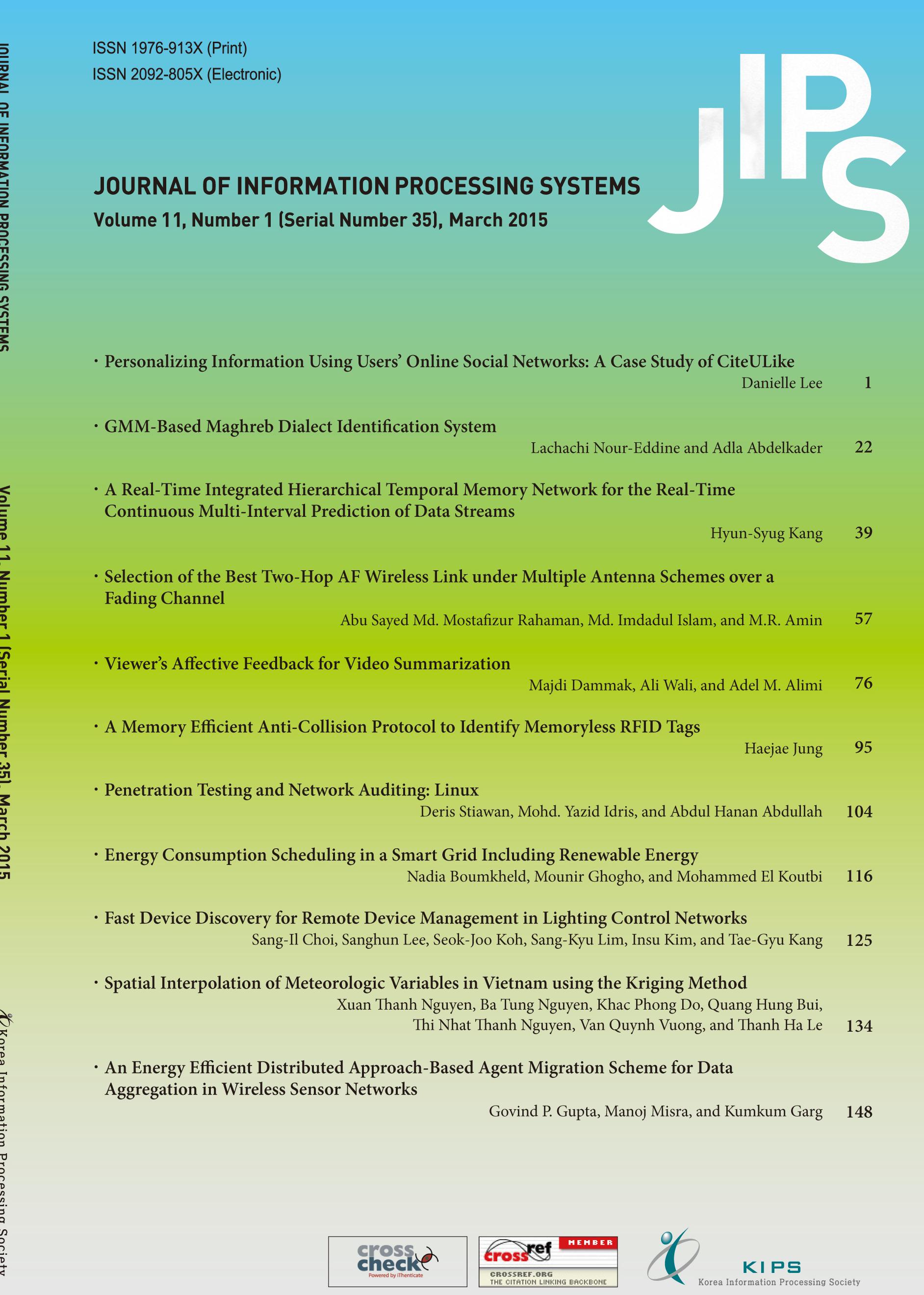
|
| Journal of Information Processing Systems (JIPS) |

|
| Journal of Internet Computing and Services (KSII - JICS) |
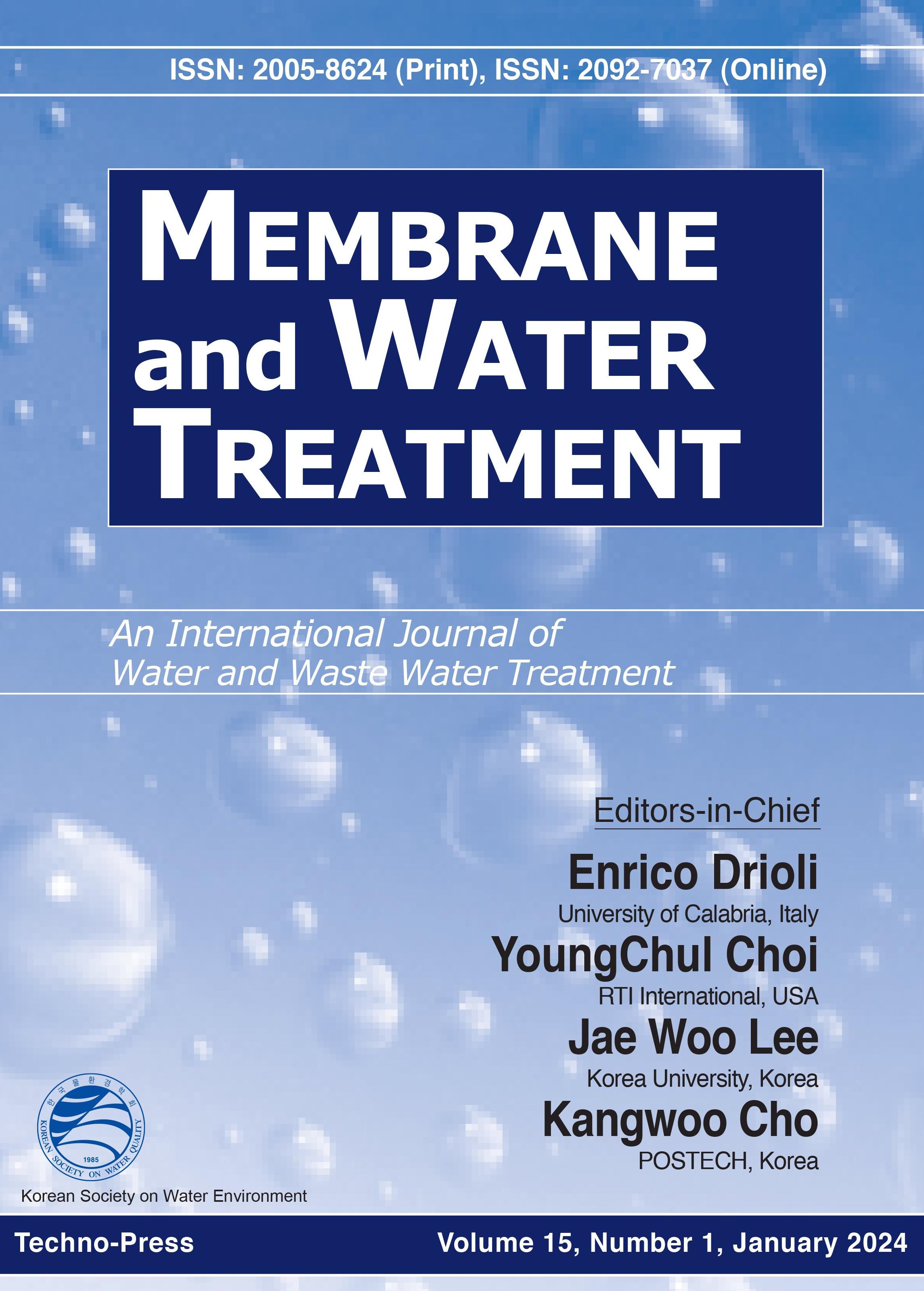
|
| Membrane and Water Treatment (MWT) |
|
| Smart Structures and Systems (Smart Structures and Systems) |
|
| Steel and Composite Structures, An International Journal (Steel and Composite Structures) |
|
| Structural Engineering and Mechanics, An International Journal (Structural Engineering and Mechanics) |
|
| Wind and Structures, An International Journal (Wind and Structures) |




MANUSCRIPTLINK © 2015 -
