


PARIS 8th World Conference on Chemical, Biological, Environmental & Natural Science: CBENS-27
CBENS-27
- URL: https://etrg.org/conference/497
- Event Date: 2027-04-12 ~ 2027-04-14
- Submission Date: 2027-04-01
- Organizer: ETRG
Chemical & Material Sciences (General) Chemical Kinetics & Catalysis Environmental & Geological Engineering Environmental & Geological Engineering Environmental Sciences Environmental & Occupational Medicine
Call for papers/Topics
Full Articles/ Reviews/ Shorts Papers/ Abstracts are welcomed in the following research fields:
1. Independent Core Disciplines
These represent the foundational pillars of each distinct field, focusing on their primary laws, structures, and phenomena.
Chemical Sciences
Analytical Chemistry: Spectroscopy, chromatography, mass spectrometry, and electrochemistry.
Inorganic Chemistry: Coordination compounds, organometallic chemistry, crystal field theory, and solid-state chemistry.
Organic Chemistry: Reaction mechanisms, stereochemistry, synthesis of carbon-based compounds, and functional group transformations.
Physical Chemistry: Chemical thermodynamics, quantum chemistry, chemical kinetics, statistical mechanics, and surface science.
Biological Sciences
Cellular and Molecular Biology: DNA replication, transcription and translation, organelle function, and cell signaling.
Genetics and Genomics: Mendelian inheritance, epigenetics, gene editing (CRISPR), and population genetics.
Organismal Biology and Physiology: Human anatomy, plant physiology, neurobiology, and developmental biology.
Evolutionary Biology: Natural selection, speciation, phylogenetics, and the fossil record.
Environmental Sciences
Atmospheric Science: Meteorology, climate dynamics, greenhouse gas physics, and air pollution chemistry.
Hydrology and Oceanography: Fluid dynamics of oceans, groundwater flow, water quality, and marine ecosystems.
Soil Science (Pedology): Soil formation, nutrient cycling, soil mechanics, and land degradation.
Conservation Biology: Biodiversity loss, habitat fragmentation, endangered species management, and ecosystem restoration.
Natural Sciences
Geology and Geophysics: Plate tectonics, mineralogy, volcanology, seismology, and stratigraphy.
Astronomy and Astrophysics: Stellar evolution, cosmology, planetary science, and galactic dynamics.
2. Interrelated & Cross-Disciplinary Fields
The true frontiers of modern science exist at the intersections of these major branches. Below are the key fields born from their integration.
The Chemical-Biological Interface
Biochemistry: Enzymatic catalysis, metabolic pathways (e.g., Krebs cycle), and the structural biology of macromolecules.
Chemical Biology: Using synthetic chemicals and small molecules to study and manipulate biological systems.
Pharmacology and Medicinal Chemistry: Drug design, pharmacokinetics, toxicology, and receptor-ligand interactions.
The Chemical-Environmental Interface
Environmental Chemistry: Chemical kinetics in natural waters, the transport and fate of heavy metals, and atmospheric photochemical smog.
Green and Sustainable Chemistry: Atom economy, renewable feedstocks, biodegradable polymers, and alternative solvent systems.
Geochemistry: Chemical composition of the Earth's crust, isotope geochemistry, and rock-water interactions.
The Biological-Environmental Interface
Ecology: Community dynamics, trophic webs, biogeochemical cycles (carbon, nitrogen, phosphorus), and niche theory.
Microbial Ecology: Extremeophiles, bioremediation, and the role of microbiomes in soil and aquatic health.
Ecotoxicology: Bioaccumulation, biomagnification, and the impacts of anthropogenic pollutants on wildlife populations.
The Grand Intersection: Earth, Life, & Chemistry
Biogeochemistry: The global processes regulating the movement of elements through the biosphere, lithosphere, atmosphere, and hydrosphere.
Astrobiology: The chemical origins of life, prebiotic chemistry, and the search for biosignatures on other planetary bodies.
Paleoclimatology and Geobiology: Using biological fossils and chemical isotopes in ice cores or sediment layers to reconstruct past Earth climates
Journal Promotion
|
| Acta Koreana (Acta Koreana) |
|
| Acta Via Serica (AVS) |
|
| Advances in Concrete Construction (Advances in Concrete Construction ) |
|
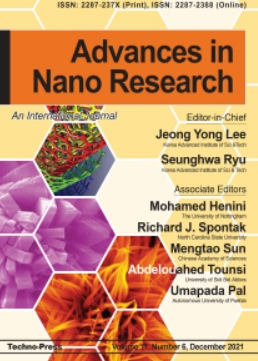
| Advances in Nano Research (Advances in Nano Research) |
|
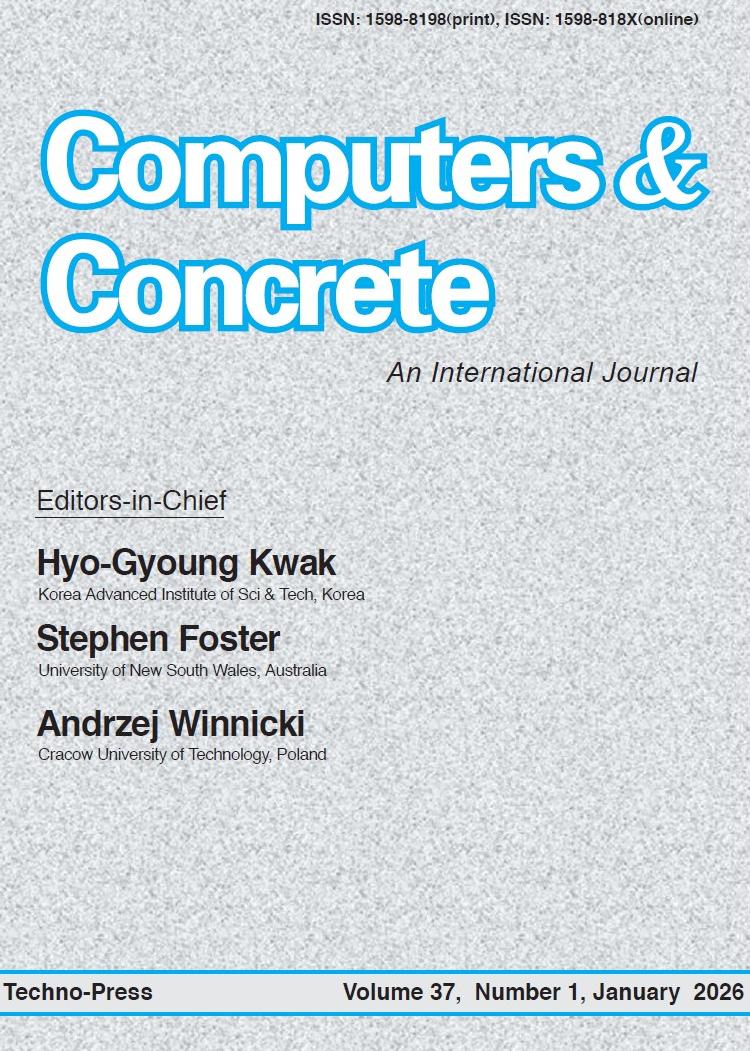
| Computers and Concrete (Computers and Concrete) |
|
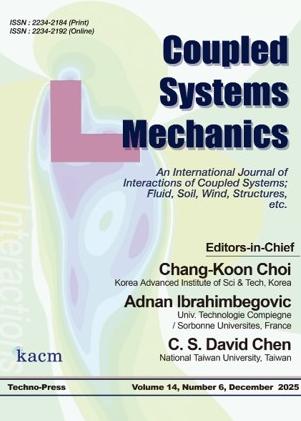
| Coupled Systems Mechanics (Coupled Systems Mechanics) |
|
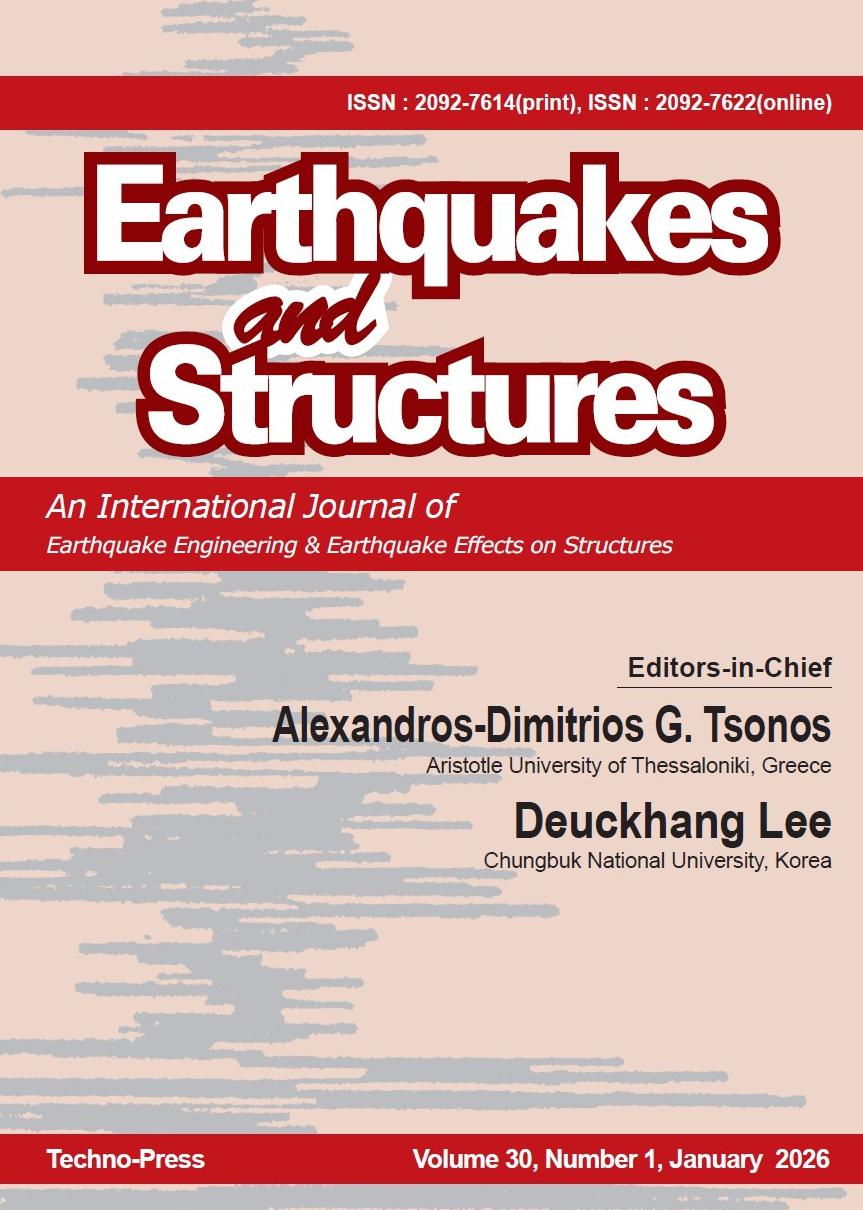
| Earthquakes and Structures, An International Journal (Earthquakes and Structures) |
|
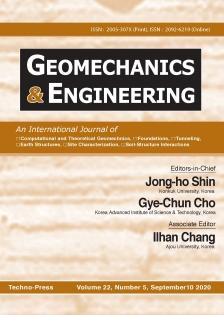
| Geomechanics and Engineering (Geomechanics and Engineering) |
|
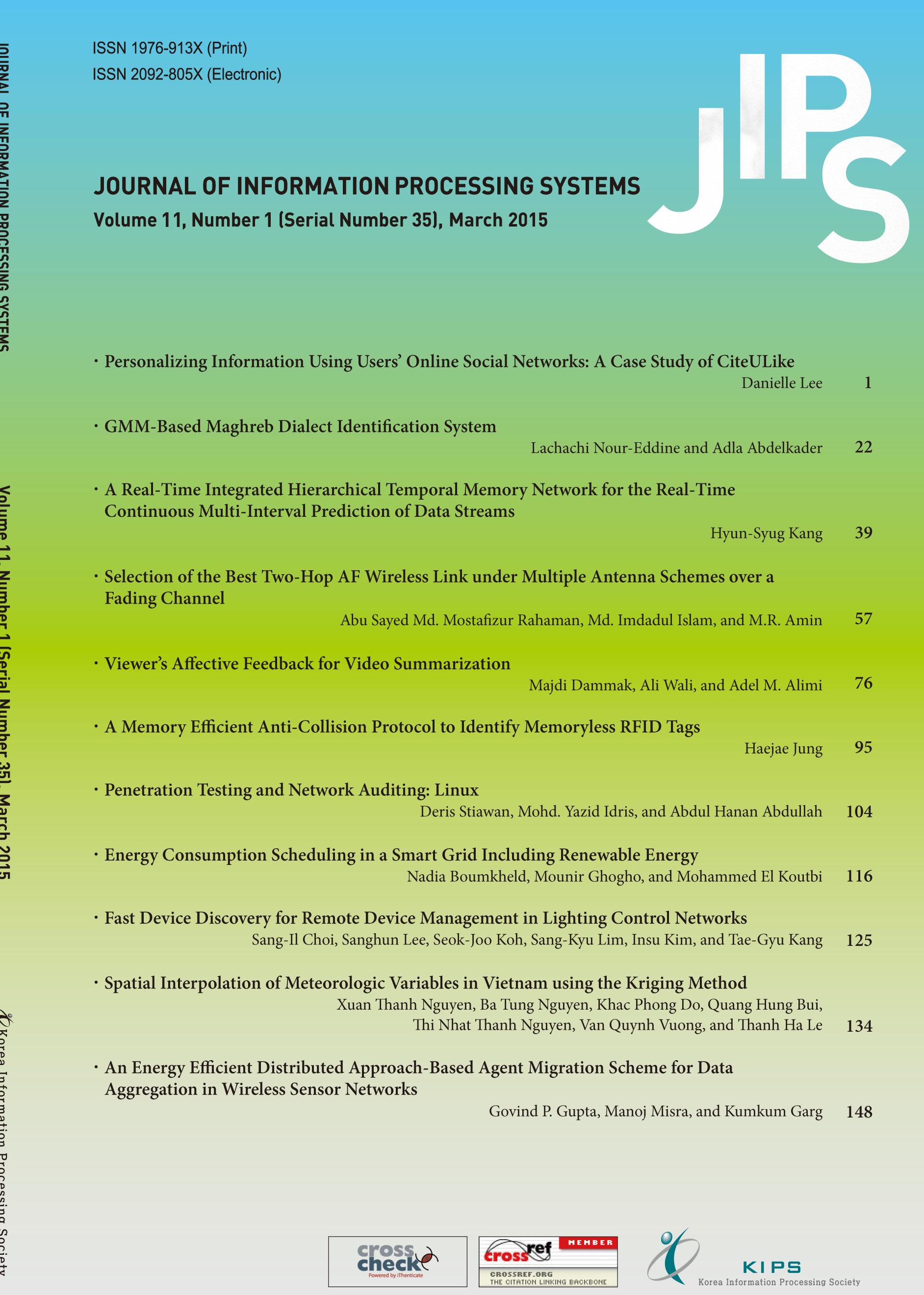
| Journal of Information Processing Systems (JIPS) |

|
| Journal of Internet Computing and Services (KSII - JICS) |
|
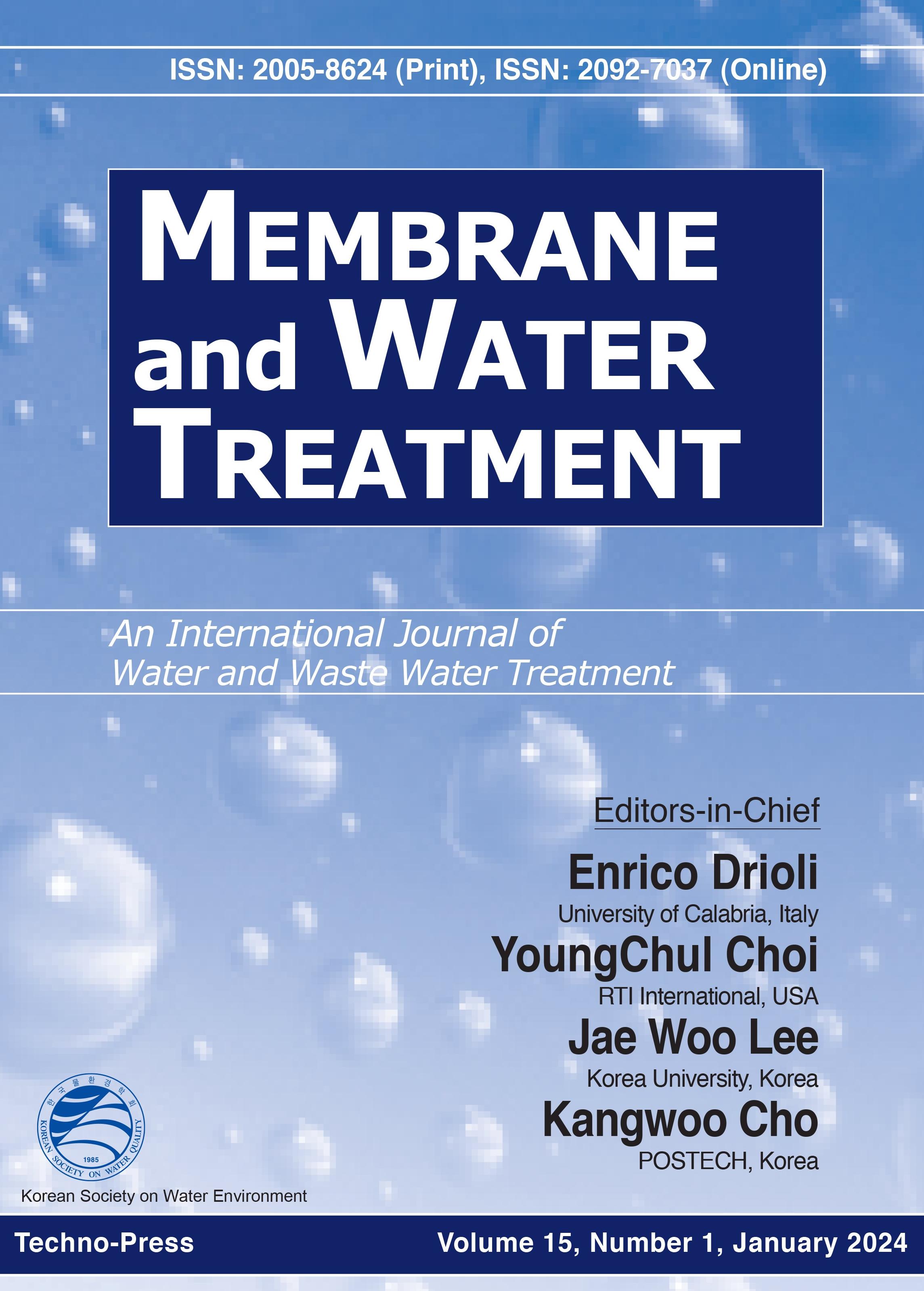
| Membrane and Water Treatment (MWT) |
|
| Smart Structures and Systems (Smart Structures and Systems) |
|
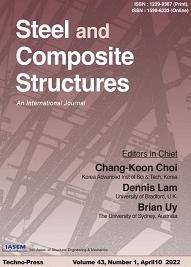
| Steel and Composite Structures, An International Journal (Steel and Composite Structures) |
|
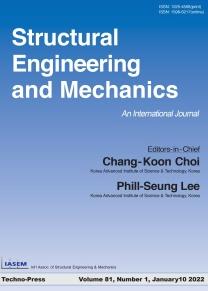
| Structural Engineering and Mechanics, An International Journal (Structural Engineering and Mechanics) |
|
| Wind and Structures, An International Journal (Wind and Structures) |




MANUSCRIPTLINK © 2015 -
