


ISTANBUL 9th International Congress on “Chemical, Biological, Environmental & Health Sciences” (CAEHS-27) scheduled on April 26-28, 2027 Istanbul (Türkiye)
CAEHS-27
- URL: https://iaaes.org/conference/419
- Event Date: 2027-04-26 ~ 2027-04-28
- Submission Date: 2027-04-01
- Organizer: IAAES
Biochemistry Chemical & Material Sciences (General)
Topics
Full Articles/ Reviews/ Shorts Papers/ Abstracts are welcomed in the following research fields:
Part 1: Core Independent Disciplines
1. Chemical Sciences
The study of matter, its properties, composition, and how it changes during reactions.
Organic Chemistry: Carbon-based compounds, functional groups, stereochemistry, and synthetic reaction mechanisms.
Inorganic Chemistry: Coordination compounds, transition metals, organometallic chemistry, and crystal field theory.
Physical Chemistry: Chemical thermodynamics, kinetics, quantum mechanics, and spectroscopy.
Analytical Chemistry: Separation techniques (chromatography), mass spectrometry, and quantitative chemical analysis.
2. Biological Sciences
The study of living organisms, their structure, function, growth, and evolution.
Cellular and Molecular Biology: Organelle function, DNA replication, transcription, translation, and cell signaling.
Genetics and Genomics: Mendelian inheritance, population genetics, gene expression, and CRISPR gene editing.
Organismal Anatomy and Physiology: Structure and function of animal and plant organ systems.
Microbiology: Bacteriology, virology, mycology, and microbial pathogenesis.
3. Environmental Sciences
The study of the earth's natural systems, human impacts, and sustainability.
Ecology and Ecosystem Dynamics: Biomes, food webs, population dynamics, and nutrient cycling (carbon and nitrogen cycles).
Atmospheric Science and Climatology: Greenhouse effect, meteorology, air quality, and climate modeling.
Hydrology and Oceanography: Freshwater systems, ocean currents, marine ecosystems, and water resource management.
Geology and Soil Science: Lithosphere dynamics, soil formation, erosion, and mineral resources.
4. Health Sciences
The study of human health, disease prevention, healthcare delivery, and medical treatment.
Human Anatomy and Pathophysiology: Disease mechanisms, structural abnormalities, and systemic failures in the human body.
Immunology and Infectious Diseases: Adaptive and innate immunity, vaccination, epidemiology, and viral/bacterial outbreaks.
Nutrition and Dietetics: Macronutrients and micronutrients, metabolic pathways, and dietary impacts on chronic diseases.
Global and Public Health: Epidemiology, healthcare policy, health disparities, and preventative medicine.
Part 2: Interrelated & Cross-Disciplinary Fields
These fields represent the intersection of two or more of the core disciplines above.
1. Biochemistry & Molecular Medicine
Where Chemical Sciences meet Biological and Health Sciences.
Enzymology: Kinetics of biological catalysts, inhibition, and metabolic pathways.
Structural Biology: Protein folding, X-ray crystallography, and macromolecular interactions.
Clinical Biochemistry: Biomarkers, diagnostic blood panels, and metabolic disorders (e.g., diabetes).
2. Environmental Chemistry & Toxicology
Where Chemical Sciences meet Environmental and Health Sciences.
Pollutant Fate and Transport: How heavy metals, plastics, and pesticides degrade and move through soil and water.
Atmospheric Chemistry: Ozone depletion, photochemical smog formation, and acid rain chemistry.
Ecotoxicology: Bioaccumulation and biomagnification of toxins in food chains, and their physiological impacts on wildlife and humans.
3. Environmental Health & Epidemiology
Where Environmental Sciences meet Health Sciences.
Occupational Health: Workplace hazards, radiation exposure, and industrial hygiene.
Vector-Borne Diseases: How climate change and habitat loss alter the spread of diseases like Malaria, Lyme, and Zika.
Water and Sanitation Safety: Pathogen management in drinking water and municipal waste treatment systems.
4. Pharmacology & Medicinal Chemistry
Where Chemical Sciences meet Biological and Health Sciences.
Drug Design and Discovery: Target identification, structure-activity relationships (SAR), and lead optimization.
Pharmacokinetics: How the body absorbs, distributes, metabolizes, and excretes (ADME) drugs.
Pharmacodynamics: Molecular mechanisms of drug action on receptors and cellular pathways.
5. Green Chemistry & Biotechnology
Where Chemical Sciences meet Biological and Environmental Sciences.
Bioremediation: Utilizing microbes or plants to clean up oil spills, heavy metals, and plastic waste.
Biofuels and Renewable Energy: Producing ethanol, biodiesel, and hydrogen from biological waste.
Sustainable Chemical Synthesis: Designing chemical processes that reduce hazardous waste, use renewable feedstocks, and maximize atom economy.
Journal Promotion
|
| Acta Koreana (Acta Koreana) |
|
| Acta Via Serica (AVS) |
|
| Advances in Concrete Construction (Advances in Concrete Construction ) |
|
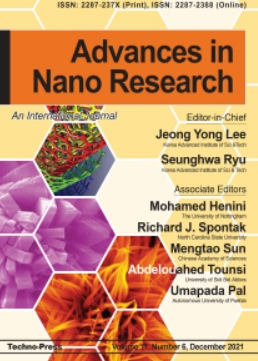
| Advances in Nano Research (Advances in Nano Research) |
|
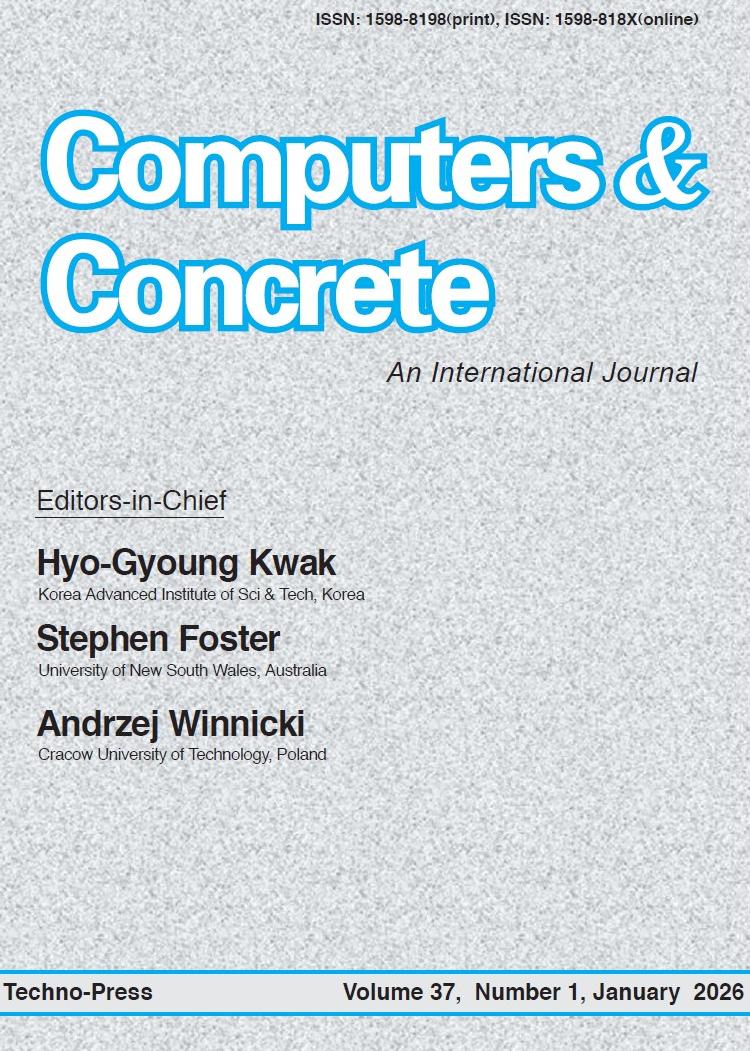
| Computers and Concrete (Computers and Concrete) |

|
| Coupled Systems Mechanics (Coupled Systems Mechanics) |
|
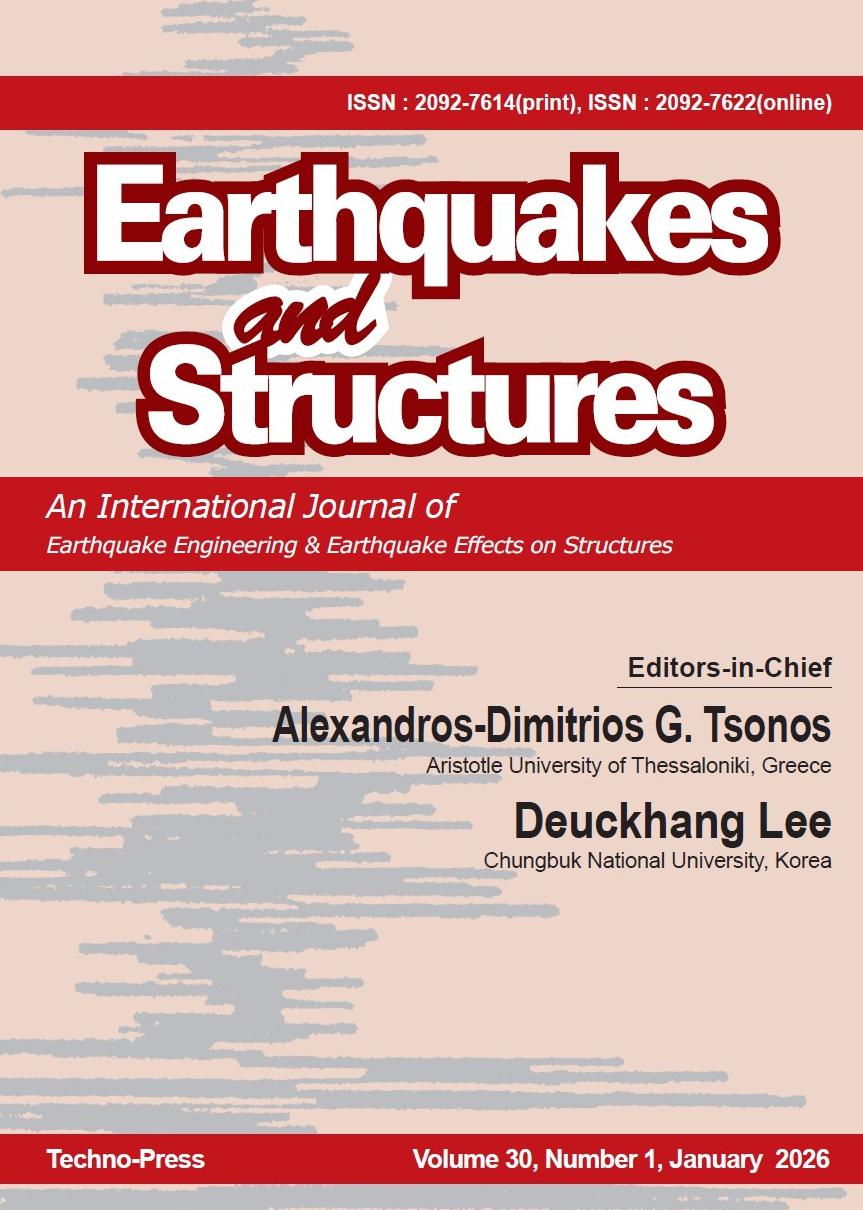
| Earthquakes and Structures, An International Journal (Earthquakes and Structures) |
|
| Geomechanics and Engineering (Geomechanics and Engineering) |
|
| Journal of Information Processing Systems (JIPS) |

|
| Journal of Internet Computing and Services (KSII - JICS) |
|
| Membrane and Water Treatment (MWT) |
|
| Smart Structures and Systems (Smart Structures and Systems) |
|
| Steel and Composite Structures, An International Journal (Steel and Composite Structures) |
|
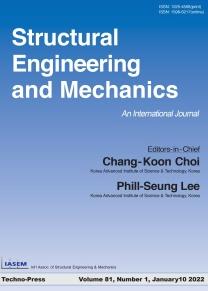
| Structural Engineering and Mechanics, An International Journal (Structural Engineering and Mechanics) |
|
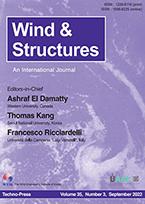
| Wind and Structures, An International Journal (Wind and Structures) |




MANUSCRIPTLINK © 2015 -
