

International Symposium on Information Sciences & Intelligent Systems
3IS 2026
- URL: https://3is.sciencesconf.org/
- Event Date: 2026-10-29 ~ 2026-10-31
- Abstract Submission Date: 2026-01-05
- Submission Date: 2026-05-15
- Organizer: Institut supérieur de documentation
- Location: Tunis, Tunisia
Artificial Intelligence Library & Information Science
The International Symposium on Information Sciences and Intelligent Systems (3IS) is dedicated to the scientific, technological, and societal dimensions of information sciences, especially in relation with the recent advances in Artificial Intelligence (AI). At the crossroads of archiving, library and information sciences, digital heritage, data science, computational linguistics, ethics, governance, and pedagogy, the conference explores both classical and emergent trends in information sciences in an interdisciplinary perspective and how intelligent systems reshape the creation, organization, preservation, and dissemination of knowledge across disciplines.
The 3IS Symposium constitutes a leading international forum dedicated to advancing interdisciplinary dialogue and scholarly collaboration in the field of information sciences and intelligent systems. It provides a critical platform for academics, researchers, and professionals to engage in informed, academic discussions addressing the theoretical, methodological, and practical challenges that define the field.
Reflecting the breadth and diversity of contemporary research, 3IS welcomes a multidisciplinary and multilingual community of participants. Grounded in a trilingual academic culture—Arabic, French, and English—the symposium promotes intellectual exchange across linguistic and disciplinary boundaries, thereby fostering a genuinely inclusive and globally engaged scholarly environment.
The scientific program is structured to stimulate innovation, critical reflection, and collaborative inquiry. Participants will have the opportunity to engage directly with leading experts and distinguished scholars through a comprehensive range of activities, including keynote lectures, thematic and discussion panels, workshops and research presentations highlighting state-of-the-art developments. This program not only showcases pioneering contributions but also encourages attendees to participate actively in shaping the future trajectories of the discipline.
By embracing linguistic diversity and disciplinary plurality, 3IS cultivates an open and inclusive academic dialogue that bridges local contexts with global perspectives, reinforcing the centrality of intercultural understanding in the production of knowledge.
Complementing the academic sessions, the symposium also offers participants the opportunity to experience the rich cultural heritage of Tunisia through an integrated cultural program. This dimension underscores the conference’s commitment to connecting scientific advancement with cultural exchange, thereby providing a distinctive and enriching experience for all attendees.
Objectives
Organized by the SILAB research Laboratory in Information Science, Higher Institute of Documentation, University of Manouba, the conference aims to:
• Strengthen collaboration between the international research community and Tunisian initiatives in information sciences and intelligent systems.
• Rethink the missions, the social, economic and cultural roles of libraries and information services in the era of AI.
• Provide a platform to exchange on the ethical, strategic, and socio-political challenges of information ecosystems.
• Address the management, preservation, and valorization of audiovisual and digital heritage in the context of global knowledge access.
• Explore innovative approaches to knowledge measurement (bibliometrics, scientometrics) and their implications for academic ecosystems.
• Showcase advances in computational linguistics and data science in relation to information sciences.
• Highlight the role of information sciences and intelligent systems in teaching, learning, and training, fostering new pedagogical practices.
Topics
The topics include but are not limited to:
●Libraries and archives between patrimony, organization, and public service:
oConservation and restoration of collections.
oIndexing, bibliographical description and classification practices.
oCollection development policies.
oThe social, economic and cultural role of libraries and information services.
●Emergent models in managing documentary heritage and digital information
oDigital and green libraries for equitable and sustainable global knowledge access.
oDigital archiving and preservation of cultural and informational patrimony (web archiving, long-term preservation strategies, digitization standards, etc.).
oEmergent approaches to manuscript, audio-visual and cultural heritage management and valorization (paleographic and epigraphic studies, computational methods for document analysis and restoration, etc.).
oTechnical and administrative challenges of digital collection management.
●Innovation and strategic management of information services
oAdopting collaborative and agile methodologies in information services.
oStrategic data analysis and data marketing in information services.
oUser Experience (UX) and service design for digital information platforms.
oNew pedagogical practices for information literacy in the digital age.
oEvolving competencies and AI integration for information professionals.
●Information ecosystem: governance, standards, ethics, and reliability
oSocial, epistemological and philosophical challenges to knowledge validity in the age of AI.
oThe impact of technological innovations & AI on the attitudes and behaviors of information professionals and users.
oBias, transparency, and explainability of AI systems.
oThe socio-political impacts of generative AI and disinformation.
oHuman-machine co-construction of knowledge and collaborative intelligence.
oNew frameworks for AI regulation and ethical governance.
●Scientific research and learning innovation
oTheories of scientific communication (editing, translation, publication and dissemination of research work)
oBibliometrics and scientometrics for assessing research impact and academic ecosystems.
oInformation sciences perspectives in teaching, learning, and knowledge dissemination.
oIntelligent systems for e-learning, collaborative learning, and academic writing support.
oAI-enhanced pedagogy, curriculum and professional development in higher education.
●Data science and computational linguistics in information services
oGenerative artificial intelligence and large language models
oNatural language processing and information retrieval.
oDocument analysis, Knowledge extraction, representation and organization.
oData science applications in information services
Event Promotion
|
|
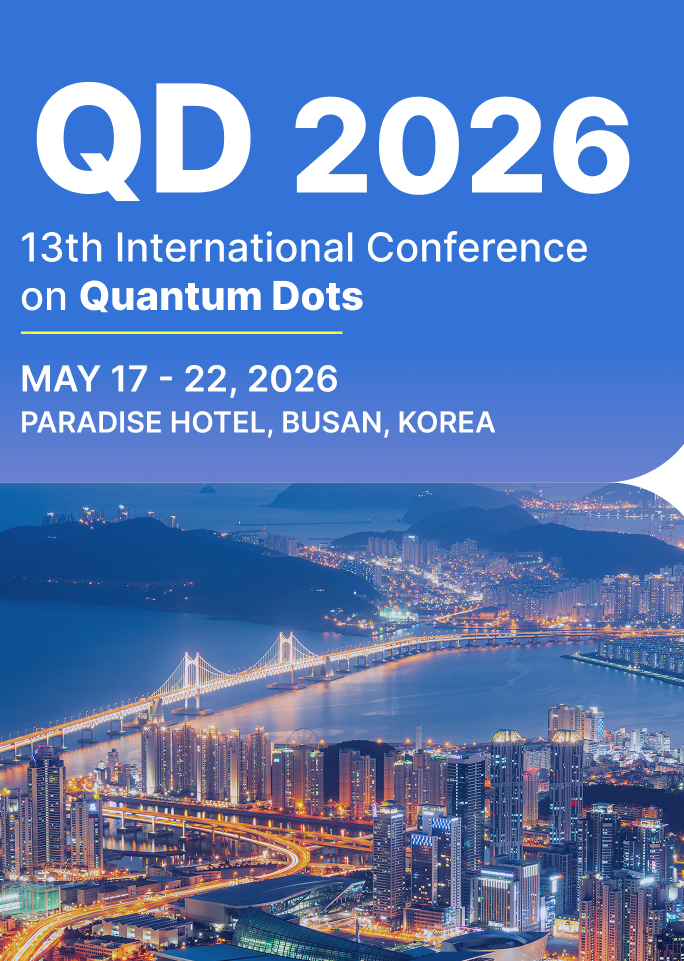
The 13th International Conference on Quantum Dots (QD 2026) |
| 2026-05-17 ~ 2026-05-22 |
|
|
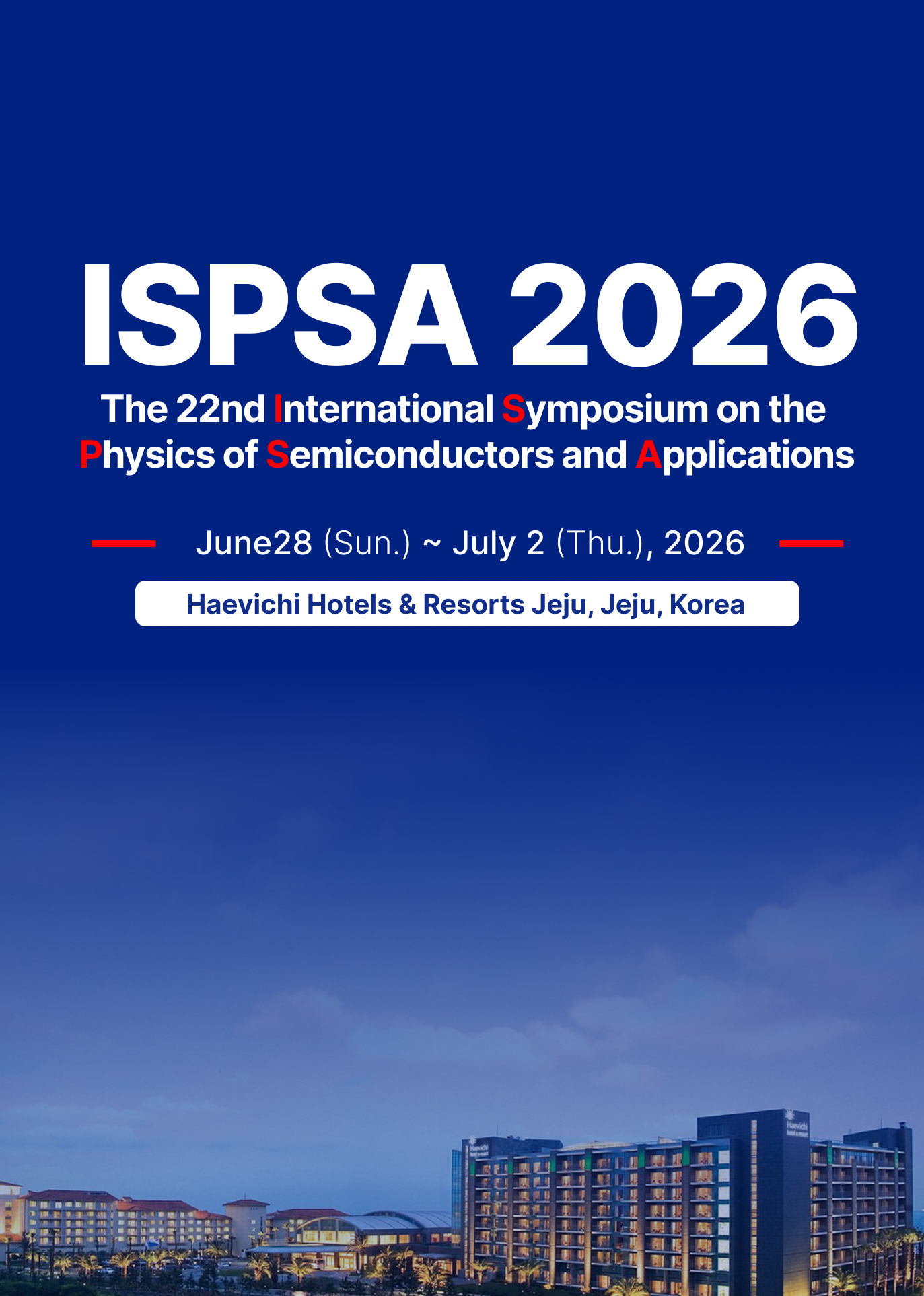
The 22nd International Symposium on the Physics of Semiconductors and Applications (ISPSA 2026) |
| 2026-06-28 ~ 2026-07-02 |

|
|
The 15th Asia-Pacific Conference on Transportation and the Environment (APTE 2026) |
| 2026-07-08 ~ 2026-07-10 |
|
|
ACEM26 / Structures26 (ACEM26) |
| 2026-08-24 ~ 2026-08-25 |
Journal Promotion

|
| Acta Koreana (Acta Koreana) |
|
| Acta Via Serica (AVS) |
|
| Computers and Concrete (Computers and Concrete) |

|
| Earthquakes and Structures, An International Journal (Earthquakes and Structures) |

|
| Geomechanics and Engineering (Geomechanics and Engineering) |
|
| Journal of Information Processing Systems (JIPS) |

|
| Journal of Internet Computing and Services (KSII - JICS) |

|
| Membrane and Water Treatment (MWT) |

|
| Smart Structures and Systems (Smart Structures and Systems) |

|
| Steel and Composite Structures, An International Journal (Steel and Composite Structures) |

|
| Structural Engineering and Mechanics, An International Journal (Structural Engineering and Mechanics) |

|
| Wind and Structures, An International Journal (Wind and Structures) |



MANUSCRIPTLINK © 2015 -
