


VIENNA 6th World Congress on Languages, Literature, Humanities & Social Sciences: VL2HS-27
VL2HS-27
- URL: https://drhss.org/conference/503
- Event Date: 2027-04-14 ~ 2027-04-16
- Submission Date: 2027-04-01
- Organizer: DRHSS
Audiology, Speech & Language Pathology Foreign Language Learning Language & Linguistics English Language & Literature
Call for papers/Topics
Full Articles/ Reviews/ Shorts Papers/ Abstracts are welcomed in the following research fields:
Independent Disciplinary Pillars
Languages and Linguistics
Phonetics and Phonology: Articulatory phonetics (how sounds are made), acoustic phonetics (sound waves), and phonological rules (sound patterns within specific languages).
Morphology and Syntax: Word formation processes (roots, prefixes, suffixes) and sentence structure rules (grammar, phrase structure, constituency).
Semantics and Pragmatics: Literal meaning of words and sentences versus contextual meaning, speech acts, and implied communication.
Historical Linguistics: Language evolution, etymology, language families, and the mechanisms of language change over time.
Applied Linguistics: Second language acquisition, language teaching methodologies, bilingualism, and lexicography (dictionary making).
Literature
Literary Genres: Prose fiction (novels, short stories), poetry (epic, lyric, dramatic), drama/theater, and creative non-fiction.
Literary Eras and Movements: Classical literature, Medieval, Renaissance, Enlightenment, Romanticism, Realism, Modernism, and Postmodernism.
Literary Theory and Criticism: Formalism, structuralism, psychoanalytic criticism, Marxist literary theory, feminist literary theory, and postcolonial criticism.
Textual Analysis and Hermeneutics: Close reading techniques, textual editing, bibliography, and the study of interpretation theory.
Humanities
Philosophy: Epistemology (theory of knowledge), metaphysics (nature of reality), ethics (moral philosophy), logic, and aesthetics (philosophy of art).
History: Historiography (the study of how history is written), ancient history, medieval history, early modern history, and contemporary global history.
Art History and Visual Culture: Analysis of visual arts, architecture, sculpture, and media across different eras and civilizations.
Religious Studies: Comparative religion, mythology, sacred texts, theology, and the history of religious institutions.
Social Sciences
Sociology: Social stratification (class, race, gender), institutional structures (family, education, religion), deviance, and socialization.
Anthropology: Cultural anthropology (customs and beliefs), archaeology (material remains), and biological anthropology (human evolution).
Psychology: Cognitive processes, developmental psychology, social psychology, personality theories, and abnormal psychology.
Political Science: Comparative politics, international relations, political theory, public policy, and governance systems.
Economics: Microeconomics (individual/firm choices), macroeconomics (national/global systems), behavioral economics, and economic history.
Interrelated and Cross-Disciplinary Fields
Sociolinguistics and Linguistic Anthropology
Language and Identity: How dialects, accents, and language choices reflect social class, region, ethnicity, and gender.
Language Policy and Politics: National language laws, language endangerment, revitalization efforts, and the legacy of linguistic imperialism.
Discourse Analysis: The study of how language constructs power dynamics, ideology, and social reality in media, politics, and daily life.
Cultural Studies and Comparative Literature
World Literature: The study of literary texts in global circulation, translation challenges, and cross-cultural literary influences.
Representations of Power: How literature, art, and media mirror or critique social inequalities, political regimes, and historical events.
Postcolonial and Subaltern Studies: Analyzing the cultural, linguistic, and psychological impacts of colonization and decolonization through texts and social practices.
Digital Humanities and Computational Social Sciences
Digital Textual Analysis: Using programming and data analysis to study massive literary corpora, track word evolution, or identify author styles.
Digital Culture and Society: The social impact of algorithms, online communities, artificial intelligence, and digital communication on human behavior and language.
Archiving and Preservation: The digitization of historical documents, rare books, and linguistic field recordings for global access.
Psycholinguistics and Cognitive Humanities
Cognitive Poetics: How the human brain processes literary devices like metaphors, narrative structures, and emotional resonance.
Language Acquisition and Mind: The cognitive architecture required for language learning, speech processing, and multilingual thought.
Narrative Psychology: The study of how humans use stories, myths, and literature to construct personal and collective identities
Journal Promotion
|
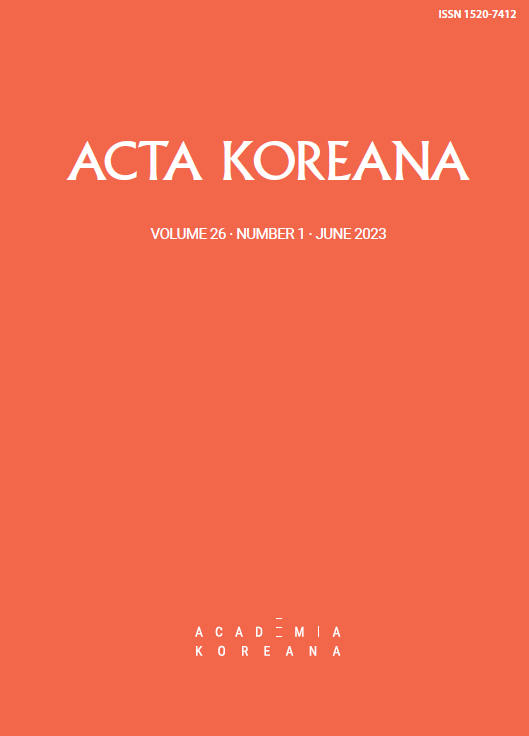
| Acta Koreana (Acta Koreana) |
|
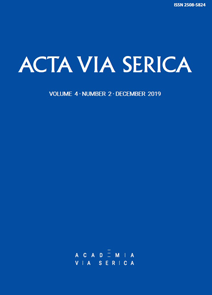
| Acta Via Serica (AVS) |

|
| Advances in Concrete Construction (Advances in Concrete Construction ) |

|
| Advances in Nano Research (Advances in Nano Research) |
|
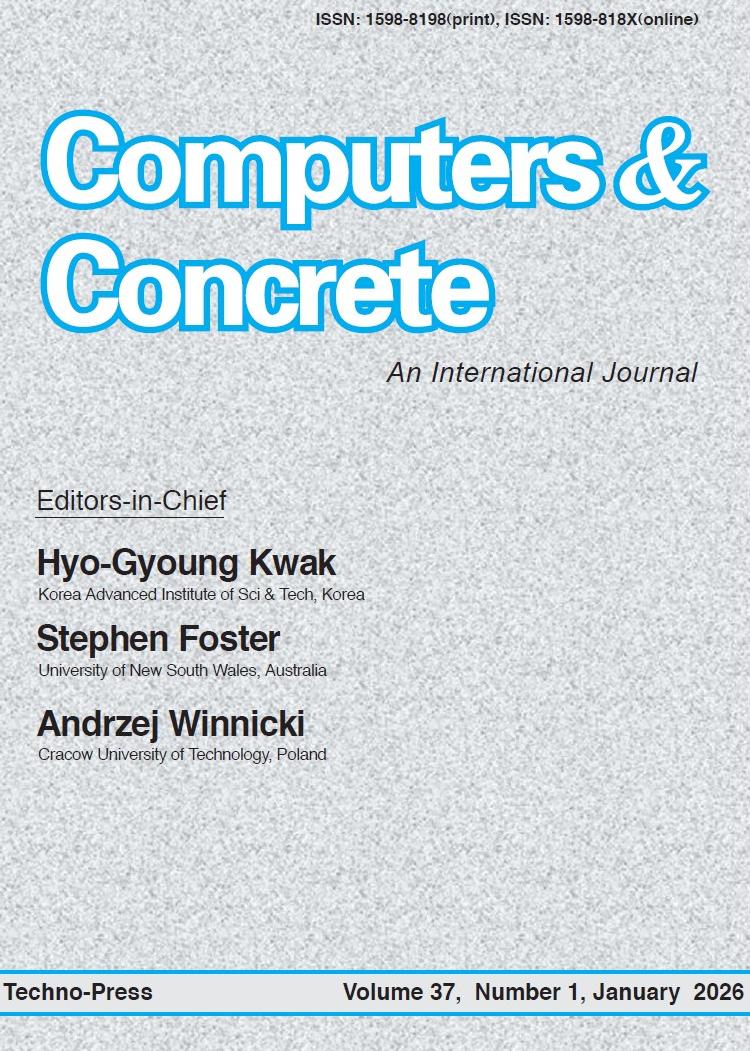
| Computers and Concrete (Computers and Concrete) |

|
| Coupled Systems Mechanics (Coupled Systems Mechanics) |
|
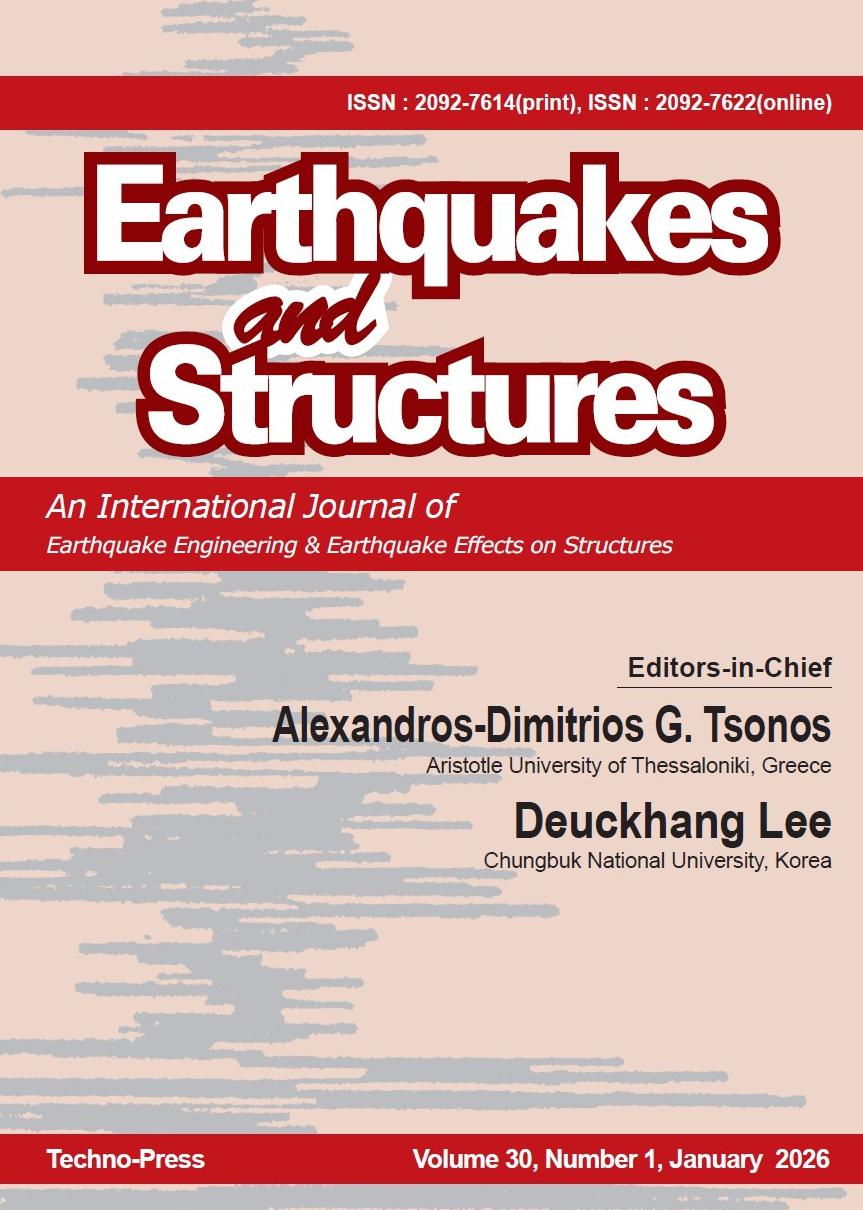
| Earthquakes and Structures, An International Journal (Earthquakes and Structures) |
|
| Geomechanics and Engineering (Geomechanics and Engineering) |
|
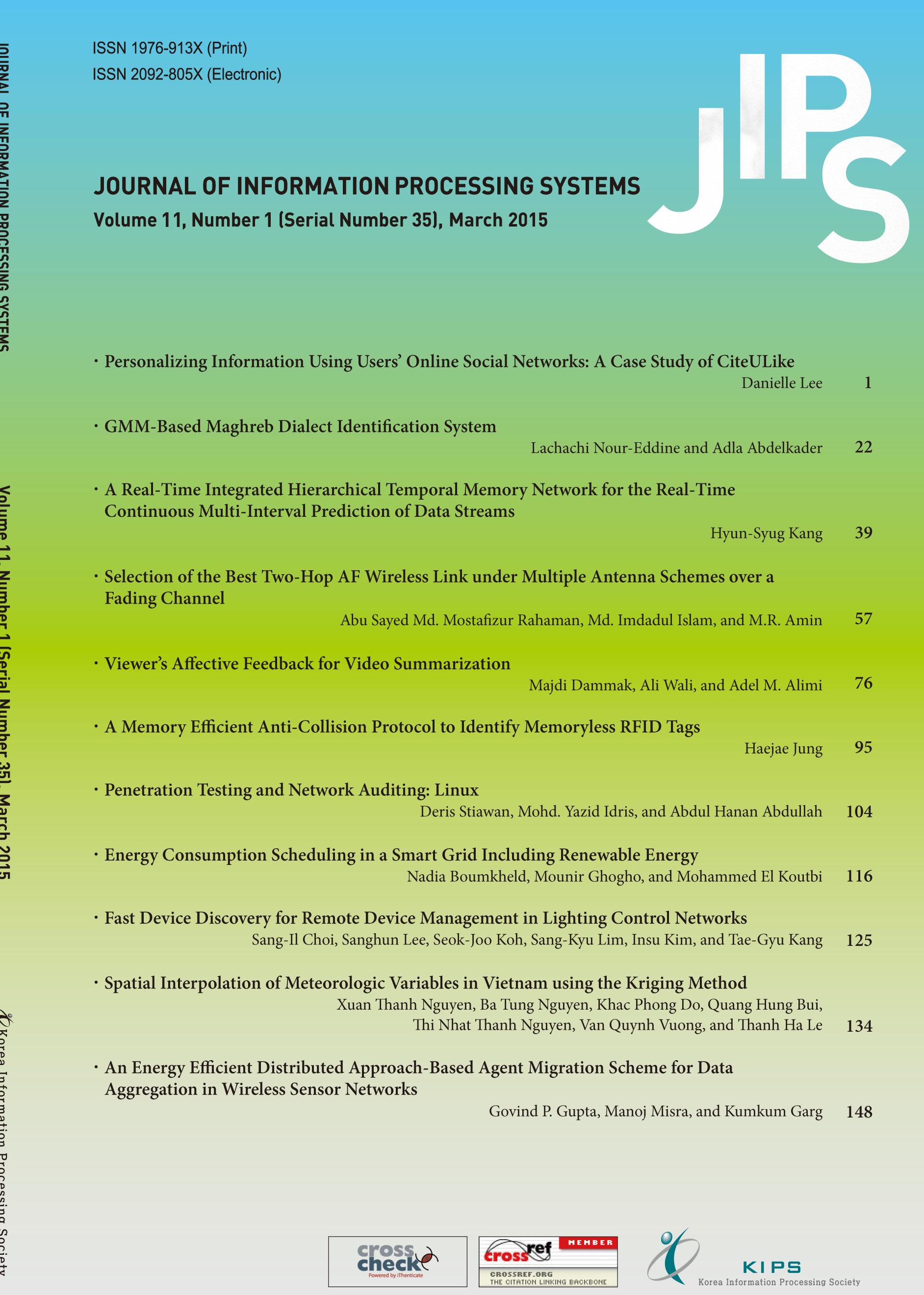
| Journal of Information Processing Systems (JIPS) |

|
| Journal of Internet Computing and Services (KSII - JICS) |

|
| Membrane and Water Treatment (MWT) |
|
| Smart Structures and Systems (Smart Structures and Systems) |
|
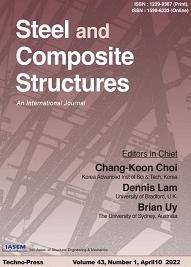
| Steel and Composite Structures, An International Journal (Steel and Composite Structures) |
|
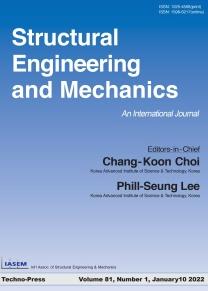
| Structural Engineering and Mechanics, An International Journal (Structural Engineering and Mechanics) |
|
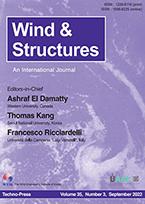
| Wind and Structures, An International Journal (Wind and Structures) |




MANUSCRIPTLINK © 2015 -
