


21st BANGKOK International Conference on Literature, Philosophy, Humanities & Social Sciences: LPHSS-27 Jan. 25-27, 2027 Bangkok - Thailand
LPHSS-27
- URL: https://icehm.org/2027/01/27/212
- Event Date: 2027-01-25 ~ 2027-01-27
- Submission Date: 2027-01-01
- Organizer: ICEHM
Humanities, Literature & Arts (General) English Language & Literature
All Abstracts, Reviews, short articles, Full articles, Posters are welcomed related with any of the following research fields:
I. Literature
A. Literary Theory and Criticism
Formalism and New Criticism: Close reading practices, textual autonomy, intentional fallacy, affective fallacy, and the mechanics of poetic meter and structure.
Structuralism and Post-Structuralism: Signs, signifiers, and signifieds; binary oppositions; deconstruction; death of the author; and the instability of meaning.
Marxist Literary Criticism: Base and superstructure in narrative, commodity fetishism in literature, literature as ideological state apparatus, and class struggle in plot resolution.
Psychoanalytic Criticism: The Freudian unconscious, id/ego/superego dynamics in character development, dream analysis applied to narrative, Lacanian mirror stage, and the symbolic order.
Feminist and Queer Theory: Patriarchal canons, écriture féminine, gender performativity, subversion of heteronormative narratives, and intersectional identity representation.
Postcolonial and Decolonial Theory: Orientalism, subaltern studies, mimicry and hybridity, cultural imperialism, and the decolonization of the literary canon.
Reader-Response Criticism: Interpretive communities, horizons of expectation, the implied reader, and the active construction of meaning by the audience.
Ecocriticism: Anthropocentrism in narrative, environmental justice literature, green studies, and the representation of non-human agency.
B. Literary Forms and Genres
Poetry and Poetics: Epic, lyric, sonnet, blank verse, free verse, avant-garde poetry, prosody, and the historical evolution of poetic forms.
The Novel and Prose Fiction: Picaresque, epistolary, Bildungsroman, historical fiction, realism, magical realism, modernist stream-of-consciousness, and post-modern metafiction.
Drama and Performance: Classical tragedy, comedy, Elizabethan drama, Theater of the Absurd, epic theater, dramaturgy, and the transition from text to performance.
Non-Fiction and Life Writing: Autobiography, memoir, biography, the personal essay, literary journalism, and travel writing.
Speculative Fiction: Science fiction, fantasy, utopian and dystopian literature, horror, and alternative histories.
C. Comparative and World Literature
Translation Studies: Equivalence, untranslatability, localization, cultural adaptation, and the politics of translation.
Transnational and Diaspora Literature: Migrant narratives, borderland literature, exile, exophonic writing, and global literary networks.
Intertextuality and Adaptation: Allusion, pastiche, parody, transmedial storytelling, and textual evolution across cultures and eras.
II. Philosophy
A. Epistemology
The Nature of Knowledge: Definitional boundaries of knowledge, justified true belief, and the Gettier problem.
Sources of Knowledge: Rationalism, empiricism, skepticism, constructivism, and the role of perception, memory, and intuition.
Epistemic Justification: Foundationalism, coherentism, infinitism, reliabilism, and internalism versus externalism.
Social and Feminist Epistemology: Standpoint theory, epistemic injustice, testimonial injustice, and collective knowledge systems.
B. Metaphysics
Ontology: The nature of being, substance, properties, universals versus particulars, and existential categorization.
Philosophy of Mind: Dualism, physicalism, functionalism, panpsychism, the hard problem of consciousness, and personal identity over time.
Free Will and Determinism: Hard determinism, libertarian free will, compatibilism, fatalism, and moral responsibility.
Causation, Space, and Time: Presentism versus eternalism, the A-series and B-series of time, causal determinism, and the nature of possibility (modal realism).
C. Ethics and Axiology
Normative Ethics: Utilitarianism and consequentialism, deontological ethics, virtue ethics, and ethics of care.
Meta-Ethics: Moral realism, moral anti-realism, cognitivism, non-cognitivism, error theory, and the is-ought problem.
Applied Ethics: Bioethics, environmental ethics, business ethics, technology and AI ethics, animal rights, and the ethics of warfare.
Aesthetics: The definition of art, the nature of beauty, aesthetic experience, institutional theories of art, and the intersection of art and morality.
D. Logic and Philosophy of Language
Formal and Informal Logic: Propositional logic, predicate logic, modal logic, syllogisms, and informal fallacies.
Sense and Reference: Frege's distinction, Russell's definite descriptions, Kripke's rigid designators, and direct reference theory.
Pragmatics and Speech Acts: Locutionary, illocutionary, and perlocutionary acts; conversational implicature; and performative language.
III. Humanities
A. History and Historiography
Methodology and Philosophy of History: Historical objectivity, primary versus secondary sources, archival theory, and linear versus cyclical interpretations of historical progression.
Social and Cultural History: History of everyday life, microhistory, history of mentalities, subaltern history, and oral history.
Global, Intellectual, and Economic History: History of ideas, conceptual history, mercantilism, industrialization, and globalization networks.
B. Art History and Visual Culture
Iconography and Semiotics: Decoding symbols, visual language, signs in art, and structural analysis of images.
Art Movements and Periods: Classical, Renaissance, Baroque, Impressionism, Modernism, Postmodernism, and Contemporary global art.
Material Culture and Museology: Provenance, curation, cultural heritage preservation, repatriation of artifacts, and the politics of exhibition spaces.
C. Religious Studies
Comparative Religion: Systematic analysis of world religions, indigenous spiritualities, new religious movements, and mythological structures.
Philosophy of Religion: Arguments for and against the existence of deities, the problem of evil, divine command theory, and the nature of faith.
Sociology and Anthropology of Religion: Ritual theory, sacred versus profane spaces, secularization theses, and the role of religion in state formation.
IV. Social Sciences
A. Sociology
Social Stratification and Inequality: Class dynamics, racial and ethnic stratification, gender structures, social mobility, and systemic inequality.
Sociological Theory: Classical foundations (Marx, Weber, Durkheim), structural functionalism, symbolic interactionism, conflict theory, and contemporary social critique.
Institutions and Socialization: Family units, education systems, religious institutions, mass media, and the internalization of social norms.
Urban and Rural Sociology: Urbanization, gentrification, community building, spatial segregation, and rural-urban migration patterns.
B. Anthropology
Cultural Anthropology: Ethnography, kinship systems, gift economies, language and worldviews, and cultural relativism versus ethnocentrism.
Archaeology: Material culture recovery, site excavation methodologies, human evolution, and the rise and fall of ancient civilizations.
Linguistic Anthropology: Sociolinguistics, language revitalization, linguistic relativity (Sapir-Whorf hypothesis), and discourse analysis within power dynamics.
Biological Anthropology: Paleoanthropology, human genetic variation, primatology, and bioarchaeological analysis.
C. Political Science
Political Theory and Philosophy: Classical political thought, liberalism, conservatism, socialism, anarchism, fascism, and democratic theory.
Comparative Politics: State structures, electoral systems, democratization, authoritarianism, regimes, and institutional designs.
International Relations: Realism, liberalism, constructivism, Marxism in international affairs, hegemony, global governance, and conflict studies.
Public Policy and Administration: Bureaucracy, policy implementation, policy evaluation, state budgeting, and governance mechanics.
D. Human Geography
Spatial Analysis and Geopolitics: Border formations, territoriality, critical geopolitics, and space as a social construct.
Economic and Cultural Geography: Global supply chains, uneven development, cultural landscapes, and the geography of globalization.
Environmental Geography: Human-environment interactions, political ecology, resource management, and spatial adaptation to environmental changes.
V. Interrelated and Interdisciplinary Frameworks
A. Critical Theory and Cultural Studies
The Frankfurt School: Culture industry, instrumental rationality, communicative action, and critique of mass media.
Subcultures and Hegemony: Cultural resistance, ideology and hegemony (Gramsci), hegemony encoding/decoding (Hall), and youth subcultures.
The Body and Biopolitics: Foucault's biopower, discipline and punish, surveillance studies, and the medicalization of society.
B. Gender, Sexuality, and Intersectionality
Intersectional Frameworks: Overlapping vectors of race, class, gender, and ability as defined across sociology, law, and literary analysis.
Queer Phenomenology and History: Spatial configurations of identity, historical genealogies of sexuality, and queer ecologies.
C. Science, Technology, and Society (STS)
Actor-Network Theory (ANT): Symmetry between human and non-human actors in sociotechnical networks.
Philosophy and Sociology of Science: Paradigm shifts (Kuhn), falsifiability (Popper), social construction of scientific facts, and scientific objectivity critiques.
Digital Humanities and Digital Sociology: Computational text analysis, mapping literary networks, digital ethnography, and the socio-philosophical impacts of algorithms.
Journal Promotion
|
| Acta Koreana (Acta Koreana) |

|
| Acta Via Serica (AVS) |

|
| Advances in Concrete Construction (Advances in Concrete Construction ) |

|
| Advances in Nano Research (Advances in Nano Research) |
|
| Computers and Concrete (Computers and Concrete) |
|
| Coupled Systems Mechanics (Coupled Systems Mechanics) |
|
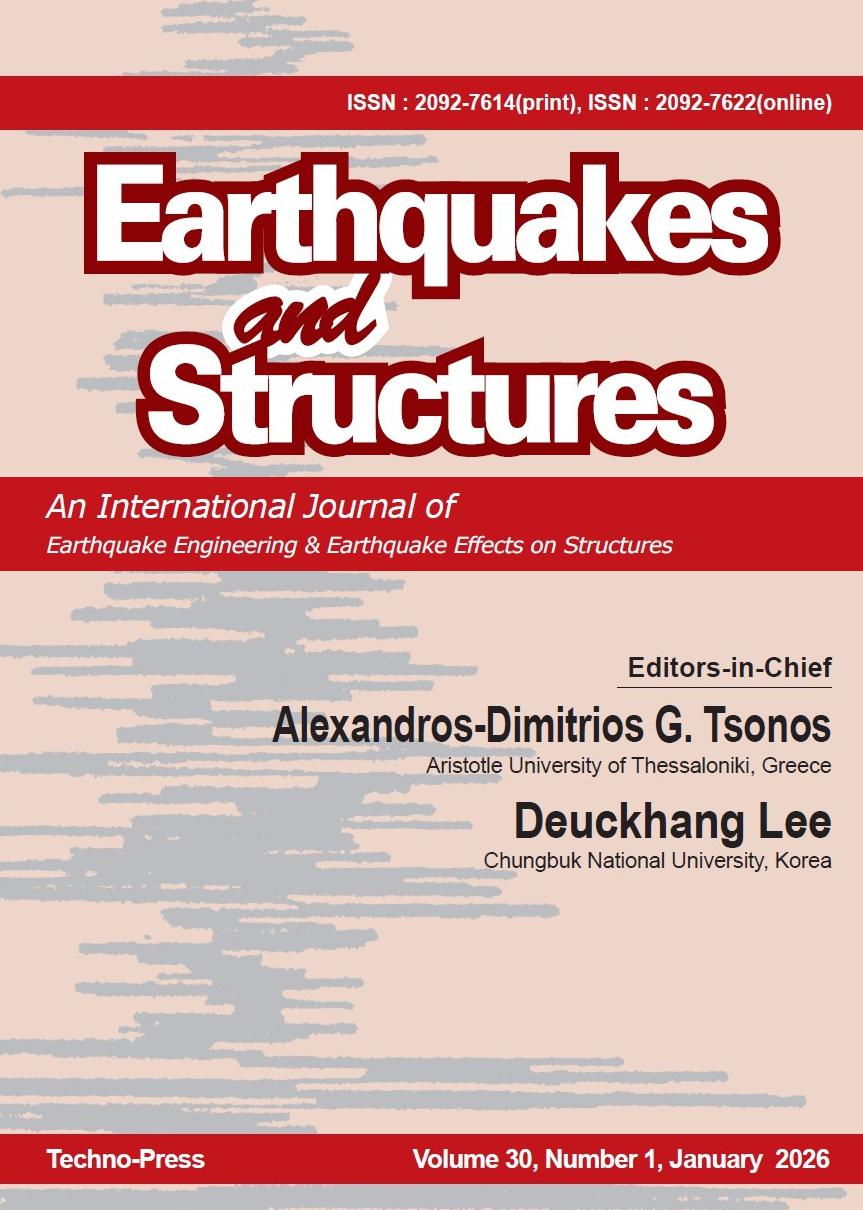
| Earthquakes and Structures, An International Journal (Earthquakes and Structures) |
|
| Geomechanics and Engineering (Geomechanics and Engineering) |
|
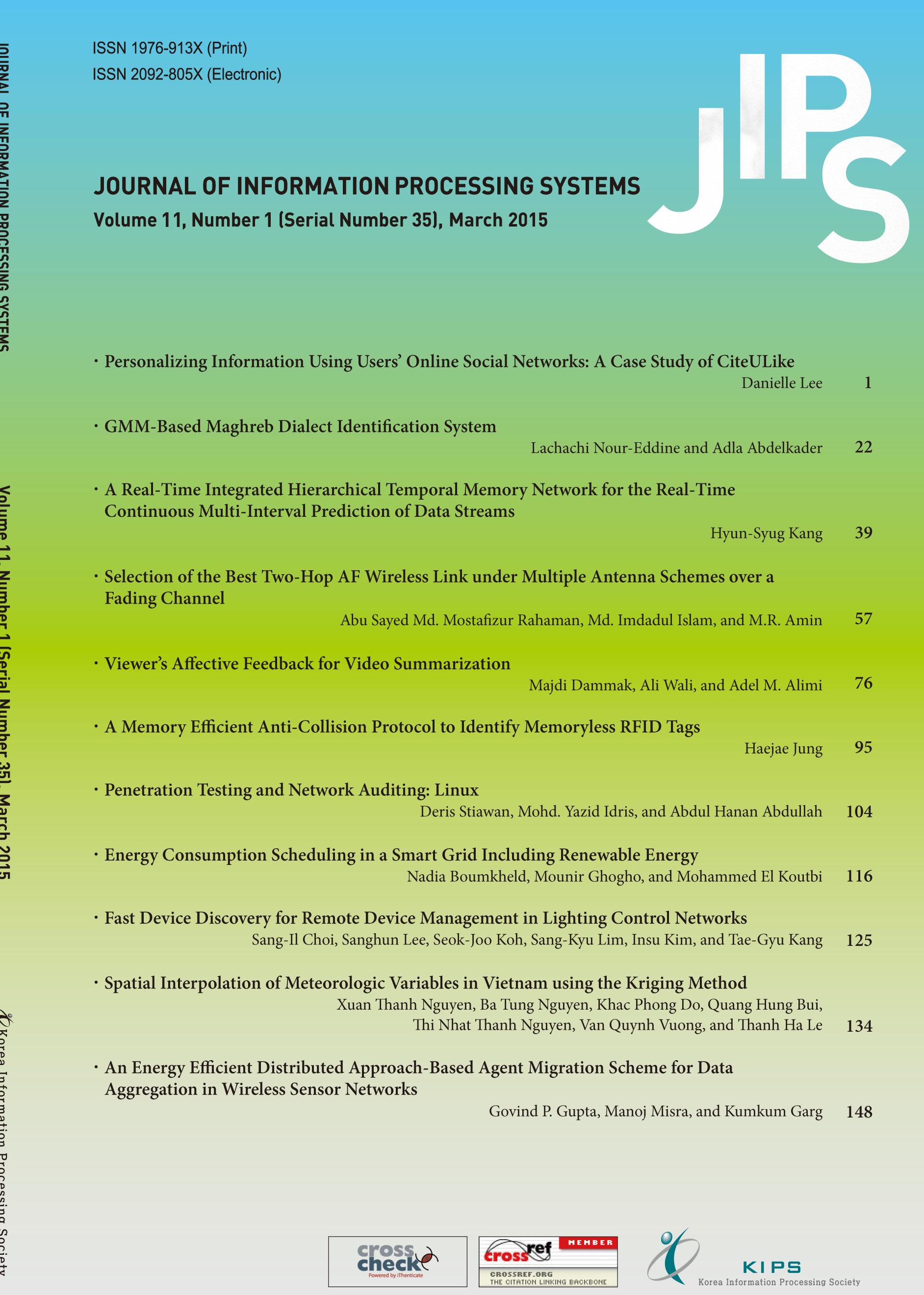
| Journal of Information Processing Systems (JIPS) |

|
| Journal of Internet Computing and Services (KSII - JICS) |

|
| Membrane and Water Treatment (MWT) |
|
| Smart Structures and Systems (Smart Structures and Systems) |
|
| Steel and Composite Structures, An International Journal (Steel and Composite Structures) |
|
| Structural Engineering and Mechanics, An International Journal (Structural Engineering and Mechanics) |
|
| Wind and Structures, An International Journal (Wind and Structures) |




MANUSCRIPTLINK © 2015 -
