


ROME 9th World Conference on Literature, Languages, Humanities & Social Sciences (RL2HS2-27)June 23-25, 2027 Rome (Italy)
RL2HS2-27
- URL: https://fahss.org/conference/380
- Event Date: 2027-06-23 ~ 2027-06-25
- Submission Date: 2027-06-01
- Organizer: FAHSS
Foreign Language Learning Humanities, Literature & Arts (General) English Language & Literature
Call for papers/Topics
All Abstracts, Reviews, short articles, Full articles, Posters are welcomed related with any of the following research fields:
1. Literature & Literary Studies
Literature explores human experience, culture, and thought through written, oral, and visual texts.
Literary Theory and Criticism
Structuralism and Post-Structuralism
Psychoanalytic Literary Criticism
Marxist and Materialist Literary Theory
Feminist Theory and Gender Studies in Literature
Postcolonialism and Decolonial Thought
Ecocriticism and Environmental Humanities
Critical Race Theory in Literature
Literary Genres and Forms
Poetry and Poetics (prosody, verse forms, free verse)
Prose Fiction (novel, novella, short story)
Drama and Performance Literature
Creative Nonfiction (memoir, personal essay, travel writing)
Speculative Fiction (science fiction, fantasy, dystopian literature)
Digital and Hypertext Literature
Literary History and Movements
Classical and Ancient Literature
Medieval and Renaissance Literature
Enlightenment and Romanticism
Realism and Naturalism
Modernism and Vanguard Movements
Postmodernism and Contemporary Literature
Comparative Literature
Cross-cultural Literary Translation and Reception
Intertextuality and Adaptation Studies
World Literature and Global Anglophone Literature
2. Languages & Linguistics
Linguistics is the scientific study of language structure, meaning, evolution, and social use.
Core Theoretical Linguistics
Phonetics (speech sounds and acoustics)
Phonology (sound systems and patterns)
Morphology (word formation and structure)
Syntax (sentence structure and grammar)
Semantics (meaning in language)
Pragmatics (language use in context)
Applied Linguistics
Second Language Acquisition (SLA)
Language Pedagogy and Assessment
Translation and Interpretation Studies
Lexicography and Dictionary Making
Interdisciplinary Linguistics
Sociolinguistics (language, identity, and class)
Psycholinguistics (language processing in the brain)
Neurolinguistics (brain structures supporting language)
Computational Linguistics and Natural Language Processing
Historical Linguistics and Language Evolution
Discourse Analysis and Critical Discourse Analysis
3. History & Historical Sciences
History investigates past events, human societies, and change over time through critical evaluation of sources.
Chronological and Regional History
Ancient History and Civilizations
Medieval and Early Modern History
Modern and Contemporary Global History
Regional Histories (African, Asian, European, Latin American, North American, Middle Eastern)
Thematic History
Social and Cultural History
Economic and Labor History
Political and Military History
Intellectual History and History of Ideas
History of Science, Technology, and Medicine
Environmental History
Gender and Sexuality History
Historiography and Methodology
Historical Philosophy and Theory
Archival Research and Source Criticism
Oral History and Public History
Digital History and Quantitative Approaches
4. Philosophy & Ethics
Philosophy addresses fundamental questions about existence, knowledge, ethics, reason, and human nature.
Theoretical Philosophy
Metaphysics (nature of reality and being)
Epistemology (nature, scope, and limits of knowledge)
Logic (formal and informal reasoning)
Philosophy of Mind (consciousness, cognition, perception)
Philosophy of Language (meaning, reference, truth)
Philosophy of Science (methodology, realism, explanation)
Practical Philosophy and Ethics
Normative Ethics (deontology, consequentialism, virtue ethics)
Metaethics (nature of moral judgments)
Applied Ethics (bioethics, environmental ethics, AI ethics, business ethics)
Political Philosophy (justice, rights, authority, liberty)
Aesthetics and Philosophy of Art
Philosophical Traditions
Western Traditions (Ancient Greek, Scholasticism, Continental, Analytic)
Non-Western Traditions (Asian, African, Indigenous Philosophies)
5. Cultural & Area Studies
Cultural studies analyze how meaning is generated, disseminated, and contested in society through cultural practices and institutions.
Cultural Theory & Media
Popular Culture and Mass Media
Visual Culture and Material Culture
Digital Culture and Cyberculture
Cultural Memory and Heritage Studies
Area and Identity Studies
Gender and Sexuality Studies
Race, Ethnicity, and Indigenous Studies
Global and Transnational Studies
Subaltern and Postcolonial Studies
6. Social Sciences: Sociology, Anthropology & Human Geography
These disciplines examine social structures, human behavior, cultural practices, and spatial relationships.
Sociology
Sociological Theory (functionalism, conflict theory, symbolic interactionism)
Social Stratification, Inequality, and Class
Sociology of Race, Ethnicity, and Gender
Sociology of Institutions (family, education, religion, medicine)
Urban and Rural Sociology
Deviance and Criminology
Anthropology
Cultural and Social Anthropology
Linguistic Anthropology
Biological and Evolutionary Anthropology
Archaeology and Material History
Human Geography
Urban and Regional Geography
Political and Economic Geography
Cultural Geography and Spatial Analysis
Population and Migration Studies
7. Political Science, Economics & International Relations
These fields analyze power systems, governance, economic behavior, and global politics.
Political Science
Political Theory and Ideologies
Comparative Politics and Political Systems
Public Policy and Administration
Electoral Systems and Political Behavior
International Relations
International Relations Theory (Realism, Liberalism, Constructivism)
Global Governance and International Organizations
International Security and Conflict Studies
International Political Economy
Economics (Humanities Context)
Microeconomics and Human Behavior
Macroeconomics and Public Policy
Development Economics and Globalization
Behavioral and Institutional Economics
8. Key Interrelated & Cross-Disciplinary Fields
Where these broad areas intersect, rich hybrid disciplines emerge:
Medical Humanities: Intersection of medicine, literature, philosophy, and history to understand health, illness, and healthcare ethics.
Digital Humanities: Application of computational tools and methods to literary, historical, and cultural research.
Environmental Humanities: Blending history, ethics, literature, and sociology to analyze human interaction with ecosystems.
Sociolinguistics & Linguistic Anthropology: Mapping how language both reflects and creates social structures, identities, and power dynamics.
Political Economy & Political Sociology: Examining how economic policies, class structures, and state systems influence each other.
Philosophy of Social Sciences: Examining the methodological foundations and assumptions behind sociological, economic, and historical research
Journal Promotion
|
| Acta Koreana (Acta Koreana) |

|
| Acta Via Serica (AVS) |

|
| Advances in Concrete Construction (Advances in Concrete Construction ) |

|
| Advances in Nano Research (Advances in Nano Research) |
|
| Computers and Concrete (Computers and Concrete) |

|
| Coupled Systems Mechanics (Coupled Systems Mechanics) |

|
| Earthquakes and Structures, An International Journal (Earthquakes and Structures) |
|
| Geomechanics and Engineering (Geomechanics and Engineering) |
|
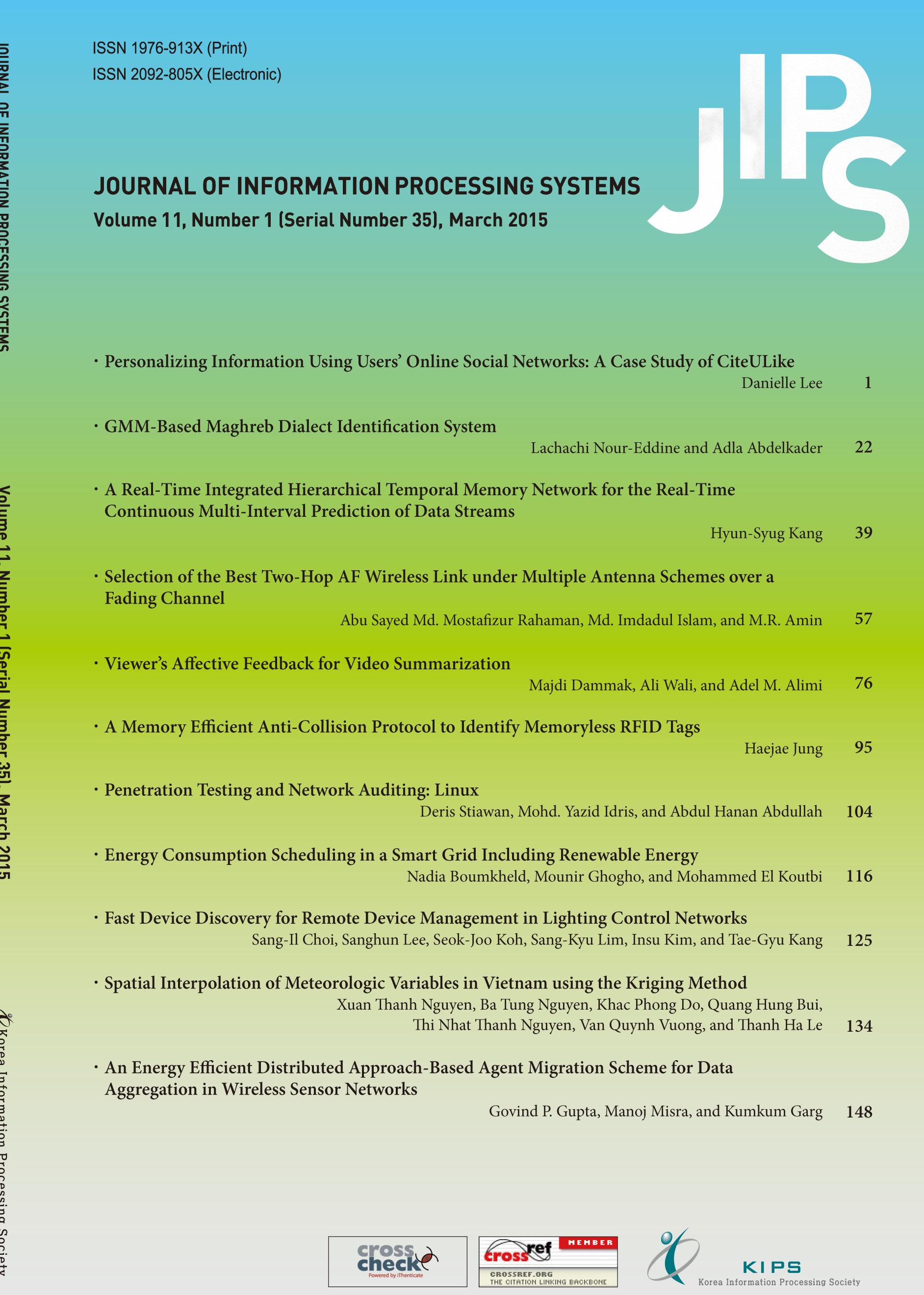
| Journal of Information Processing Systems (JIPS) |

|
| Journal of Internet Computing and Services (KSII - JICS) |

|
| Membrane and Water Treatment (MWT) |
|
| Smart Structures and Systems (Smart Structures and Systems) |
|
| Steel and Composite Structures, An International Journal (Steel and Composite Structures) |
|
| Structural Engineering and Mechanics, An International Journal (Structural Engineering and Mechanics) |
|
| Wind and Structures, An International Journal (Wind and Structures) |




MANUSCRIPTLINK © 2015 -
