

34th ATHENS International Conference on Education (AICE-26) scheduled on June 3-5, 2026 Athens (Greece)
AICE-26
- URL: https://eaamp.erpub.org/conference/204
- Event Date: 2026-06-03 ~ 2026-06-05
- Submission Date: 2026-05-15
- Organizer: EAAMP
- Location: Athens, Greece
Development Economics Educational Administration Educational Technology Early Childhood Education
Call for papers/Topics
Topics of Interest for Submission include, but are Not Limited to:
1. Pedagogical Theories & Foundations
The philosophical and psychological building blocks of how teaching and learning occur.
Learning Theories: Behaviorism, Cognitivism, Constructivism, Connectivism, and Humanism.
Instructional Models: Direct Instruction, Inquiry-Based Learning, Montessori Method, Waldorf Education, and Flipped Classrooms.
Educational Psychology: Cognitive development (Piaget), Social development (Vygotsky), Motivation theory, and Metacognition.
Bloom’s Taxonomy: Cognitive (thinking), Affective (feeling), and Psychomotor (doing) domains.
2. Curriculum & Instruction
What is taught and the strategies used to deliver that content.
Curriculum Design: Spiral curriculum, Hidden curriculum, Interdisciplinary studies, and Standards-based grading.
STEM/STEAM Education: Integration of Science, Technology, Engineering, Arts, and Mathematics.
Literacy & Numeracy: Early literacy, Phonics vs. Whole Language, Mathematical fluency, and Financial literacy.
Differentiated Instruction: Tiered assignments, Learning centers, and Universal Design for Learning (UDL).
3. Educational Technology (EdTech)
The use of digital tools to enhance and support the learning experience.
AI in Education: Generative AI for lesson planning, Intelligent Tutoring Systems (ITS), and Ethical AI use.
Learning Management Systems (LMS): Platforms like Canvas, Moodle, and Google Classroom.
Digital Literacy: Cyber-safety, Information evaluation, and Digital citizenship.
Gamification: Use of game mechanics (badges, leaderboards) in non-game contexts to increase engagement.
4. Special Education & Inclusion
Ensuring equitable access to education for all learners regardless of ability.
Disability Categories: Autism Spectrum Disorder (ASD), ADHD, Dyslexia, and Speech/Language impairments.
Individualized Education Programs (IEPs): 504 Plans, Accommodations vs. Modifications, and Transition planning.
Inclusive Practices: Co-teaching models, Sensory-friendly classrooms, and Neurodiversity advocacy.
Gifted and Talented Education (GATE): Acceleration, Enrichment, and Social-emotional needs of high-achievers.
5. Educational Leadership & Policy
The "macro" view of how systems are run and governed.
School Administration: Principal leadership, Budgeting/Finance, and Human Resources.
Policy & Reform: Standardized testing, School choice (charter/vouchers), and Decentralization.
Educational Equity: The Achievement Gap, Funding formulas, and Culturally Responsive Teaching (CRT).
Global Education: International Baccalaureate (IB), Comparative education systems, and UNESCO goals.
6. Levels of Education
The stages of the educational journey through the lifespan.
Early Childhood (ECE): Preschool, Kindergarten, and Play-based learning.
K-12 Education: Primary/Elementary, Middle, and Secondary/High school systems.
Higher Education: Undergraduate/Graduate studies, Academic freedom, and Student debt.
Vocational & Adult Education: Trade schools, Continuing professional development, and Lifelong learning.
7. Assessment & Evaluation
Measuring what students have actually learned.
Formative Assessment: Exit tickets, Quizzes, and "Check-for-understanding" during the process.
Summative Assessment: Final exams, Portfolios, and Capstone projects.
Diagnostic Assessment: Pre-tests to identify gaps before instruction begins.
Data-Driven Instruction: Using standardized test data to inform classroom interventions
Event Promotion

|
|
The 13th International Conference on Quantum Dots (QD 2026) |
| 2026-05-17 ~ 2026-05-22 |
|
|
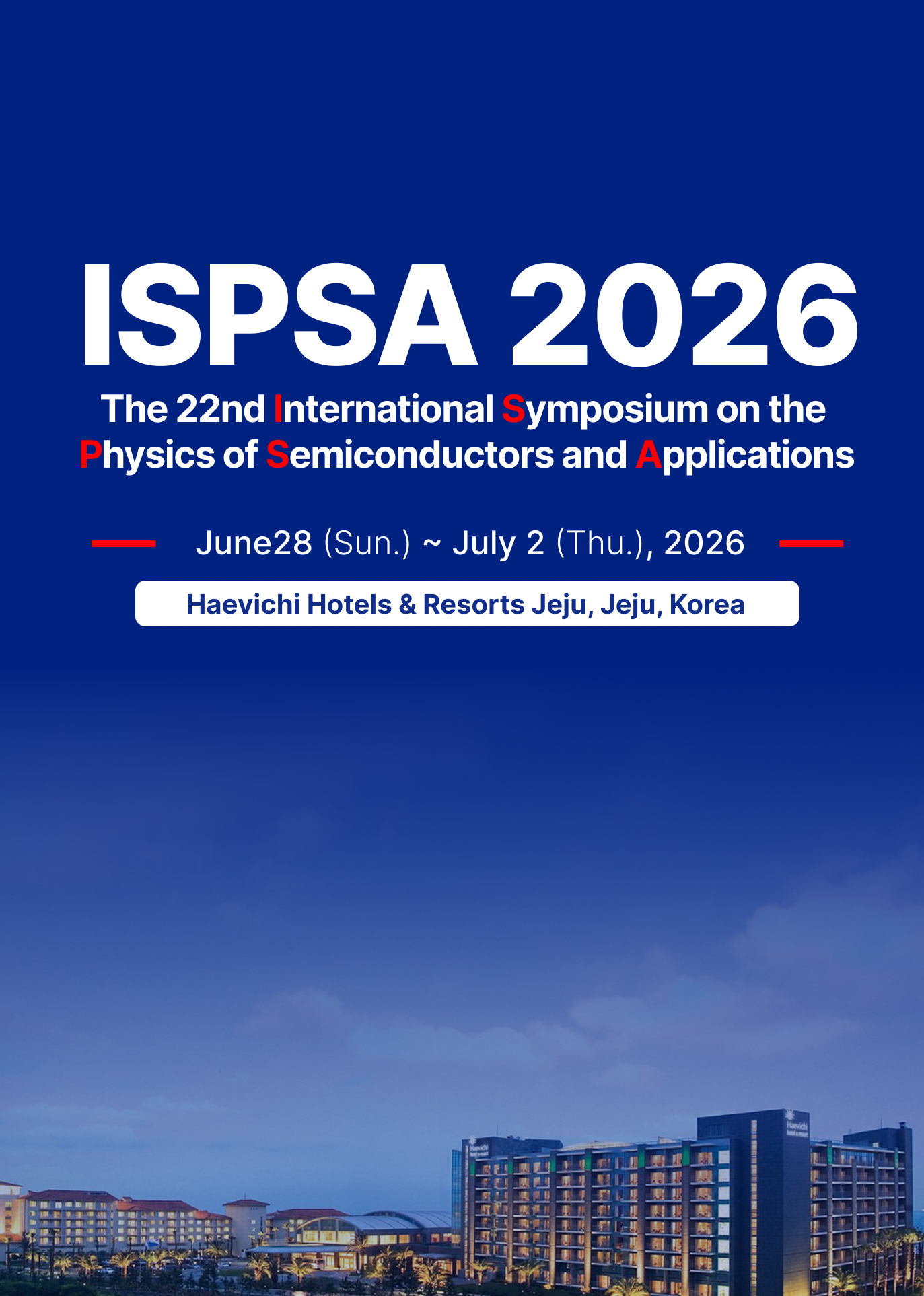
The 22nd International Symposium on the Physics of Semiconductors and Applications (ISPSA 2026) |
| 2026-06-28 ~ 2026-07-02 |

|
|
The 15th Asia-Pacific Conference on Transportation and the Environment (APTE 2026) |
| 2026-07-08 ~ 2026-07-10 |





MANUSCRIPTLINK © 2015 -
