


53rd ISTANBUL International Conference on Economics and Business Studies (ICEBS-26)
ICEBS-26
- URL: https://belrg.dirpub.org/conference/460
- Event Date: 2026-06-01 ~ 2026-06-03
- Submission Date: 2026-05-15
- Organizer: BELRG
- Location: Istanbul, Turkey
International Economics Business, Economics & Management (General) Economic History Economic Policy Economics
Call for papers/Topics
Full Articles/ Reviews/ Shorts Papers/ Abstracts are welcomed in the following research fields:
1. Economics: The Study of Choice and Scarcity
Microeconomics (Individual & Firm Level)
The Basic Economic Problem: Scarcity, choice, and opportunity cost.
Demand and Supply Analysis: Price determination, equilibrium, and shifts in curves.
Elasticity: Price, income, and cross-price elasticity of demand/supply.
Consumer Theory: Utility maximization and indifference curves.
Production and Costs: Diminishing marginal returns, economies of scale, and cost structures ($MC, AC, TC$).
Market Structures: Perfect competition, monopoly, oligopoly, and monopolistic competition.
Market Failure: Externalities, public goods, and information asymmetry.
Macroeconomics (National & Global Level)
Economic Indicators: GDP, GNP, inflation (CPI/RPI), and unemployment rates.
Aggregate Demand (AD) and Aggregate Supply (AS): Determinants and equilibrium.
Government Policy:
Fiscal Policy: Taxation and government spending.
Monetary Policy: Interest rates and money supply.
Supply-side Policies: Deregulation and education/training.
Economic Growth and Development: Human Development Index (HDI) and sustainable growth.
International Trade: Comparative advantage, balance of payments, and exchange rates.
2. Business Studies: The Mechanics of Organizations
Business Environment and Strategy
Enterprise: Types of business organizations (Sole traders, Partnerships, PLCs).
Stakeholders: Internal and external influences.
Business Objectives: Profit maximization vs. social responsibility (CSR).
External Analysis: PESTLE (Political, Economic, Social, Technological, Legal, Environmental).
Internal Analysis: SWOT analysis and Boston Matrix.
Marketing
Market Research: Primary vs. secondary research; quantitative vs. qualitative data.
The Marketing Mix (4Ps/7Ps): Product, Price, Place, Promotion, People, Process, Physical Evidence.
Branding and Packaging: Positioning and brand loyalty.
Digital Marketing: E-commerce and social media strategy.
Operations Management
Production Methods: Job, batch, flow, and mass customization.
Quality Management: TQM (Total Quality Management) and Lean production.
Location Decisions: Factors affecting where a business operates.
Supply Chain Management: Logistics and procurement.
Finance and Accounting
Sources of Finance: Internal vs. external; short-term vs. long-term.
Financial Statements: Income Statement, Balance Sheet, and Cash Flow Forecasts.
Ratio Analysis: Liquidity, profitability, and efficiency ratios.
Investment Appraisal: Payback period and Net Present Value (NPV).
Break-even Analysis: Margin of safety and contribution.
Human Resource Management (HRM)
Recruitment and Selection: Job descriptions and interviewing.
Motivation Theory: Maslow, Herzberg, and Taylor.
Organizational Structure: Hierarchy, span of control, and centralization.
Leadership Styles: Autocratic, Democratic, and Laissez-faire.
Overlapping Fields
Managerial Economics: Applying economic theory to business decision-making.
Behavioral Economics: How psychology affects economic and consumer decisions.
Game Theory: Strategic decision-making in competitive business environments.
Event Promotion
|
|
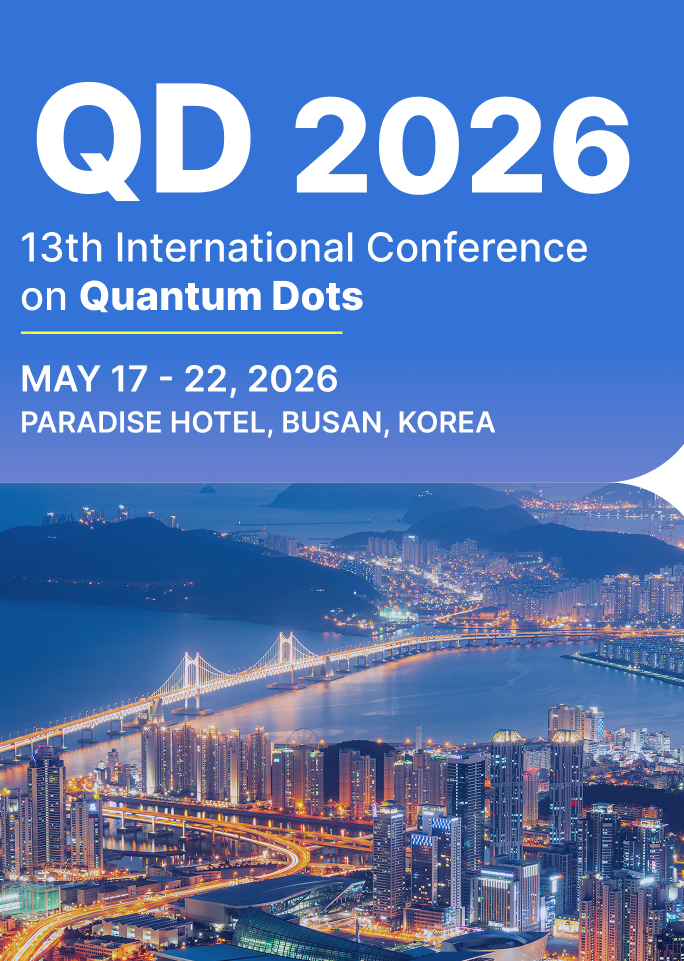
The 13th International Conference on Quantum Dots (QD 2026) |
| 2026-05-17 ~ 2026-05-22 |
|
|
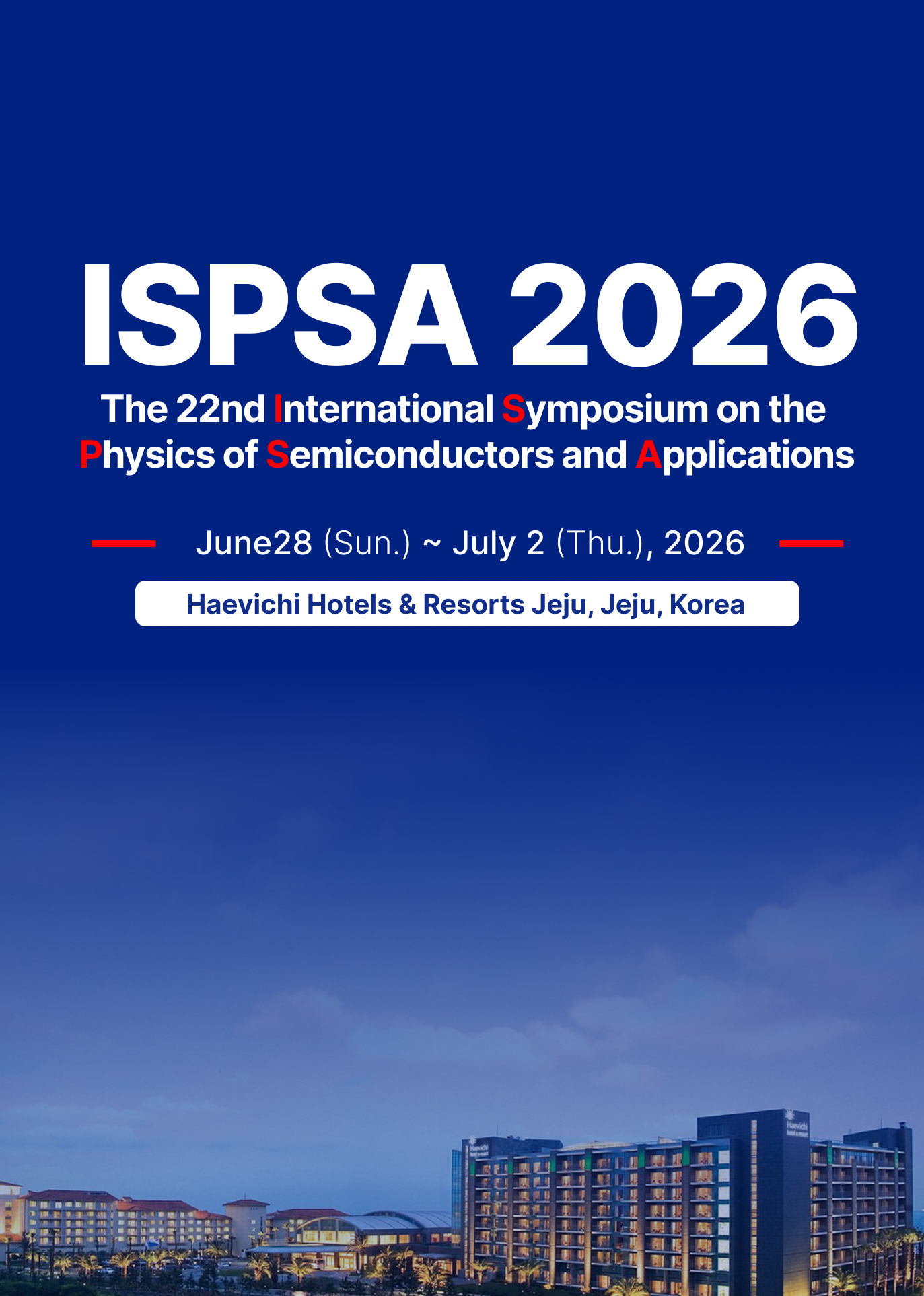
The 22nd International Symposium on the Physics of Semiconductors and Applications (ISPSA 2026) |
| 2026-06-28 ~ 2026-07-02 |

|
|
The 15th Asia-Pacific Conference on Transportation and the Environment (APTE 2026) |
| 2026-07-08 ~ 2026-07-10 |

|
|
ACEM26 / Structures26 (ACEM26) |
| 2026-08-24 ~ 2026-08-25 |
Journal Promotion
|
| Acta Koreana (Acta Koreana) |
|
| Acta Via Serica (AVS) |

|
| Advances in Nano Research (Advances in Nano Research) |

|
| Computers and Concrete (Computers and Concrete) |

|
| Earthquakes and Structures, An International Journal (Earthquakes and Structures) |
|
| Geomechanics and Engineering (Geomechanics and Engineering) |
|
| Journal of Information Processing Systems (JIPS) |

|
| Journal of Internet Computing and Services (KSII - JICS) |

|
| Membrane and Water Treatment (MWT) |

|
| Smart Structures and Systems (Smart Structures and Systems) |
|
| Steel and Composite Structures, An International Journal (Steel and Composite Structures) |
|
| Structural Engineering and Mechanics, An International Journal (Structural Engineering and Mechanics) |

|
| Wind and Structures, An International Journal (Wind and Structures) |




MANUSCRIPTLINK © 2015 -
