


48th PARIS World Congress on “Green Chemical Engineering, Energy & Environmental Sustainability" (GCEEES-26) scheduled on April 15-17, 2026 Paris (France)
GCEEES-26
- URL: https://earbm.org/conference/312
- Event Date: 2026-04-15 ~ 2026-04-17
- Submission Date: 2026-04-01
- Organizer: EARBM
- Location: Paris, France
Chemical & Material Sciences (General) Chemical Kinetics & Catalysis Environmental & Geological Engineering Sustainable Energy Environmental Sciences Sustainable Energy High Energy & Nuclear Physics Environmental & Occupational Medicine
I. Green Chemical Engineering Principles & Practice
This area focuses on the implementation of the Twelve Principles of Green Chemistry in chemical processes and product design.
1. Catalysis and Reaction Engineering
Subtopics:
Heterogeneous and Homogeneous Green Catalysis: Designing catalysts for increased selectivity, reduced waste, and milder reaction conditions (e.g., organocatalysis, biocatalysis).
Solvent-Free and Alternative Solvent Chemistry: Utilizing reactions in supercritical fluids (e.g., CO2), ionic liquids, or water as a solvent.
Continuous Flow Chemistry: Replacing batch processes with inherently safer, more efficient, and scalable continuous-flow reactors.
2. Feedstock Utilization and Waste Minimization
Subtopics:
Atom Economy and E-Factor: Metrics for quantifying waste generation and reaction efficiency.
Sustainable Feedstocks: Utilizing renewable resources like biomass, CO2, and waste materials instead of fossil fuels (e.g., biorefineries).
Process Intensification: Combining multiple unit operations into a single step to increase efficiency and reduce equipment size and energy use.
3. Green Product Design
Subtopics:
Inherently Safer Chemistry: Designing products and processes that minimize the risk of accidents, explosions, or releases.
Design for Degradation: Creating chemical products (e.g., polymers, surfactants) that break down into benign products after use.
Polymer Sustainability: Green routes to bioplastics, biodegradable polymers, and chemical/mechanical recycling techniques.
II Energy Sustainability & Transition
This area focuses on developing and implementing cleaner energy sources and technologies to reduce dependence on fossil fuels.
1. Renewable Energy Systems
Solar Energy (PV and Thermal): Advanced materials for more efficient solar cells (e.g., perovskites) and solar fuels generation.
Bioenergy and Biofuels: Production of advanced biofuels (algae, cellulosic ethanol) and sustainable biomass conversion technologies (e.g., pyrolysis, gasification).
Hydrogen Economy: Green hydrogen production (electrolysis powered by renewables), storage, and use in fuel cells.
2. Energy Storage and Efficiency
Advanced Battery Technologies: Developing next-generation batteries (e.g., solid-state, flow batteries, sodium-ion) for grid-scale storage.
Thermal Energy Storage (TES): Utilizing phase-change materials (PCMs) and other materials for efficient heat storage.
Industrial Energy Efficiency: Pinch analysis, heat exchanger networks, and process integration for minimizing utility consumption in chemical plants.
3. Carbon Capture, Utilization, and Storage (CCUS)
Capture Technologies: Chemical absorption, membrane separation, and adsorption (e.g., MOFs) for post-combustion CO2 capture.
CO2 Conversion (CCU): Catalytic conversion of captured CO2 into valuable products like fuels (CO2), methanol, or building materials.
Life Cycle Assessment (LCA) of CCUS: Evaluating the true environmental impact and energy cost of different CCUS pathways.
III Environmental Protection & Resource Management
This area covers the impacts of industrial activity on the environment and the methods for remediation and sustainable resource use.
1. Water and Wastewater Treatment
Advanced Oxidation Processes (AOPs): Using ozone, or photocatalysis to degrade persistent organic pollutants (e.g., PFAS, pharmaceuticals).
Membrane Technology: Forward osmosis, reverse osmosis, and nanofiltration for water recycling and desalination.
Resource Recovery from Wastewater: Extracting nutrients (phosphorus, nitrogen) and heavy metals from industrial and municipal wastewater.
2. Air Quality and Pollution Control
- Control of NO2 and SO2 Emissions: Novel sorbents and catalytic converters for industrial flue gas cleaning.
Volatile Organic Compound (VOC) Abatement: Thermal oxidation, biofiltration, and adsorption techniques for controlling air toxics.
Indoor Air Quality: Chemical engineering approaches to filtration and air purification.
3. Sustainable Systems and Economics
- Industrial Ecology and Circular Economy: Designing industrial systems where the waste of one process is the input for another (zero-waste concepts).
Process Modeling and Simulation: Using advanced software to model the environmental footprint of chemical processes before they are built.
Regulatory Frameworks and Policy: The role of government policy (e.g., carbon taxes, renewable energy standards) in driving green engineering adoption.
Event Promotion

|
|
The 13th International Conference on Quantum Dots (QD 2026) |
| 2026-05-17 ~ 2026-05-22 |
|
|
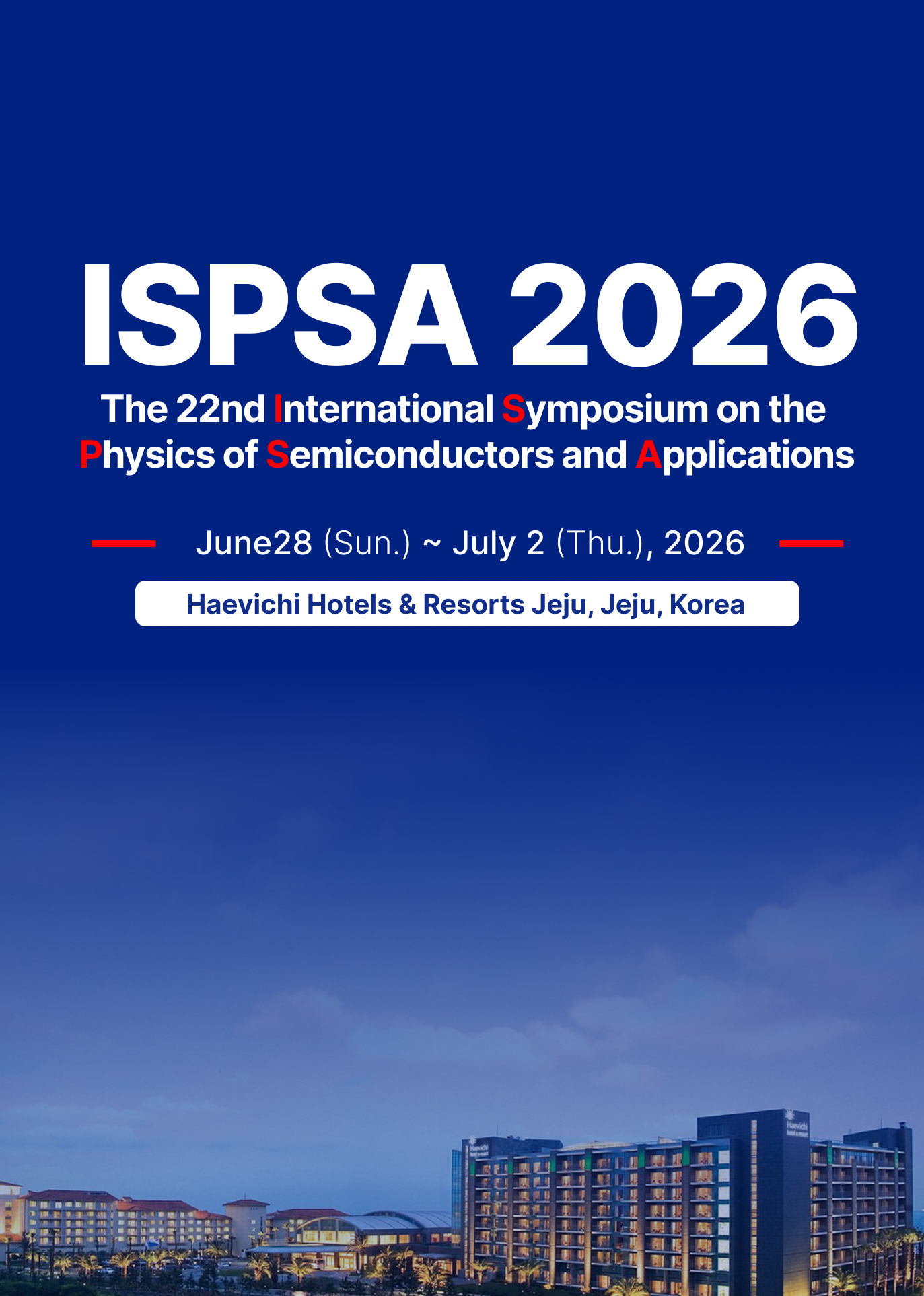
The 22nd International Symposium on the Physics of Semiconductors and Applications (ISPSA 2026) |
| 2026-06-28 ~ 2026-07-02 |

|
|
The 15th Asia-Pacific Conference on Transportation and the Environment (APTE 2026) |
| 2026-07-08 ~ 2026-07-10 |







MANUSCRIPTLINK © 2015 -
