


5th LISBON International Conference on Research in “Science, Engineering & Technology” (LRSET-2026) Dec. 9-11, 2026 Lisbon (Portugal)
LRSET-2026
- URL: https://iaaes.org/conference/403
- Event Date: 2026-12-09 ~ 2026-12-11
- Submission Date: 2026-11-19
- Organizer: IAAES
Chemical & Material Sciences (General) Engineering & Computer Science (General) Structural Engineering Theoretical Computer Science
Topics
All Abstracts, Reviews, short articles, Full articles, Posters are welcomed related with any of the following research fields:
1. Natural & Physical Sciences
The foundation of our understanding of the universe, focusing on empirical data and theoretical frameworks.
Physical Sciences
Physics: Mechanics, Thermodynamics, Quantum Mechanics, Relativity, Electromagnetism.
Chemistry: Organic, Inorganic, Biochemistry, Physical Chemistry, Materials Science.
Astronomy: Cosmology, Astrophysics, Planetary Science.
Life Sciences (Biology)
Molecular & Cellular: Genetics, Microbiology, Synthetic Biology.
Organismal: Zoology, Botany, Human Biology, Physiology.
Environmental: Ecology, Marine Biology, Evolutionary Biology.
Earth Sciences
Geology, Meteorology, Oceanography, Glaciology.
2. Engineering Disciplines
The practical application of scientific principles to design, build, and maintain structures, machines, and systems.
Mechanical Engineering
Robotics, Kinematics, Fluid Mechanics, Manufacturing Systems.
Civil & Structural Engineering
Urban Planning, Geotechnical Engineering, Transportation Systems, Hydrology.
Electrical & Electronics Engineering
Power Systems, Telecommunications, Microelectronics, Signal Processing.
Chemical & Process Engineering
Petroleum Engineering, Food Engineering, Pharmaceutical Manufacturing.
Aerospace Engineering
Aerodynamics, Propulsion, Astronautics, Avionics.
3. Technology & Digital Systems
The tools, methods, and systems used to process information and solve complex tasks.
Computer Science & IT
Artificial Intelligence: Machine Learning, Natural Language Processing (NLP), Computer Vision.
Software Engineering: Algorithm Design, Cybersecurity, Cloud Computing.
Data Science: Big Data Analytics, Bioinformatics, Statistics.
Communications Technology
5G/6G Networks, Satellite Communications, IoT (Internet of Things).
Emerging Technologies
Quantum Computing, Blockchain, Virtual/Augmented Reality (VR/AR).
4. Interrelated & Multi-Disciplinary Fields
These areas represent the "sweet spot" where the three pillars overlap to solve modern global challenges.
Biotechnology & Bioengineering
Combining Biology + Engineering: CRISPR/Gene editing, Prosthetics, Tissue Engineering, Biofuels.
Materials Science & Nanotechnology
Combining Physics + Chemistry + Engineering: Carbon Nanotubes, Graphene, Superconductors, Smart Materials.
Sustainable & Green Technology
Combining Environmental Science + Engineering: Renewable Energy (Solar, Wind, Nuclear Fusion), Carbon Capture, Waste-to-Energy.
Robotics & Mechatronics
Combining Mechanical + Electrical + Computer Science: Autonomous Vehicles, Surgical Robots, Industrial Automation.
Neurotechnology
Combining Neuroscience + Engineering: Brain-Computer Interfaces (BCI), Neural Prosthetics.
5. Formal Sciences & Methodologies
These provide the language and logic used across all SET domains.
Mathematics: Calculus, Linear Algebra, Topology, Probability.
Logic & Systems Theory: Operations Research, Systems Engineering, Chaos Theory.
Ethics & Policy: Bioethics, AI Safety, Intellectual Property, Science Communication.
Journal Promotion
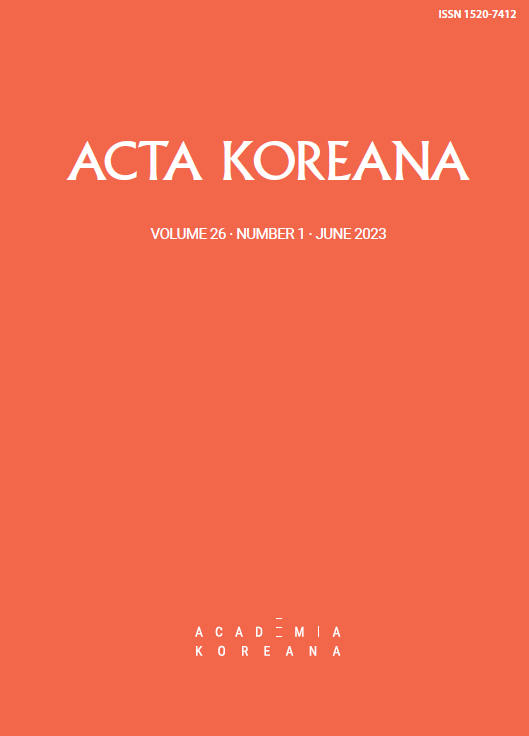
|
| Acta Koreana (Acta Koreana) |
|
| Acta Via Serica (AVS) |
|
| Advances in Concrete Construction (Advances in Concrete Construction ) |

|
| Advances in Nano Research (Advances in Nano Research) |
|
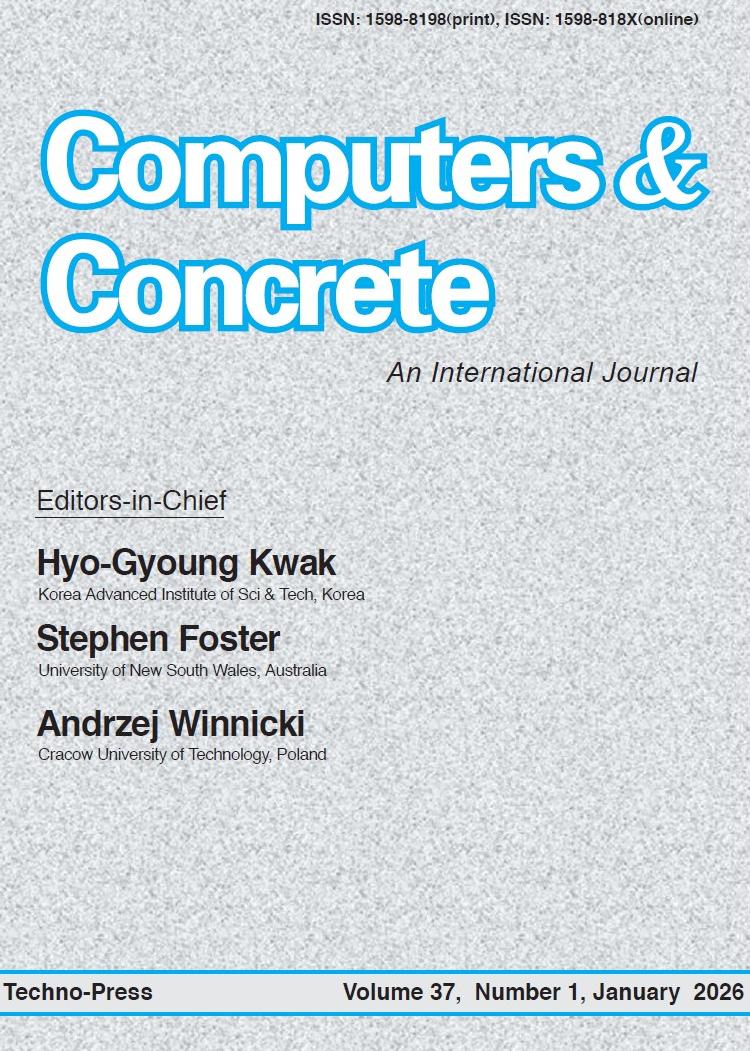
| Computers and Concrete (Computers and Concrete) |
|
| Coupled Systems Mechanics (Coupled Systems Mechanics) |

|
| Earthquakes and Structures, An International Journal (Earthquakes and Structures) |
|
| Geomechanics and Engineering (Geomechanics and Engineering) |
|
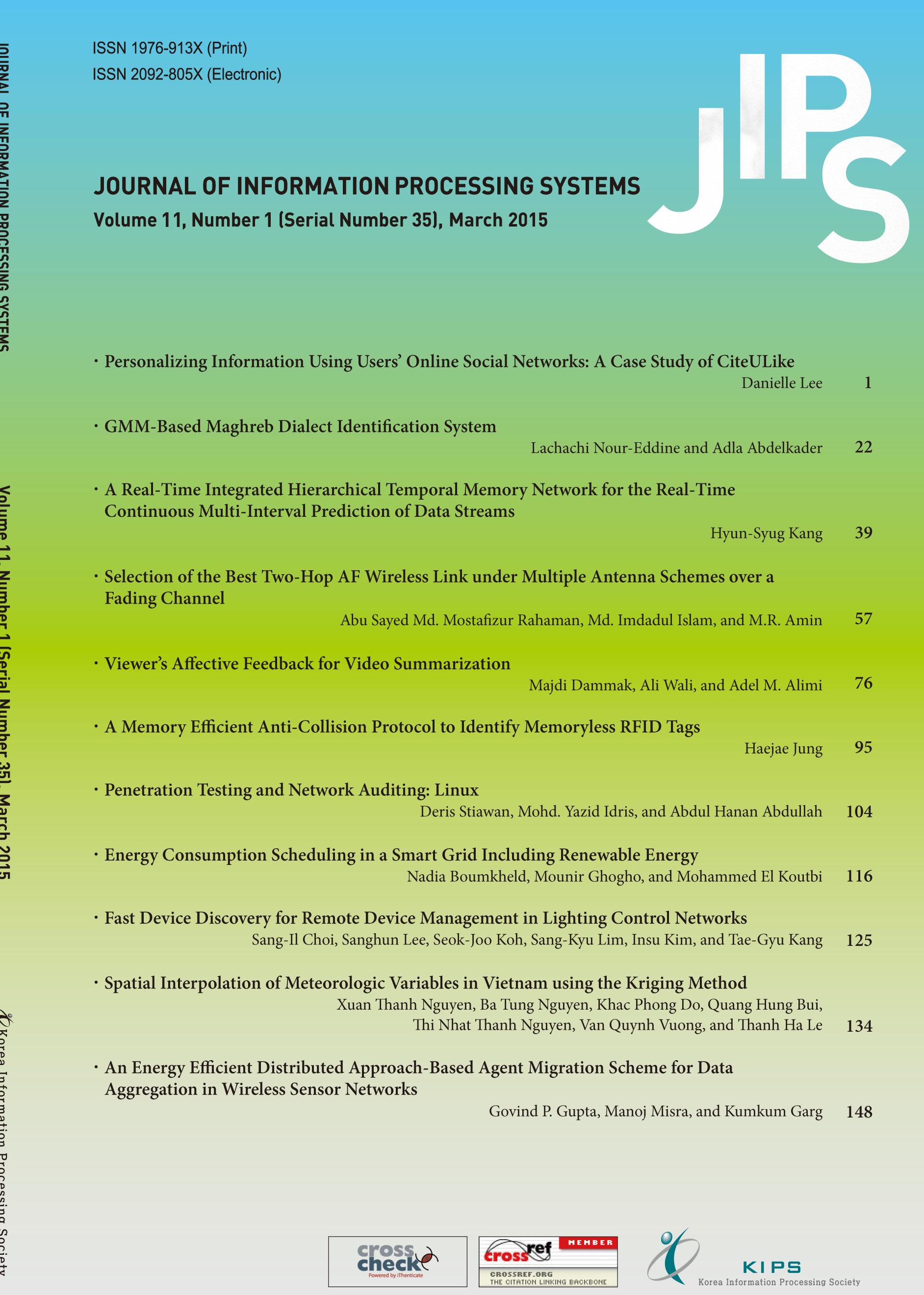
| Journal of Information Processing Systems (JIPS) |

|
| Journal of Internet Computing and Services (KSII - JICS) |

|
| Membrane and Water Treatment (MWT) |
|
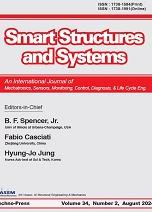
| Smart Structures and Systems (Smart Structures and Systems) |
|
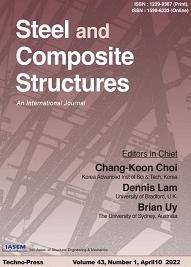
| Steel and Composite Structures, An International Journal (Steel and Composite Structures) |
|
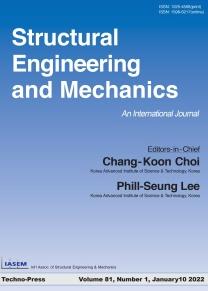
| Structural Engineering and Mechanics, An International Journal (Structural Engineering and Mechanics) |

|
| Wind and Structures, An International Journal (Wind and Structures) |




MANUSCRIPTLINK © 2015 -
