


55th ATHENS Global Congress on Advances in Engineering, Science & Technology (GCAEST-26) scheduled on June 3-5, 2026 Athens (Greece)
GCAEST-26
- URL: https://earet.org/conference/323
- Event Date: 2026-06-03 ~ 2026-06-05
- Submission Date: 2026-05-15
- Organizer: EARET
- Location: Athens, Greece
Materials Engineering Engineering & Computer Science (General) Power Engineering Science & Engineering Education
Call for papers/Topics
Topics of interest for submission include any topics related to:
1. Physical Sciences
The study of non-living systems and the laws of the universe.
Physics: Mechanics, Thermodynamics, Electromagnetism, Quantum Mechanics, Relativity, and Particle Physics.
Chemistry: Organic, Inorganic, Physical, Analytical, and Biochemistry.
Astronomy & Cosmology: Astrophysics, Planetary Science, and the study of the Big Bang.
Earth Sciences: Geology, Meteorology, Oceanography, and Environmental Science.
2. Life Sciences (Biology)
The study of living organisms and life processes.
Molecular & Cellular Biology: Genetics, Microbiology, and Synthetic Biology.
Organismal Biology: Zoology, Botany, and Physiology.
Ecology & Evolutionary Biology: Biodiversity, Conservation, and Population Dynamics.
Health Sciences: Medicine, Pharmacology, Neuroscience, and Epidemiology.
3. Engineering (Applied Science)
The application of scientific principles to design and build structures, machines, and systems.
Core Disciplines
Civil Engineering: Structural, Geotechnical, Transportation, and Water Resources.
Mechanical Engineering: Robotics, Automotive, Aerospace, and Manufacturing.
Electrical Engineering: Power Systems, Electronics, Telecommunications, and Control Systems.
Chemical Engineering: Process Engineering, Materials Science, and Petrochemicals.
Modern & Interdisciplinary Branches
Aerospace Engineering: Aerodynamics and Spacecraft Design.
Biomedical Engineering: Prosthetics, Medical Imaging, and Tissue Engineering.
Environmental Engineering: Waste Management and Renewable Energy Systems.
Nuclear Engineering: Fission, Fusion, and Radiation Protection.
4. Information Technology & Computer Science
The study of computation, data, and digital communication.
Software Engineering: App Development, Systems Programming, and DevOps.
Artificial Intelligence: Machine Learning, Natural Language Processing (NLP), and Computer Vision.
Data Science: Big Data Analytics, Statistics, and Data Mining.
Cybersecurity: Cryptography, Network Security, and Ethical Hacking.
Computer Architecture: Hardware Design and Quantum Computing.
5. Emerging & Frontier Technologies
Technologies currently reshaping the future.
Nanotechnology: Nanomaterials and Molecular Manufacturing.
Biotechnology: CRISPR/Gene Editing and Bio-manufacturing.
Clean Technology: Hydrogen Fuel Cells, Carbon Capture, and Grid-scale Storage.
Advanced Materials: Graphene, Superconductors, and Smart Polymers.
Event Promotion
|
|
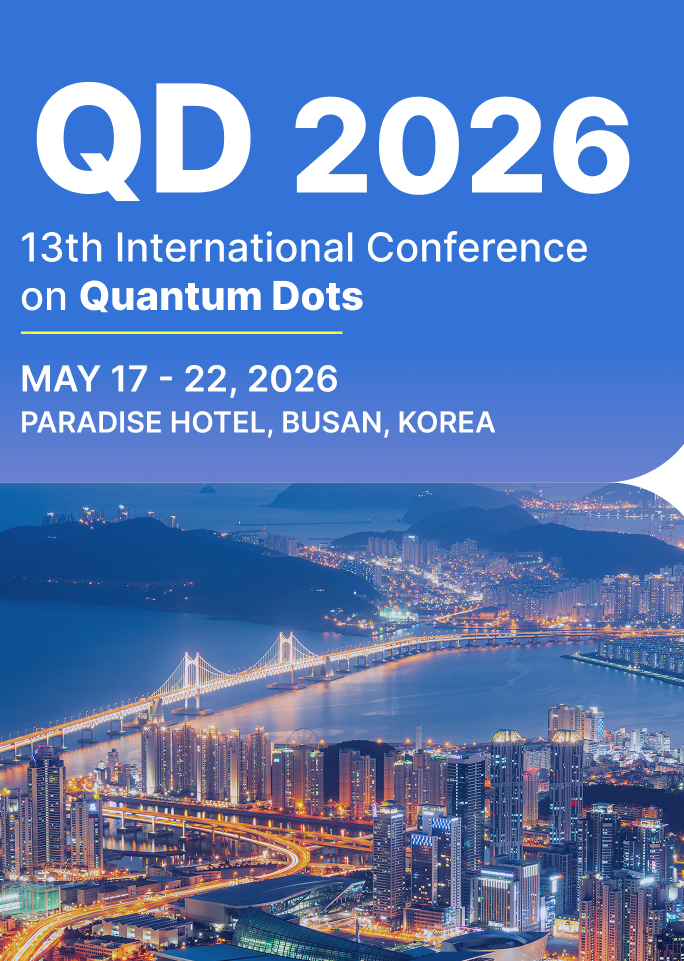
The 13th International Conference on Quantum Dots (QD 2026) |
| 2026-05-17 ~ 2026-05-22 |
|
|
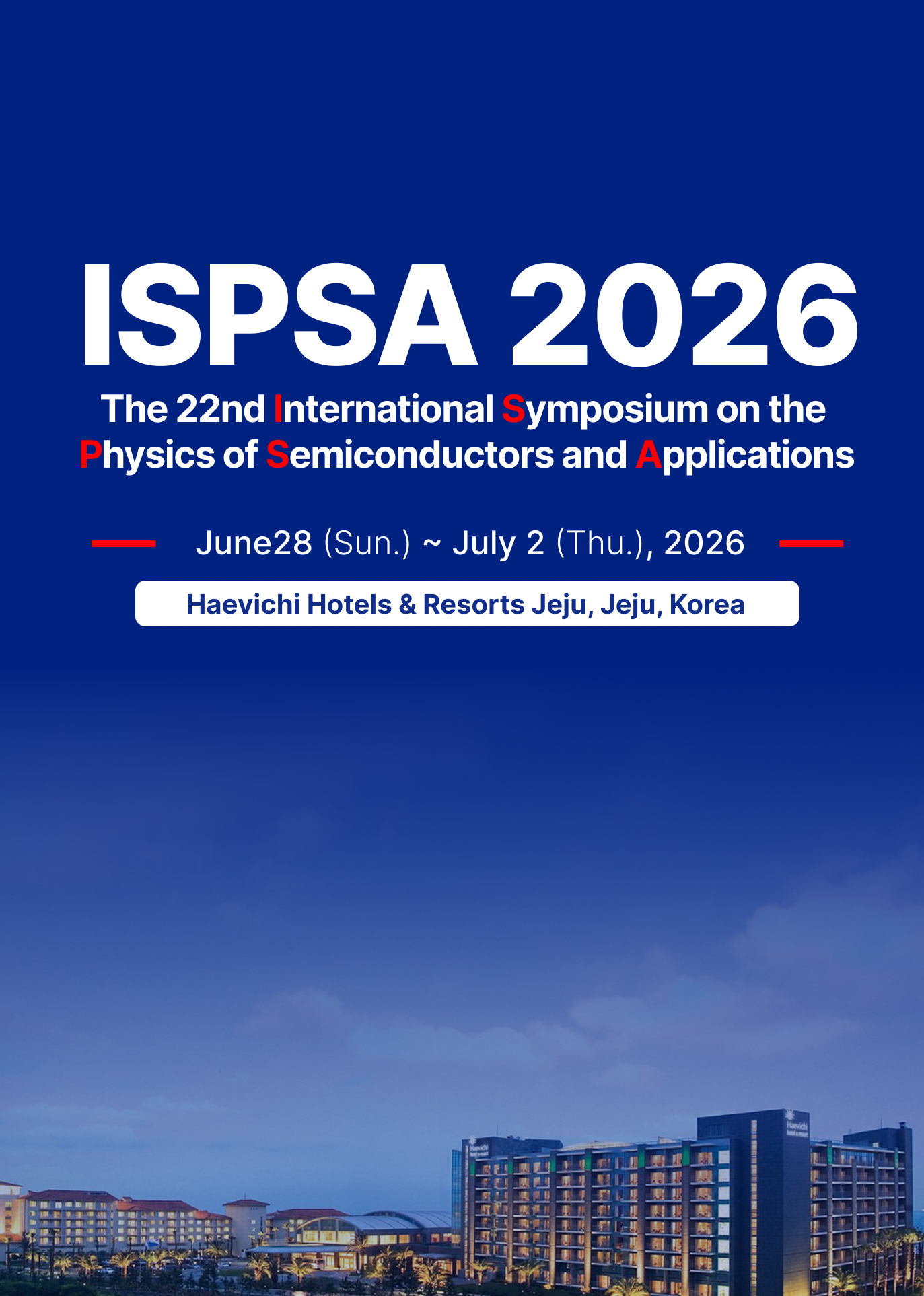
The 22nd International Symposium on the Physics of Semiconductors and Applications (ISPSA 2026) |
| 2026-06-28 ~ 2026-07-02 |

|
|
The 15th Asia-Pacific Conference on Transportation and the Environment (APTE 2026) |
| 2026-07-08 ~ 2026-07-10 |
Journal Promotion

|
| Acta Koreana (Acta Koreana) |
|
| Acta Via Serica (AVS) |
|
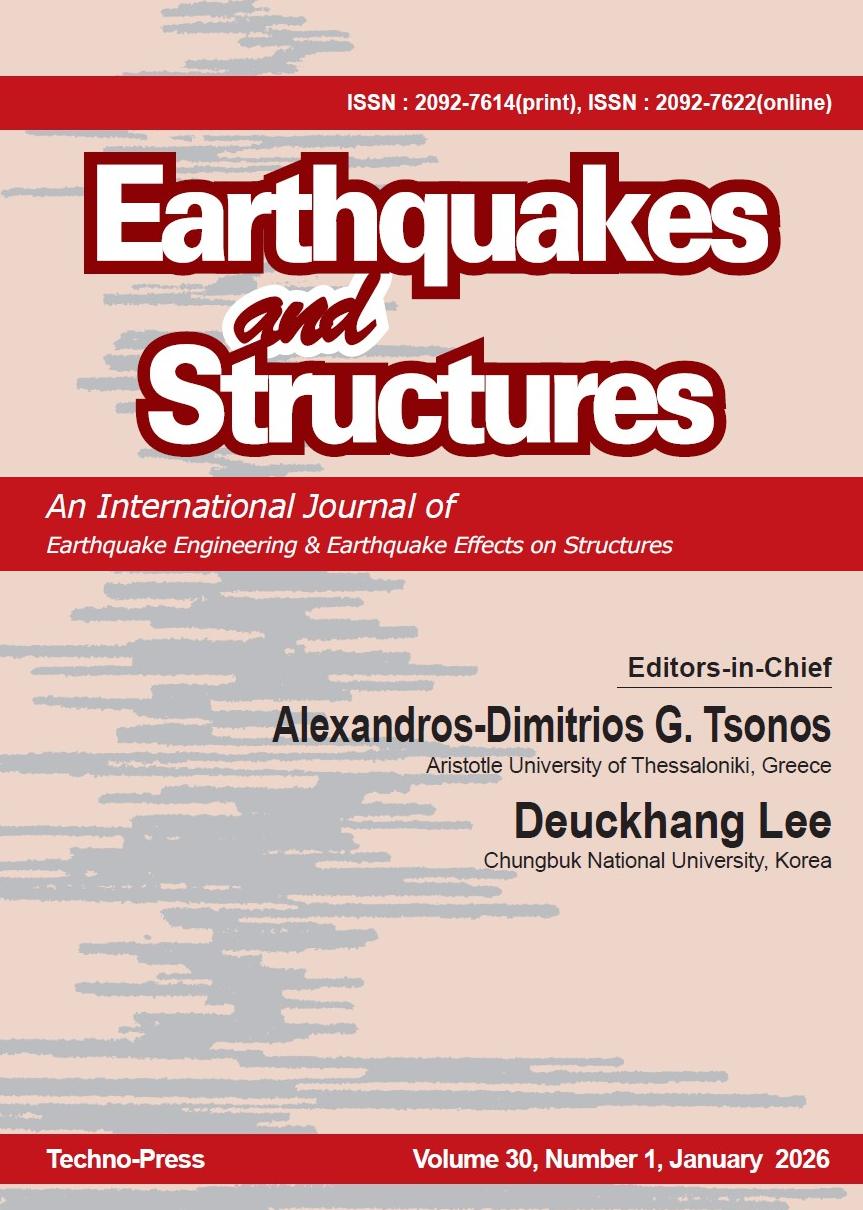
| Earthquakes and Structures, An International Journal (Earthquakes and Structures) |
|
| Journal of Information Processing Systems (JIPS) |

|
| Journal of Internet Computing and Services (KSII - JICS) |
|
| Membrane and Water Treatment (MWT) |

|
| Smart Structures and Systems (Smart Structures and Systems) |



MANUSCRIPTLINK © 2015 -
