


71st PARIS World Congress on Biological, Environmental & Health Sciences (WCBEHS-26)
WCBEHS-26
- URL: https://etrg.org/conference/461
- Event Date: 2026-06-24 ~ 2026-06-26
- Submission Date: 2026-06-01
- Organizer: ETRG
- Location: Paris, France
Bioinformatics & Computational Biology Molecular Biology Cell Biology Developmental Biology & Embryology Evolutionary Biology Microbiology Molecular Biology Biodiversity & Conservation Biology Bioinformatics & Computational Biology
Call for papers/Topics
Full Articles/ Reviews/ Shorts Papers/ Abstracts are welcomed in the following research fields:
1. Biological Sciences
This pillar focuses on the fundamental mechanisms of life, from microscopic molecules to complex multicellular organisms.
Molecular and Cellular Biology
Cell structure, organelles, and membrane transport.
DNA replication, transcription, and translation.
Metabolism and cellular respiration.
Genetics and Genomics
Mendelian inheritance and non-Mendelian patterns.
Genetic engineering and CRISPR technology.
Population genetics and evolution.
Microbiology and Immunology
Bacteriology, virology, and mycology.
The innate and adaptive immune systems.
Pathogenesis and antimicrobial resistance.
Organismal Biology
Plant physiology and photosynthesis.
Animal behavior (Ethology).
Comparative anatomy and physiology.
2. Environmental Sciences
This pillar examines the interaction between living organisms and their physical environment, focusing on sustainability and conservation.
Ecology and Ecosystems
Energy flow (food webs and trophic levels).
Biogeochemical cycles (Carbon, Nitrogen, Water).
Biodiversity and conservation biology.
Environmental Chemistry and Pollution
Air quality and atmospheric chemistry.
Water treatment and soil contamination.
Toxicology and bioaccumulation.
Climate Change and Earth Systems
The greenhouse effect and global warming.
Ocean acidification and sea-level rise.
Renewable energy systems (Solar, Wind, Geothermal).
Environmental Policy and Resource Management
Sustainable agriculture and forestry.
Waste management and circular economies.
Environmental impact assessments (EIA).
3. Health Sciences
This pillar applies biological and environmental knowledge to the prevention, diagnosis, and treatment of human disease.
Human Anatomy and Physiology
The skeletal, muscular, and nervous systems.
Cardiovascular and respiratory health.
Endocrinology and reproductive health.
Epidemiology and Public Health
Infectious disease outbreaks and surveillance.
Social determinants of health.
Global health policy and vaccination programs.
Pharmacology and Toxicology
Drug mechanisms (Pharmacodynamics).
How the body processes drugs (Pharmacokinetics).
Clinical trials and drug development.
Nutrition and Lifestyle Medicine
Macronutrients, micronutrients, and metabolic health.
The gut microbiome and its influence on health.
Mental health and Neurobiology.
Event Promotion

|
|
The 13th International Conference on Quantum Dots (QD 2026) |
| 2026-05-17 ~ 2026-05-22 |
|
|
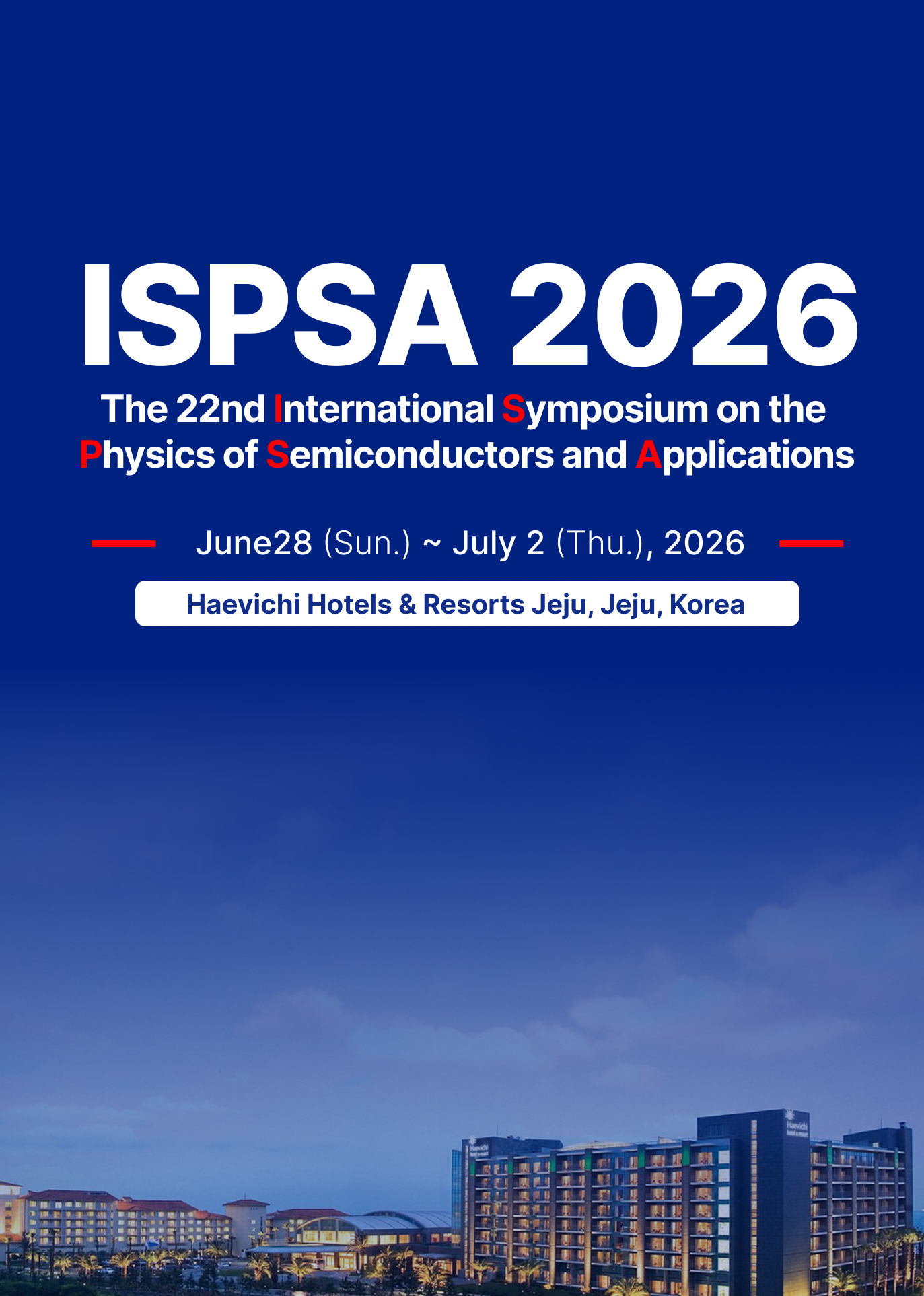
The 22nd International Symposium on the Physics of Semiconductors and Applications (ISPSA 2026) |
| 2026-06-28 ~ 2026-07-02 |

|
|
The 15th Asia-Pacific Conference on Transportation and the Environment (APTE 2026) |
| 2026-07-08 ~ 2026-07-10 |
Journal Promotion

|
| Acta Koreana (Acta Koreana) |
|
| Acta Via Serica (AVS) |

|
| Earthquakes and Structures, An International Journal (Earthquakes and Structures) |
|
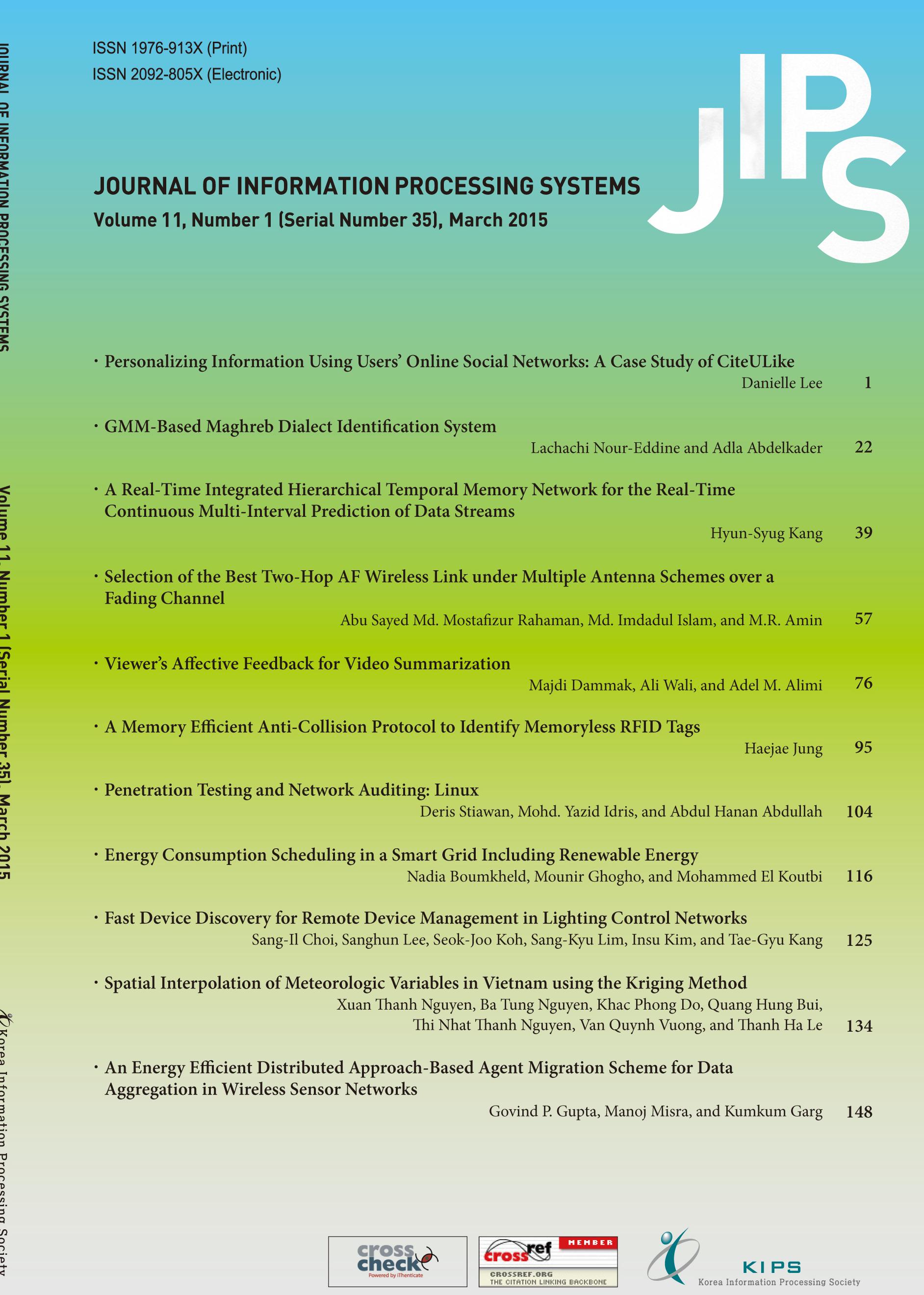
| Journal of Information Processing Systems (JIPS) |

|
| Journal of Internet Computing and Services (KSII - JICS) |
|
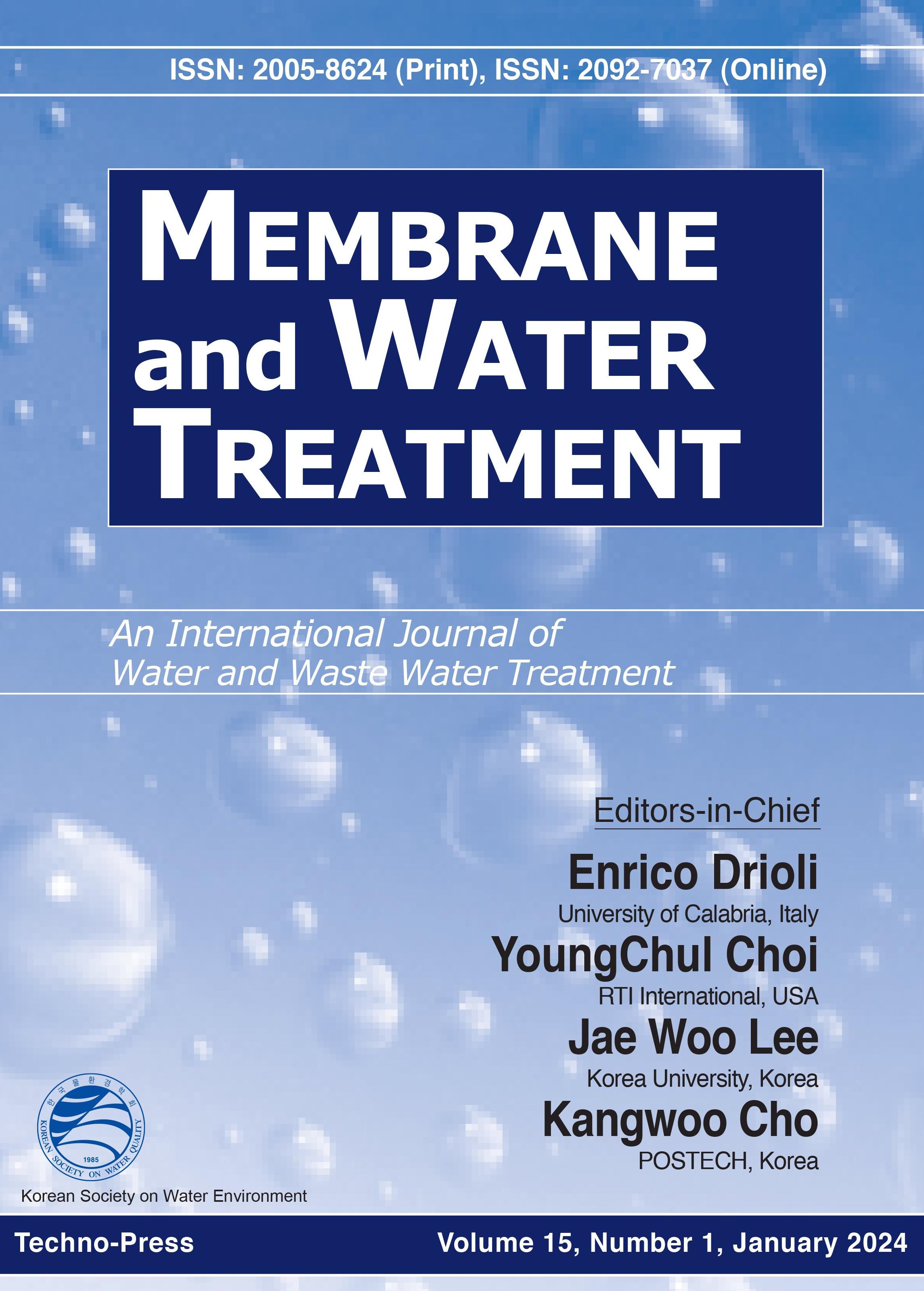
| Membrane and Water Treatment (MWT) |

|
| Smart Structures and Systems (Smart Structures and Systems) |




MANUSCRIPTLINK © 2015 -
