


50th PRAGUE International Conference on Business and Economics Studies (PICBES-26)
PICBES-26
- URL: https://iceebm.org/conference/380
- Event Date: 2026-07-27 ~ 2026-07-29
- Submission Date: 2026-07-01
- Organizer: ICEEBM
- Location: Prague, Czech Republic
Business, Economics & Management (General)
Call for papers/Topics
Full Articles/ Reviews/ Shorts Papers/ Abstracts are welcomed in the following research fields:
1. Economics (The Theoretical Framework)
Economics is divided into the study of individual actors and the study of the economy as a whole.
Microeconomics
Consumer Behavior: Utility maximization, budget constraints, and preference theory.
Market Structures: Perfect competition, monopoly, oligopoly, and monopolistic competition.
Supply and Demand: Elasticity, equilibrium, and price controls.
Factor Markets: Labor economics, wages, and capital distribution.
Game Theory: Strategic decision-making and Nash equilibrium.
Macroeconomics
Economic Indicators: GDP (Gross Domestic Product), inflation (CPI), and unemployment rates.
Fiscal Policy: Government spending, taxation, and budget deficits.
Monetary Policy: Central banking, interest rates, and money supply.
International Trade: Comparative advantage, balance of payments, and exchange rates.
Development Economics: Poverty cycles, human capital, and sustainable growth.
2. Business Studies (The Functional Pillars)
Business studies focus on the practical application of management and strategy to achieve organizational goals.
Management and Leadership
Organizational Behavior: Group dynamics, motivation theories, and corporate culture.
Human Resource Management (HRM): Recruitment, training, performance appraisal, and labor relations.
Operations Management: Supply chain, logistics, quality control (Six Sigma), and lean production.
Marketing
The Marketing Mix (4Ps): Product, Price, Place, and Promotion.
Consumer Research: Market segmentation, targeting, and positioning (STP).
Digital Marketing: SEO, social media strategy, and e-commerce.
Branding: Equity, identity, and lifecycle management.
Accounting and Finance
Financial Accounting: Balance sheets, income statements, and cash flow analysis.
Management Accounting: Budgeting, variance analysis, and break-even points.
Corporate Finance: Capital structure, investment appraisal (NPV/IRR), and risk management.
Strategy and Entrepreneurship
Strategic Analysis: SWOT analysis, PESTLE, and Porter’s Five Forces.
Innovation: Product development and disruptive technologies.
Business Ethics & CSR: Corporate social responsibility and environmental sustainability.
3. Specialized Interdisciplinary Fields
Econometrics: Using mathematics and statistics to test economic theories.
Behavioral Economics: How psychology affects economic decisions (Irrationality).
Business Law: Contracts, intellectual property, and employment law.
Information Systems: The role of Big Data and AI in business intelligence.
Event Promotion

|
|
The 13th International Conference on Quantum Dots (QD 2026) |
| 2026-05-17 ~ 2026-05-22 |
|
|
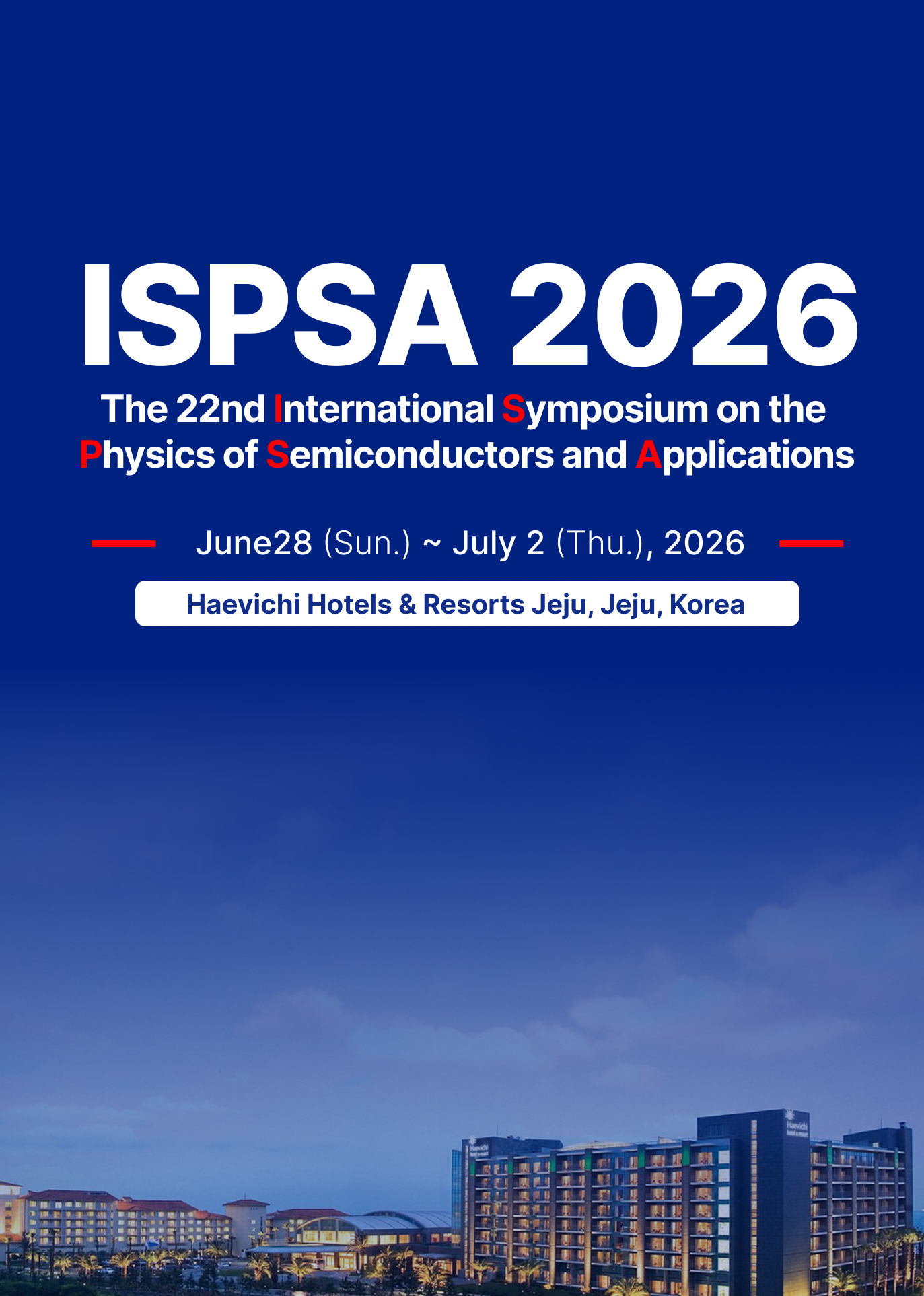
The 22nd International Symposium on the Physics of Semiconductors and Applications (ISPSA 2026) |
| 2026-06-28 ~ 2026-07-02 |

|
|
The 15th Asia-Pacific Conference on Transportation and the Environment (APTE 2026) |
| 2026-07-08 ~ 2026-07-10 |
|
|
ACEM26 / Structures26 (ACEM26) |
| 2026-08-24 ~ 2026-08-25 |
Journal Promotion
|
| Acta Koreana (Acta Koreana) |

|
| Acta Via Serica (AVS) |

|
| Advances in Nano Research (Advances in Nano Research) |

|
| Computers and Concrete (Computers and Concrete) |
|
| Earthquakes and Structures, An International Journal (Earthquakes and Structures) |
|
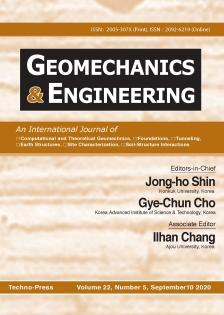
| Geomechanics and Engineering (Geomechanics and Engineering) |

|
| Journal of Information Processing Systems (JIPS) |

|
| Journal of Internet Computing and Services (KSII - JICS) |

|
| Membrane and Water Treatment (MWT) |
|
| Smart Structures and Systems (Smart Structures and Systems) |
|
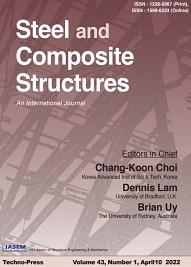
| Steel and Composite Structures, An International Journal (Steel and Composite Structures) |
|
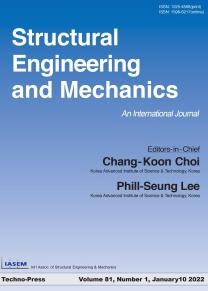
| Structural Engineering and Mechanics, An International Journal (Structural Engineering and Mechanics) |

|
| Wind and Structures, An International Journal (Wind and Structures) |




MANUSCRIPTLINK © 2015 -
