

52nd LISBON International Conference on Business & Management Studies (LICBMS-26) May 13-15, 2026 Lisbon (Portugal)
LICBMS-26
- URL: https://fahss.org/conference/344
- Event Date: 2026-05-13 ~ 2026-05-15
- Submission Date: 2026-05-01
- Organizer: FAHSS
- Location: Lisbon, Portugal
International Business Business, Economics & Management (General) Emergency Management
Call for papers/Topics
Topics of interest for submission include any topics related to:
1. Core Foundational Disciplines
These are the "pillars" taught in almost every management program to provide a base for decision-making.
Economics for Business: Microeconomics (firm behavior), Macroeconomics (global trends), and Managerial Economics.
Organizational Behavior (OB): Individual behavior, group dynamics, motivation theories, and corporate culture.
Business Law & Ethics: Contract law, intellectual property, corporate social responsibility (CSR), and professional ethics.
Quantitative Methods: Business statistics, data analysis, and decision modeling.
2. Functional Areas of Management
These represent the specific departments or "functions" within an organization.
Financial Management:
Corporate Finance & Capital Budgeting.
Financial Accounting (reporting) vs. Management Accounting (internal planning).
Investment Analysis and Risk Management.
Marketing Management:
Consumer Behavior and Market Research.
Brand Management and Integrated Marketing Communications (IMC).
Digital Marketing and E-commerce.
Human Resource Management (HRM):
Recruitment, Selection, and Onboarding.
Performance Appraisal and Compensation Systems.
Strategic HR and Talent Development.
Operations & Supply Chain Management:
Logistics and Distribution.
Quality Control (Six Sigma, Lean Manufacturing).
Procurement and Inventory Management.
3. Strategic & Leadership Studies
This focuses on the "big picture"—how a company competes and grows over the long term.
Strategic Management: Competitive advantage, SWOT analysis, and Blue Ocean strategy.
Leadership Theory: Transformational vs. Transactional leadership, Emotional Intelligence (EQ), and Change Management.
Entrepreneurship & Innovation: Business model canvas, Venture Capital, and Design Thinking.
International Business: Global trade policies, Cross-cultural management, and Entry strategies for foreign markets.
4. Specialized & Emerging Fields
Modern management has expanded to include niche areas driven by technology and social shifts.
Management Information Systems (MIS): Database management, Cybersecurity for business, and IT infrastructure.
Project Management: Agile methodologies, Scrum, and Waterfall frameworks.
Public Relations & Corporate Communication: Crisis management and stakeholder engagement.
Business Analytics: Big Data, Predictive modeling, and Business Intelligence (BI).
Sustainability Management: Triple Bottom Line (People, Planet, Profit) and Environmental Management Systems.
5. Specialized Industry Management
Management principles are often applied to specific sectors:
Healthcare Management
Hospitality & Tourism Management
Retail & Fashion Management
Real Estate Management
Event Promotion
|
|
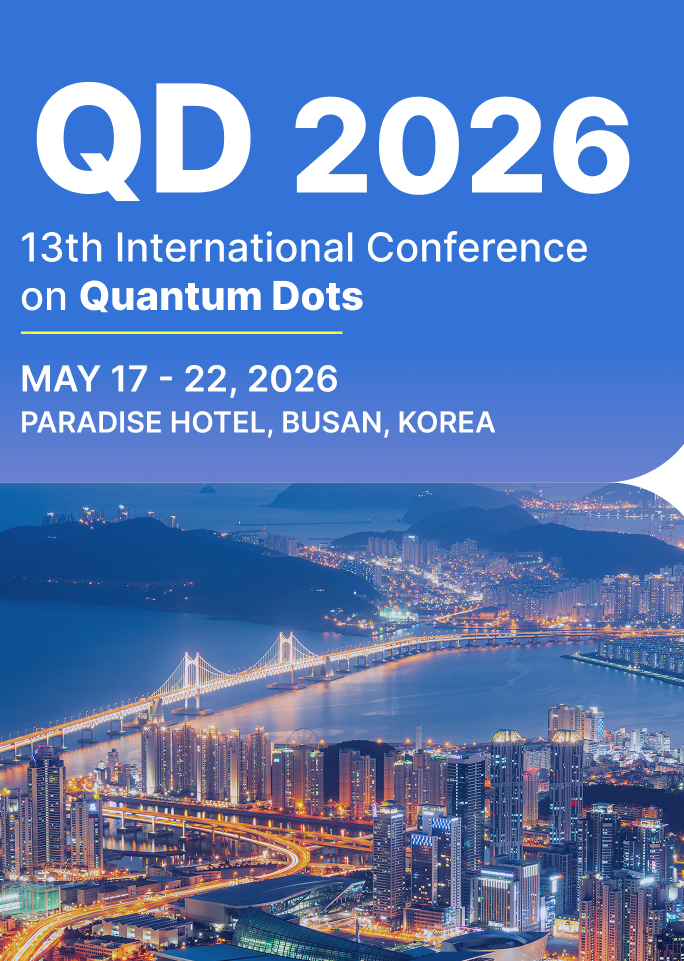
The 13th International Conference on Quantum Dots (QD 2026) |
| 2026-05-17 ~ 2026-05-22 |
|
|
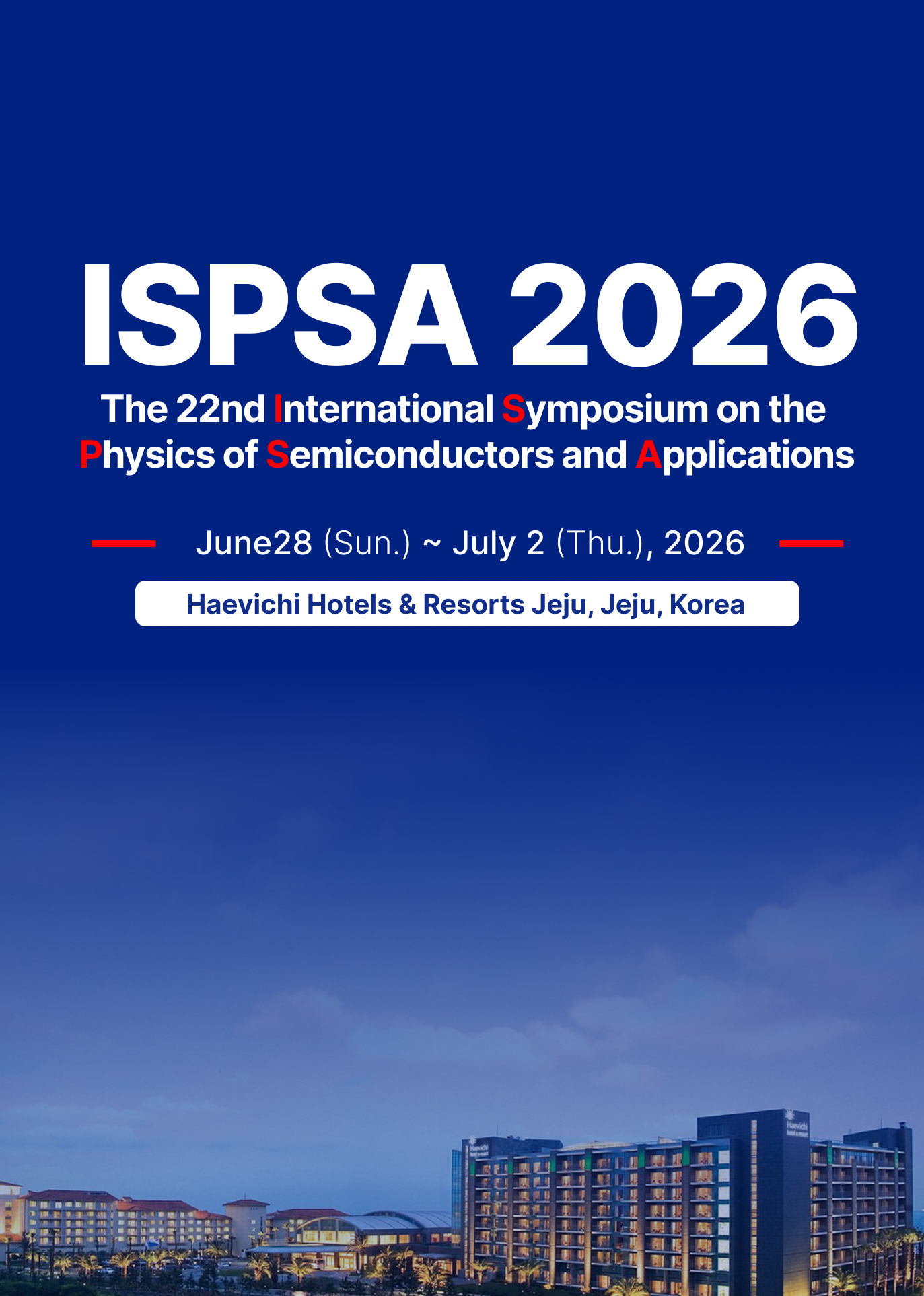
The 22nd International Symposium on the Physics of Semiconductors and Applications (ISPSA 2026) |
| 2026-06-28 ~ 2026-07-02 |

|
|
The 15th Asia-Pacific Conference on Transportation and the Environment (APTE 2026) |
| 2026-07-08 ~ 2026-07-10 |
Journal Promotion

|
| Acta Koreana (Acta Koreana) |

|
| Acta Via Serica (AVS) |

|
| Earthquakes and Structures, An International Journal (Earthquakes and Structures) |
|
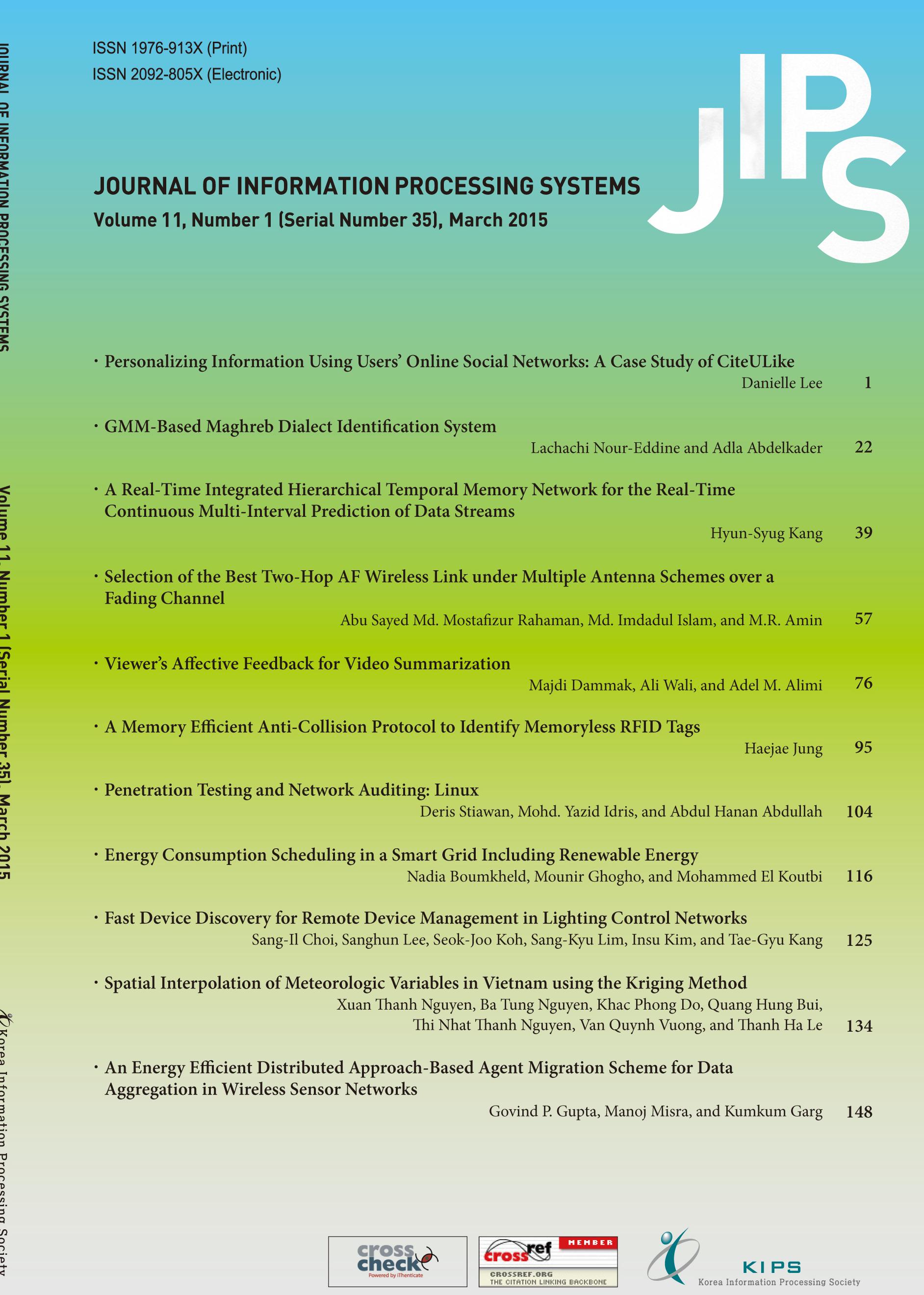
| Journal of Information Processing Systems (JIPS) |
|
| Journal of Internet Computing and Services (KSII - JICS) |

|
| Membrane and Water Treatment (MWT) |

|
| Smart Structures and Systems (Smart Structures and Systems) |



MANUSCRIPTLINK © 2015 -
