


38th ROME World Conference on Architectural Design & Civil Engineering (WADCE-26) June 17-19, 2026 Rome (Italy)
WADCE-26
- URL: https://urcae.urst.org/conference/177
- Event Date: 2026-06-17 ~ 2026-06-19
- Submission Date: 2026-06-01
- Organizer: URCAE
- Location: Rome, Italy
Architecture Civil Engineering
Call for Papers: WADCE-26
Full Articles/ Reviews/ Shorts Papers/ Abstracts are welcomed in the following research fields:
1. Architectural Design
Architectural design is the art and science of ensuring that structures are functional, sustainable, and aesthetically pleasing.
Design Fundamentals
Spatial Planning and Organization
Form, Space, and Order
Human Factors and Ergonomics
Circulation and Flow Analysis
Building Types
Residential Architecture (Single-family, Multi-family)
Commercial and Retail Design
Industrial and Institutional (Hospitals, Schools)
Urban Design and Master Planning
Sustainability and Environment
Passive Solar Design
Biophilic Design
Green Building Materials and Certification (LEED, BREEAM)
Adaptive Reuse and Historic Preservation
Documentation and Visualization
Building Information Modeling (BIM)
Conceptual Sketching and 3D Modeling
Construction Documentation (Blueprints)
Architectural Rendering and Virtual Reality
2. Structural Engineering
This sub-field of Civil Engineering ensures that buildings can withstand the loads and forces they encounter.
Mechanics and Materials
Statics and Dynamics
Strength of Materials (Stress and Strain)
Properties of Concrete, Steel, and Timber
Structural Analysis
Load Calculations (Dead, Live, Wind, and Snow loads)
Finite Element Analysis (FEA)
Seismic (Earthquake) Engineering
Foundation Design and Soil-Structure Interaction
Construction Systems
Reinforced Concrete Structures
Steel Frame Construction
High-Rise and Skyscraper Engineering
Bridge Engineering (Suspension, Arch, Truss)
3. Geotechnical Engineering
Focuses on the behavior of earth materials and how they support structures.
Soil Mechanics
Soil Classification and Composition
Permeability and Seepage
Consolidation and Settlement
Foundations and Retaining Structures
Shallow vs. Deep Foundations (Piles, Caissons)
Slope Stability
Retaining Wall Design
Tunnelling and Underground Structures
4. Transportation and Infrastructure
The planning and construction of the systems that move people and goods.
Highway and Pavement Engineering
Geometric Design of Roads
Traffic Flow Theory
Pavement Materials (Asphalt vs. Concrete)
Urban Infrastructure
Public Transit Systems (Rail, Metro)
Airport and Harbor Engineering
Smart City Infrastructure
5. Water Resources and Environmental Engineering
Managing the most vital natural resources within the built environment.
Hydraulics and Hydrology
Fluid Mechanics
Stormwater Management and Drainage
Flood Control Systems
Environmental Systems
Water Treatment and Distribution
Wastewater Collection and Treatment
Solid Waste Management
6. Construction Management
The "how" of bringing a project from paper to reality.
Project Lifecycle
Cost Estimation and Quantity Surveying
Scheduling (CPM, PERT)
Contract Administration and Bidding
Site Operations
Safety Management (OSHA standards)
Equipment Productivity
Quality Control and Quality Assurance (QC/QA)
7. Building Services (MEP)
Ensuring the internal environment of a building is habitable.
Mechanical Systems: HVAC (Heating, Ventilation, and Air Conditioning)
Electrical Systems: Power distribution, Lighting design, and Fire Alarms
Plumbing Systems: Water supply and Sanitary piping
Event Promotion

|
|
The 13th International Conference on Quantum Dots (QD 2026) |
| 2026-05-17 ~ 2026-05-22 |
|
|
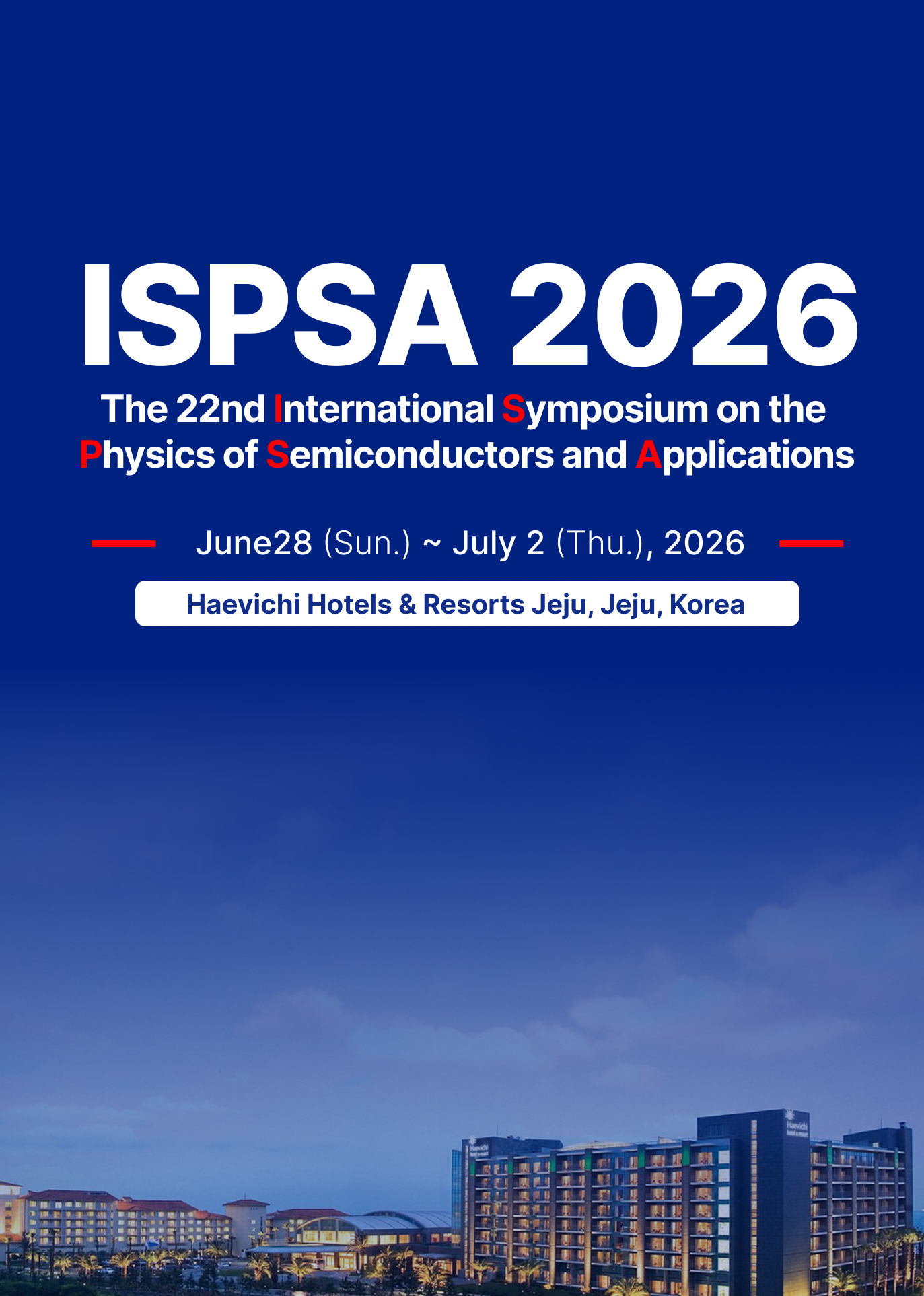
The 22nd International Symposium on the Physics of Semiconductors and Applications (ISPSA 2026) |
| 2026-06-28 ~ 2026-07-02 |

|
|
The 15th Asia-Pacific Conference on Transportation and the Environment (APTE 2026) |
| 2026-07-08 ~ 2026-07-10 |
|
|
ACEM26 / Structures26 (ACEM26) |
| 2026-08-24 ~ 2026-08-25 |
Journal Promotion

|
| Acta Koreana (Acta Koreana) |
|
| Acta Via Serica (AVS) |
|
| Computers and Concrete (Computers and Concrete) |
|
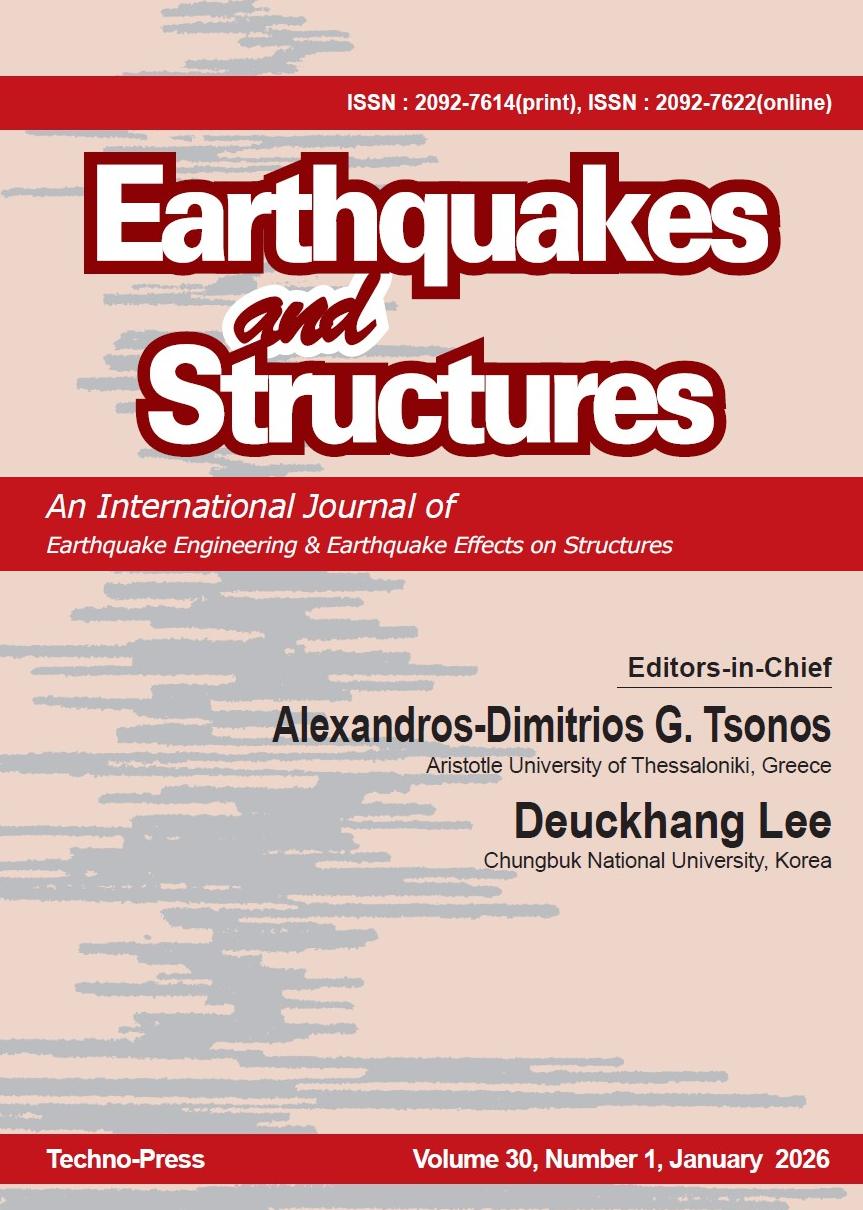
| Earthquakes and Structures, An International Journal (Earthquakes and Structures) |
|
| Geomechanics and Engineering (Geomechanics and Engineering) |
|
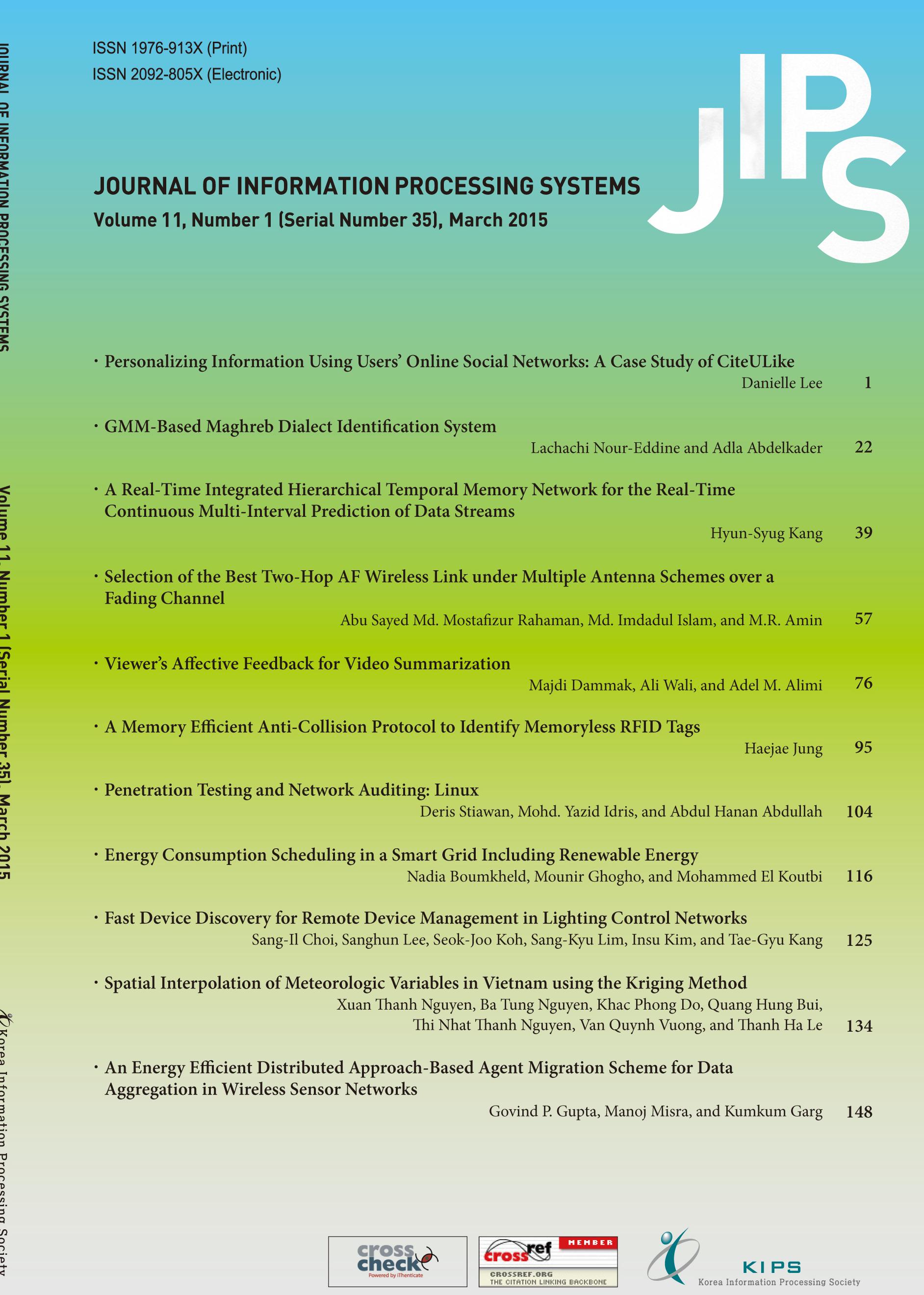
| Journal of Information Processing Systems (JIPS) |

|
| Journal of Internet Computing and Services (KSII - JICS) |
|
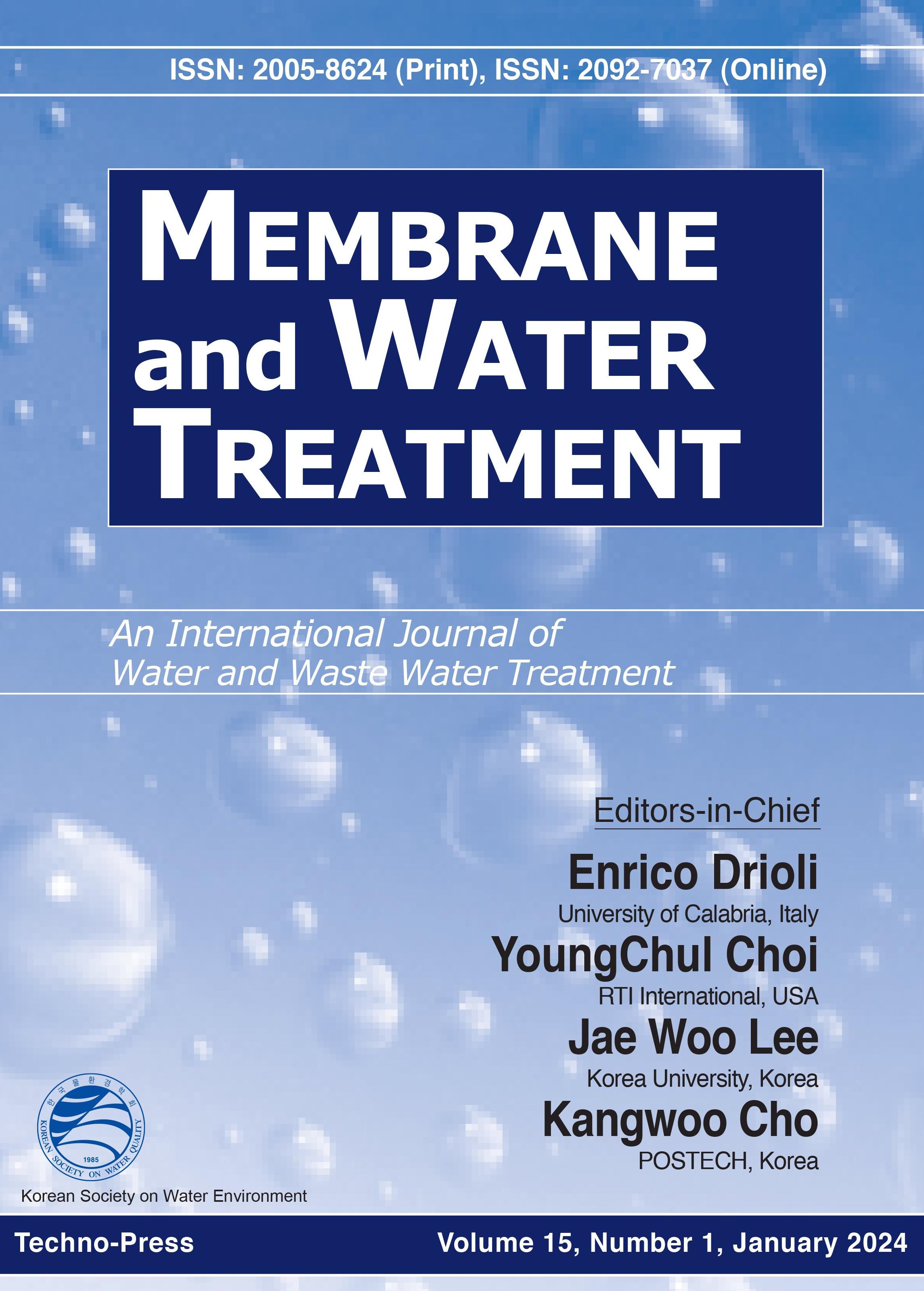
| Membrane and Water Treatment (MWT) |
|
| Smart Structures and Systems (Smart Structures and Systems) |
|
| Steel and Composite Structures, An International Journal (Steel and Composite Structures) |
|
| Structural Engineering and Mechanics, An International Journal (Structural Engineering and Mechanics) |
|
| Wind and Structures, An International Journal (Wind and Structures) |




MANUSCRIPTLINK © 2015 -
