


39th LISBON International Conference on Business Studies (LICBS-26) Oct. 8-10, 2026 Lisbon (Portugal)
LICBS-26
- URL: https://eaamp.erpub.org/conference/224
- Event Date: 2026-10-08 ~ 2026-10-10
- Submission Date: 2026-09-17
- Organizer: EAAMP
- Location: Lisbon, Portugal
International Business Business, Economics & Management (General)
Call for papers/Topics
Topics of Interest for Submission include, but are Not Limited to:
1. Internal Functional Areas
These are the core "pillars" of any business. While they can be studied independently, they are deeply interrelated in practice (e.g., Marketing needs a budget from Finance).
Human Resource Management (HRM)
Recruitment and Selection: Job analysis, interviewing, and onboarding.
Training and Development: Upskilling, appraisals, and career pathing.
Motivation Theory: Taylorism, Maslow’s Hierarchy, Herzberg’s Two-Factor theory.
Organizational Structure: Hierarchy, spans of control, and delegation.
Industrial Relations: Labor unions, collective bargaining, and conflict resolution.
Finance and Accounts
Sources of Finance: Internal (retained profit) vs. External (shares, loans, venture capital).
Financial Statements: Balance sheets, Income statements (P&L), and Cash flow statements.
Ratio Analysis: Profitability, liquidity, and efficiency ratios.
Investment Appraisal: Net Present Value (NPV), Payback Period, and Internal Rate of Return (IRR).
Budgeting: Variance analysis and break-even points.
Marketing
The Marketing Mix: The 4 Ps (Product, Price, Place, Promotion) or 7 Ps for services.
Market Research: Primary vs. secondary data, qualitative vs. quantitative.
Branding and Positioning: Perceptual mapping and USP (Unique Selling Point).
Digital Marketing: SEO, social media strategy, and e-commerce.
Product Life Cycle: Introduction, Growth, Maturity, and Decline.
Operations Management
Production Methods: Job, batch, flow, and cell production.
Lean Production: Just-in-Time (JIT), Kaizen, and waste reduction.
Quality Management: TQM (Total Quality Management) and benchmarking.
Supply Chain & Logistics: Inventory management and global sourcing.
2. Strategic and Global Context
These topics look at the "Big Picture"—how a business positions itself against competitors and within the world.
Business Strategy
Strategic Analysis: SWOT analysis, PESTLE analysis, and Porter’s Five Forces.
Growth Strategies: Ansoff’s Matrix (Market Penetration, Product Development, etc.).
Competitive Advantage: Cost leadership vs. Differentiation.
Change Management: Managing resistance and organizational culture.
Business Environment & Ethics
Business Ownership: Sole traders, partnerships, private/public limited companies, and NGOs.
Corporate Social Responsibility (CSR): Sustainability and ethical sourcing.
Legal Frameworks: Employment law, consumer protection, and competition law.
Globalization: Multinational corporations (MNCs) and international trade.
3. Interrelated Themes
These concepts "bridge" the functional areas and are essential for leadership.
Decision Making: Using data (Finance/Marketing) to choose a direction.
Entrepreneurship: Innovation, risk-taking, and business planning.
Leadership vs. Management: Autocratic, democratic, and laissez-faire styles.
Stakeholder Theory: Balancing the needs of owners, employees, customers, and the community.
Communication: Internal vs. external channels and barriers to effective messaging.
Event Promotion
|
|
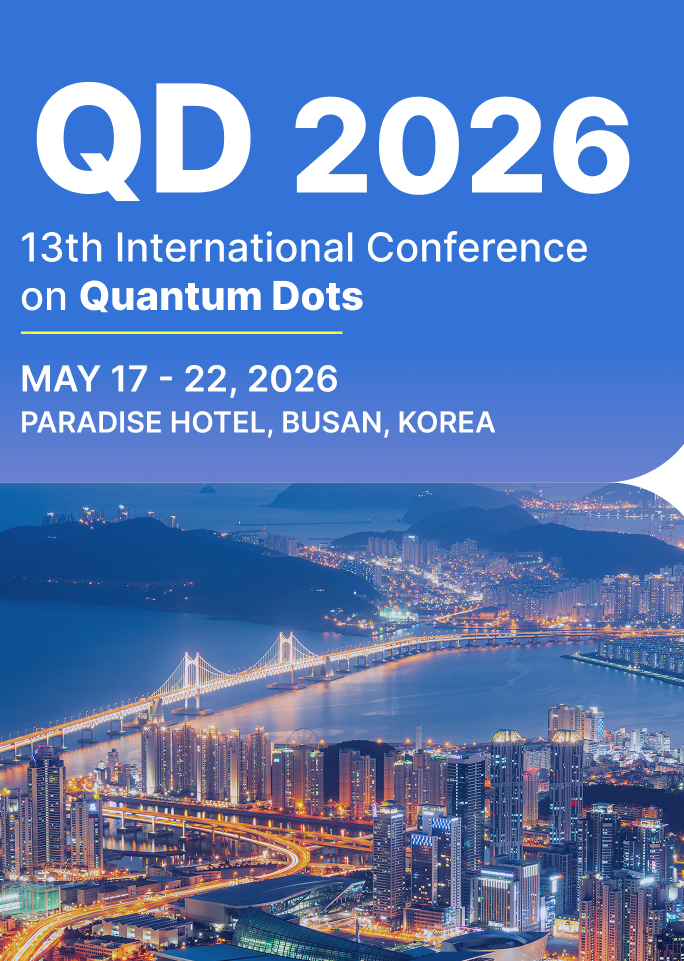
The 13th International Conference on Quantum Dots (QD 2026) |
| 2026-05-17 ~ 2026-05-22 |
|
|
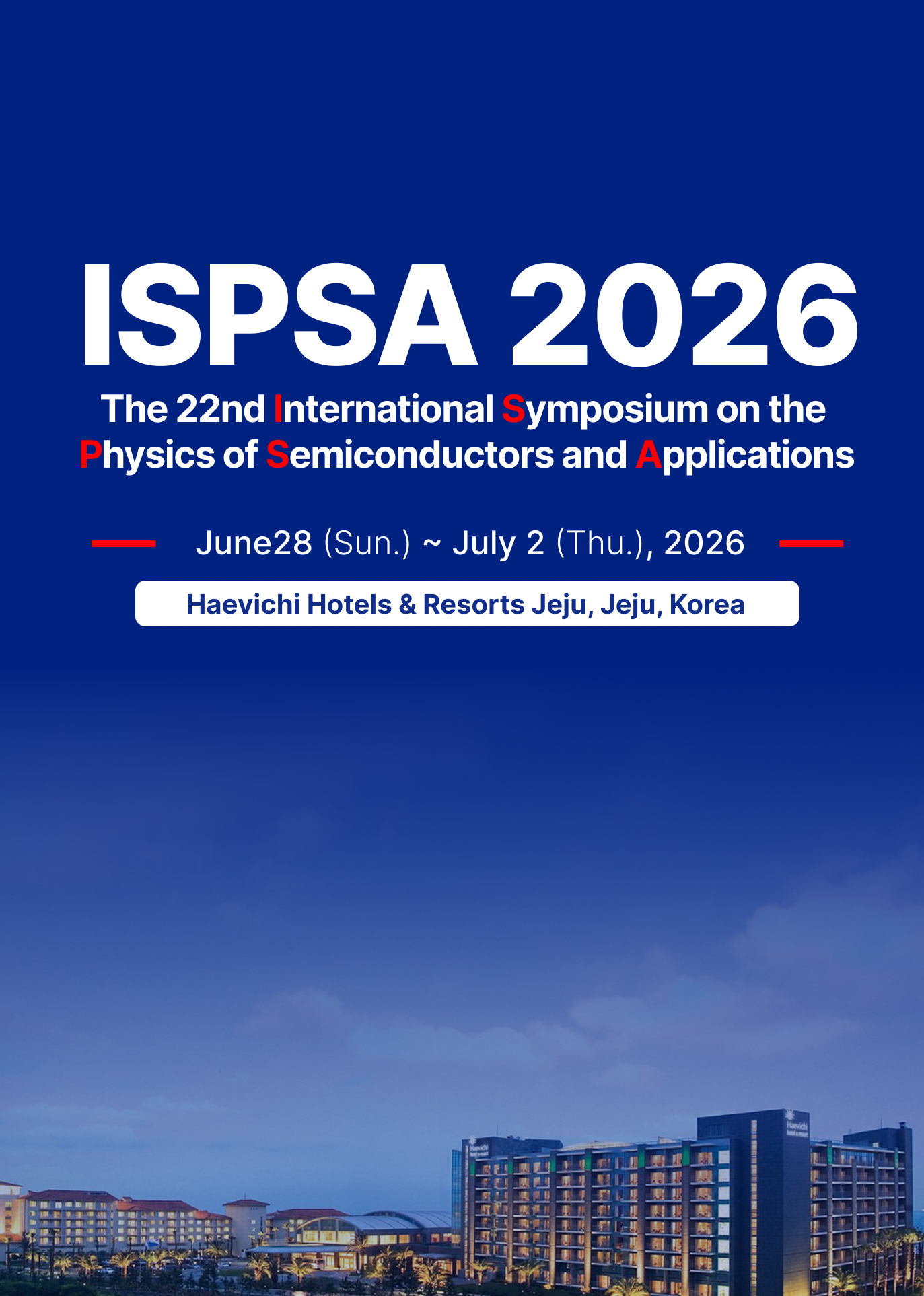
The 22nd International Symposium on the Physics of Semiconductors and Applications (ISPSA 2026) |
| 2026-06-28 ~ 2026-07-02 |

|
|
The 15th Asia-Pacific Conference on Transportation and the Environment (APTE 2026) |
| 2026-07-08 ~ 2026-07-10 |
|
|
ACEM26 / Structures26 (ACEM26) |
| 2026-08-24 ~ 2026-08-25 |
Journal Promotion

|
| Acta Koreana (Acta Koreana) |

|
| Acta Via Serica (AVS) |

|
| Advances in Concrete Construction (Advances in Concrete Construction ) |

|
| Advances in Nano Research (Advances in Nano Research) |

|
| Computers and Concrete (Computers and Concrete) |

|
| Earthquakes and Structures, An International Journal (Earthquakes and Structures) |
|
| Geomechanics and Engineering (Geomechanics and Engineering) |
|
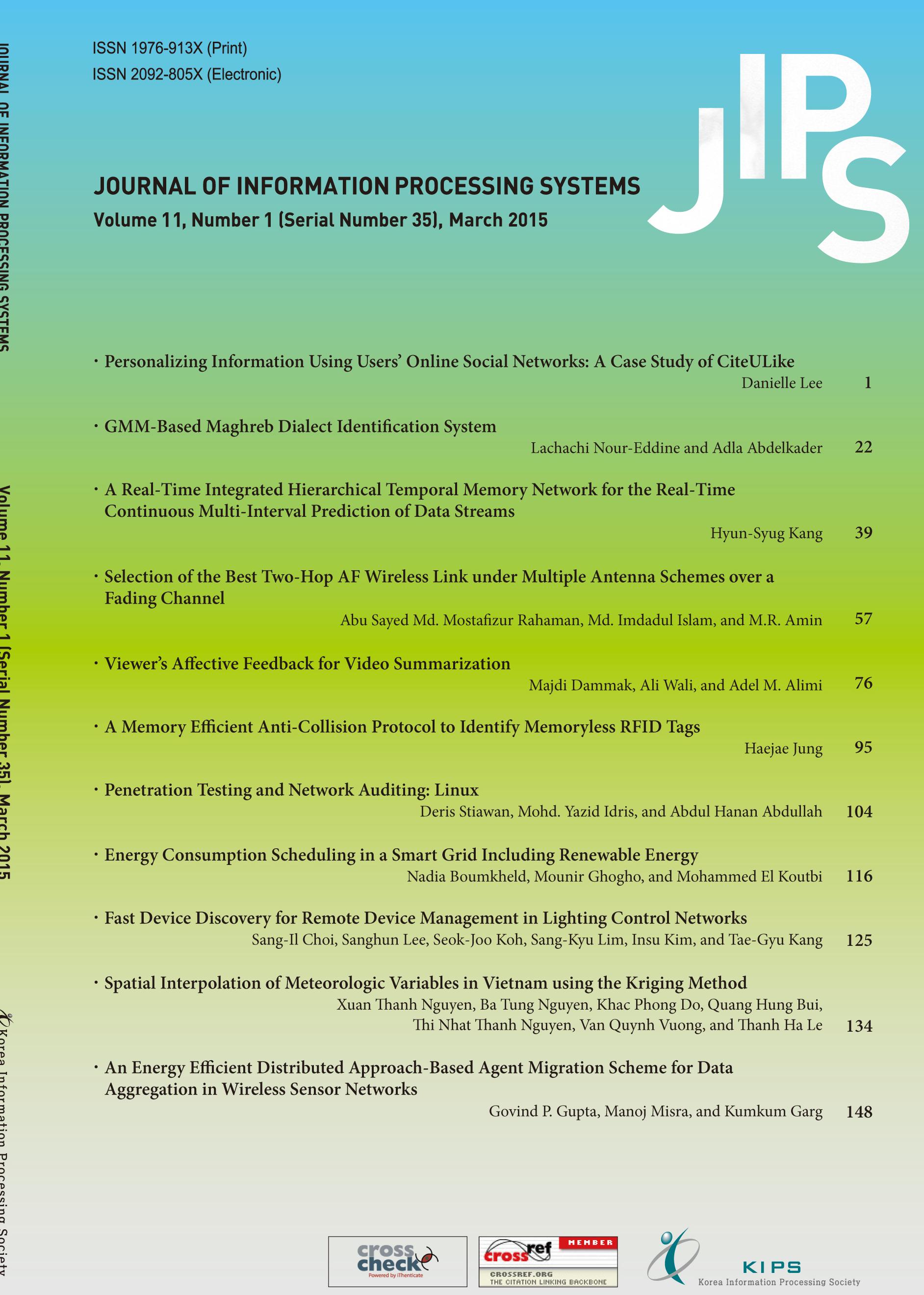
| Journal of Information Processing Systems (JIPS) |

|
| Journal of Internet Computing and Services (KSII - JICS) |

|
| Membrane and Water Treatment (MWT) |

|
| Smart Structures and Systems (Smart Structures and Systems) |
|
| Steel and Composite Structures, An International Journal (Steel and Composite Structures) |
|
| Structural Engineering and Mechanics, An International Journal (Structural Engineering and Mechanics) |

|
| Wind and Structures, An International Journal (Wind and Structures) |




MANUSCRIPTLINK © 2015 -
