


60th MILAN World Congress on “Chemical, Biological & Medical Sciences” (MCBMS-26)
MCBMS-26
- URL: https://drabl.org/conference/452
- Event Date: 2026-03-16 ~ 2026-03-18
- Submission Date: 2026-03-01
- Organizer: DRABL
- Location: Milano, Italy
Analytical Chemistry Biochemistry Chemical & Material Sciences (General) Chemical Kinetics & Catalysis Crystallography & Structural Chemistry
Call for papers/Topics
Full Articles/ Reviews/ Shorts Papers/ Abstracts are welcomed in the following research fields:
Theme 1: Convergence & Computation: The AI Revolution in Bio-Chem
Focus: How artificial intelligence, machine learning, and big data are accelerating discovery timelines from decades to months across all three disciplines.
Subthemes:
Generative AI in Drug Discovery: Moving beyond screening libraries to de novo design of small molecules and antibodies using deep learning.
AlphaFold & Beyond: Utilization of protein structure prediction models for understanding disease mechanisms and designing novel enzymes.
Multi-Omics Integration: Using computational tools to merge genomic, proteomic, and metabolomic data for a holistic view of patient health.
Automated ("Self-Driving") Laboratories: The integration of robotics and AI to conduct chemical synthesis and biological assays 24/7.
Theme 2: Next-Generation Medicine: Regeneration and Precision
Focus: Moving away from "one-size-fits-all" treatments toward therapies based on individual genetics, and shifting from treating symptoms to regenerating damaged tissue.
Subthemes:
Advanced Gene Editing (CRISPR 2.0): Therapeutic applications of prime editing and base editing for genetic disorders, and the challenge of delivery vectors.
Biomaterials & Tissue Engineering: Smart polymers and hydrogels that mimic the extracellular matrix to promote healing or house implanted cells.
Cellular Immunotherapy (CAR-T and beyond): Engineering immune cells to target solid tumors and autoimmune diseases.
The Microbiome in Health & Disease: Chemical signaling between gut bacteria and the host, and its impact on metabolic and neurological disorders.
Theme 3: Planetary Health: Chemical & Biological Solutions for a Sustainable Future
Focus: Addressing global environmental challenges through the lens of chemical engineering and biological adaptation, recognizing that environmental health dictates human health.
Subthemes:
Green Chemistry & Catalysis: Developing non-toxic synthetic pathways and replacing precious metal catalysts with abundant earth alternatives or biocatalysts (enzymes).
Biodegradable Polymers & Materials: Chemical innovation in creating plastics that truly break down in marine and soil environments without leaving microplastics.
Environmental Toxicology & Biosensors: Novel biological methods for detecting emerging contaminants (like PFAS) in water supplies.
Zoonosis & Pandemic Preparedness: Understanding the biochemical drivers of viral spillover from animal reservoirs to humans.
Theme 4: Molecular Frontiers: Mechanisms, Diagnostics, and Deliveries
Focus: The fundamental "nuts and bolts" of science—how we detect disease earlier, understand how it works at an atomic level, and get drugs exactly where they need to go.
Subthemes:
Novel Drug Delivery Systems (DDS): Lipid nanoparticles (like those used in mRNA vaccines), exosomes, and targeted antibody-drug conjugates (ADCs).
The Biochemistry of Neurodegeneration: Unraveling the molecular misfolding pathways in Alzheimer’s and Parkinson’s diseases.
Liquid Biopsies & Early Detection: Advances in detecting circulating tumor DNA (ctDNA) and other biomarkers in blood samples for early cancer diagnosis.
Antimicrobial Resistance (AMR): Chemical synthesis of novel antibiotic classes and biological approaches using bacteriophages.
Event Promotion
|
|
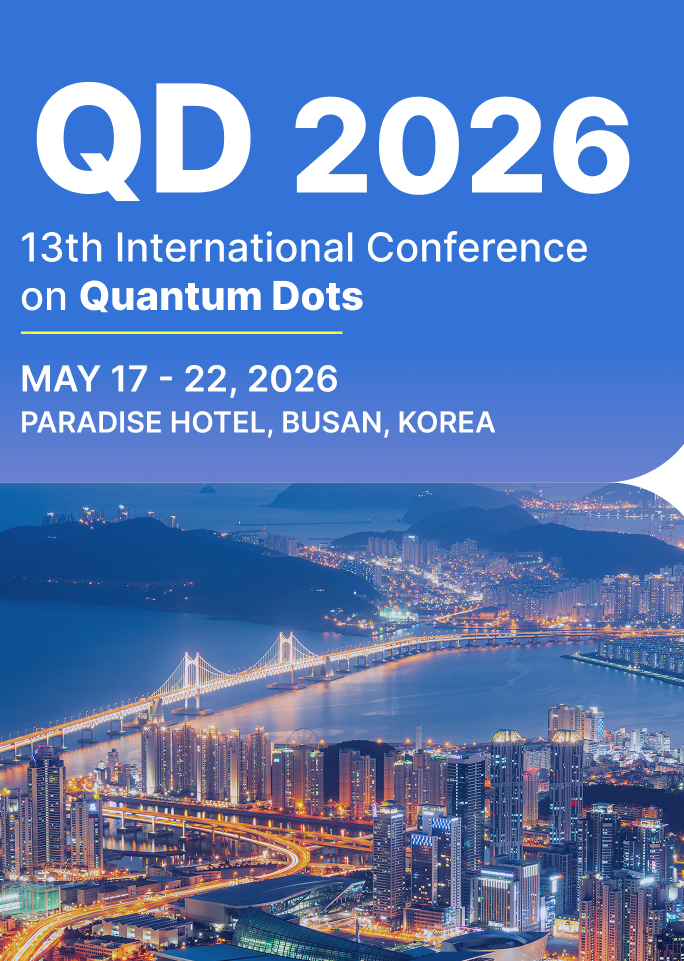
The 13th International Conference on Quantum Dots (QD 2026) |
| 2026-05-17 ~ 2026-05-22 |
|
|
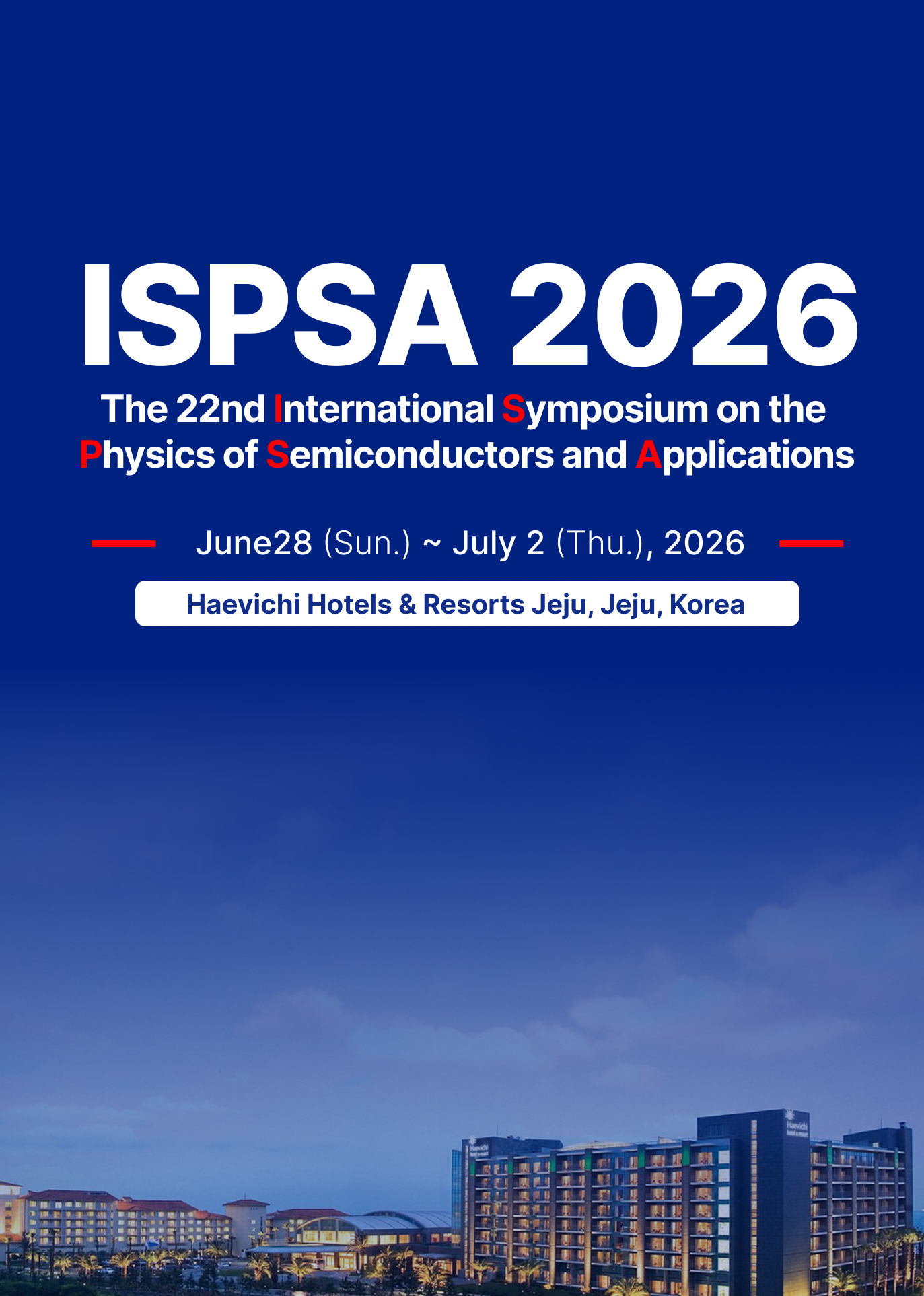
The 22nd International Symposium on the Physics of Semiconductors and Applications (ISPSA 2026) |
| 2026-06-28 ~ 2026-07-02 |

|
|
The 15th Asia-Pacific Conference on Transportation and the Environment (APTE 2026) |
| 2026-07-08 ~ 2026-07-10 |
Journal Promotion

|
| Acta Koreana (Acta Koreana) |
|
| Acta Via Serica (AVS) |

|
| Earthquakes and Structures, An International Journal (Earthquakes and Structures) |
|
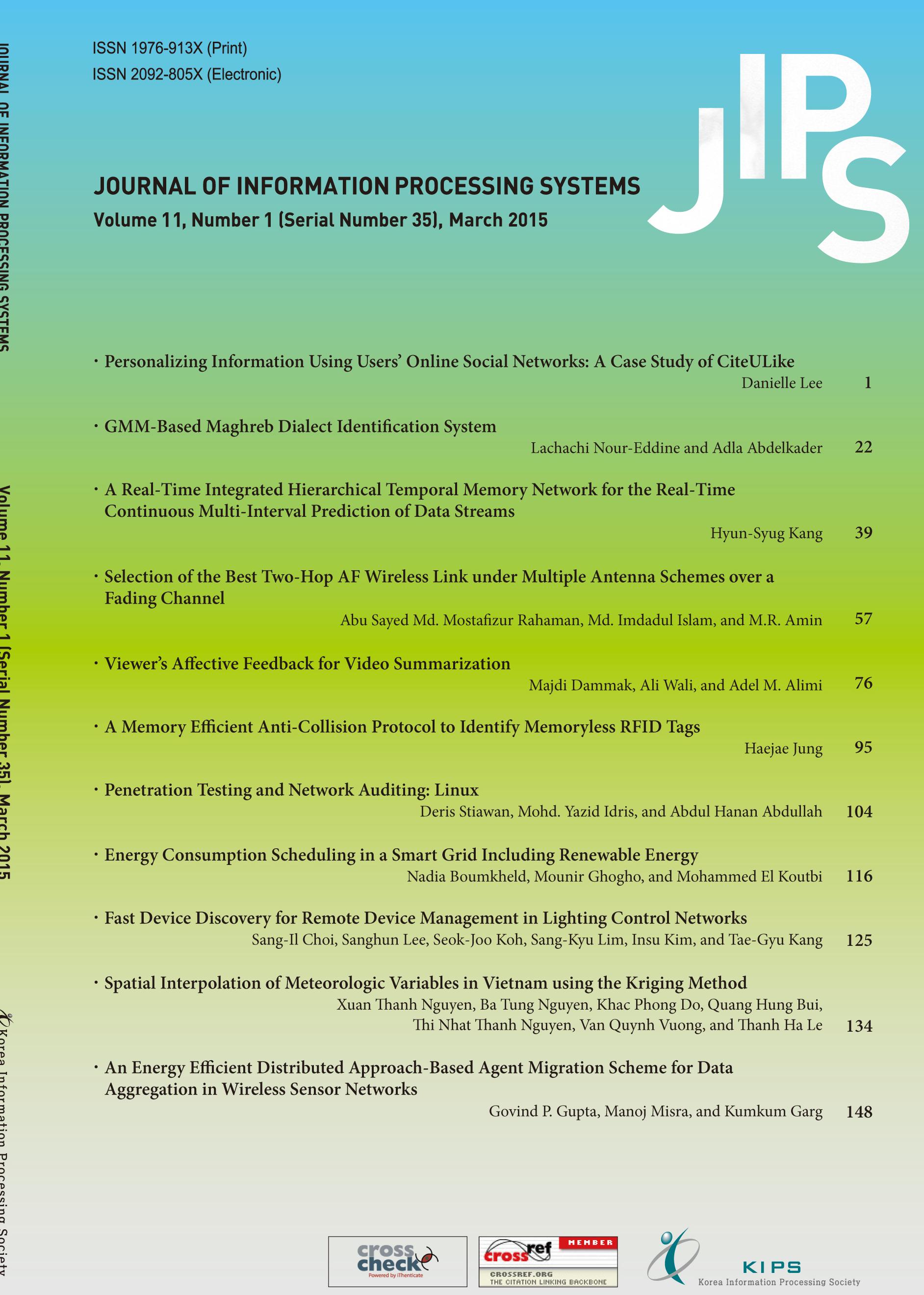
| Journal of Information Processing Systems (JIPS) |

|
| Journal of Internet Computing and Services (KSII - JICS) |
|
| Membrane and Water Treatment (MWT) |

|
| Smart Structures and Systems (Smart Structures and Systems) |



MANUSCRIPTLINK © 2015 -
