
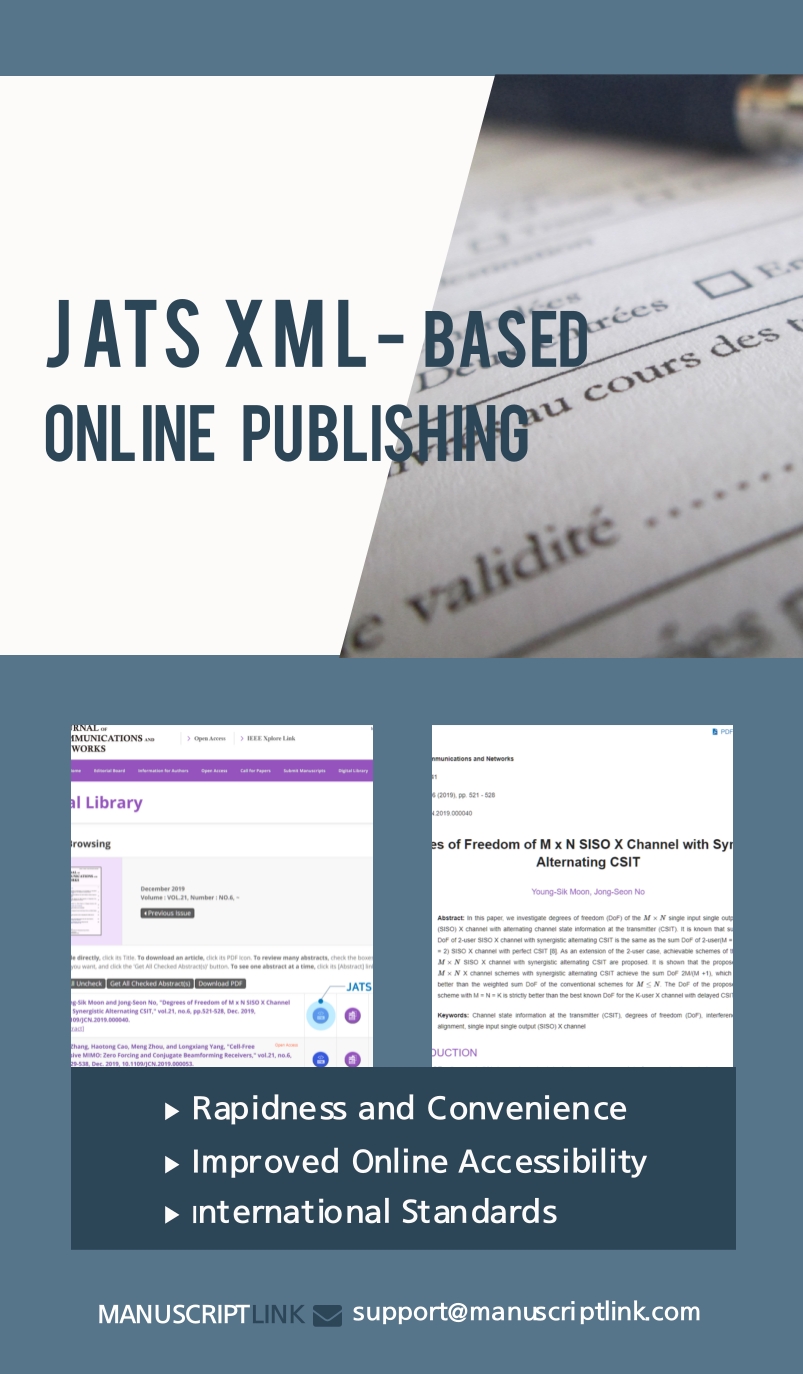

43rd JOHANNESBURG International Conference on Chemical, Biological and Environmental Engineering: JCBEE-26
JCBEE-26
- URL: https://iicbe.org/2026/11/24/144
- Event Date: 2026-11-23 ~ 2026-11-25
- Submission Date: 2026-11-01
- Organizer: IICBE
Chemical & Material Sciences (General) Biomedical Technology
TRACKS (JCBEE-26)
JCBEE-26 accepts all papers related with the following tracks:
- Biological and Biomedical Sciences
- Mining, Water and Waste Management
- Agriculture and Soil Sciences
- Environmental and Ecological Engineering
- Applied Mathematics and Computer Applications
Please see the detailed list of some of the potencial topics below:
Chemical Engineering
Transport Phenomena: Fluid mechanics, heat transfer mechanisms, mass transfer kinetics, boundary layer theory.
Chemical Reaction Engineering: Homogeneous and heterogeneous kinetics, ideal reactor design (CSTR, PFR, Batch), catalyst design, reactor safety systems.
Thermodynamics & Phase Equilibria: Equations of state, chemical reaction equilibria, vapor-liquid equilibria (VLE), chemical potential.
Unit Operations: Distillation columns, liquid-liquid extraction, crystallization, drying processes, filtration systems.
Process Control & Dynamics: Feedback and feedforward loops, PID controllers, transfer functions, dynamic process simulation.
Biological Engineering
Bioprocess & Fermentation Technology: Microbial growth kinetics, upstream process optimization, bioreactor design and scale-up, downstream separation.
Cellular & Tissue Engineering: Stem cell differentiation, scaffold design, biomaterials, 3D bioprinting, regenerative medicine.
Enzyme Kinetics & Catalysis: Michaelis-Menten dynamics, enzyme immobilization, industrial enzymatic synthesis, biocatalysis.
Synthetic & Molecular Biology: Metabolic pathway engineering, CRISPR-Cas system applications, recombinant DNA technology, protein engineering.
Biomedical Engineering Systems: Targeted drug delivery mechanisms, biosensor technology, artificial organs, microfluidic lab-on-a-chip devices.
Environmental Engineering
Water & Wastewater Treatment: Primary physical treatment, biological secondary treatment, advanced membrane filtration, sludge management, desalination.
Air Pollution Control: Particulate matter scrubbers, catalytic converters, industrial emissions monitoring, volatile organic compound (VOC) treatment.
Solid & Hazardous Waste Management: Landfill engineering, hazardous waste neutralization, thermal treatment, waste reduction strategies.
Environmental Chemistry & Ecotoxicology: Bioaccumulation kinetics, transport of pollutants in soil/water, heavy metal speciation, risk assessment.
Hydrology & Water Resource Systems: Surface water modeling, groundwater remediation, watershed management, transport of environmental contaminants.
Interrelated Topics (Cross-Disciplinary Integration)
Chemical + Biological Engineering (Biochemical Engineering)
Industrial Biotechnology: Large-scale bio-manufacturing, continuous fermenter control, bio-based chemical production, industrial enzyme production.
Metabolic Engineering & Synthetic Biology: Redesigning metabolic networks for chemical yields, cellular factory design, flux balance analysis.
Biopharmaceutical Processing: Cleanroom process validation, monoclonal antibody purification, vaccine manufacturing dynamics, protein stabilization.
Chemical + Environmental Engineering (Green & Sustainable Engineering)
Green Chemistry & Sustainable Processing: Atom economy, non-toxic solvent selection, energy-efficient chemical routes, process intensification.
Carbon Capture, Utilization, & Storage (CCUS): Direct air capture, chemical looping combustion, solvent-based carbon dioxide absorption, geological sequestration.
Pollutant Separation & Clean Technology: Membrane separation of toxic waste streams, heterogeneous photocatalysis, clean fuel synthesis, alternative energy storage.
Biological + Environmental Engineering (Environmental Biotechnology)
Bioremediation & Phytoremediation: Microbial degradation of hydrocarbons, heavy metal extraction using plants, bio-augmentation of contaminated sites.
Anaerobic Digestion & Waste-to-Energy: Methanogenesis kinetics, biogas purification, organic municipal waste digestion, bio-hydrogen production.
Ecological Engineering: Engineered wetlands for wastewater treatment, bio-filters for air quality control, natural attenuation systems.
Integrated Synthesis: Chemical + Biological + Environmental Engineering
Circular Bioeconomy: Converting agricultural waste streams into platform chemicals and biodegradable plastics using engineered microbes and low-impact processing.
Life Cycle Assessment (LCA) & Sustainable Design: Evaluating environmental impact from raw material extraction to disposal, techno-economic analysis of bio-refineries, cradle-to-cradle engineering design.
Advanced Biorefineries: Processing complex biomass feedstocks via thermochemical and biochemical routes to produce renewable fuels, polymers, and value-added materials.
Journal Promotion

|
| Acta Koreana (Acta Koreana) |

|
| Acta Via Serica (AVS) |
|
| Advances in Concrete Construction (Advances in Concrete Construction ) |

|
| Advances in Nano Research (Advances in Nano Research) |

|
| Computers and Concrete (Computers and Concrete) |
|
| Coupled Systems Mechanics (Coupled Systems Mechanics) |

|
| Earthquakes and Structures, An International Journal (Earthquakes and Structures) |
|
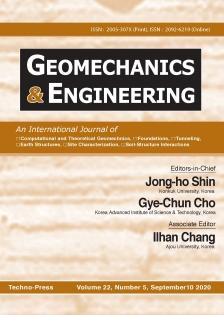
| Geomechanics and Engineering (Geomechanics and Engineering) |
|
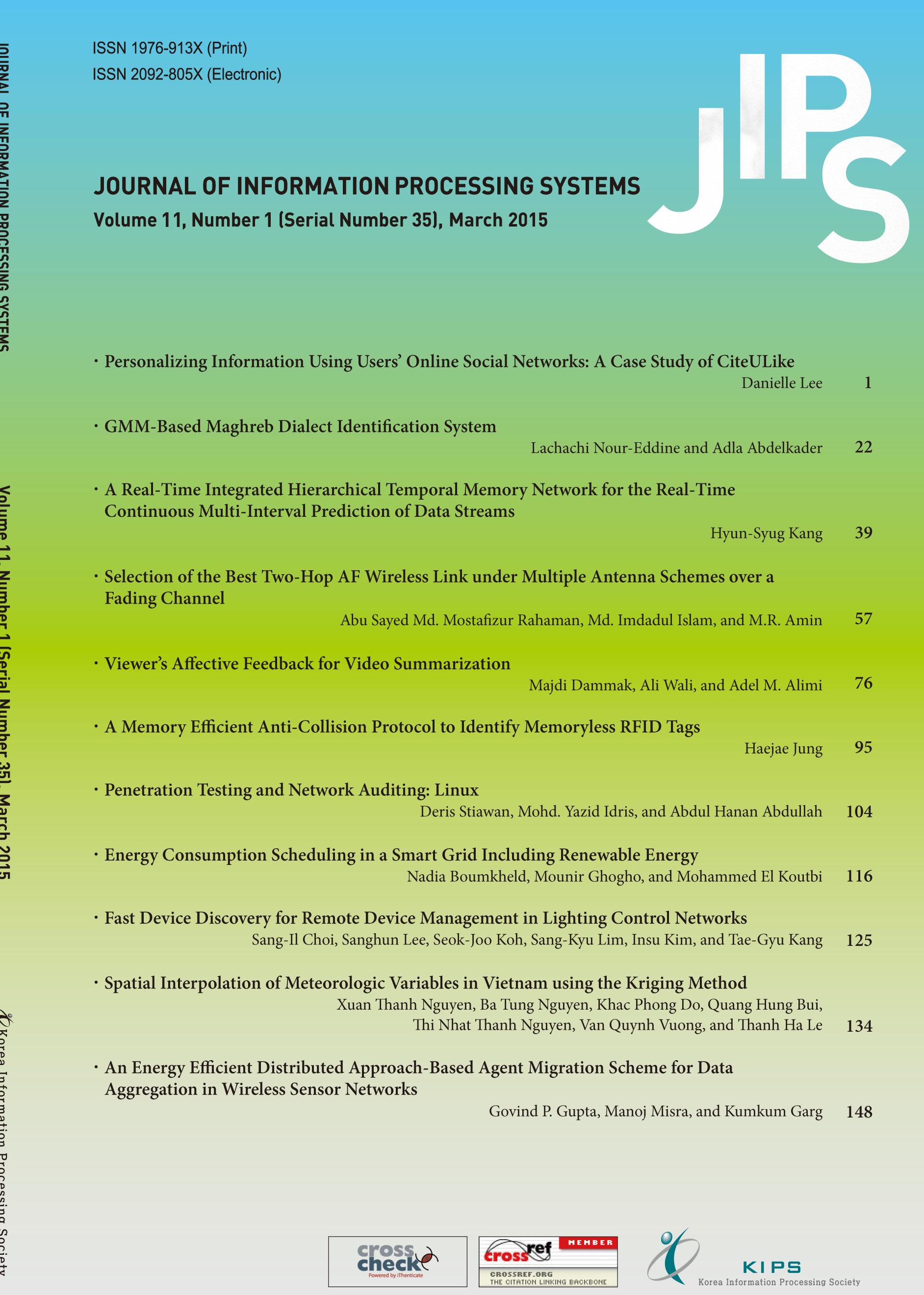
| Journal of Information Processing Systems (JIPS) |

|
| Journal of Internet Computing and Services (KSII - JICS) |
|
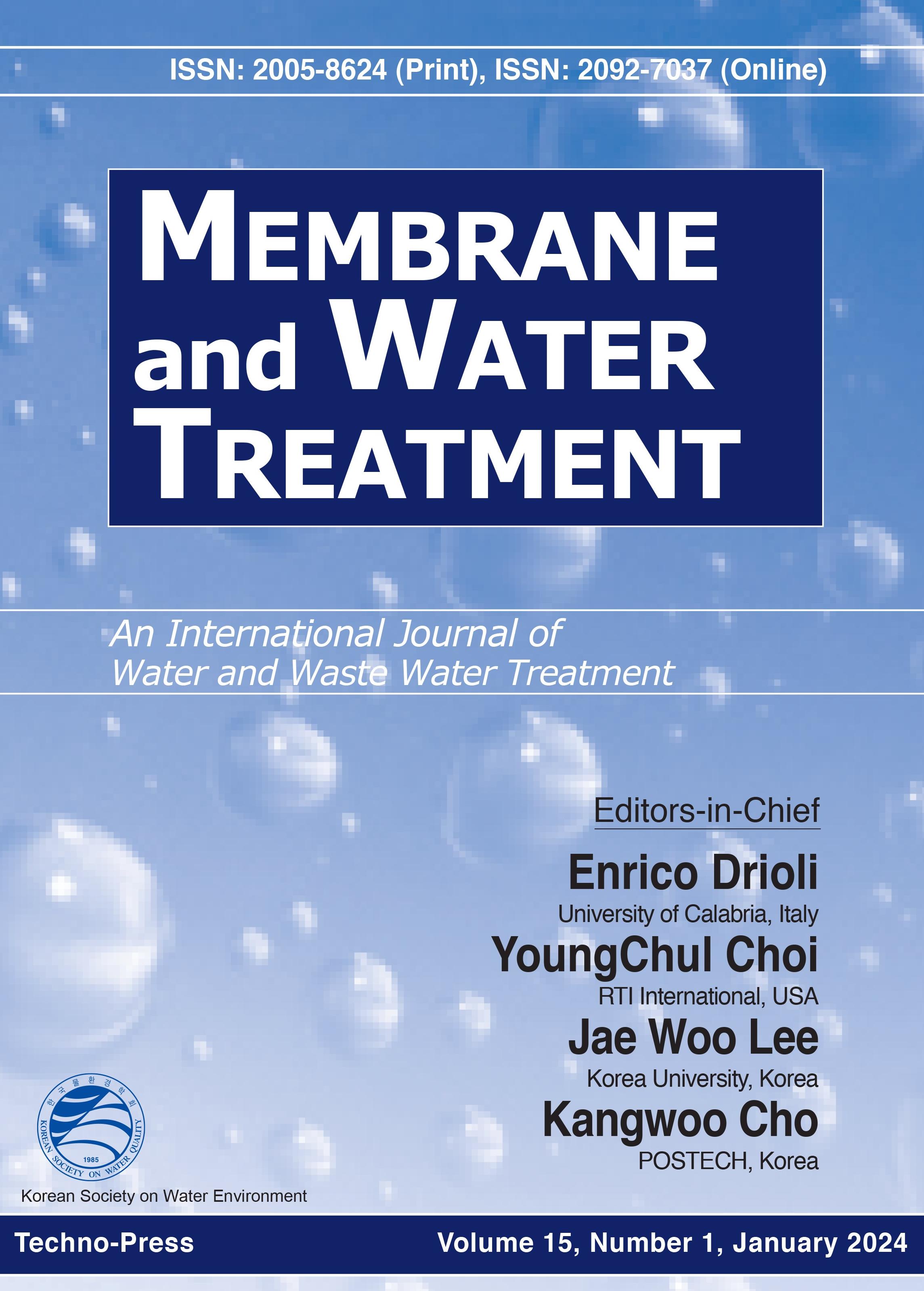
| Membrane and Water Treatment (MWT) |

|
| Smart Structures and Systems (Smart Structures and Systems) |
|
| Steel and Composite Structures, An International Journal (Steel and Composite Structures) |
|
| Structural Engineering and Mechanics, An International Journal (Structural Engineering and Mechanics) |

|
| Wind and Structures, An International Journal (Wind and Structures) |




MANUSCRIPTLINK © 2015 -
