


Advances in Plant Pathology Research
APPR
- URL: https://www.globalmeetx.com/journals/appr
- Call For Paper Type: Regular
- H2 Index: 0
Advances in Plant Pathology Research
Advances in Plant Pathology Research is a peer-reviewed, open-access scientific journal dedicated to advancing knowledge in the field of plant health and disease. Our mission is to serve as a vital platform for the global plant pathology community by publishing innovative original research and critical reviews that address the complex interactions between plants and pathogens.
The journal welcomes interdisciplinary submissions encompassing all aspects of plant diseases, including etiology, epidemiology, host–pathogen interactions, molecular pathology, disease resistance, and integrated disease management. We are particularly interested in cutting-edge studies that apply genomic, biotechnological, and computational tools to understand plant defense mechanisms and pathogen evolution.
By fostering the exchange of scientific knowledge across academic, governmental, and agricultural sectors, Advances in Plant Pathology Research aims to support sustainable agriculture, crop security, and environmental health. Each issue contributes to building a resilient agricultural future through evidence-based research, innovative diagnostic methods, and progressive disease control strategies.
The journal maintains rigorous peer-review standards and is supported by an international editorial board of experts in plant–microbe interactions, disease diagnostics, mycology, virology, bacteriology, and nematology. Whether you are a researcher, practitioner, or policy-maker, Advances in Plant Pathology Research serves as a trusted source for the latest developments in safeguarding plant health worldwide.
Aim and Scope
Advances in Plant Pathology Research publishes original research articles, review articles, short communications, case studies, and technical perspectives that explore all aspects of plant diseases and plant–pathogen interactions.
We welcome submissions in a variety of thematic areas, including (but not limited to):
Plant Pathogens & Fundamental Plant Pathology
- Identification, biology, and characterization of fungal, bacterial, viral, nematode, and phytoplasma pathogens
- Host–pathogen interactions, pathogenicity mechanisms, and infection processes
- Emerging and re-emerging plant diseases and their ecological impacts
Disease Diagnostics & Detection Technologies
- Molecular diagnostics, PCR-based assays, LAMP, and high-throughput sequencing for pathogen detection
- Serological methods, imaging technologies, and biosensor-based diagnostics
- Early detection systems, rapid field tests, and innovative surveillance tools
Epidemiology & Disease Ecology
- Disease development, spread, and epidemiological modeling
- Environmental factors influencing disease outbreaks and pathogen survival
- Disease forecasting systems and climate-change-driven pathogen dynamics
Plant Defense, Immunity & Resistance Breeding
- Plant immune responses, signaling pathways, and defense gene activation
- Quantitative and qualitative resistance mechanisms in crops
- Resistance breeding, gene pyramiding, and development of disease-resistant varieties
Integrated Disease Management (IDM)
- Cultural, biological, chemical, and ecological disease management strategies
- Biofungicides, biopesticides, microbial antagonists, and natural plant protectants
- Sustainable disease control approaches aligned with environmentally friendly agriculture
Molecular & Genomic Plant Pathology
- Genomics, transcriptomics, proteomics, metabolomics, and systems biology of plant–pathogen systems
- CRISPR and genome-editing applications for disease resistance
- Molecular markers and genetic mapping for pathogen identification and resistance traits
Soilborne Diseases & Microbiome Research
- Soil–plant–microbe interactions in disease development
- Rhizosphere microbiome dynamics and beneficial microbes in disease suppression
- Management of soilborne pathogens and root diseases
Postharvest Pathology & Food Security
- Postharvest diseases, storage pathogens, and spoilage mechanisms
- Postharvest protection strategies and shelf-life enhancement
- Impacts of plant diseases on global food security and trade
Emerging, Interdisciplinary, and Applied Plant Pathology
- Application of AI, machine learning, remote sensing, and precision agriculture in disease monitoring
- Disease management in horticulture, forestry, and natural ecosystems
- Policy, phytosanitary regulations, risk assessment, and ethical considerations in plant health
Editorial and Peer-Review Policy
Advances in Plant Pathology Research adheres to a strict single-blind peer-review process to ensure the quality, integrity, and scientific validity of all published work.
Key Features
- Each manuscript is reviewed by at least two independent experts in the field along with an academic editor.
- Reviewers are aware of the authors' identities, while authors remain unaware of the reviewers' identities.
- Reviews focus on scientific merit, originality, methodological rigor, ethical compliance, and relevance to the journal's scope.
- All submissions undergo plagiarism screening and ethical compliance checks before entering the review process.
- The final publication decision is based on reviewers’ recommendations and the editor’s evaluation.
Publication Frequency & Format
Advances in Plant Pathology Research publishes three issues per year (triannual publication). Accepted articles are made available online in both HTML and PDF formats, ensuring rapid dissemination and easy accessibility of scholarly work.
Open Access Policy
Advances in Plant Pathology Research operates under a fully open-access publishing model. All published articles are freely accessible to readers worldwide without subscription or paywall barriers.
Authors retain copyright of their work, and articles are distributed under an appropriate open-access license, allowing broad dissemination and reuse while maintaining proper attribution.
Indexing & Archiving
Advances in Plant Pathology Research is committed to maintaining high publishing standards with the goal of being indexed in reputable scientific indexing and abstracting databases.
The journal also ensures long-term digital preservation through recognized archiving systems and repositories, guaranteeing permanent accessibility and discoverability of published content.
Manuscript Submission
Authors are encouraged to submit manuscripts through the journal's Online Submission System (Submit Manuscript) or by emailing them directly to the Editorial Office at:
support@globalmeetx.com
Manuscripts must comply with the journal's author guidelines, including structure, formatting, referencing style, ethical approvals, and required disclosures such as conflicts of interest and funding information.
Publication Ethics & Integrity
Advances in Plant Pathology Research follows internationally recognized standards for publication ethics and research integrity. Authors must ensure:
- Ethical approval for research involving plants, organisms, or experimental systems where required
- Informed consent where applicable and strict confidentiality of sensitive data
- Declaration of conflicts of interest
- Transparency regarding data availability
- Clear authorship criteria and contributor roles
- Compliance with plagiarism detection and originality standards
- Adherence to policies regarding corrections, retractions, and ethical misconduct
Event Promotion

|
|
The 13th International Conference on Quantum Dots (QD 2026) |
| 2026-05-17 ~ 2026-05-22 |

|
|
The 22nd International Symposium on the Physics of Semiconductors and Applications (ISPSA 2026) |
| 2026-06-28 ~ 2026-07-02 |

|
|
The 15th Asia-Pacific Conference on Transportation and the Environment (APTE 2026) |
| 2026-07-08 ~ 2026-07-10 |

|
|
ACEM26 / Structures26 (ACEM26) |
| 2026-08-24 ~ 2026-08-25 |
Journal Promotion

|
| Acta Koreana (Acta Koreana) |

|
| Acta Via Serica (AVS) |

|
| Advances in Nano Research (Advances in Nano Research) |

|
| Computers and Concrete (Computers and Concrete) |

|
| Earthquakes and Structures, An International Journal (Earthquakes and Structures) |

|
| Geomechanics and Engineering (Geomechanics and Engineering) |
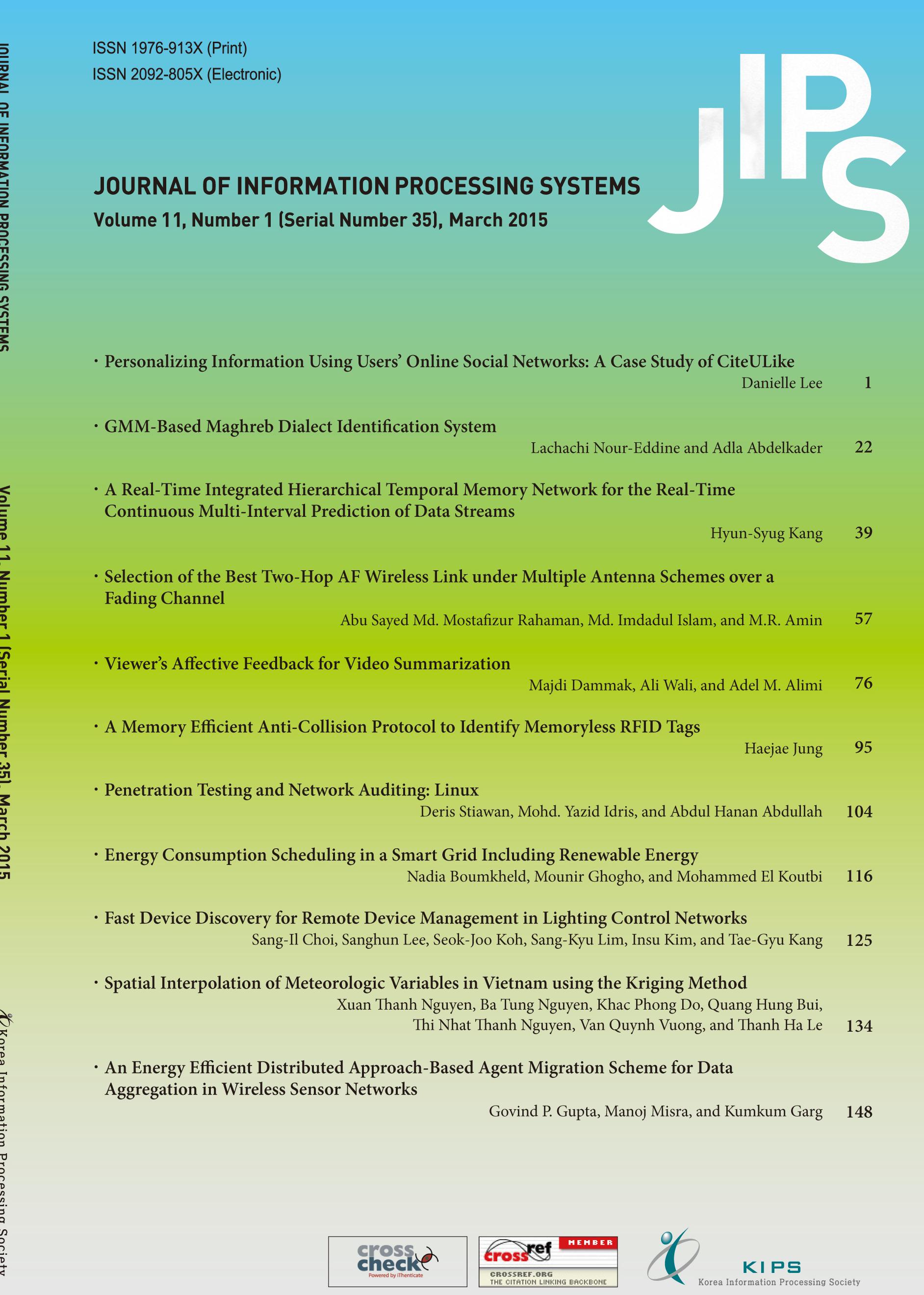
|
| Journal of Information Processing Systems (JIPS) |

|
| Journal of Internet Computing and Services (KSII - JICS) |

|
| Membrane and Water Treatment (MWT) |

|
| Smart Structures and Systems (Smart Structures and Systems) |

|
| Steel and Composite Structures, An International Journal (Steel and Composite Structures) |

|
| Structural Engineering and Mechanics, An International Journal (Structural Engineering and Mechanics) |

|
| Wind and Structures, An International Journal (Wind and Structures) |




MANUSCRIPTLINK © 2015 -
